Table of Contents
Introduction to Global Shipping
In the age of globalization, international trade has become a cornerstone of economic growth for many countries. Among these, China stands out as a dominant player in global shipping and logistics. With its vast manufacturing capabilities and extensive shipping networks, China has transformed into a hub for businesses looking to source products and expand their markets. This article delves into the intricacies of global shipping from China, exploring the processes, challenges, and strategies for successful international trade.
The Role of China in Global Shipping
China as a Manufacturing Powerhouse
China’s rise as a manufacturing powerhouse has been fueled by several factors, including its large labor force, advanced technology, and government support for export-oriented industries. The country produces a wide range of products, from electronics and textiles to machinery and consumer goods. This diverse manufacturing base makes China an attractive sourcing destination for businesses worldwide.
Shipping Infrastructure
China boasts a robust shipping infrastructure, including major ports such as Shanghai, Shenzhen, and Ningbo. These ports are equipped to handle large volumes of cargo and are connected to extensive transportation networks, including railways and highways. This infrastructure facilitates efficient shipping processes, allowing goods to be transported quickly and reliably.
Trade Agreements and Partnerships
China has established numerous trade agreements and partnerships with countries around the world, enhancing its position in global shipping. These agreements often include reduced tariffs and streamlined customs procedures, making it easier for businesses to import goods from China. Understanding these agreements is crucial for companies looking to navigate the complexities of international trade.
Understanding the Shipping Process
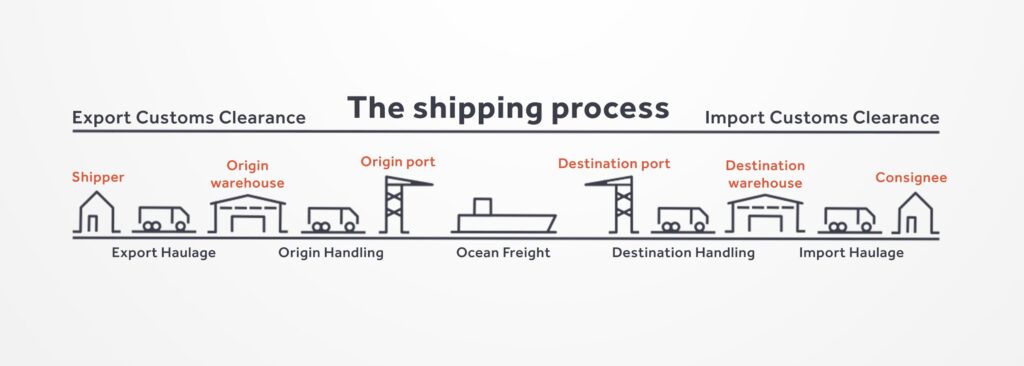
Steps in the Shipping Process
- Sourcing Products: The first step in the shipping process is identifying and sourcing products from Chinese manufacturers. This involves researching suppliers, negotiating prices, and placing orders.
- Preparing Documentation: Proper documentation is essential for international shipping. This includes commercial invoices, packing lists, and customs declarations. Accurate documentation helps prevent delays and ensures compliance with regulations.
- Choosing a Shipping Method: Businesses must decide on the most suitable shipping method based on factors such as cost, speed, and the nature of the products. Common options include air freight, sea freight, and express courier services.
- Customs Clearance: Once the goods arrive in the destination country, they must clear customs. This process involves submitting the necessary documentation and paying any applicable duties and taxes.
- Final Delivery: After customs clearance, the goods are delivered to the final destination. This may involve additional logistics, such as last-mile delivery services.
Shipping Methods Explained
Air Freight
Air freight is the fastest shipping method, making it ideal for urgent shipments. However, it is also the most expensive option. Businesses often use air freight for high-value or time-sensitive products, such as electronics or perishable goods.
Sea Freight
Sea freight is a more economical option for shipping large volumes of goods. While it takes longer than air freight, it is suitable for bulk shipments and heavy items. Businesses can choose between full container loads (FCL) or less than container loads (LCL) based on their shipping needs.
Express Courier Services
Express courier services, such as DHL, FedEx, and UPS, offer a balance between speed and cost. These services are ideal for smaller packages and provide tracking options, ensuring that businesses can monitor their shipments in real-time.
Challenges in Global Shipping from China
Customs Regulations
Navigating customs regulations can be one of the most challenging aspects of international shipping. Each country has its own rules regarding imports, and failure to comply can result in delays, fines, or even confiscation of goods. Businesses must stay informed about the customs requirements of their destination countries to avoid complications.
Shipping Costs
Shipping costs can vary significantly based on factors such as the shipping method, package size, and destination. Businesses must carefully calculate these costs to ensure they remain competitive while maintaining profitability. Utilizing shipping calculators and comparing rates from different carriers can help businesses find the most cost-effective solutions.
Language and Cultural Barriers
Language and cultural differences can pose challenges when dealing with Chinese suppliers. Miscommunication can lead to errors in orders, delays, and misunderstandings. Building strong relationships with suppliers and utilizing translation services can help mitigate these issues.
Strategies for Successful Shipping from China
Research and Select Reliable Suppliers
Finding reliable suppliers is crucial for successful shipping from China. Businesses should conduct thorough research, request samples, and evaluate suppliers based on their reputation, product quality, and communication skills. Establishing strong relationships with suppliers can lead to better pricing and service.
Optimize Shipping Processes
Streamlining shipping processes can help businesses reduce costs and improve efficiency. This includes optimizing packaging to minimize weight and dimensions, using technology to automate order processing, and implementing inventory management systems to track stock levels.
Leverage Technology
Technology plays a vital role in modern shipping. Businesses can utilize shipping software to manage logistics, track shipments, and analyze shipping data. These tools can help identify trends, optimize routes, and improve overall shipping performance.
Stay Informed About Market Trends
Staying informed about market trends and changes in regulations is essential for businesses engaged in international shipping. This includes monitoring shipping rates, understanding trade agreements, and keeping up with industry news. Joining industry associations and subscribing to relevant publications can provide valuable insights.
Conclusion
Navigating the complexities of global shipping from China requires careful planning, research, and execution. By understanding the shipping process, addressing challenges, and implementing effective strategies, businesses can successfully tap into the vast opportunities presented by international trade. As the global marketplace continues to evolve, staying informed and adaptable will be key to thriving in this competitive environment.
As you explore the vast opportunities in global shipping, remember that finding affordable and reliable shipping solutions can elevate your business to new heights. Discover exceptional shipping options and enhance your logistics strategy at https://looperbuy.com/.
Related Questions & Answers
· What are the most common hidden fees in international shipping? Common hidden fees include customs duties, handling fees, and surcharges for remote delivery locations.
· How can businesses leverage free trade agreements to reduce shipping costs? Businesses can take advantage of reduced tariffs and streamlined customs processes offered by free trade agreements to lower overall shipping expenses.
· What are the best eco-friendly packaging options for international shipping? Eco-friendly packaging options include biodegradable materials, recycled cardboard, and reusable shipping containers that minimize environmental impact.
· What factors should I consider when choosing a shipping method? Consider factors such as delivery speed, shipping costs, package size, and the nature of the products when selecting a shipping method.
· How can I ensure timely delivery when shipping internationally? Choose reliable shipping providers, monitor shipping times, and maintain clear communication with suppliers and customers to ensure timely delivery.
Hot Tags: International Shipping; Global Trade; E-commerce Logistics; Shipping Methods; Supplier Relationships; Customs Regulations; Shipping Costs; Freight Shipping; Shipping Technology