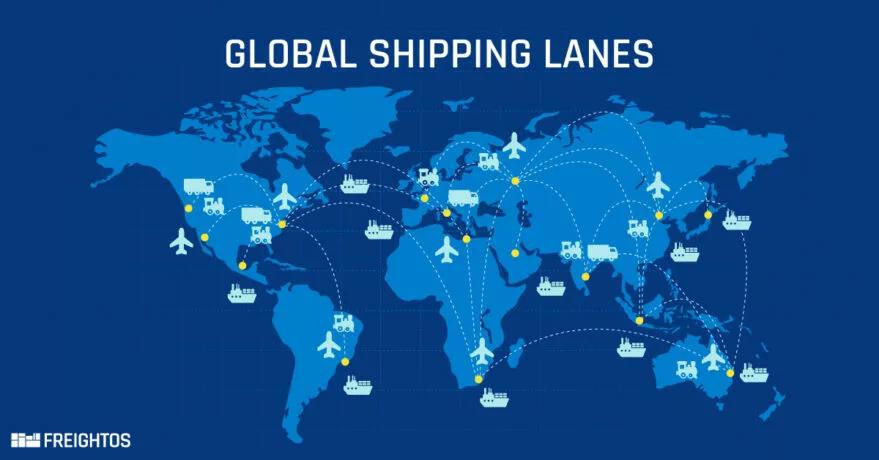
In today’s global marketplace, efficient shipping is crucial for businesses looking to expand their reach and serve customers worldwide. As e-commerce continues to grow, understanding the intricacies of international shipping, including costs, delivery times, and logistics, becomes increasingly important. This article aims to provide a detailed overview of international shipping, focusing on key factors that influence shipping rates, the role of major carriers, and tips for optimizing shipping strategies.

Table of Contents
Understanding International Shipping
International shipping refers to the process of transporting goods across international borders. This process involves various steps, including packaging, documentation, customs clearance, and delivery. The complexity of international shipping can vary significantly based on the destination, the nature of the goods, and the chosen shipping method.
The Importance of Shipping in E-commerce
- Customer Satisfaction: Fast and reliable shipping is a key factor in customer satisfaction. Consumers expect their orders to arrive quickly and in good condition. Businesses that can meet these expectations are more likely to retain customers and encourage repeat purchases.
- Competitive Advantage: In a crowded marketplace, offering competitive shipping options can set a business apart from its competitors. Companies that provide transparent shipping costs and delivery times are more likely to attract customers.
- Global Reach: Effective international shipping allows businesses to tap into new markets and reach customers around the world. This expansion can lead to increased sales and brand recognition.
Factors Influencing International Shipping Rates
Several factors can impact the cost of international shipping. Understanding these factors can help businesses make informed decisions about their shipping strategies.
- Shipping Method
The chosen shipping method significantly affects shipping rates. Common options include:
- Air Freight: Fast but often more expensive, air freight is ideal for urgent shipments. It is commonly used for high-value or time-sensitive goods.
- Ocean Freight: More economical for larger shipments, ocean freight is slower than air freight but can accommodate bulk goods. It is often used for non-urgent shipments.
- Express Services: Carriers like DHL, FedEx, and UPS offer express services that guarantee fast delivery, typically within a few days. These services come at a premium price.
- Package Dimensions and Weight
Shipping costs are often calculated based on the dimensions and weight of the package. Heavier and larger packages typically incur higher shipping fees. Businesses should consider optimizing packaging to reduce costs while ensuring product safety.
- Destination
The destination country plays a crucial role in determining shipping rates. Shipping to remote or less accessible areas may incur additional fees. Additionally, customs regulations and duties can vary by country, impacting the overall cost of shipping.
- Customs Duties and Taxes
When shipping internationally, customs duties and taxes may apply. These fees are determined by the destination country’s regulations and can significantly affect the total shipping cost. Businesses should be aware of these potential charges and communicate them to customers to avoid surprises.
- Carrier Selection
Different carriers offer varying rates and services. Major carriers like DHL, FedEx, UPS, and USPS have their own pricing structures, delivery times, and service levels. Businesses should compare options to find the best fit for their shipping needs.
Major Carriers in International Shipping
Several key players dominate the international shipping landscape. Understanding their services and pricing can help businesses make informed decisions.
Tips for Optimizing International Shipping
To enhance the efficiency and cost-effectiveness of international shipping, businesses can implement several strategies.
- Compare Shipping Rates
Utilize shipping rate comparison tools to evaluate different carriers and services. This can help identify the most cost-effective options for specific shipments.
- Offer Multiple Shipping Options
Providing customers with various shipping options allows them to choose based on their preferences and budget. Offering express, standard, and economy shipping can cater to different customer needs.
- Optimize Packaging
Reducing package size and weight can lead to significant savings in shipping costs. Use lightweight materials and design packaging that minimizes dimensions while ensuring product safety.
- Automate Shipping Processes
Investing in shipping software can streamline the shipping process, from label printing to tracking. Automation can save time and reduce errors, improving overall efficiency.
- Communicate Clearly with Customers
Transparency is key in international shipping. Clearly communicate shipping costs, delivery times, and potential customs fees to customers. This can help manage expectations and enhance customer satisfaction.
Conclusion
International shipping is a vital component of e-commerce, enabling businesses to reach customers around the globe. By understanding the factors that influence shipping rates and leveraging the services of major carriers, businesses can optimize their shipping strategies. Implementing best practices and maintaining clear communication with customers can further enhance the shipping experience, leading to increased satisfaction.
Ready to simplify your international shipping process and discover a wide range of products that can enhance your business? Explore the incredible offerings at https://looperbuy.com/ today!
Related Questions & Answers
· What factors influence international shipping rates? Factors include shipping method, package dimensions and weight, destination, customs duties and taxes, and carrier selection.
· What are the major carriers for international shipping? Major carriers include DHL, FedEx, UPS, and USPS, each offering different services and pricing structures.
· How can I optimize my international shipping process? Consider comparing shipping rates, offering multiple shipping options, optimizing packaging, automating processes, and communicating clearly with customers.
· What is the difference between air freight and ocean freight? Air freight is faster but more expensive, while ocean freight is more economical for larger shipments but takes longer.
· What are customs duties and how do they affect shipping? Customs duties are fees imposed by the destination country on imported goods, which can significantly impact the total shipping cost.
Hot Tags: International Shipping; E-commerce; Shipping Rates; DHL; FedEx; UPS; USPS; Shipping Strategies; Customer Satisfaction