Composition notebooks have been a staple in educational and creative environments for generations. Their distinctive design, practical features, and rich history make them a beloved choice for students, writers, and artists alike. This article delves into the history and evolution of composition notebooks, their design features, various uses, and how they compare to other types of notebooks.
Table of Contents
A Brief History of Composition Notebooks
The origins of composition notebooks can be traced back to the early 19th century. The marbled cover design, which is now iconic, began to emerge in France and Germany during this period. These notebooks were initially crafted using techniques that involved marbling paper, a method that dates back to ancient China and Japan. The unique patterns created through this process not only served an aesthetic purpose but also helped to distinguish these notebooks from others on the market. The craftsmanship involved in creating these covers reflected the artistic sensibilities of the time, making each notebook a unique piece of art.
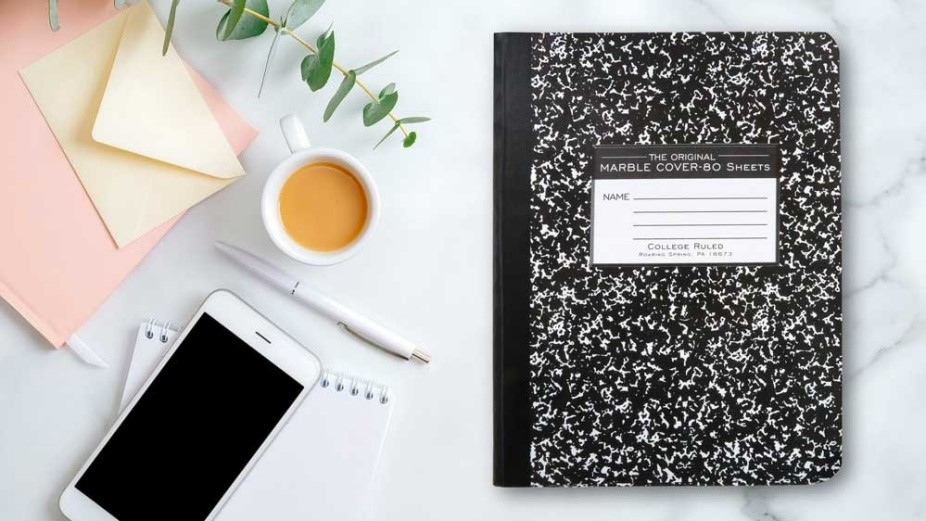
By the late 19th and early 20th centuries, composition notebooks made their way to America, where they quickly gained popularity in schools. The classic black-and-white speckled cover became synonymous with education, symbolizing a reliable tool for recording thoughts and ideas. In the 1970s, companies like Mead began mass-producing these notebooks, solidifying their place in classrooms across the United States. This mass production made composition notebooks accessible to a wider audience, ensuring that they became a fundamental part of the educational experience for countless students.
Design Features of Composition Notebooks
Composition notebooks are characterized by several key design features that contribute to their functionality and appeal.
Cover Design
The most recognizable aspect of a composition notebook is its cover. Traditionally, these notebooks feature a marbled pattern, often in black and white, although modern variations include a wide range of colors and designs. The cover is typically made from a sturdy cardboard material, providing durability and protection for the pages inside. This durability is essential for students who carry their notebooks in backpacks, as it helps prevent wear and tear. Additionally, the cover design has evolved to include various themes and artistic expressions, appealing to a broader audience beyond just students.
Page Layout
Inside, composition notebooks usually contain lined pages, which are ideal for writing. The lines help guide handwriting, making them particularly useful for students learning to write. Many notebooks also include a margin on the left side, which can be used for annotations or notes. This layout encourages organized writing, allowing users to separate their main ideas from supplementary thoughts. Some versions even offer graph paper or blank pages, catering to different writing and drawing needs, thus enhancing their versatility.
Size and Binding
Composition notebooks are generally 9.75 x 7.5 inches in size, making them portable and easy to carry. They are bound using a sewn or glued method, which allows them to lay flat when open, a feature that many users appreciate for ease of writing. This flat-laying design is particularly beneficial for collaborative work, as it allows multiple people to write or draw on the same page without the notebook closing unexpectedly. The size is also perfect for fitting into most bags, making it a convenient choice for students and professionals alike.
Different Uses and Applications
Composition notebooks are incredibly versatile and can be used in various contexts.
Educational Use
In educational settings, composition notebooks are often used for note-taking, journaling, and homework assignments. Their lined pages make them suitable for subjects that require extensive writing, such as literature, history, and science. Many teachers encourage students to use composition notebooks for their daily reflections or as a means to organize their thoughts. The structured format helps students develop their writing skills and encourages them to engage more deeply with the material they are learning. Furthermore, the act of writing by hand has been shown to enhance memory retention, making these notebooks an invaluable tool in the classroom.
Creative Writing
Writers and poets frequently turn to composition notebooks for their creative endeavors. The tactile experience of writing on paper can inspire creativity and help writers connect with their thoughts more deeply. Many authors have shared that they prefer the simplicity of a composition notebook over digital devices, finding that it allows for a more organic writing process. The absence of distractions, such as notifications from electronic devices, enables writers to immerse themselves fully in their work. Additionally, the physical act of writing can stimulate the brain in ways that typing cannot, often leading to more profound insights and ideas.
Art and Sketching
Artists also utilize composition notebooks for sketching and doodling. The blank pages of some versions provide a canvas for drawing, while the lined pages can be used for brainstorming ideas or planning projects. The portability of these notebooks makes them ideal for artists on the go, allowing them to capture inspiration whenever it strikes. Many artists appreciate the durability of the cover, which protects their sketches from damage. Furthermore, the variety of designs available means that artists can choose notebooks that reflect their personal style, making the creative process even more enjoyable.
Journaling and Personal Reflection
Many individuals use composition notebooks for personal journaling. The act of writing down thoughts and feelings can be therapeutic, and the structured format of a composition notebook provides a dedicated space for this practice. Whether for gratitude journaling, daily reflections, or creative writing prompts, these notebooks serve as a reliable companion. The simplicity of the design encourages users to focus on their writing rather than being distracted by elaborate layouts or features. This straightforward approach can foster a deeper connection to one’s thoughts and emotions, making journaling a fulfilling experience.

Comparison with Other Types of Notebooks
When comparing composition notebooks to other types of notebooks, several factors come into play, including design, functionality, and price.
Spiral Notebooks
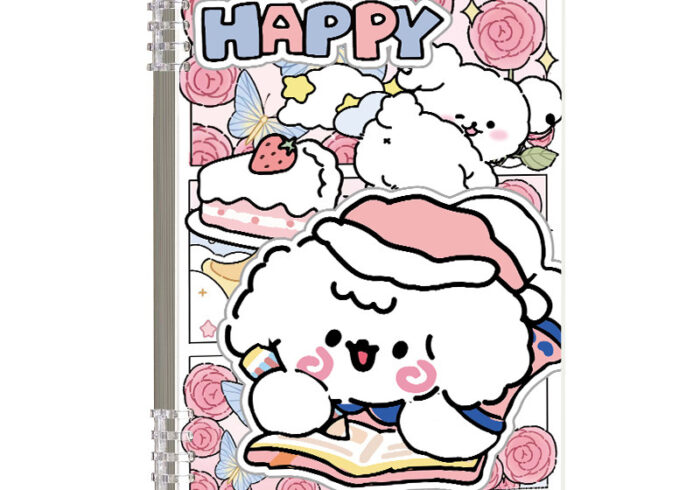
Spiral notebooks are another popular choice, especially among students. They often feature a flexible cover and can lay flat easily. However, they may not be as durable as composition notebooks, which can withstand more wear and tear. Additionally, spiral notebooks typically allow for easy page removal, which can be a benefit for those who need to submit assignments or share notes. However, this feature can also lead to pages being lost or torn out, which is a common concern for students who prefer to keep their notes intact. The choice between spiral and composition notebooks often comes down to personal preference and specific use cases.
Moleskine Notebooks
Moleskine notebooks are known for their high-quality paper and elegant design. They are often favored by professionals and artists who appreciate the premium feel. However, they come at a higher price point compared to composition notebooks, making them less accessible for everyday use. While Moleskine notebooks offer a luxurious writing experience, many users find that the affordability and practicality of composition notebooks make them a more suitable choice for daily tasks. The choice between these two types often reflects the user’s priorities, whether they value luxury or practicality.
Bullet Journals
Bullet journals have gained popularity in recent years for their customizable layouts. While they offer flexibility in design and organization, they require more effort to set up compared to the straightforward format of a composition notebook. For those who prefer a no-frills approach, composition notebooks are a more practical choice. The simplicity of composition notebooks allows users to focus on their writing without the added pressure of creating intricate layouts. This ease of use makes them particularly appealing to those who want to capture their thoughts quickly and efficiently.
Conclusion
Composition notebooks have stood the test of time, remaining a beloved tool for writing, creativity, and organization. Their rich history, practical design features, and versatility make them an essential item for students, writers, and artists alike. Whether used for note-taking in class, journaling personal thoughts, or sketching creative ideas, composition notebooks continue to inspire and facilitate the writing process. As technology evolves, the enduring appeal of these notebooks serves as a reminder of the value of traditional writing methods in a digital age.
Frequently Asked Questions
1. What is the history of composition notebooks?
Composition notebooks originated in the early 19th century, with their iconic marbled covers emerging in France and Germany. They became popular in American schools in the late 19th century.
2. What are the main features of a composition notebook?
Composition notebooks typically have a marbled cover, lined pages, a durable binding, and a standard size of 9.75 x 7.5 inches.
3. How are composition notebooks used in education?
They are commonly used for note-taking, journaling, and homework assignments, providing a structured format for students to organize their thoughts.
4. Can composition notebooks be used for creative writing?
Yes, many writers prefer composition notebooks for their creative work due to the tactile experience of writing on paper, which can enhance creativity.
5. How do composition notebooks compare to other notebooks?
Composition notebooks are generally more durable and affordable than spiral notebooks and Moleskine notebooks, making them a practical choice for everyday use.
How To Purchase:https://looperbuy.com/search?keywords=composition+notebooks