Table of Contents
Introduction to Global Shipping Lines
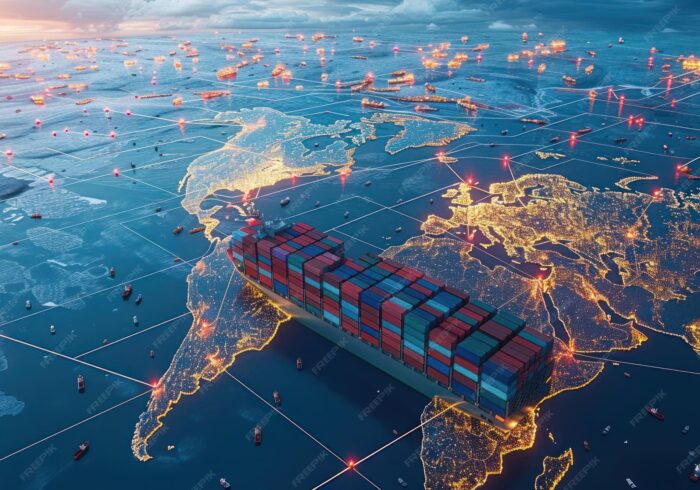
In an increasingly interconnected world, global shipping lines play a crucial role in facilitating international trade. These shipping companies are responsible for transporting goods across vast distances, connecting manufacturers, suppliers, and consumers. As the demand for efficient and reliable shipping solutions grows, understanding the dynamics of global shipping lines becomes essential for businesses and individuals alike.
What is a Global Shipping Line?
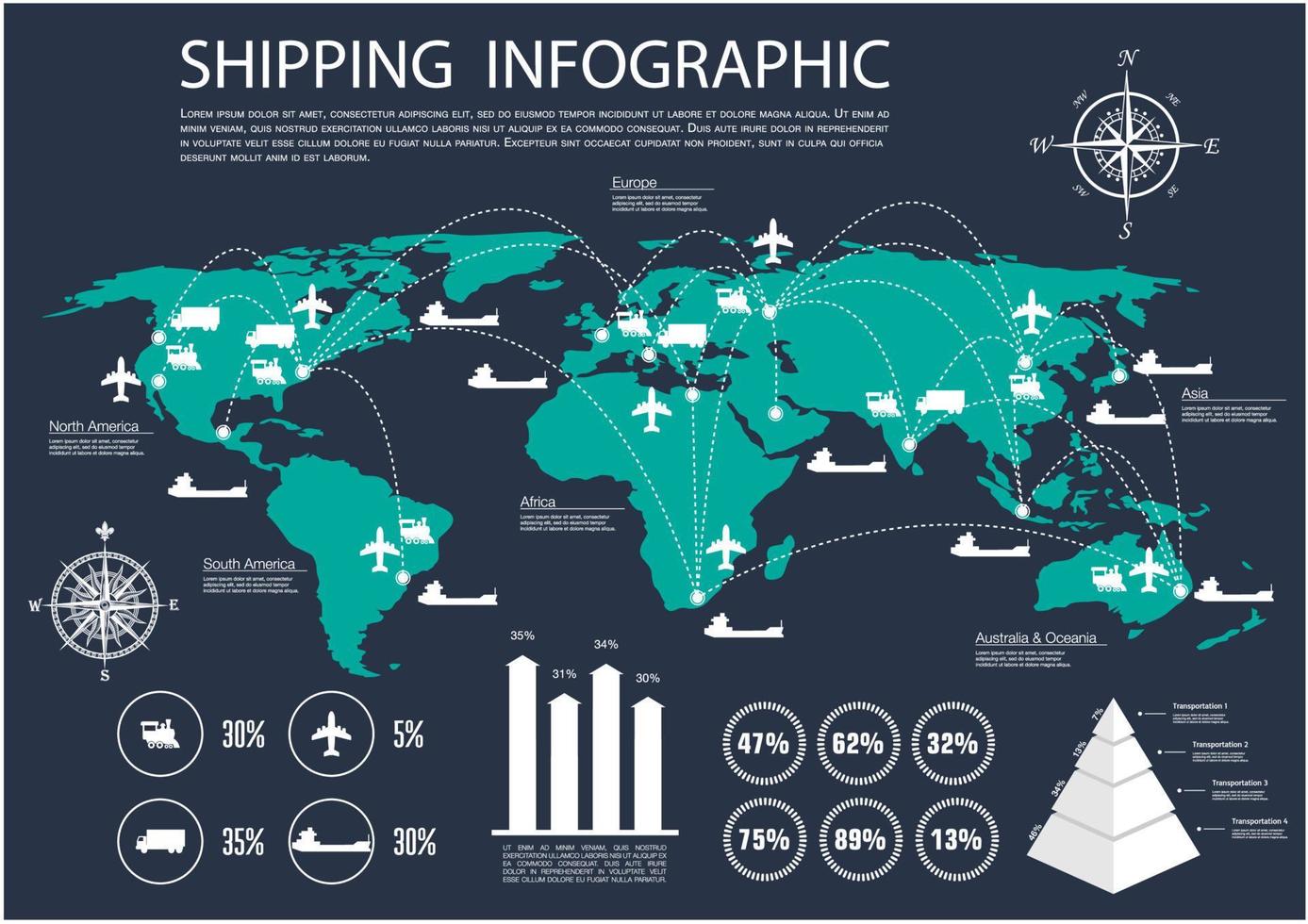
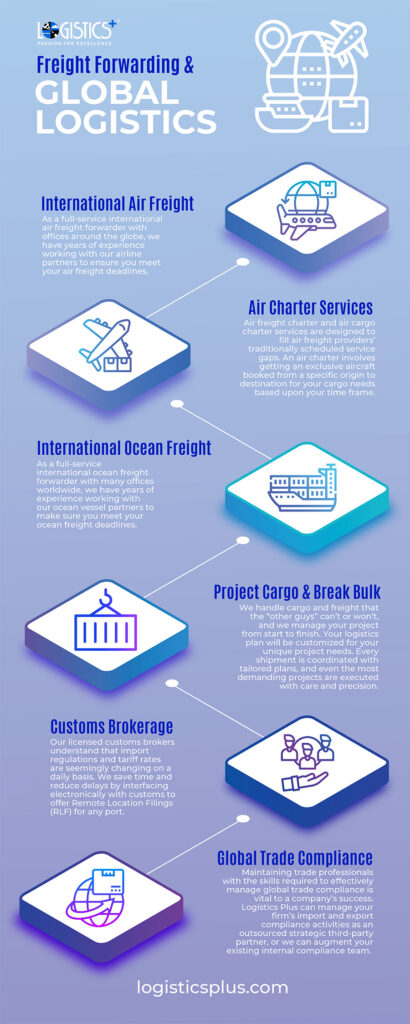
A global shipping line is a company that provides transportation services for goods via sea, air, or land across international borders. These companies operate fleets of vessels, aircraft, and trucks to move cargo from one location to another. They handle various types of shipments, including bulk goods, containerized cargo, and specialized freight, ensuring that products reach their destinations safely and on time.
The Importance of Global Shipping Lines
Facilitating International Trade
Global shipping lines are the backbone of international trade, enabling businesses to access markets around the world. By providing reliable transportation services, these companies help facilitate the exchange of goods and services between countries, contributing to economic growth and development.
Supporting Supply Chain Management
Effective supply chain management relies heavily on the capabilities of global shipping lines. These companies help businesses optimize their logistics operations by offering various shipping options, tracking services, and timely deliveries. This support allows companies to manage their inventory levels, reduce costs, and improve customer satisfaction.
Enhancing Connectivity
Global shipping lines enhance connectivity between regions, making it easier for businesses to source materials and distribute products. This connectivity fosters collaboration and innovation, allowing companies to tap into new markets and expand their reach.
Key Players in the Global Shipping Industry
Major Shipping Companies
The global shipping industry is dominated by several major players, each with its own strengths and specialties. Some of the leading shipping companies include:
- Maersk Line: As one of the largest container shipping companies in the world, Maersk Line operates a vast fleet of vessels and offers comprehensive shipping services across the globe.
- Mediterranean Shipping Company (MSC): MSC is known for its extensive network and commitment to customer service, providing reliable shipping solutions for various cargo types.
- CMA CGM: This French shipping company is recognized for its innovative approach to logistics and sustainability, offering a range of services to meet the needs of its clients.
- Hapag-Lloyd: With a strong presence in Europe and Asia, Hapag-Lloyd specializes in container shipping and provides tailored solutions for its customers.
Emerging Shipping Lines
In addition to established players, several emerging shipping lines are making their mark in the industry. These companies often focus on niche markets or innovative shipping solutions, providing competition and driving advancements in the sector.
Trends Shaping the Future of Global Shipping
Sustainability and Environmental Responsibility
As concerns about climate change and environmental degradation grow, global shipping lines are increasingly adopting sustainable practices. This includes investing in fuel-efficient vessels, reducing emissions, and implementing eco-friendly logistics solutions. Companies that prioritize sustainability are likely to gain a competitive edge in the market.
Technological Advancements
The global shipping industry is undergoing a technological revolution, with advancements in automation, artificial intelligence, and data analytics transforming operations. These technologies enhance efficiency, improve tracking capabilities, and streamline communication between stakeholders, ultimately leading to better service for customers.
E-Commerce Growth
The rise of e-commerce has significantly impacted global shipping lines, as more consumers turn to online shopping for their needs. Shipping companies are adapting to this trend by offering faster delivery options, flexible shipping solutions, and improved tracking systems to meet the demands of e-commerce businesses.
Regulatory Changes
Changes in international trade regulations and customs procedures can have a profound impact on global shipping lines. Companies must stay informed about these changes to ensure compliance and avoid disruptions in their operations. This includes understanding tariffs, trade agreements, and customs requirements in different countries.
Challenges Facing Global Shipping Lines
Capacity Constraints
As global trade continues to grow, shipping lines face capacity constraints due to limited vessel availability and port congestion. These challenges can lead to delays and increased shipping costs, impacting the overall efficiency of the supply chain.
Geopolitical Factors
Geopolitical tensions and trade disputes can disrupt shipping routes and create uncertainty in the market. Shipping companies must navigate these challenges while maintaining their operations and ensuring the timely delivery of goods.
Cybersecurity Threats
With the increasing reliance on technology, global shipping lines are vulnerable to cybersecurity threats. Protecting sensitive data and ensuring the security of digital systems is essential for maintaining trust and reliability in the industry.
Best Practices for Working with Global Shipping Lines
Choose the Right Shipping Partner
Selecting the right shipping partner is crucial for ensuring smooth operations. Consider factors such as reliability, service offerings, and customer support when choosing a global shipping line.
Optimize Shipping Routes
Work with your shipping partner to optimize shipping routes and reduce transit times. This can help lower costs and improve delivery efficiency.
Stay Informed About Regulations
Keep up to date with changes in international trade regulations and customs procedures to ensure compliance and avoid delays in shipments.
Leverage Technology
Utilize technology to enhance communication and tracking capabilities. Implementing digital solutions can streamline operations and improve customer satisfaction.
Conclusion
Global shipping lines play a vital role in facilitating international trade and supporting supply chain management. As the industry continues to evolve, understanding the trends, challenges, and best practices associated with global shipping is essential for businesses looking to thrive in the competitive e-commerce landscape. By leveraging technology, prioritizing sustainability, and choosing the right shipping partners, companies can navigate the complexities of global shipping and position themselves for success.
As you explore the vast opportunities in global shipping, don’t miss out on discovering unique products at competitive prices—visit https://looperbuy.com/ today to elevate your shopping experience!
Related Questions & Answers
· What are the major global shipping companies? Major global shipping companies include Maersk Line, Mediterranean Shipping Company (MSC), CMA CGM, and Hapag-Lloyd, each offering unique services and strengths in the industry.
· How is technology impacting global shipping? Technology is transforming global shipping through automation, artificial intelligence, and data analytics, enhancing efficiency, tracking capabilities, and communication between stakeholders.
· What challenges do global shipping lines face? Global shipping lines face challenges such as capacity constraints, geopolitical factors, and cybersecurity threats, which can disrupt operations and impact service delivery.
· How can businesses optimize their shipping routes? Businesses can optimize shipping routes by collaborating with their shipping partners to identify the most efficient paths, reducing transit times and costs.
· What role does sustainability play in global shipping? Sustainability is becoming increasingly important in global shipping, with companies adopting eco-friendly practices and technologies to reduce emissions and environmental impact.
Hot Tags: Global Shipping; E-Commerce; Shipping Lines; Supply Chain; Logistics; International Trade; Sustainability; Technology; Market Trends