In today’s digital age, smartphones have become an integral part of our daily lives. With their extensive use, the need for protection against scratches, cracks, and other forms of damage has never been more critical. One of the most effective ways to safeguard your device is by using tempered glass screen protectors. This article explores the various types of mobile tempered glass, their features, benefits, and how to choose the right one for your device.
Table of Contents
What is Tempered Glass?
Definition and Composition
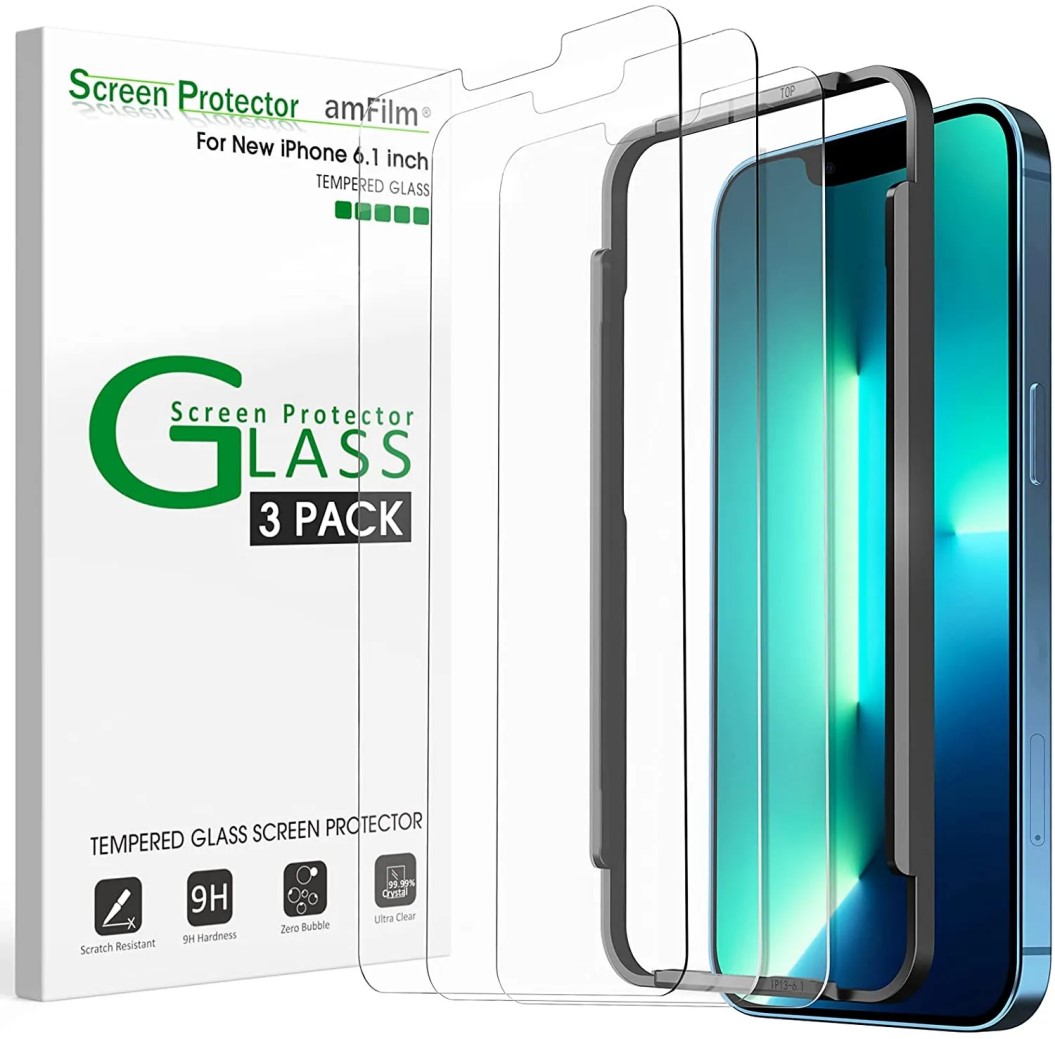
Tempered glass, also known as toughened glass, is a type of safety glass that has been treated with heat or chemicals to increase its strength compared to normal glass. The tempering process involves heating the glass to a high temperature and then rapidly cooling it, which creates internal stresses that enhance its durability. This process makes tempered glass more resistant to impact, thermal stress, and breakage.
Benefits of Tempered Glass
The primary advantage of tempered glass is its strength. It is designed to withstand significant force, making it ideal for protecting smartphone screens. In the event of a break, tempered glass shatters into small, blunt pieces rather than sharp shards, reducing the risk of injury. Additionally, tempered glass offers excellent clarity, allowing users to enjoy the full visual experience of their device without distortion.
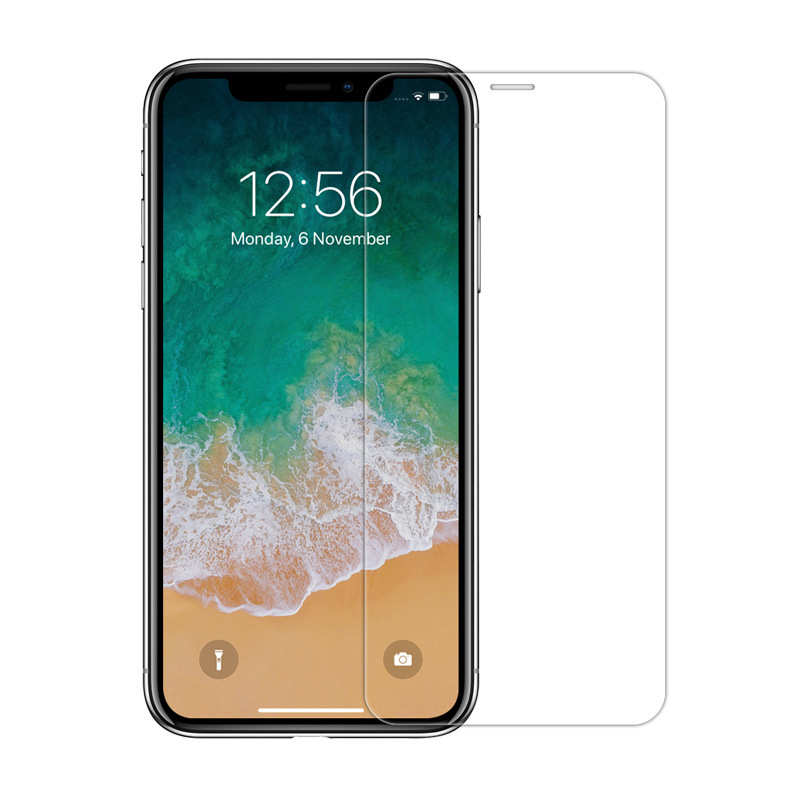
Types of Mobile Tempered Glass
1. Standard Tempered Glass
Standard tempered glass is the most common type of screen protector available. It provides a solid layer of protection against scratches and minor impacts. Typically, standard tempered glass has a thickness of around 0.3 to 0.5 mm, which strikes a balance between protection and maintaining the device’s touch sensitivity.
Features:
- Scratch Resistance: Protects against everyday scratches from keys, coins, and other objects.
- Impact Protection: Absorbs shock from drops and bumps.
- Clarity: Maintains the original display quality of the smartphone.
2. 3D Curved Tempered Glass
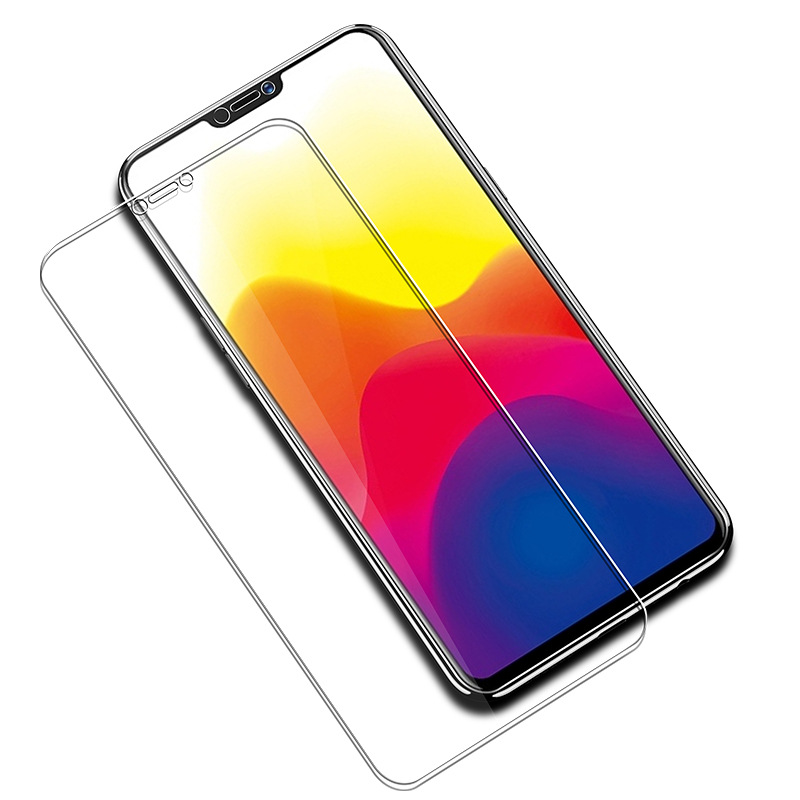
3D curved tempered glass is designed to fit smartphones with curved screens. This type of glass extends to the edges of the device, providing full coverage and a seamless look. The 3D design ensures that the protector adheres well to the screen, reducing the chances of dust and debris getting trapped underneath.
Features:
- Full Coverage: Protects the entire screen, including the edges.
- Enhanced Aesthetics: Offers a sleek, integrated look.
- Touch Sensitivity: Maintains the responsiveness of the touchscreen.
3. Anti-Glare Tempered Glass
Anti-glare tempered glass is specifically designed to reduce reflections and glare, making it easier to use your smartphone in bright lighting conditions. This type of glass is ideal for outdoor use, where sunlight can make screens difficult to read.
Features:
- Reduced Glare: Enhances visibility in bright environments.
- Smooth Surface: Provides a comfortable touch experience.
- Scratch Resistance: Offers the same level of protection as standard tempered glass.
4. Privacy Tempered Glass
Privacy tempered glass is designed to protect your screen from prying eyes. This type of glass has a special coating that limits the viewing angle, ensuring that only the person directly in front of the screen can see the display clearly. This is particularly useful in public places where you may want to keep your information private.
Features:
- Privacy Protection: Limits visibility from side angles.
- Scratch and Impact Resistance: Provides robust protection against damage.
- Easy Installation: Typically comes with adhesive backing for straightforward application.
5. Blue Light Filtering Tempered Glass
Blue light filtering tempered glass is designed to reduce the amount of blue light emitted from your smartphone screen. Prolonged exposure to blue light can cause eye strain and disrupt sleep patterns. This type of glass is ideal for users who spend long hours on their devices.
Features:
- Eye Protection: Reduces blue light exposure.
- Enhanced Comfort: Minimizes eye strain during extended use.
- Durability: Offers the same protective qualities as standard tempered glass.
6. Hybrid Tempered Glass
Hybrid tempered glass combines the benefits of both glass and plastic screen protectors. It is made from a blend of materials that provide flexibility and durability. This type of protector is often thinner than traditional tempered glass, making it a good option for users who prefer a less bulky feel.
Features:
- Flexibility: Offers better shock absorption due to its flexible nature.
- Thin Design: Maintains the sleek profile of the device.
- Good Clarity: Provides clear visibility without distortion.
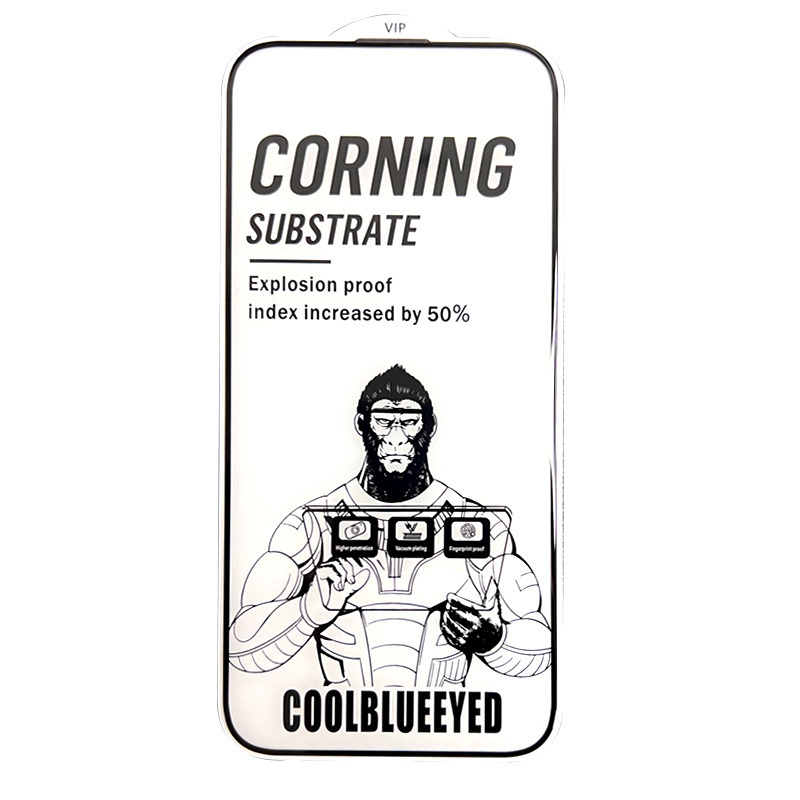
How to Choose the Right Tempered Glass for Your Mobile Device
Consider Your Usage
When selecting a tempered glass protector, consider how you use your smartphone. If you frequently use your device outdoors or in bright environments, an anti-glare or privacy tempered glass may be the best choice. For those who are prone to dropping their phones, a standard or 3D curved tempered glass would provide the necessary protection.
Check Compatibility
Ensure that the tempered glass you choose is compatible with your specific smartphone model. Many manufacturers offer protectors designed for specific devices, ensuring a perfect fit and optimal protection.
Thickness Matters
The thickness of the tempered glass can affect both protection and touch sensitivity. Thicker glass generally offers better protection but may impact the responsiveness of the touchscreen. A thickness of 0.3 to 0.5 mm is typically ideal for balancing protection and usability.
Installation Process
Consider the installation process when choosing a tempered glass protector. Some models come with easy installation kits, while others may require more careful application. Look for options that include alignment tools or adhesive backing for a straightforward installation.
Price and Brand Reputation
Finally, consider the price and reputation of the brand. While it may be tempting to opt for the cheapest option, investing in a reputable brand can ensure better quality and durability. Read reviews and seek recommendations to find a trusted manufacturer.

Conclusion
Mobile tempered glass protectors are essential accessories for safeguarding your smartphone screens from damage. With various types available, including standard, 3D curved, anti-glare, privacy, blue light filtering, and hybrid options, there is a suitable choice for every user. By understanding the features and benefits of each type, you can make an informed decision that best meets your needs.
How to purchase:Online B2B sourcing platform, China purchase, Chinese suppliers – LooperBuy
Frequently Asked Questions
1. What is the main advantage of using tempered glass over plastic screen protectors?
Tempered glass offers superior protection against scratches and impacts, and it shatters into blunt pieces rather than sharp shards, making it safer.
2. How do I install a tempered glass screen protector?
Most tempered glass protectors come with adhesive backing and installation kits. Clean your screen, align the protector carefully, and press it down to adhere.
3. Can I use a tempered glass protector on a phone with a curved screen?
Yes, 3D curved tempered glass protectors are specifically designed to fit devices with curved screens, providing full coverage.
4. Do privacy tempered glass protectors affect screen clarity?
Privacy tempered glass protectors may slightly reduce clarity when viewed from angles, but they maintain excellent visibility when viewed directly.
5. How often should I replace my tempered glass screen protector?
Replace your tempered glass protector if it becomes cracked, chipped, or shows significant wear. Regularly inspect it for any signs of damage.
HOT TAG: mobile tempered glass types, screen protector benefits, anti-glare options, privacy glass features, blue light filtering, installation tips, smartphone protection, durability comparison, hybrid glass advantages, user guide for tempered glass, choosing the right protector, impact resistance, clarity and touch sensitivity.