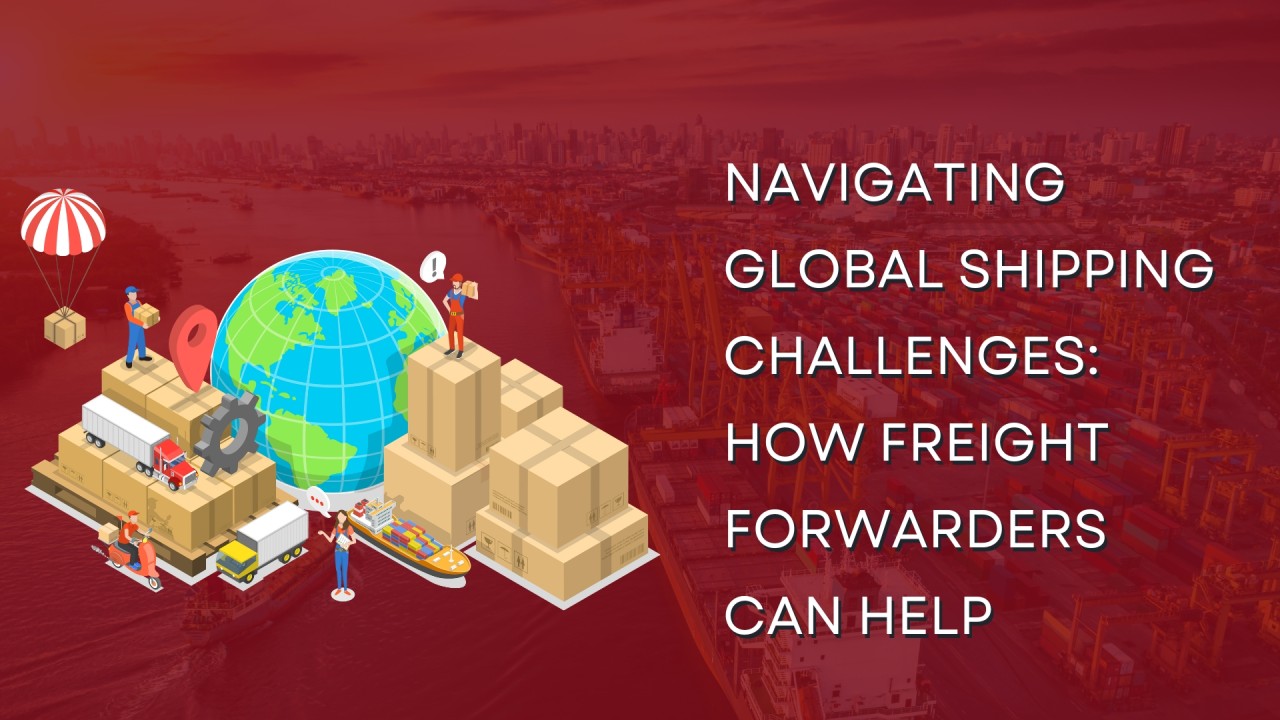
In an increasingly interconnected world, global shipping and freight services play a crucial role in facilitating international trade. Businesses of all sizes rely on efficient shipping solutions to deliver products to customers across borders. This article will explore the intricacies of global shipping and freight, the various modes of transportation, and the challenges and strategies involved in managing international logistics.

Table of Contents
Understanding Global Shipping and Freight
What is Global Shipping?
Global shipping refers to the process of transporting goods from one country to another. This can involve various modes of transportation, including air, sea, rail, and road. The goal of global shipping is to ensure that products reach their destination safely and efficiently, regardless of the distance or mode of transport.
The Role of Freight in Global Shipping
Freight refers to the goods transported via shipping services. It encompasses a wide range of products, from raw materials to finished goods. Freight can be classified into several categories, including:
- Bulk Freight: Large quantities of goods, such as grains or minerals, transported in bulk.
- Containerized Freight: Goods packed in containers for easier handling and transport.
- Breakbulk Freight: Individual items that are not containerized and require special handling.
Modes of Transportation in Global Shipping
Air Freight
Air freight is one of the fastest modes of transportation for global shipping. It is ideal for perishable goods, high-value items, and time-sensitive shipments. However, air freight can be more expensive than other options, making it suitable for specific types of cargo.
Advantages of Air Freight
- Speed: Air freight is the quickest way to transport goods internationally.
- Reliability: Airlines typically have strict schedules, ensuring timely deliveries.
- Security: Air cargo is often subject to stringent security measures, reducing the risk of theft or damage.
Sea Freight
Sea freight is the most common method for transporting large volumes of goods internationally. It is cost-effective for bulk shipments and can accommodate a wide range of cargo types.
Advantages of Sea Freight
- Cost-Effectiveness: Sea freight is generally cheaper than air freight, especially for large shipments.
- Capacity: Ships can carry a significant amount of cargo, making it suitable for bulk goods.
- Environmental Impact: Shipping by sea has a lower carbon footprint compared to air transport.
Road Freight
Road freight involves transporting goods by truck or lorry. It is often used for domestic shipping and can also be part of an international supply chain.
Advantages of Road Freight
- Flexibility: Road transport can reach remote areas that may not be accessible by other means.
- Door-to-Door Service: Trucks can deliver goods directly to the customer’s location.
- Cost-Effective for Short Distances: Road freight is often more economical for shorter distances compared to other modes.
Rail Freight
Rail freight is a reliable and efficient way to transport goods overland, particularly for long distances. It is commonly used for bulk commodities and heavy goods.
Advantages of Rail Freight
- Efficiency: Trains can carry large quantities of goods over long distances with minimal delays.
- Cost-Effectiveness: Rail transport is often cheaper than road transport for bulk shipments.
- Environmental Benefits: Rail freight has a lower carbon footprint compared to road transport.
Challenges in Global Shipping and Freight
Customs Regulations
Navigating customs regulations can be one of the most significant challenges in global shipping. Each country has its own rules regarding imports and exports, and failure to comply can result in delays or fines.
Shipping Costs
Shipping costs can vary significantly based on factors such as distance, mode of transport, and the nature of the goods. Businesses must carefully manage these costs to maintain profitability.
Supply Chain Disruptions
Global events, such as natural disasters, political instability, or pandemics, can disrupt supply chains and impact shipping schedules. Businesses must be prepared to adapt to these challenges.
Strategies for Successful Global Shipping
Optimize Your Supply Chain
To ensure efficient global shipping, businesses should optimize their supply chains by:
- Choosing the Right Shipping Partners: Partner with reliable carriers that offer competitive rates and services.
- Implementing Technology: Use logistics software to track shipments, manage inventory, and streamline operations.
Understand Your Market
Conduct thorough market research to understand the needs and preferences of your target audience. This knowledge can help you tailor your shipping strategies to meet customer expectations.
Focus on Customer Service
Providing excellent customer service is essential for building trust and loyalty. Keep customers informed about their shipments and address any concerns promptly.
Conclusion
Global shipping and freight are vital components of international trade, enabling businesses to reach customers around the world. By understanding the various modes of transportation, navigating challenges, and implementing effective strategies, companies can successfully manage their global shipping operations and thrive in the competitive marketplace.
Experience seamless global shipping with unbeatable prices on unique products that cater to your needs! Discover the amazing deals at https://looperbuy.com/ today!
Related Questions & Answers
· What are the most cost-effective ways to offer global shipping? Businesses can negotiate rates with shipping carriers, use technology to optimize routes, and consider bulk shipping options to reduce costs.
· How can businesses handle customs and duties when offering global shipping? It’s essential to understand the customs regulations of each destination country and ensure that all necessary documentation is prepared to avoid delays.
· What are the best strategies for managing returns and refunds with global shipping? Establish clear return policies, communicate them to customers, and work with logistics partners to streamline the return process.
· How can technology improve global shipping operations? Technology can enhance tracking, inventory management, and communication with customers, leading to more efficient shipping processes.
· What factors should businesses consider when choosing a shipping partner? Consider the shipping partner’s reliability, cost, delivery times, and customer service reputation to ensure a good fit for your business needs.
Hot Tags: Global Shipping; Freight Services; International Logistics; Air Freight; Sea Freight; Road Freight; Rail Freight; Customs Regulations; Supply Chain Management