Table of Contents
Introduction to Global Shipping Addresses
In today’s interconnected world, the ability to ship products globally has become a crucial aspect of e-commerce. A global shipping address is essential for businesses and consumers alike, enabling seamless transactions across borders. This article will explore what a global shipping address is, its importance, how to set one up, and the challenges associated with international shipping.
What is a Global Shipping Address?
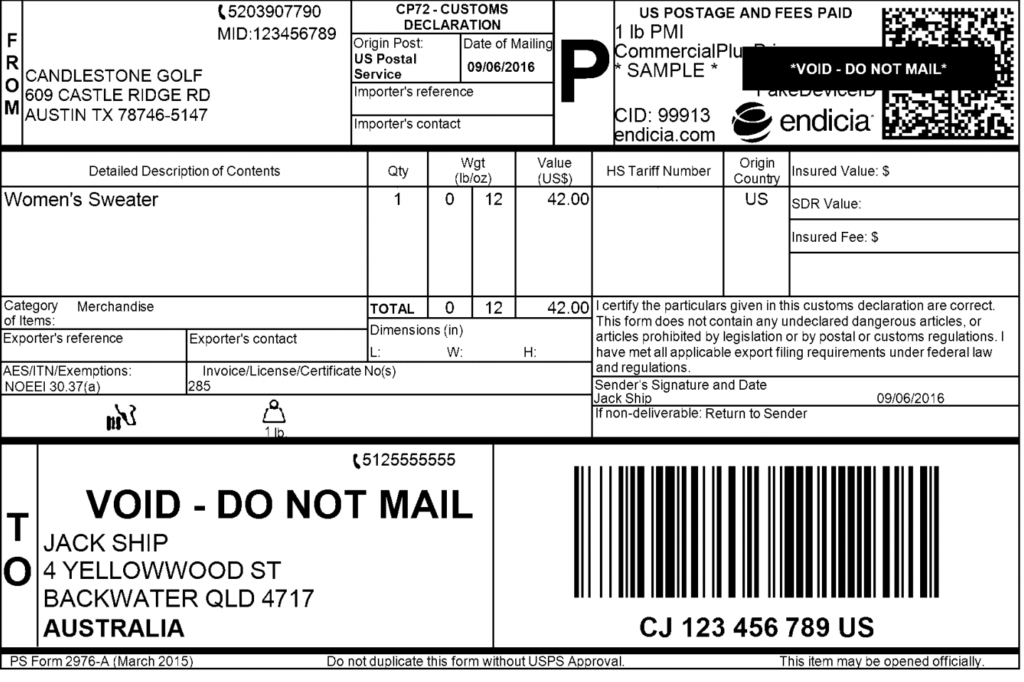
A global shipping address refers to a specific location where goods can be delivered internationally. This address is crucial for online shoppers who wish to purchase products from foreign retailers. It typically includes the recipient’s name, street address, city, postal code, and country. Understanding how to use and manage a global shipping address can significantly enhance the online shopping experience.
Components of a Global Shipping Address
A complete global shipping address generally consists of the following components:
- Recipient Name: The name of the person or organization receiving the package.
- Street Address: The specific location where the package will be delivered, including any apartment or suite numbers.
- City: The city where the recipient resides.
- Postal Code: A numerical code that helps identify the specific area for delivery.
- Country: The country where the package is being sent.
Importance of Global Shipping Addresses
Global shipping addresses are vital for several reasons:
- Facilitating International Transactions: They enable businesses to sell products to customers worldwide, expanding their market reach.
- Ensuring Accurate Deliveries: A well-defined shipping address minimizes the risk of delivery errors, ensuring that packages reach the correct destination.
- Enhancing Customer Experience: Providing customers with the option to ship internationally can improve satisfaction and loyalty.
How to Set Up a Global Shipping Address
Setting up a global shipping address is a straightforward process. Here are the steps to follow:
Step 1: Choose a Reliable Shipping Service
Select a shipping service that offers international delivery options. Research their rates, delivery times, and reliability to find the best fit for your needs.
Step 2: Create an Account
Many shipping services require users to create an account to manage their shipments. This account will allow you to track packages, manage shipping addresses, and access customer support.
Step 3: Enter Your Shipping Information
When setting up your global shipping address, ensure that you provide accurate and complete information. Double-check the spelling of names, street addresses, and postal codes to avoid delivery issues.
Step 4: Use a Shipping Forwarder (if necessary)
If you frequently shop from international retailers that do not ship to your country, consider using a shipping forwarder. These services provide you with a local address in the country of the retailer, which they then forward to your actual address. This can be a cost-effective solution for accessing products not available in your region.
Step 5: Keep Your Address Updated
If you move or change your contact information, be sure to update your global shipping address with your shipping service and any online retailers you frequently shop from. This will help prevent delivery delays and ensure that packages reach you without issues.
Challenges of Global Shipping Addresses
While global shipping addresses facilitate international transactions, they also come with challenges. Understanding these challenges can help businesses and consumers navigate the complexities of international shipping.
Customs Regulations
Different countries have varying customs regulations that can affect the delivery of packages. Understanding these regulations is crucial to avoid delays or additional fees. Some items may be restricted or prohibited from entering certain countries, so it’s essential to research these rules before making a purchase.
Shipping Costs
International shipping can be expensive, and costs can vary significantly depending on the shipping service, package weight, and destination. It’s important to factor in these costs when making purchasing decisions.
Delivery Times
Shipping times can vary widely for international deliveries. Factors such as customs processing, distance, and the shipping service used can all impact how long it takes for a package to arrive. Customers should be aware of these variables when placing orders.
Language Barriers
When dealing with international shipping, language barriers can pose challenges. Miscommunication can lead to errors in shipping addresses or misunderstandings about delivery times. Using clear and concise language when providing shipping information can help mitigate these issues.
Tracking and Customer Support
Tracking international shipments can sometimes be complicated, especially if the shipping service does not provide real-time updates. Additionally, customer support may be limited for international orders, making it difficult to resolve issues that arise during the shipping process.
Best Practices for Using Global Shipping Addresses
To ensure a smooth experience when using global shipping addresses, consider the following best practices:
Double-Check Your Address
Always double-check your shipping address before finalizing a purchase. Small errors can lead to significant delays or lost packages.
Research Shipping Options
Take the time to research different shipping options and their associated costs. Some services may offer faster delivery times or better tracking capabilities, which can enhance your overall experience.
Understand Customs Fees
Be aware of any potential customs fees that may apply to your order. Researching these fees in advance can help you avoid unexpected costs upon delivery.
Keep Records
Maintain records of your orders, including shipping confirmations and tracking numbers. This information can be invaluable if you need to follow up on a shipment or resolve an issue.
Communicate with Sellers
If you have questions or concerns about shipping, don’t hesitate to reach out to the seller. Clear communication can help ensure that your order is processed smoothly.
Conclusion
In conclusion, understanding global shipping addresses is essential for anyone looking to engage in international e-commerce. By knowing how to set up and manage a global shipping address, consumers can enjoy a seamless shopping experience while businesses can expand their reach to customers worldwide. Despite the challenges associated with international shipping, following best practices can help mitigate potential issues and enhance satisfaction.
Experience hassle-free international shopping with a global shipping address that opens doors to countless products—visit https://looperbuy.com/ today and start exploring!
Related Questions & Answers
· What are the most profitable niches for drop shipping in 2024? Some of the most profitable niches for drop shipping in 2024 include eco-friendly products, health and wellness items, tech gadgets, and home improvement tools.
· How can I automate my drop shipping business to improve efficiency? You can automate your drop shipping business by using software tools for inventory management, order processing, and customer relationship management, which can streamline operations and save time.
· What legal considerations should I be aware of when starting a drop shipping business? Legal considerations include understanding tax obligations, complying with consumer protection laws, and ensuring that your business adheres to international shipping regulations.
· How do I choose the right shipping service for international deliveries? Consider factors such as shipping rates, delivery times, reliability, and customer reviews when choosing a shipping service for international deliveries.
· What should I do if my international shipment is delayed? If your international shipment is delayed, check the tracking information, contact the shipping service for updates, and reach out to the seller for assistance if necessary.
Hot Tags: Global Shipping; International Shipping; E-commerce; Shipping Address; Customs Regulations; Shipping Costs; Delivery Times; Shipping Forwarder; Online Shopping