Table of Contents
Introduction to Global Shipping Chokepoints
In the realm of international trade, global shipping chokepoints play a critical role in the efficiency and reliability of supply chains. These chokepoints are strategic locations where the flow of goods is significantly constrained, often leading to delays and increased costs. Understanding these chokepoints is essential for businesses, policymakers, and logistics professionals who aim to navigate the complexities of global shipping effectively. This article will explore the concept of global shipping chokepoints, identify key locations, analyze their impact on trade, and discuss potential solutions to mitigate the challenges they present.

What Are Global Shipping Chokepoints?
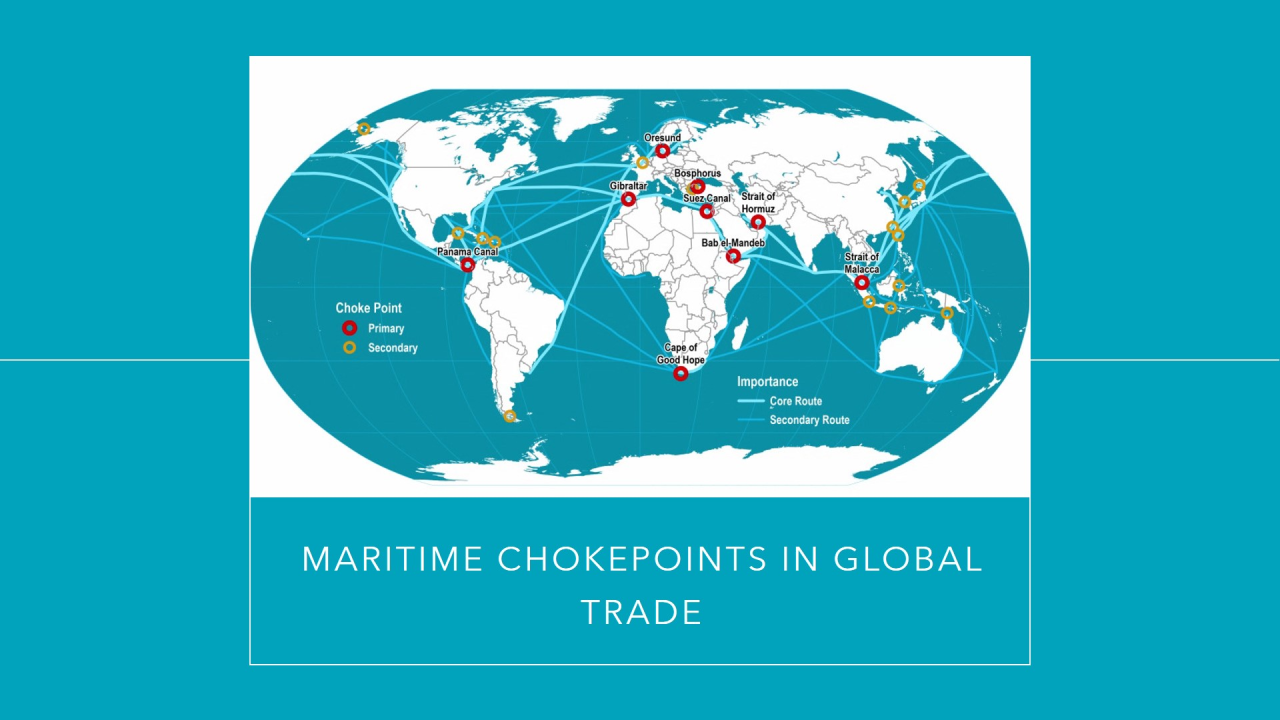
Global shipping chokepoints refer to specific geographic locations where shipping traffic is concentrated, leading to potential bottlenecks in the movement of goods. These chokepoints can be natural features, such as narrow straits or canals, or man-made infrastructures, such as ports and terminals. The significance of these chokepoints lies in their ability to influence global trade patterns, shipping costs, and delivery times.
Characteristics of Chokepoints
- High Traffic Volume: Chokepoints typically experience a high volume of shipping traffic, making them critical nodes in global supply chains.
- Limited Capacity: Many chokepoints have limited capacity, which can lead to congestion and delays during peak shipping periods.
- Strategic Importance: The strategic location of chokepoints often makes them vital for international trade, as they connect major shipping routes.
Key Global Shipping Chokepoints
Panama Canal
The Panama Canal is one of the most significant shipping chokepoints in the world. It connects the Atlantic and Pacific Oceans, allowing vessels to avoid the lengthy and treacherous journey around South America.
Impact on Trade
- Time Savings: The canal significantly reduces travel time for ships, facilitating faster delivery of goods.
- Economic Importance: The canal is a vital artery for global trade, with a substantial percentage of the world’s cargo passing through it.
The Suez Canal
The Suez Canal is another critical chokepoint, linking the Mediterranean Sea to the Red Sea. It serves as a major route for ships traveling between Europe and Asia.
Impact on Trade
- Trade Volume: A significant portion of global trade, including oil and consumer goods, transits through the Suez Canal.
- Vulnerability: The canal’s strategic importance also makes it vulnerable to geopolitical tensions and disruptions.
The Strait of Hormuz
The Strait of Hormuz is a narrow passage that connects the Persian Gulf to the Arabian Sea. It is one of the world’s most crucial chokepoints for oil transportation.
Impact on Trade
- Oil Supply: Approximately 20% of the world’s oil supply passes through this strait, making it vital for energy security.
- Geopolitical Risks: Tensions in the region can lead to significant disruptions in oil shipments, affecting global markets.
The Strait of Malacca
The Strait of Malacca is a narrow waterway between the Malay Peninsula and the Indonesian island of Sumatra. It is a key shipping route for vessels traveling between the Indian Ocean and the South China Sea.
Impact on Trade
- Shipping Traffic: The strait is one of the busiest shipping lanes in the world, with a high volume of container ships and oil tankers.
- Piracy Concerns: The strait has been associated with piracy, which poses risks to shipping security.
The Bosporus Strait
The Bosporus Strait connects the Black Sea to the Sea of Marmara and is a vital chokepoint for shipping traffic in and out of the Black Sea region.
Impact on Trade
- Regional Trade: The strait is crucial for the transportation of goods, including agricultural products and energy resources.
- Environmental Concerns: Increased shipping traffic raises environmental concerns, including pollution and the risk of accidents.
Challenges Posed by Global Shipping Chokepoints
- Congestion and Delays
One of the primary challenges associated with global shipping chokepoints is congestion. High traffic volumes can lead to delays in the movement of goods, impacting supply chains and increasing costs for businesses.
- Increased Shipping Costs
Congestion and delays often result in increased shipping costs. When vessels are delayed at chokepoints, shipping companies may incur additional fees, which can be passed on to consumers.
- Geopolitical Risks
Many chokepoints are located in regions prone to geopolitical tensions. Conflicts, sanctions, or political instability can disrupt shipping routes, leading to significant delays and increased costs.
- Environmental Impact
The concentration of shipping traffic at chokepoints can have adverse environmental effects. Increased emissions from vessels and the risk of oil spills pose significant challenges for sustainability.
Solutions to Mitigate Chokepoint Challenges
Infrastructure Investment
Investing in infrastructure improvements at chokepoints can help alleviate congestion and enhance capacity. Expanding ports, upgrading facilities, and improving navigational aids can facilitate smoother shipping operations.
Diversification of Shipping Routes
Encouraging the use of alternative shipping routes can help reduce pressure on congested chokepoints. For example, developing new trade routes or enhancing rail and road connections can provide additional options for transporting goods.
Technological Innovations
Leveraging technology can improve the efficiency of shipping operations. Implementing advanced tracking systems, optimizing shipping schedules, and utilizing data analytics can help streamline logistics and reduce delays.
International Cooperation
Collaboration among countries and stakeholders is essential for addressing the challenges posed by global shipping chokepoints. Establishing agreements for shared resources, security measures, and environmental protections can enhance the resilience of shipping networks.
Conclusion
Global shipping chokepoints are critical components of international trade, influencing the flow of goods and the efficiency of supply chains. Understanding these chokepoints, their challenges, and potential solutions is essential for businesses and policymakers alike. By investing in infrastructure, diversifying shipping routes, and leveraging technology, stakeholders can work together to mitigate the impact of chokepoints on global trade.
Discover a world of convenience and unbeatable prices for all your shipping needs at https://looperbuy.com/!
Related Questions & Answers
· What are the common challenges faced when using free drop shipping companies? Common challenges include limited product quality, shipping delays, and reliance on third-party suppliers for inventory management.
· How can I ensure product quality when using free drop shipping services? To ensure product quality, research suppliers, read reviews, and order samples before listing products in your store.
· What are the legal considerations for running a drop shipping business? Legal considerations include understanding tax obligations, complying with consumer protection laws, and ensuring proper licensing for your business.
· How do global shipping chokepoints affect shipping times? Global shipping chokepoints can lead to delays due to congestion, increased traffic, and geopolitical tensions, impacting overall shipping times.
· What measures can be taken to improve shipping efficiency at chokepoints? Measures include investing in infrastructure, utilizing technology for better logistics management, and promoting international cooperation among stakeholders.
Hot Tags: Global Shipping Chokepoints; International Trade; Supply Chain Management; Shipping Infrastructure; Geopolitical Risks; Shipping Costs; Environmental Impact; Trade Routes; Logistics Solutions