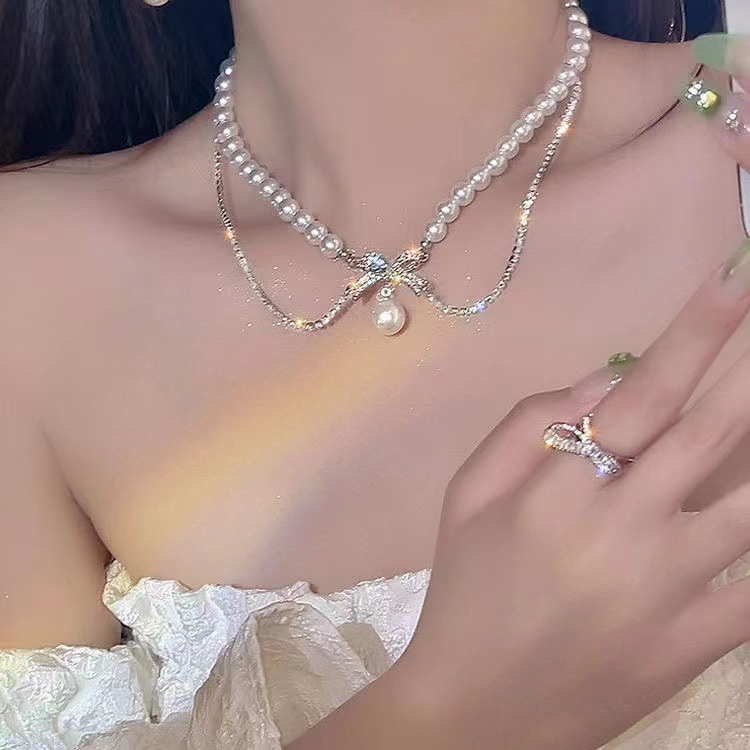
In the world of fine jewelry, few combinations are as classic and elegant as diamond and pearl necklaces. These exquisite pieces not only enhance the beauty of the wearer but also carry a rich history and symbolism that transcends time. This article explores the allure of diamond and pearl necklaces, their design variations, care tips, and the significance they hold in various cultures.
Table of Contents
The Allure of Diamonds and Pearls
A Perfect Pairing
Diamonds and pearls have long been celebrated for their beauty and rarity. Diamonds, known as the “king of gemstones,” symbolize strength, purity, and eternal love. Their brilliance and fire make them a favorite choice for jewelry, especially in engagement rings and necklaces. Pearls, on the other hand, are unique in that they are the only gemstones created by living creatures. They symbolize wisdom, purity, and femininity, making them a timeless choice for women of all ages.
The combination of diamonds and pearls in a necklace creates a stunning contrast. The sparkle of diamonds complements the soft luster of pearls, resulting in a piece that is both eye-catching and sophisticated. This pairing has been favored by royalty and celebrities alike, making it a staple in high-end jewelry collections.
Historical Significance
The history of diamond and pearl jewelry dates back centuries. Pearls were highly prized in ancient civilizations, often associated with royalty and wealth. The Romans believed pearls were the tears of the gods, while in ancient China, they were considered symbols of purity and perfection. Diamonds, discovered in India over 2,000 years ago, were initially used as talismans and later became symbols of power and status.
Throughout history, diamond and pearl necklaces have adorned the necks of queens and empresses. For instance, Queen Elizabeth I of England was known for her extravagant pearl jewelry, while the famous “La Peregrina” pearl necklace was worn by several notable figures, including actress Elizabeth Taylor. These historical connections add depth and significance to modern diamond and pearl necklaces.
Design Variations
Classic Styles
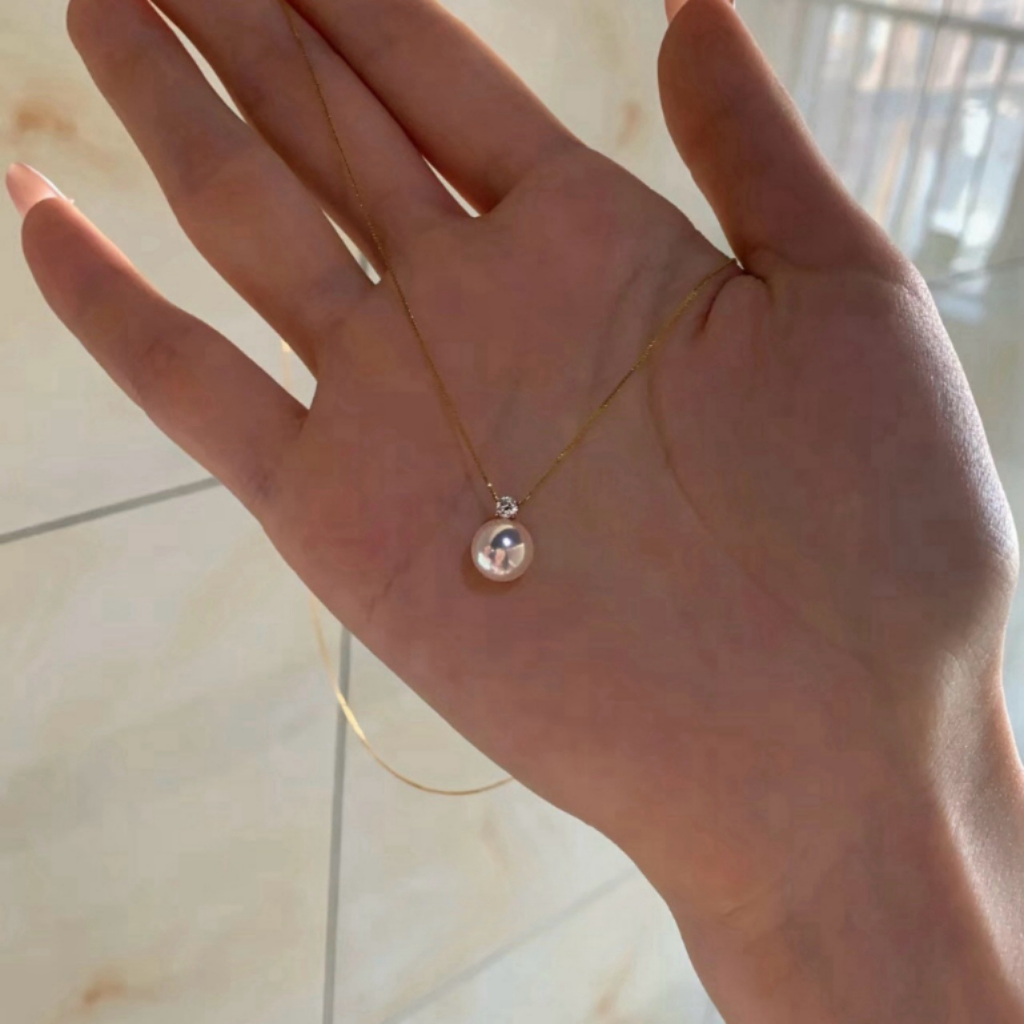
Diamond and pearl necklaces come in various designs, each with its unique charm. Classic styles often feature a single strand of pearls with diamond accents. This timeless look is perfect for formal occasions and can be worn with both evening gowns and elegant daywear. The simplicity of a classic design allows the beauty of the pearls and diamonds to shine without overwhelming the wearer.
Contemporary Designs
Modern jewelry designers have embraced the combination of diamonds and pearls, creating innovative and contemporary styles. These designs may incorporate asymmetrical arrangements, mixed materials, and unique settings. For example, a necklace may feature a cluster of pearls surrounded by a halo of diamonds, creating a striking focal point. Such contemporary pieces appeal to those looking for something unique and fashionable.
Statement Necklaces
For those who wish to make a bold statement, oversized diamond and pearl necklaces are an excellent choice. These pieces often feature large, lustrous pearls paired with substantial diamond settings. Statement necklaces can transform a simple outfit into a glamorous ensemble, making them perfect for special occasions such as weddings, galas, or red carpet events.
Custom Designs
Many jewelers offer custom design services, allowing individuals to create a one-of-a-kind diamond and pearl necklace. This option is ideal for those who want to incorporate personal elements, such as birthstones or specific design motifs. Custom pieces can be tailored to reflect the wearer’s style and preferences, making them even more special.
Caring for Your Diamond and Pearl Necklace
Cleaning and Maintenance
To keep your diamond and pearl necklace looking its best, regular cleaning and maintenance are essential. Diamonds are durable and can withstand everyday wear, but pearls require more delicate care. Here are some tips for maintaining your necklace:
- Cleaning Diamonds: Use a soft cloth to wipe down your diamonds after each wear. For a deeper clean, soak the necklace in a solution of warm water and mild soap for a few minutes, then gently scrub with a soft brush. Rinse thoroughly and dry with a soft cloth.
- Caring for Pearls: Pearls are sensitive to chemicals and can be damaged by harsh cleaners. To clean pearls, use a damp cloth to wipe them gently. Avoid soaking them in water, as this can weaken the silk thread that holds them together. It’s also advisable to store pearls separately from other jewelry to prevent scratches.
Storage Tips
Proper storage is crucial for maintaining the quality of your diamond and pearl necklace. Here are some storage tips:
- Use a Jewelry Box: Store your necklace in a soft-lined jewelry box to protect it from dust and scratches. Avoid storing it in direct sunlight, as this can fade the luster of the pearls.
- Separate Storage: If your necklace has multiple strands or intricate designs, consider storing it in a separate compartment or using a jewelry pouch to prevent tangling and damage.
- Regular Inspections: Periodically check the clasp and settings of your necklace to ensure they are secure. If you notice any loose stones or damage, take the necklace to a professional jeweler for repair.
The Symbolism of Diamond and Pearl Necklaces
Love and Commitment
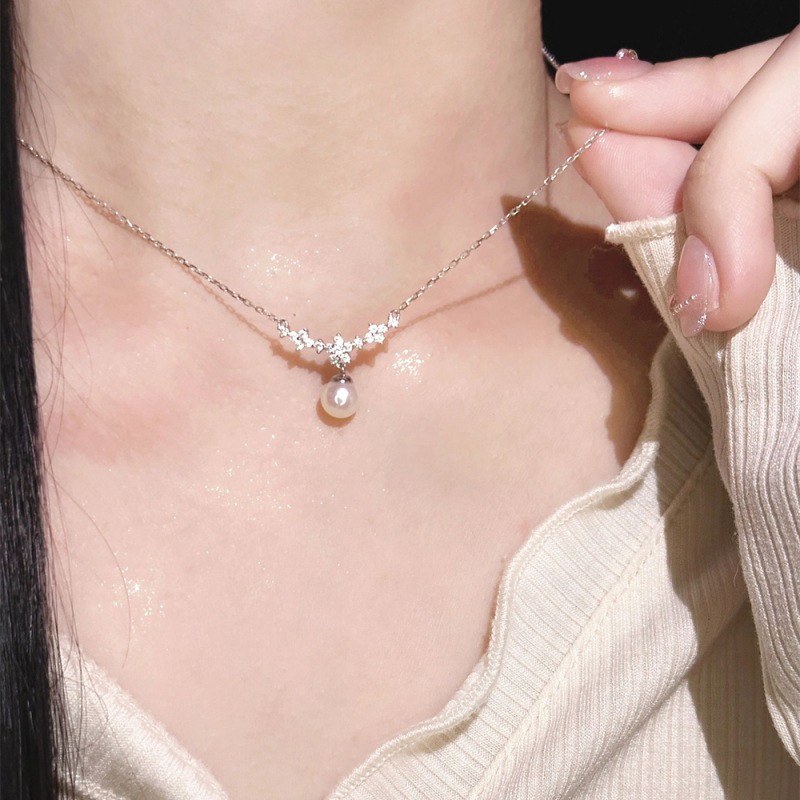
Diamond and pearl necklaces are often given as gifts to symbolize love and commitment. They are popular choices for anniversaries, weddings, and other significant milestones. The combination of diamonds and pearls represents the union of strength and purity, making it a meaningful gift for a loved one.
Cultural Significance
In various cultures, diamonds and pearls hold special meanings. For instance, in Western cultures, pearls are traditionally associated with weddings, symbolizing purity and innocence. Diamonds, often referred to as “forever stones,” are synonymous with eternal love and commitment. Together, they create a powerful symbol of love and devotion.
Fashion Statements
Beyond their symbolic meanings, diamond and pearl necklaces are also fashion statements. They can elevate any outfit, adding a touch of elegance and sophistication. Whether worn casually or for formal occasions, these necklaces enhance the wearer’s style and confidence.
Conclusion
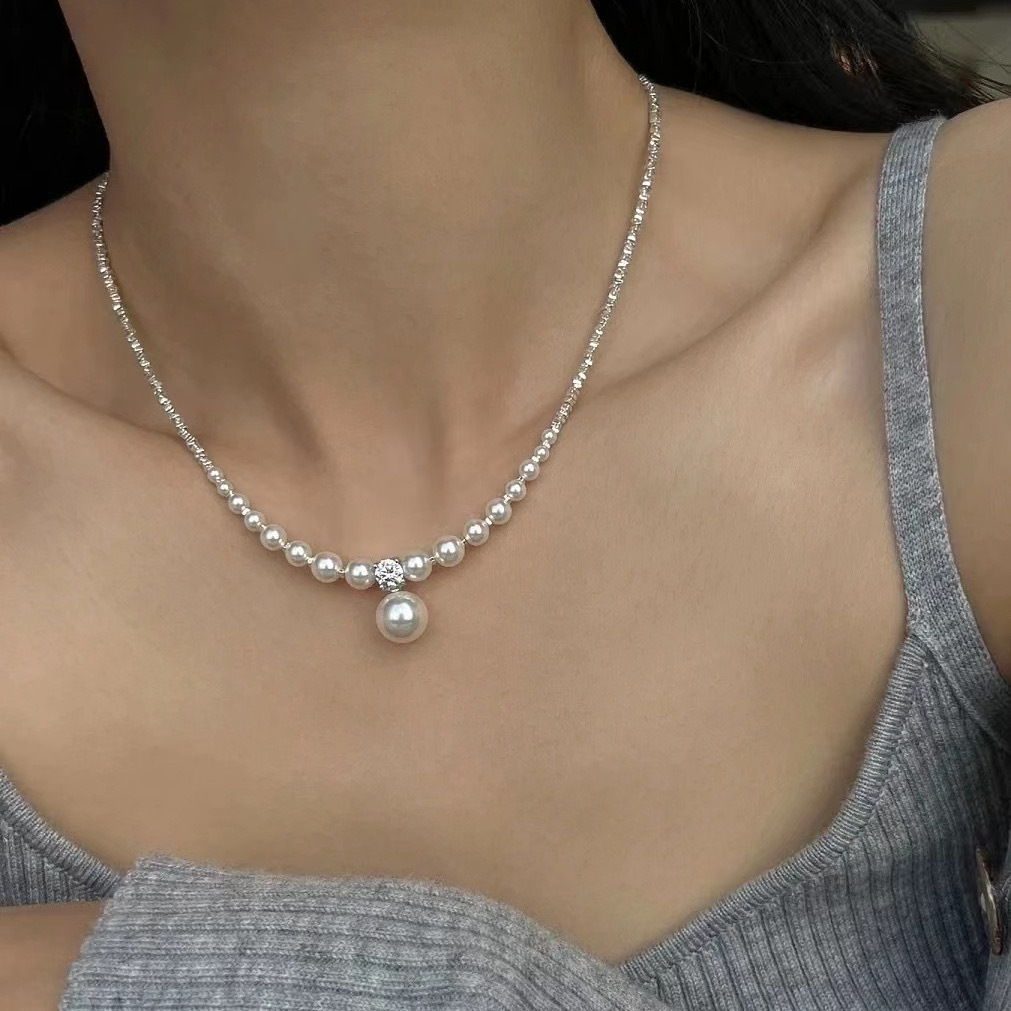
Diamond and pearl necklaces are timeless pieces that combine beauty, elegance, and rich symbolism. Their historical significance, design variations, and cultural meanings make them cherished items in any jewelry collection. By understanding how to care for these exquisite pieces, you can ensure they remain stunning for years to come. Whether you are looking to invest in a classic design or a contemporary statement piece, a diamond and pearl necklace is a worthy addition to your jewelry collection.
How to purchase:Online B2B sourcing platform, China purchase, Chinese suppliers – LooperBuy
Frequently Asked Questions
1. What is the best way to clean a diamond and pearl necklace?
To clean diamonds, use a mild soap solution and a soft brush. For pearls, gently wipe them with a damp cloth and avoid soaking them in water.
2. How should I store my diamond and pearl necklace?
Store your necklace in a soft-lined jewelry box, keeping it separate from other jewelry to prevent scratches and tangling.
3. What are the different styles of diamond and pearl necklaces?
Styles include classic single-strand designs, contemporary asymmetrical arrangements, statement pieces, and custom designs tailored to personal preferences.
4. What do diamonds and pearls symbolize when given as gifts?
Diamonds symbolize strength and eternal love, while pearls represent purity and innocence. Together, they signify a deep commitment and affection.
5. Can I wear my diamond and pearl necklace every day?
While diamonds are durable, pearls require more care. It’s best to wear your necklace for special occasions and clean it regularly to maintain its beauty.
HOT TAG: diamond pearl jewelry, elegant necklaces, timeless accessories, jewelry care tips, fashion statements, cultural significance, love symbols, custom designs, cleaning pearls, historical significance.