In the realm of fine jewelry, few pieces command attention and convey an air of sophisticated elegance quite like a big pearl necklace. Far more than a mere accessory, these magnificent adornments serve as potent symbols of luxury, heritage, and refined taste. From the milky luminescence of a perfectly spherical South Sea pearl to the iridescent glow of a Tahitian specimen, the substantial presence of larger pearls transforms a simple strand into a statement piece. This exploration delves into the captivating world of big pearl necklaces, tracing their historical significance, unraveling the intricacies of their formation, offering guidance on styling and care, and ultimately celebrating their enduring appeal in contemporary fashion.
Table of Contents
A Legacy of Lustre: The Enduring Appeal of Big Pearl Necklaces
Pearls have captivated humanity for millennia, emerging from the depths as natural wonders, treasured by ancient civilizations, and revered by royalty. While pearls of all sizes have held a special place, it is the larger, more dramatic specimens that have historically been reserved for the elite, embodying power, purity, and unparalleled beauty. A big pearl necklace is not merely an item of jewelry; it is a wearable piece of history, a testament to nature’s artistry, and an emblem of personal style that transcends fleeting trends.
Historical Roots and Royal Adornments
The fascination with pearls dates back to antiquity, with records of their use in ancient Egypt, Rome, and China. Cleopatra famously dissolved a priceless pearl in vinegar to impress Mark Antony, demonstrating not only the pearl’s value but also its symbolic weight. During the Renaissance and Baroque periods, pearls became a staple of European royal courts, with monarchs and aristocrats adorning themselves in elaborate strands and ornate settings. Portraits from these eras frequently depict figures bedecked in multiple rows of large, lustrous pearls, signifying their wealth, status, and connection to the divine. Queen Elizabeth I was particularly known for her extensive pearl collection, often seen wearing gowns embroidered with pearls and elaborate pearl necklaces. These historical precedents cemented the big pearl necklace’s association with grandeur, power, and timeless sophistication.
The Evolution of Pearl Styles and Sizes
While natural pearls, harvested from wild mollusks, were once the only option, the early 20th century saw the advent of cultured pearls, largely thanks to Kokichi Mikimoto. This innovation democratized pearls to some extent, making them accessible to a wider audience, though large, high-quality specimens remained rare and valuable. Over the decades, fashion trends have ebbed and flowed, but the appeal of substantial pearls has remained constant. From the Art Deco era’s sleek, elongated strands to the mid-century’s classic single and double ropes, big pearl necklaces have continuously adapted while retaining their fundamental elegance. Today, advancements in culturing techniques allow for the production of increasingly larger pearls, particularly from the South Sea and Tahitian varieties, offering a diverse array of impressive options for discerning collectors and fashion enthusiasts.
Understanding the Big Pearl: Types, Origins, and Characteristics
The term “big pearl” typically refers to pearls with diameters exceeding 8mm, though truly large pearls often start from 10mm and can go up to 20mm or even more. The size of a pearl is primarily dictated by the type of mollusk it comes from and the duration it spends in the mollusk. Different pearl varieties produce distinct sizes, colors, and lusters, each contributing to the unique character of a big pearl necklace.
Akoya, South Sea, Tahitian, and Freshwater Pearls – A Size Comparison
- Akoya Pearls: Primarily cultured in Japan and China, Akoya pearls are renowned for their perfectly round shape and brilliant, mirror-like luster. While typically smaller, ranging from 2mm to 10mm, larger Akoya pearls (8mm-10mm) are considered substantial for their type and are highly prized for their classic elegance.
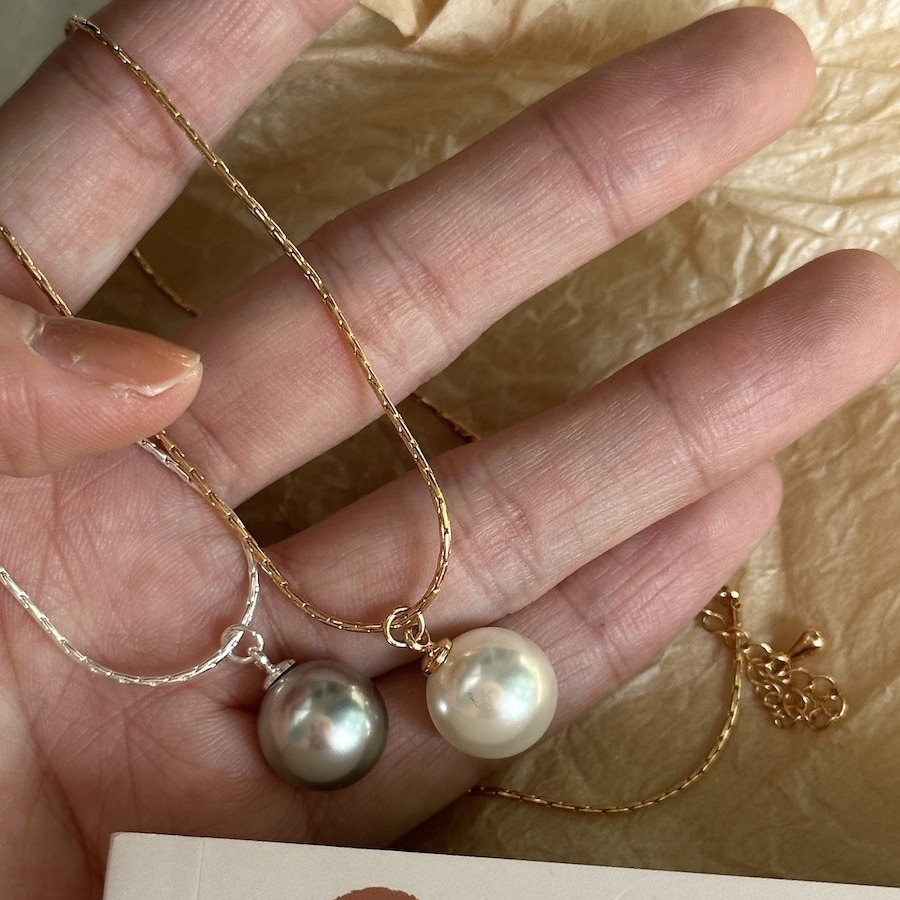
- South Sea Pearls: Originating from the Pinctada maxima oyster, found in the waters of Australia, Indonesia, and the Philippines, South Sea pearls are the largest and among the most valuable pearls in the world. They typically range from 9mm to 20mm, with some exceptional specimens exceeding this. Their colors include white, silver, and golden, known for a soft, satiny luster. A big pearl necklace of South Sea pearls represents the epitome of luxury.
- Tahitian Pearls: Cultured from the Pinctada margaritifera oyster, found primarily in French Polynesia, Tahitian pearls are famous for their exotic dark hues, often referred to as “black pearls.” Their natural colors range from dark green, blue, and grey to purple and peacock (a mix of iridescent colors). Tahitian pearls generally range from 8mm to 18mm, making them excellent candidates for a big pearl necklace that makes a bold, unique statement.
- Freshwater Pearls: Primarily produced in China, freshwater pearls are known for their wide variety of shapes, sizes, and colors, and are generally more affordable. While many freshwater pearls are smaller, advancements in culturing have led to the production of impressively large freshwater pearls, sometimes reaching 15mm or more, often in baroque shapes. These large freshwater pearls offer an accessible entry point into the world of big pearl necklaces, providing significant visual impact without the premium price tag of their saltwater counterparts.
The Anatomy of a Large Pearl: Nacre, Luster, and Blemishes
The beauty and value of any pearl, especially a large one, are determined by several key characteristics:
- Nacre: This is the iridescent substance secreted by the mollusk that builds up in layers around an irritant (or a bead in cultured pearls). The thickness and quality of the nacre are paramount. Thick, well-formed nacre contributes to a pearl’s durability and, most importantly, its luster. Larger pearls, particularly South Sea and Tahitian varieties, are known for their thick nacre, which gives them their characteristic deep, glowing luster.
- Luster: This refers to the pearl’s ability to reflect light, giving it a soft inner glow and sharp surface reflections. A high-quality pearl, regardless of size, will have a sharp, bright luster. In larger pearls, the expansive surface area allows the luster to truly shine, creating a captivating visual effect.
- Blemishes: As natural creations, pearls often have minor surface imperfections. These can include spots, pits, or wrinkles. While entirely flawless pearls are exceedingly rare and valuable, a large pearl necklace with a few minor blemishes is still highly desirable, especially if they do not detract from the overall beauty and luster. The key is that the blemishes are minimal and do not compromise the pearl’s structural integrity.
Factors Influencing Pearl Size and Value
The size of a pearl is one of the most significant factors in its value, but it’s not the only one. The larger a pearl, the rarer it generally is, as it takes longer for the mollusk to produce it, and there’s a higher chance of imperfections developing over time. However, a small pearl with exceptional luster, perfect roundness, and thick nacre can still be more valuable than a larger pearl with poor luster or significant blemishes. Therefore, when evaluating a big pearl necklace, one must consider the harmonious combination of size, luster, surface quality, shape, and color.
Styling Grandeur: How to Wear a Big Pearl Necklace
A big pearl necklace is a versatile statement piece that can elevate a wide range of outfits, from casual ensembles to formal gowns. The key lies in understanding how to balance its substantial presence with your overall look, allowing the pearls to shine without overwhelming your attire.
Casual Chic: Elevating Everyday Outfits
Gone are the days when pearls were strictly reserved for formal occasions. A big pearl necklace can inject instant sophistication into casual wear. Imagine a simple white t-shirt, jeans, and a blazer paired with a single strand of large freshwater or Akoya pearls. The contrast between the relaxed clothing and the elegant pearls creates an effortlessly chic aesthetic. For a more bohemian vibe, a longer strand of large baroque pearls can be draped over a simple knit dress or tunic. The key is to keep the rest of your accessories minimal, letting the big pearl necklace be the focal point.
Evening Elegance: Making a Statement
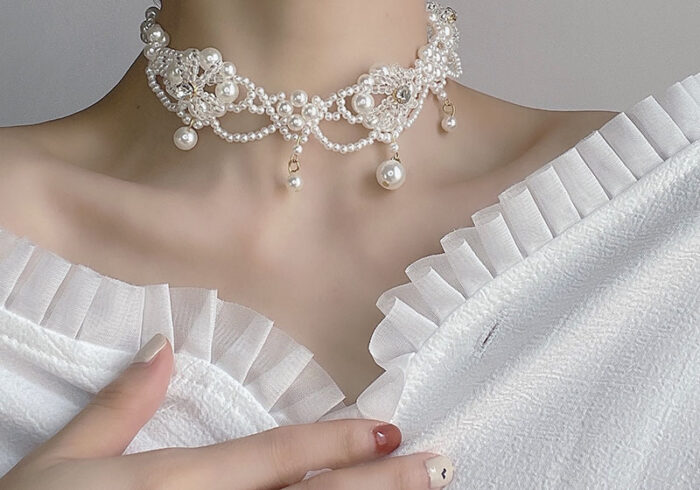
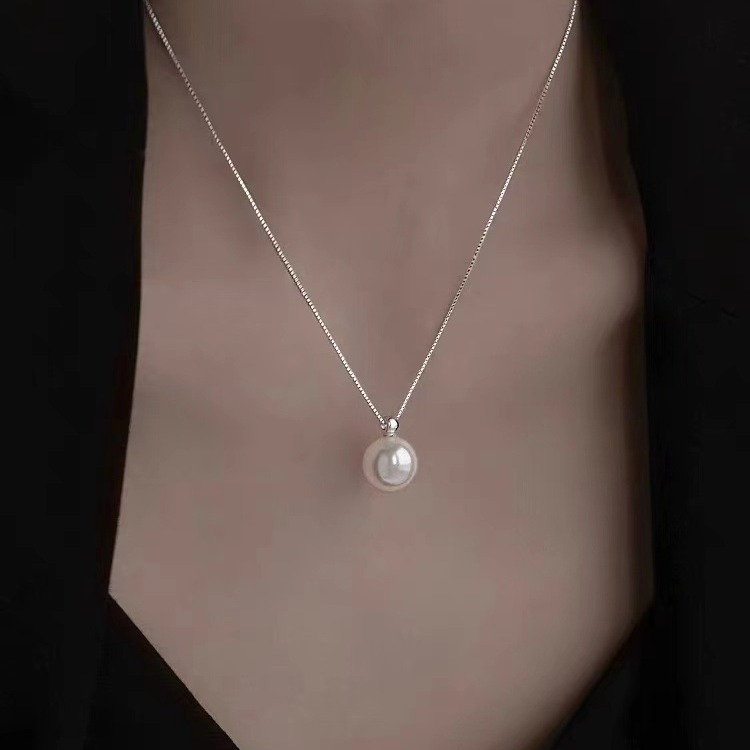
This is where a big pearl necklace truly comes into its own. For formal events, gala dinners, or black-tie affairs, a multi-strand big pearl necklace or a single strand of exceptionally large South Sea or Tahitian pearls can be breathtaking. Pair a classic white or golden South Sea pearl necklace with an elegant evening gown for a timeless, regal look. A strand of dark, iridescent Tahitian pearls can add a touch of mystique and modern drama to a sleek black dress or a jewel-toned ensemble. Consider the neckline of your dress; a shorter, choker-length big pearl necklace works beautifully with a strapless or off-the-shoulder gown, while a longer strand can complement a V-neck or scoop neck.
Layering and Complementary Accessories
While a big pearl necklace often makes a statement on its own, layering can add depth and personal flair. For a sophisticated look, combine your big pearl necklace with delicate gold or silver chains. Ensure the metals complement the clasp of your pearl necklace. When choosing other accessories, opt for subtlety. Small pearl stud earrings or a simple pearl ring can complement the necklace without competing for attention. Avoid overly elaborate or large earrings or bracelets, as these can detract from the grandeur of your big pearl necklace. The goal is to create a harmonious and balanced look.
Considerations for Necklines and Occasions
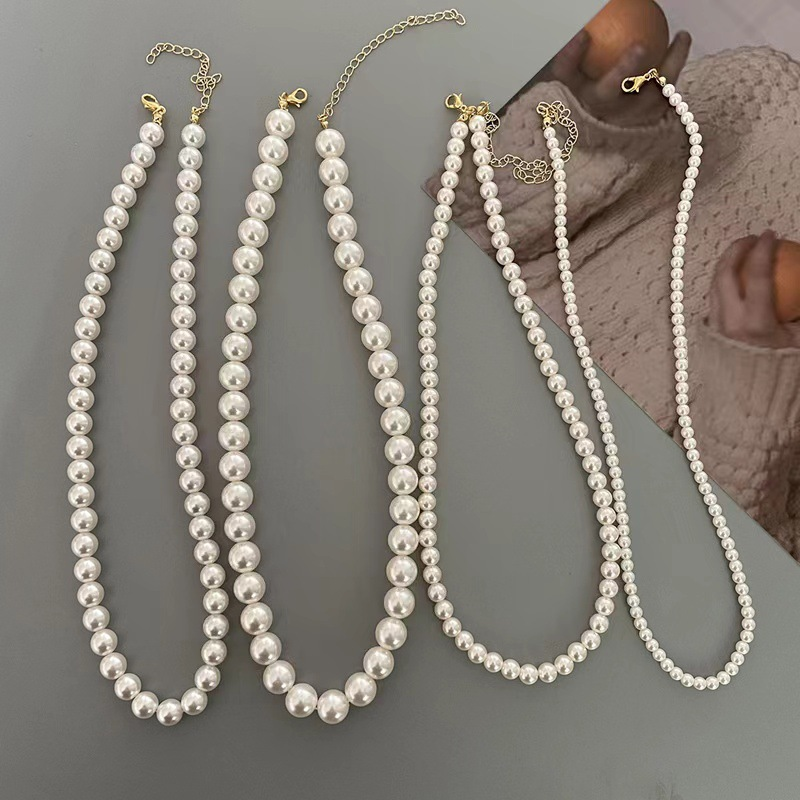
The length of your big pearl necklace and the neckline of your attire are crucial considerations. A short, princess-length (17-19 inches) or choker-length (14-16 inches) big pearl necklace is ideal for higher necklines, boat necks, or strapless dresses, framing the face beautifully. Matinee length (20-24 inches) works well with business attire or scoop necklines. Opera length (28-36 inches) offers versatility, allowing it to be worn as a single long strand or doubled for a two-strand look, suitable for both elegant daytime wear and evening events. Rope length (over 45 inches) provides maximum versatility, allowing multiple wraps and creative styling, perfect for making a grand entrance.
The Art of Selection: Choosing Your Perfect Big Pearl Necklace
Selecting a big pearl necklace is an investment in beauty and style, requiring careful consideration of various factors to ensure you choose a piece that will be cherished for years to come.
Lengths, Clasps, and Stranding Techniques
- Lengths: As discussed, various lengths offer different styling options. Consider your personal style, the types of outfits you plan to wear it with, and your body shape when choosing a length.
- Clasps: The clasp is not just functional; it’s an integral part of the necklace’s design. For big pearl necklaces, clasps often feature intricate designs, sometimes adorned with diamonds or other gemstones, acting as a decorative element when worn at the front. Ensure the clasp is secure and easy to operate.
- Stranding Techniques: High-quality pearl necklaces are individually hand-knotted between each pearl. This technique prevents the pearls from rubbing against each other, protects them from damage, and prevents all the pearls from scattering if the strand breaks. This is particularly important for big pearl necklaces, where the loss of even one pearl can be significant.
Authenticity and Quality Assessment
When purchasing a big pearl necklace, especially one of significant value, it is crucial to ensure its authenticity and quality. Purchase from reputable jewelers who can provide certification for their pearls. The certificate should detail the type of pearl, its origin, size, shape, color, luster, and surface quality. Examine the pearls closely under good lighting for even nacre, sharp luster, and minimal blemishes. Remember, a truly perfect pearl is exceedingly rare.
Budgeting for Brilliance: What to Expect
The price of a big pearl necklace varies dramatically based on the type of pearl, its size, quality, and the overall length of the strand. South Sea and Tahitian pearls, being the largest and rarest saltwater varieties, command the highest prices. Large Akoya pearls also fetch a premium due to their perfect roundness and high luster. Large freshwater pearls offer a more budget-friendly option for those desiring significant size and visual impact. It’s important to set a budget and work with a knowledgeable jeweler to find the best quality pearls within your price range.
Preserving Your Precious: Care and Maintenance for Large Pearl Necklaces
Pearls are organic gemstones and require special care to maintain their luster and beauty for generations. A big pearl necklace, with its substantial investment, deserves diligent attention to its maintenance.
Cleaning and Storage Best Practices
- Cleaning: After each wear, gently wipe your big pearl necklace with a soft, damp cloth to remove any traces of perfume, cosmetics, or body oils. Never use harsh chemicals, abrasive cleaners, or ultrasonic cleaners, as these can damage the delicate nacre. For a deeper clean, a very mild soap (like baby shampoo) and water can be used, ensuring to rinse thoroughly and dry completely.
- Storage: Store your big pearl necklace separately from other jewelry in a soft pouch or a fabric-lined box. This prevents the pearls from being scratched by harder gemstones or metals. Do not store pearls in airtight containers, as they need a little moisture to prevent them from drying out and cracking. A slightly humid environment is ideal.
Protecting Pearls from Damage and Wear
Pearls are relatively soft (2.5-4.5 on the Mohs scale) and susceptible to damage.
- Chemicals: Avoid exposing your pearls to hairspray, perfume, cosmetics, and household chemicals. Apply these products before putting on your pearl necklace.
- Heat and Sunlight: Prolonged exposure to extreme heat or direct sunlight can cause pearls to dehydrate and lose their luster.
- Impact: Avoid wearing your big pearl necklace during activities where it might be knocked or scraped.
Professional Care and Re-stringing
It is advisable to have your big pearl necklace professionally cleaned and inspected every few years. The silk thread used for stringing can weaken over time, and the knots can loosen. Professional re-stringing, typically recommended every 1-5 years depending on wear, will ensure the integrity of the necklace and prevent accidental breakage. A professional jeweler can also check the clasp and address any minor issues before they become major problems.
Beyond Adornment: The Symbolic Resonance of Big Pearl Necklaces
While undeniably beautiful, a big pearl necklace often carries deeper symbolic meanings, making it more than just a piece of jewelry. It represents a connection to history, a personal statement, and often, a cherished heirloom.
Cultural Meanings and Modern Interpretations
Throughout history, pearls have symbolized purity, innocence, wisdom, and wealth. In many cultures, they are associated with the moon and have been believed to bring good luck and protection. In modern times, while retaining these traditional meanings, big pearl necklaces have also come to represent female empowerment, sophisticated taste, and a confident embrace of classic style. They are chosen by individuals who appreciate enduring beauty and wish to make a distinctive statement without resorting to fleeting trends.
Pearls as Heirlooms and Investments
Due to their timeless appeal and intrinsic value, big pearl necklaces are often passed down through generations, becoming cherished family heirlooms. Their classic beauty ensures they remain relevant and admired for decades. Furthermore, high-quality, large natural and cultured pearls can appreciate in value over time, making a carefully selected big pearl necklace a tangible asset and a wise investment, alongside its aesthetic and sentimental worth.
Conclusion
The big pearl necklace stands as a testament to natural beauty and enduring elegance. From the depths of the ocean to the most refined wardrobes, these magnificent jewels continue to captivate with their unparalleled luster and substantial presence. Whether chosen for a casual outing or a grand formal event, a big pearl necklace imbues its wearer with an undeniable sense of grace and sophistication. Understanding their origins, appreciating their unique characteristics, and committing to proper care ensures that these splendid adornments will continue to inspire and enchant for generations to come, forever cementing their place as a cornerstone of classic style and luxurious living.
How to purchase:Online B2B sourcing platform, China purchase, Chinese suppliers – LooperBuy
Frequently Asked Questions
1. What makes a pearl “big”?
A pearl is generally considered “big” when its diameter exceeds 8mm, with truly significant sizes starting from 10mm and going up to 20mm or even more. The perception of “big” can also depend on the pearl type; for instance, an 8mm Akoya pearl is considered large for its type, whereas for a South Sea pearl, 8mm would be on the smaller end of its typical size range.
2. How do I know if my big pearl necklace is real?
To determine if your big pearl necklace is real, look for subtle irregularities in shape and surface, as perfectly uniform pearls are rare. Real pearls have a unique gritty texture when gently rubbed against your teeth, unlike the smooth feel of imitation pearls. Examine the luster; real pearls possess a deep, rich glow with sharp reflections, while fakes often have a dull or overly uniform, plastic-like sheen. The overtone (the subtle colors seen on the surface) is also a good indicator. For valuable big pearl necklaces, seeking an appraisal from a certified gemologist is the most reliable method.
3. What is the best way to clean a big pearl necklace?
The best way to clean a big pearl necklace is to gently wipe it with a soft, damp cloth immediately after each wear. This removes oils, perspiration, and cosmetic residues. For a deeper clean, use a very mild soap (like baby shampoo) dissolved in water, gently wipe the pearls, then rinse thoroughly with clean water and pat dry with a soft cloth. Ensure the necklace is completely dry before storing it. Never use abrasive materials, harsh chemicals, or ultrasonic cleaners, as these can damage the delicate nacre.
4. Can big pearl necklaces be worn casually?
Absolutely! Big pearl necklaces can add a touch of unexpected elegance to casual outfits. Pairing a strand of large pearls with a simple t-shirt and jeans, a cashmere sweater, or a relaxed linen dress creates a sophisticated yet effortless look. The key is to let the necklace be the focal point and keep other accessories minimal. Modern fashion embraces mixing high-end pieces with everyday wear, making a big pearl necklace a versatile addition to a casual wardrobe.
5. How should I store my big pearl necklace to prevent damage?
Store your big pearl necklace separately from other jewelry in a soft fabric pouch or a fabric-lined jewelry box. This prevents the pearls from being scratched or chipped by harder gemstones or metals. Do not store pearls in airtight plastic bags or very dry environments, as they can dehydrate and crack. Pearls need a bit of moisture, so a slightly humid environment is ideal. Also, ensure the necklace is lying flat or gently draped to prevent stretching the silk thread.
HOT TAG: Pearl Necklace, Big Pearls, South Sea Pearls, Tahitian Pearls, Freshwater Pearls, Pearl Jewelry, Luxury Accessories, Timeless Elegance, Gemstone Care, Fashion Statement, Royal Adornment, Classic Style, Investment Jewelry, Nacre Luster, Pearl Styling