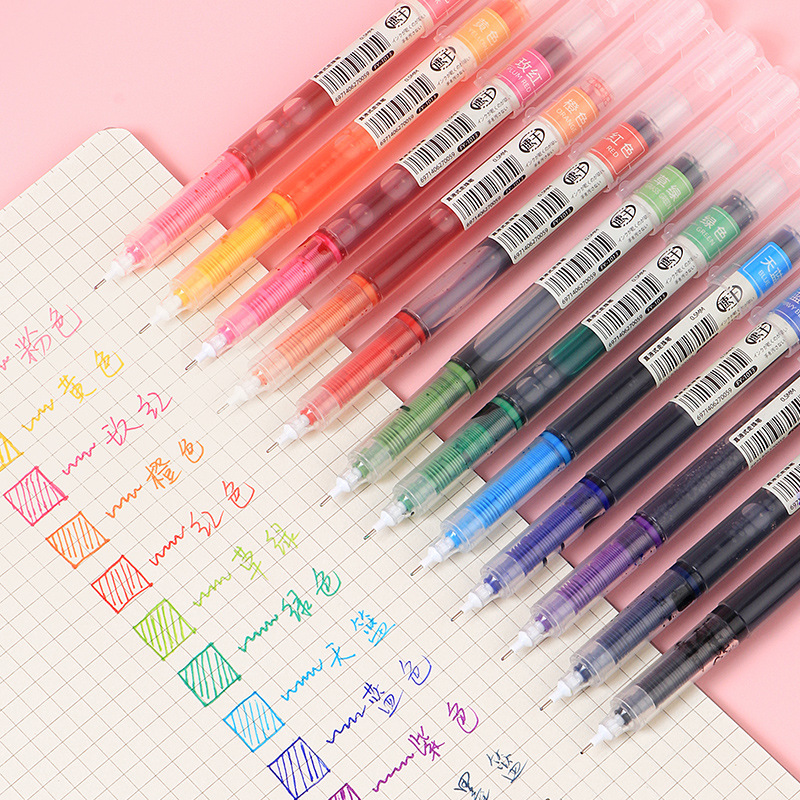
In the realm of writing instruments, the choice of pen colour is more than just a matter of aesthetics; it reflects personality, mood, and even the context of the writing task. From the classic black to the vibrant hues of neon, each colour carries its own significance and emotional resonance. This article delves into the fascinating world of pen colours, exploring their meanings, uses, and the psychology behind our choices.
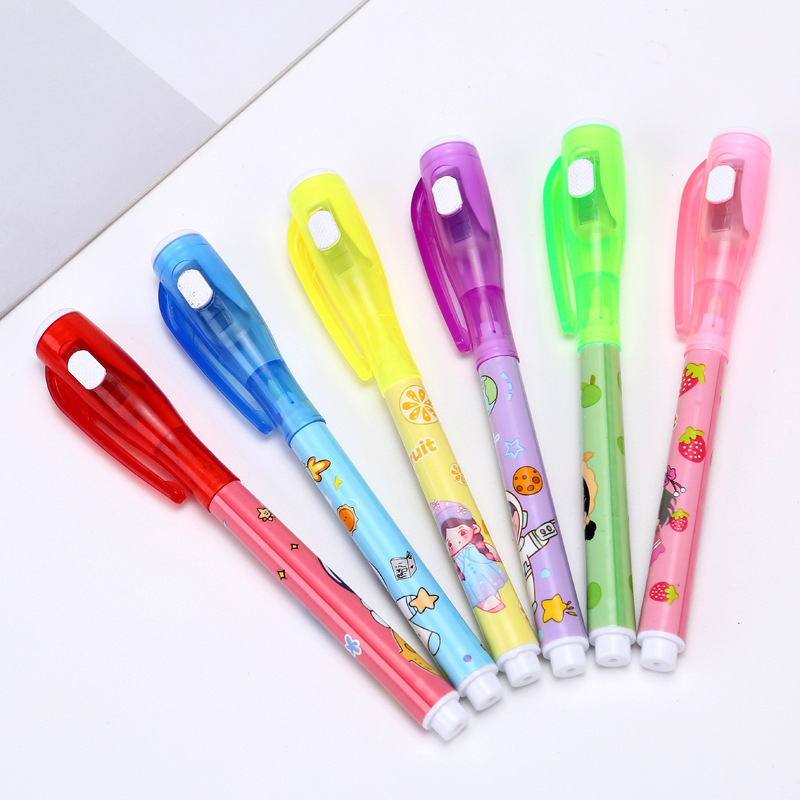
Table of Contents
Understanding the Psychology of Colour
The Impact of Colour on Mood and Perception
Colour psychology is a field that studies how colours affect human emotions and behaviours. When it comes to writing, the colour of the ink can influence not only the writer’s mood but also the reader’s perception. For instance, blue is often associated with calmness and reliability, making it a popular choice for professional documents. In contrast, red is energizing and attention-grabbing, often used to highlight important information.
The Significance of Different Colours
- Black: The classic choice, black ink is synonymous with professionalism and authority. It is often used in formal documents and business communications. The depth of black conveys seriousness and sophistication.
- Blue: Universally popular, blue ink is seen as trustworthy and dependable. It is often used in academic and professional settings, as it promotes a sense of calm and clarity.
- Red: This colour is bold and dynamic, often used to draw attention. Red ink is frequently employed in editing and corrections, symbolizing passion and urgency.
- Green: Associated with nature and tranquility, green ink is often chosen for creative tasks. It promotes relaxation and is popular among artists and writers alike.
- Purple: A colour of luxury and creativity, purple ink is often used by those who wish to stand out. It conveys a sense of individuality and artistic flair.
- Yellow: Bright and cheerful, yellow ink is often used for highlighting and notes. It evokes feelings of happiness and optimism, making it ideal for brainstorming sessions.
The Emotional Connection to Colour
The emotional connection to colour can be profound. Many people have personal associations with specific colours based on their experiences. For example, someone might associate the colour green with nature and relaxation due to fond memories of hiking in the woods. This personal connection can influence their choice of pen colour when journaling or writing creatively.
Moreover, the act of writing itself can be therapeutic. The choice of pen colour can enhance this experience, allowing individuals to express their emotions more vividly. For instance, using a bright pink pen might evoke feelings of joy and excitement, while a deep blue pen might encourage introspection and reflection.
The Evolution of Pen Colours
Historical Context
The history of pen colours dates back to the invention of ink itself. Early inks were made from natural materials, such as plant extracts and minerals, which limited the range of colours available. As technology advanced, synthetic dyes were developed, allowing for a broader spectrum of colours. The introduction of the fountain pen in the 19th century marked a significant turning point, as it allowed for more fluid ink flow and a wider variety of ink formulations.
Modern Innovations
Today, the market is flooded with pens that offer a myriad of colours. From gel pens to fountain pens, the options are endless. Brands have embraced the trend of colourful inks, catering to both functional and artistic needs. The rise of bullet journaling and creative writing has further popularized the use of various pen colours, as individuals seek to express their creativity through their writing tools.
Moreover, advancements in ink technology have led to the development of quick-drying, water-resistant, and fade-resistant inks, enhancing the usability of colourful pens in various contexts. This innovation has made it possible for artists and writers to use vibrant colours without worrying about smudging or fading over time.
The Role of Technology in Colour Development
The development of new pen technologies has also played a crucial role in expanding the range of available colours. For instance, the introduction of hybrid inks combines the best qualities of gel and ballpoint inks, resulting in vibrant colours that dry quickly and resist smudging. This has opened up new possibilities for both everyday writing and artistic applications.
Additionally, the rise of digital tools has influenced the way we think about pen colours. Many digital art programs allow users to experiment with an infinite palette of colours, which can inspire traditional artists to explore new shades and combinations in their physical work. This cross-pollination between digital and traditional mediums has enriched the creative landscape.
Choosing the Right Pen Colour for the Task
Professional Settings
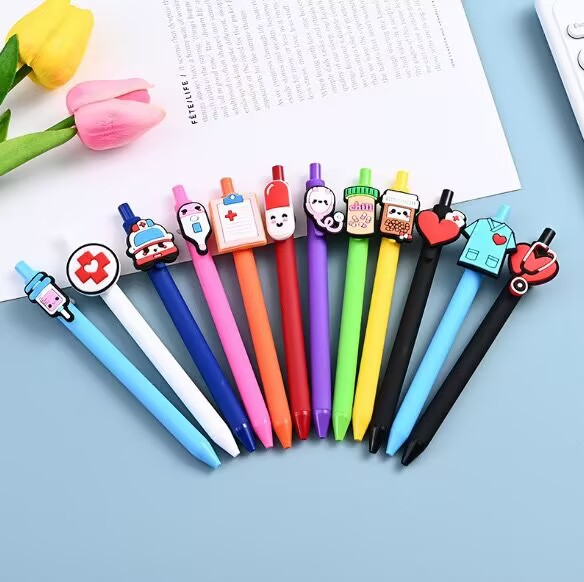
In professional environments, the choice of pen colour can significantly impact the impression one makes. For formal documents, black or blue ink is typically preferred. These colours convey professionalism and seriousness. However, for creative presentations or brainstorming sessions, incorporating colours like green or purple can add a touch of personality and creativity.
Using colour strategically in professional settings can also enhance communication. For example, using red to highlight critical points in a report can draw attention to essential information, while green can be used to indicate positive feedback or successful outcomes. This thoughtful use of colour can make documents more engaging and easier to navigate.
Creative Endeavours
For artists and writers, the choice of pen colour can enhance the creative process. Using a variety of colours can stimulate inspiration and encourage experimentation. Gel pens, for instance, offer vibrant hues and smooth application, making them ideal for artistic projects. The tactile experience of writing with different pen types can also influence creativity; the smooth glide of a gel pen versus the controlled flow of a fountain pen can evoke different feelings and ideas.
Additionally, many artists use colour theory to guide their choices. Understanding how colours interact can help in creating visually appealing artwork. For instance, complementary colours can create striking contrasts, while analogous colours can produce harmonious effects. This knowledge can be applied not only in art but also in personal projects like scrapbooking or journaling.
Personal Expression
Many individuals use pen colours as a form of self-expression. The choice of colour can reflect one’s personality or mood at a given time. For example, someone feeling energetic might opt for bright orange or pink, while someone in a more reflective mood might choose a deep blue or green.
This personal connection to colour can also extend to the tools themselves. Customizing pens with unique colours or designs can enhance the writing experience, making it more enjoyable and personal. Many people find that using their favourite colours can make mundane tasks like note-taking or journaling feel more engaging.
The Influence of Trends on Colour Choices
Trends in pen colours can also influence individual choices. For instance, the popularity of pastel colours in stationery has led many to choose softer shades for their writing instruments. Seasonal trends, such as autumnal hues or spring pastels, can inspire people to switch up their pen colours to match their mood or the time of year.
Social media platforms, particularly those focused on art and creativity, have also played a significant role in shaping colour preferences. Users often share their favourite colour combinations and techniques, leading to a broader appreciation for diverse colour palettes. This community-driven approach to colour selection encourages experimentation and creativity.
The Practical Aspects of Pen Colours
Ink Quality and Performance
When selecting pens, it’s essential to consider the quality of the ink. High-quality inks provide smooth writing experiences and vibrant colours. Gel pens, for example, are known for their rich pigmentation and smooth flow, making them a favourite among many writers and artists.
Moreover, the type of pen can affect how the ink performs on different surfaces. For instance, fountain pens may require specific types of paper to prevent bleeding, while rollerball pens can work well on a variety of surfaces. Understanding these nuances can help users choose the right pen for their specific needs.
Versatility of Use
Different pen colours can serve various purposes. For instance, highlighters in bright colours are perfect for emphasizing key points in notes, while fine-liner pens in pastel shades can be used for detailed illustrations or bullet journaling. Understanding the versatility of pen colours can enhance productivity and creativity.
In educational settings, using different colours for note-taking can aid memory retention. Studies have shown that colour-coded notes can help students organize information better and recall it more effectively. This technique can be particularly useful for visual learners who benefit from seeing information presented in a structured and colourful manner.
The Environmental Impact of Pen Choices
As awareness of environmental issues grows, many consumers are becoming more conscious of the ecological impact of their pen choices. Eco-friendly pens made from recycled materials or those that use refillable ink cartridges are gaining popularity. These options not only reduce waste but also appeal to environmentally conscious consumers who want to make responsible choices.
Additionally, some brands are now producing pens with biodegradable components, further minimizing their environmental footprint. By choosing sustainable options, consumers can enjoy their writing experience while also contributing to a healthier planet.
The Cultural Significance of Pen Colours
Global Perspectives
The significance of pen colours can vary across cultures. In some cultures, certain colours may carry specific meanings or connotations. For example, red is often associated with good luck in many Asian cultures, while in Western contexts, it may symbolize danger or caution. Understanding these cultural nuances can be crucial, especially in international communications.
In addition, the popularity of certain pen colours can differ by region. For instance, while blue ink is widely accepted in many countries, some cultures may prefer black or green for formal documents. This cultural context can influence how individuals perceive and use pen colours in their daily lives.
Trends in Pen Colours
As trends evolve, so do preferences for pen colours. The rise of social media and digital art has influenced the popularity of certain colours. Bright, bold colours are often favored for their visual appeal, while muted tones may be preferred for more serious or professional contexts.
The influence of pop culture and fashion can also play a role in colour trends. For example, certain colours may become popular due to their association with popular brands or celebrities. This phenomenon can lead to seasonal trends in pen colours, with specific shades becoming must-haves for students and professionals alike.
The Future of Pen Colours
Looking ahead, the future of pen colours is likely to be shaped by ongoing innovations in ink technology and changing consumer preferences. As more people embrace digital tools, traditional writing instruments may need to adapt to remain relevant. However, the tactile experience of writing with a pen and the emotional connection to colour will likely keep physical pens in demand.
Moreover, as sustainability becomes a priority for consumers, brands that prioritize eco-friendly practices and materials will likely gain a competitive edge. The integration of technology, such as smart pens that can digitize handwritten notes, may also influence the evolution of pen colours and their applications.
Conclusion
How to purchase:https://looperbuy.com/search?keywords=pen+colours&globalType=china
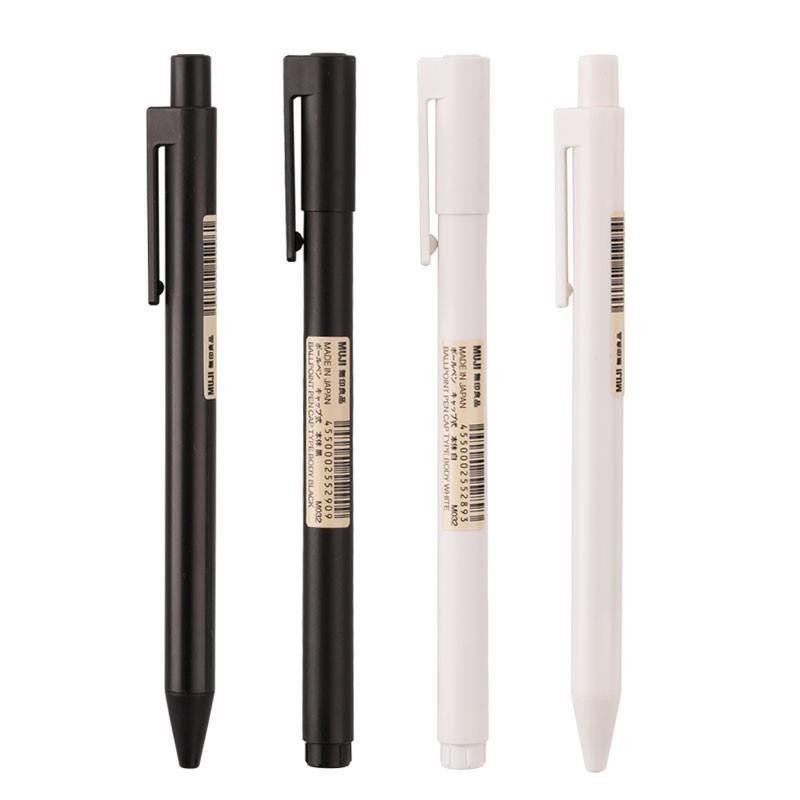
The world of pen colours is rich and varied, offering insights into personality, mood, and cultural significance. Whether for professional use, creative expression, or personal preference, the choice of pen colour can greatly influence the writing experience. As we continue to explore the vibrant spectrum of inks available, it becomes clear that each colour tells a story, reflecting not just the words we write but also who we are.
Frequently Asked Questions
1. What is the most popular pen colour for professional use?
The most popular pen colours for professional use are black and blue, as they convey authority and reliability.
2. How do different pen colours affect mood?
Different pen colours can evoke various emotions; for example, blue promotes calmness, while red can energize and draw attention.
3. Are gel pens better than ballpoint pens?
Gel pens typically offer smoother writing and more vibrant colours compared to ballpoint pens, making them a popular choice for creative tasks.
4. Can the choice of pen colour influence creativity?
Yes, using a variety of pen colours can stimulate creativity and encourage artistic expression.
5. What are some unique uses for colourful pens?
Colourful pens can be used for bullet journaling, highlighting important notes, creating art, and personalizing gifts.
HOT TAG: pen colours, ink psychology, writing tools, creative expression, professional writing, colour significance, gel pens, ballpoint pens, artistic expression, colour trends, sustainable pens, eco-friendly writing, colour coding, memory retention, cultural significance, emotional connection, vibrant inks, stationery trends, personal expression, innovative writing instruments.