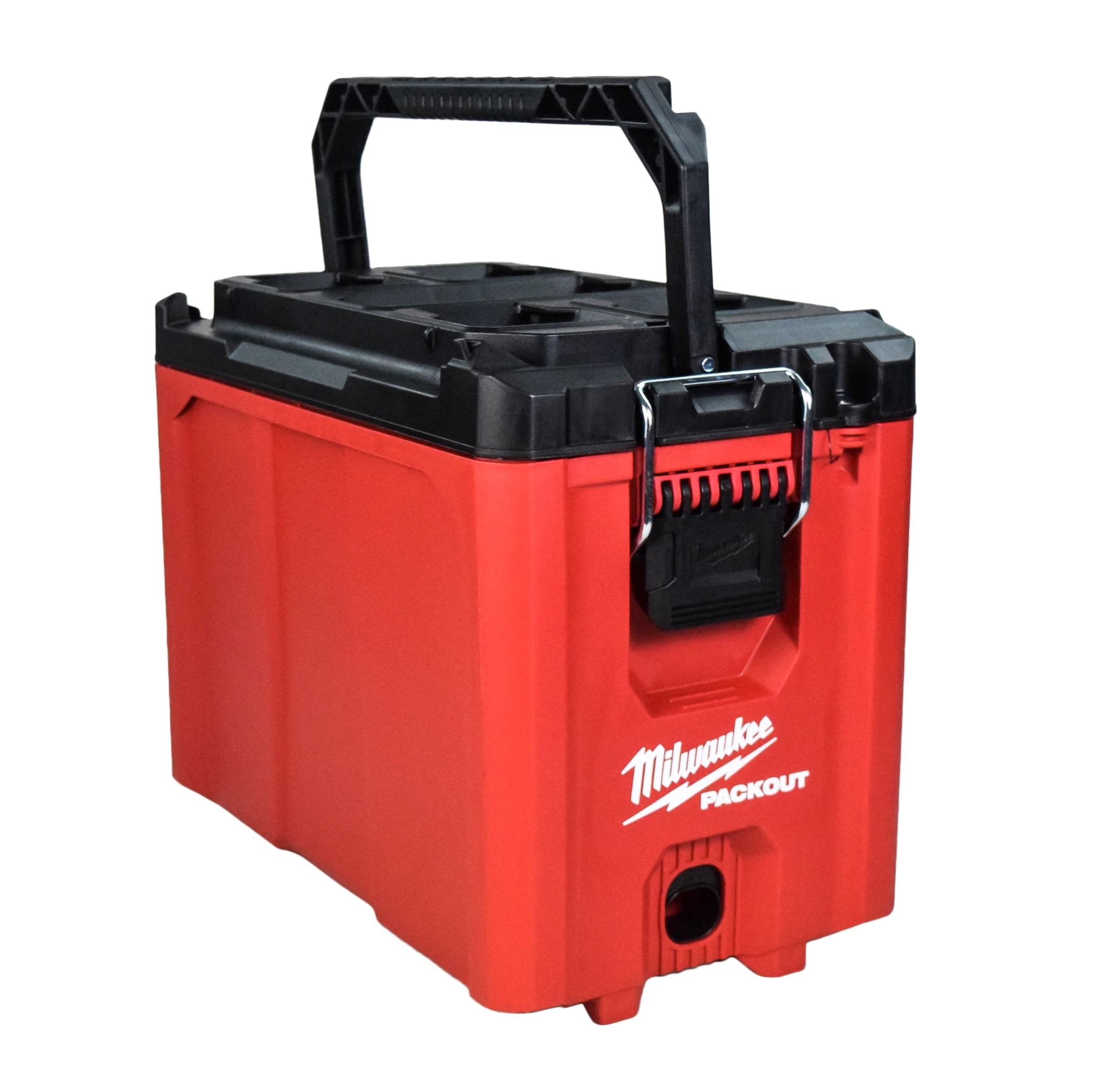
Packing out a tool box is an essential skill for anyone who works with tools, whether you are a professional tradesperson or a DIY enthusiast. A well-organized tool box not only saves time but also enhances efficiency and safety on the job. In this article, we will explore various aspects of packing out a tool box, including how to maintain it, how to organize tools effectively, the different types of tool boxes available, and best practices for packing them.
Table of Contents
Understanding the Importance of a Well-Packed Tool Box
A tool box is more than just a container for tools; it is a critical component of your workflow. When tools are organized and easily accessible, you can work more efficiently and reduce the risk of accidents. A well-packed tool box can also protect your tools from damage and prolong their lifespan. The importance of a well-packed tool box extends beyond mere convenience; it can significantly impact the quality of your work and your overall productivity. When you know exactly where each tool is located, you can focus more on the task at hand rather than wasting time searching for misplaced items.
The Benefits of a Well-Organized Tool Box
An organized tool box offers several advantages:
– Time Efficiency: Quickly finding the right tool saves time and keeps projects on schedule. When tools are organized, you can easily grab what you need without rummaging through a cluttered box, allowing you to maintain your workflow and meet deadlines.
– Safety: Reducing clutter minimizes the risk of accidents and injuries. A disorganized tool box can lead to tools falling out or being misplaced, which can cause injuries. Keeping tools in their designated spots helps ensure a safer working environment.
– Tool Longevity: Proper storage prevents damage and wear, extending the life of your tools. Tools that are stored haphazardly can become damaged or dull, leading to costly replacements. By organizing your tools, you can protect your investment and ensure they remain in good working condition.
– Professionalism: A neat and organized tool box reflects professionalism and attention to detail. Whether you are working on a job site or at home, having an organized tool box demonstrates your commitment to quality and can enhance your reputation among clients and peers.
Types of Tool Boxes
When it comes to packing out a tool box, understanding the different types available can help you choose the right one for your needs. Each type of tool box serves a specific purpose and can cater to different working environments.
Portable Tool Boxes
Portable tool boxes are designed for easy transport. They often come with handles and may include wheels for mobility. These boxes are ideal for professionals who need to move their tools frequently, such as electricians or plumbers. The lightweight design allows for quick relocation between job sites, making them a practical choice for those who are always on the go. Additionally, many portable tool boxes feature compartments and trays that help keep tools organized during transport.
Rolling Tool Boxes
Rolling tool boxes are larger and typically feature wheels and a retractable handle. They are perfect for transporting heavier tools and equipment across job sites. Many rolling tool boxes also have modular designs, allowing you to stack and connect multiple boxes. This versatility makes them suitable for larger projects where you need to carry a variety of tools. The ability to roll your tool box rather than carry it can significantly reduce strain on your back and arms, making it a more ergonomic option.
Tool Chests
Tool chests are larger storage solutions that often sit in a garage or workshop. They provide ample space for organizing a wide variety of tools and usually come with drawers for smaller items. Tool chests are less portable but offer excellent organization options. They often include features like lockable drawers for security and can be customized with additional organizers or trays. A well-organized tool chest can serve as a central hub for all your tools, making it easy to find what you need when you need it.
Tool Bags
Tool bags are flexible and lightweight, making them easy to carry. They are suitable for smaller tool collections and are often used by electricians and plumbers who need to access their tools quickly. Tool bags typically have multiple pockets and compartments, allowing for efficient organization of tools and accessories. Their compact design makes them ideal for tight spaces or when you need to carry only a few essential tools to a job site.

Best Practices for Packing a Tool Box
Packing a tool box effectively requires careful planning and organization. Here are some best practices to consider:
Categorize Your Tools
Start by categorizing your tools based on their function. For example, group together hand tools, power tools, and accessories. This will make it easier to find what you need when you need it. Consider creating subcategories within these groups, such as separating screwdrivers by type or organizing wrenches by size. This level of organization can save you valuable time and frustration during projects.
Use Organizers and Dividers
Utilize organizers, dividers, and trays to keep smaller items separated. This prevents tools from shifting during transport and makes it easier to locate specific items. Many tool boxes come with built-in organizers, but you can also purchase additional trays or dividers to customize your setup. Using clear containers for small parts can also help you quickly identify what you need without having to dig through a jumble of items.
Prioritize Accessibility
Place the tools you use most frequently at the top or in the most accessible compartments. This ensures that you can quickly grab what you need without digging through the entire box. Consider your workflow and the tools you rely on most often, and arrange your tool box accordingly. This practice not only saves time but also helps maintain your focus on the task at hand.
Maintain a Clean Tool Box
Regularly clean your tool box to remove dust, debris, and moisture. This helps prevent rust and keeps your tools in good condition. A clean tool box also makes it easier to see what you have and identify any missing items. Make it a habit to wipe down your tool box after each use and perform a more thorough cleaning periodically.
Label Everything
If you have multiple tool boxes or compartments, consider labeling them. This can save time and frustration when searching for specific tools. Labels can be as simple as using masking tape and a marker or as sophisticated as printed labels. Clear labeling helps everyone who uses the tool box know where to find items and where to return them after use.
Maintaining Your Tool Box
Proper maintenance of your tool box is crucial for its longevity and functionality. Here are some tips to keep your tool box in top shape:
Regular Inspections
Periodically inspect your tool box for any signs of wear or damage. Check for rust, broken latches, or damaged wheels. Addressing these issues early can prevent more significant problems down the line. Regular inspections also allow you to assess whether your tool organization is still effective or if adjustments are needed.
Clean and Lubricate
Keep your tool box clean by wiping it down regularly. Use a damp cloth to remove dirt and grime. For metal tool boxes, consider applying a rust inhibitor to prevent corrosion. Lubricate hinges and locks to ensure smooth operation. A well-maintained tool box not only looks better but also functions more effectively, making it easier to access your tools.
Store in a Dry Place
To protect your tool box from moisture, store it in a dry location. If you must keep it outside, consider using a waterproof cover to shield it from the elements. Moisture can lead to rust and damage, so taking precautions to keep your tool box dry is essential for maintaining its integrity.
Organize Regularly
As you acquire new tools or complete projects, take the time to reorganize your tool box. This ensures that it remains functional and that you can easily find what you need. Regularly reassessing your organization system can help you adapt to changes in your tool collection and work habits.
Conclusion
Packing out a tool box is an essential skill that can significantly impact your efficiency and safety on the job. By understanding the different types of tool boxes, implementing best practices for packing, and maintaining your tool box, you can ensure that your tools are organized, accessible, and protected. Whether you are a professional tradesperson or a DIY enthusiast, mastering the art of packing out a tool box will enhance your overall experience and productivity.
How to purchase:https://looperbuy.com/search?keywords=Pack+Out+Tool+Box
Frequently Asked Questions
1. What is the best way to organize tools in a tool box?
The best way to organize tools is to categorize them by function, use organizers and dividers, and prioritize accessibility for frequently used items.
2. How often should I clean my tool box?
It is advisable to clean your tool box regularly, ideally after each project or at least once a month, to prevent dirt and moisture buildup.
3. What types of tool boxes are available?
There are several types of tool boxes, including portable tool boxes, rolling tool boxes, tool chests, and tool bags, each designed for different needs.
4. How can I maintain my tool box?
Regular inspections, cleaning, lubrication of moving parts, and storing in a dry place are key to maintaining your tool box.
5. Why is it important to label tools in a tool box?
Labeling tools helps save time and reduces frustration when searching for specific items, especially in larger or multiple tool boxes.