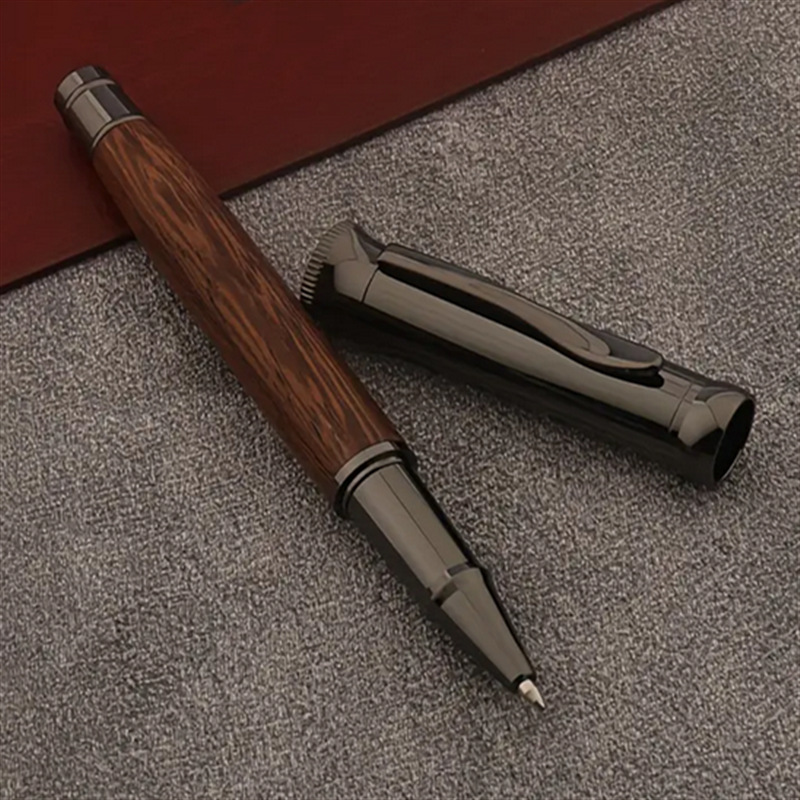
Wood colouring pens have become a popular tool for artists, crafters, and DIY enthusiasts alike. These versatile instruments allow for vibrant expression on wooden surfaces, transforming plain wood into stunning works of art. In this article, we will explore the various types of wood colouring pens, their applications, and tips for achieving the best results.
Table of Contents
Understanding Wood Colouring Pens
What Are Wood Colouring Pens?
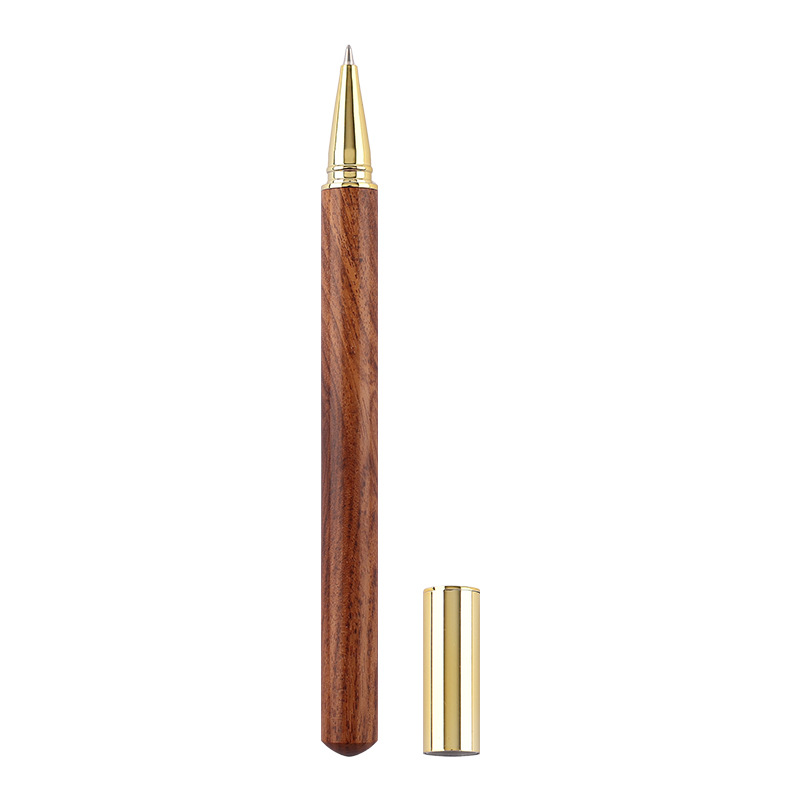
Wood colouring pens are specialized markers designed to apply color to wooden surfaces. They come in various forms, including oil-based, water-based, and acrylic pens. Each type has its unique properties, making them suitable for different projects.
- Oil-Based Pens: These pens are known for their durability and vibrant colors. They are ideal for outdoor projects as they resist fading and weathering.
- Water-Based Pens: Easier to clean and less toxic, water-based pens are perfect for indoor use. They offer a wide range of colors but may not be as durable as oil-based options.
- Acrylic Pens: These pens provide excellent coverage and are suitable for various surfaces, including wood. They dry quickly and are often used for detailed work.
Why Use Wood Colouring Pens?
Wood colouring pens offer several advantages over traditional painting methods. They provide precision, allowing for intricate designs and fine details. Additionally, they are easy to use, making them accessible for beginners and experienced artists alike. The convenience of pens means less mess and quicker clean-up compared to brushes and paints.
Choosing the Right Wood Colouring Pens
Factors to Consider
When selecting wood colouring pens, consider the following factors:
- Type of Project: Determine whether your project is indoor or outdoor, as this will influence your choice between oil-based and water-based pens.
- Color Range: Look for pens that offer a wide variety of colors to enhance your creative possibilities.
- Tip Size: Different projects may require different tip sizes. Fine tips are great for detailed work, while broader tips are better for filling in larger areas.
- Drying Time: If you need to work quickly or layer colors, consider the drying time of the pens.
Recommended Brands
Several brands are known for their quality wood colouring pens. Some popular options include:
- Sharpie: Known for their vibrant colors and versatility, Sharpie markers are a favorite among crafters.
- Posca: These acrylic paint pens are highly regarded for their opacity and smooth application on wood.
- Artistro: Offering a range of paint pens, Artistro is popular for its vibrant colors and fine tips, perfect for detailed designs.
Techniques for Using Wood Colouring Pens
Preparing Your Wood Surface
Before you start colouring, it’s essential to prepare your wood surface properly. Here are some steps to follow:
- Clean the Surface: Remove any dust or debris from the wood to ensure a smooth application.
- Sand the Wood: Lightly sand the surface to create a better grip for the ink. This step is especially important for unfinished wood.
- Prime if Necessary: If you are working with a very porous wood, consider applying a primer to prevent the ink from soaking in too much.
Application Techniques
Once your surface is prepared, you can begin applying color. Here are some techniques to enhance your artwork:
- Layering Colors: Start with a base color and allow it to dry before adding additional layers. This technique can create depth and dimension in your artwork.
- Blending: Use two or more colors to create a gradient effect. Apply one color and then quickly add another while the first is still wet to blend them seamlessly.
- Stippling: For a textured look, use the tip of the pen to create small dots of color. This technique can add interest and complexity to your designs.
Advanced Techniques for Shading and Highlighting
To take your wood colouring projects to the next level, consider these advanced techniques:
- Cross-Hatching: This technique involves drawing intersecting lines to create shading. By varying the density and angle of the lines, you can achieve different effects and depths.
- Feathering: Use a lighter color to blend into a darker shade by applying the lighter color at the edges and gradually transitioning into the darker color. This technique is excellent for creating soft shadows and highlights.
- Texturing: Experiment with different strokes and patterns to create textures that mimic natural wood grain. This can add realism to your artwork and make it more visually appealing.
Finishing Touches
After you have completed your artwork, consider applying a sealant to protect your work. A clear acrylic spray or varnish can help preserve the colors and prevent fading over time. Additionally, ensure that the pen tips are clean and store them properly to maintain their longevity.
Creative Projects with Wood Colouring Pens
Home Decor
Wood colouring pens can be used to create beautiful home decor items. Consider personalizing wooden picture frames, coasters, or even furniture. The possibilities are endless, and the results can be stunning. You can create themed decor for holidays or special occasions, adding a personal touch to your home.
Gifts
Handmade gifts are always appreciated. Use wood colouring pens to create custom designs on wooden items such as keychains, ornaments, or cutting boards. Personalizing these gifts adds a special touch that recipients will cherish. You can also create gift sets that include a variety of colored wooden items, making for a thoughtful and unique present.
Educational Projects
Wood colouring pens are also great for educational purposes. Teachers can use them to create engaging learning materials, such as colorful charts or interactive displays. Children can enjoy using these pens for art projects, enhancing their creativity and fine motor skills. Incorporating art into education can make learning more enjoyable and effective.
Crafting and DIY Projects
For those who love crafting, wood colouring pens can be used in various DIY projects. From creating custom signs to decorating wooden toys, the options are limitless. You can also use these pens to enhance scrapbooking projects, adding color and personality to your pages.
Best Wood Types for Using Wood Colouring Pens
Choosing the right type of wood can significantly impact the outcome of your projects. Here are some of the best wood types for using wood colouring pens:
1. Maple
Maple is a dense hardwood with a fine, even grain that takes color well. It is an excellent choice for detailed work and provides a smooth surface for applying ink. The light color of maple allows for vibrant colors to stand out, making it a favorite among woodworkers.
2. Birch
Birch is another hardwood that is easy to work with and takes color beautifully. Its light color and fine grain make it ideal for intricate designs. Birch is also relatively inexpensive, making it a great option for beginners.
3. Cherry
Cherry wood has a rich, warm tone that deepens with age. It provides a beautiful backdrop for wood colouring pens, allowing colors to pop against its reddish hue. Cherry is also known for its smooth finish, making it easy to apply ink.
4. Walnut
Walnut is a darker wood that offers a striking contrast to lighter colors. Its rich grain patterns add depth to any project, and it takes ink well. Walnut is often used for high-end projects due to its luxurious appearance.
5. Pine
Pine is a softwood that is widely available and affordable. It has a light color and prominent grain, making it suitable for various projects. While it may not take color as vibrantly as hardwoods, it can still produce beautiful results, especially with lighter shades.
6. Cedar
Cedar is known for its aromatic properties and natural resistance to decay. It has a warm, reddish-brown color that can enhance the appearance of your designs. Cedar is also lightweight and easy to work with, making it a popular choice for crafting.
7. Exotic Woods
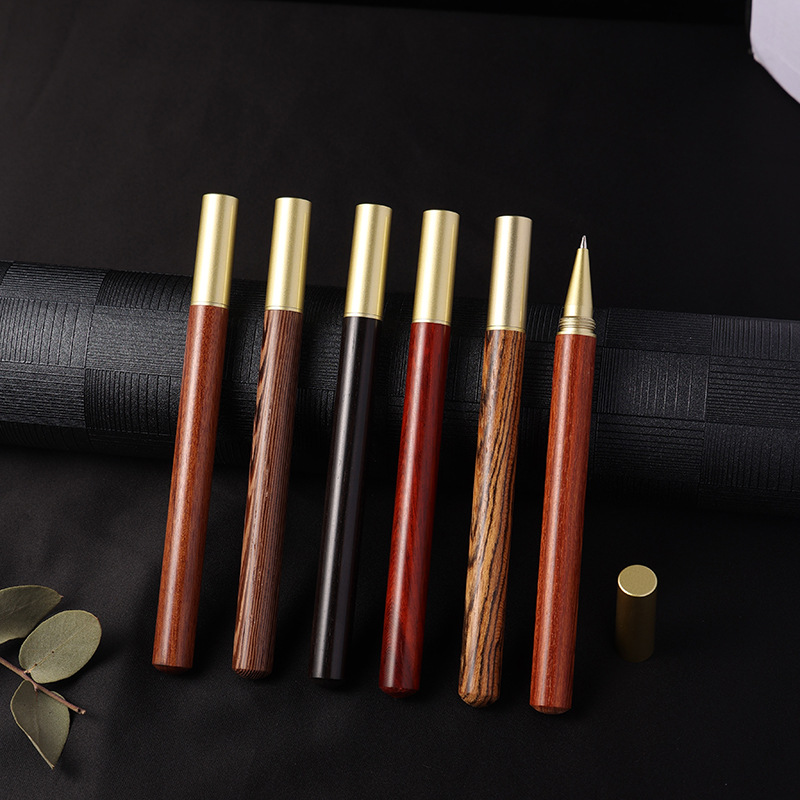
For those looking to create unique and stunning pieces, consider using exotic woods such as Cocobolo, Ebony, or Padauk. These woods often feature striking colors and patterns that can elevate your projects to a new level. However, they can be more expensive and may require more care when working with them.
Safety Precautions When Using Wood Colouring Pens
While wood colouring pens are generally safe to use, it is essential to follow certain safety precautions to ensure a safe and enjoyable crafting experience.
Ventilation
Always work in a well-ventilated area. Many wood colouring pens, especially oil-based ones, can emit fumes that may be harmful if inhaled in large quantities. Open windows or use fans to circulate air and reduce the concentration of fumes.
Personal Protective Equipment (PPE)
Consider wearing personal protective equipment, such as gloves and safety goggles, especially if you are working with oil-based or solvent-based pens. Gloves can protect your skin from potential irritation, while goggles can shield your eyes from splashes or accidental contact with the ink.
Avoiding Skin Contact
Try to minimize direct contact with the ink. If you do get ink on your skin, wash it off immediately with soap and water. Some inks can cause irritation or allergic reactions in sensitive individuals.
Storage and Disposal
Store your wood colouring pens in a cool, dry place away from direct sunlight. Ensure that the caps are tightly secured to prevent the ink from drying out. When disposing of used pens, follow local regulations regarding hazardous waste, as some inks may contain chemicals that require special handling.
First Aid Measures
In case of accidental ingestion or contact with eyes, follow the manufacturer’s safety data sheet (SDS) for first aid measures. Generally, if ink gets into the eyes, rinse them with plenty of water and seek medical attention if irritation persists. If ingested, do not induce vomiting; instead, seek immediate medical help.
Best Sealants for Protecting Wood Coloured with Pens
After applying wood colouring pens, it is crucial to protect your artwork with an appropriate sealant. Here are some of the best options:
1. Clear Acrylic Spray
Clear acrylic spray is a popular choice for sealing wood projects. It provides a protective layer that is both durable and transparent, allowing the colors to shine through. Acrylic sprays are easy to apply and dry quickly, making them ideal for projects that require a fast turnaround.
2. Polyurethane
Polyurethane is a robust sealant that offers excellent protection against moisture and wear. It comes in both water-based and oil-based formulas. Water-based polyurethane dries clear and is less toxic, while oil-based options provide a richer finish. Both types can enhance the vibrancy of the colors applied with wood colouring pens.
3. Varnish
Varnish is another effective sealant that can protect your wood projects. It provides a hard, glossy finish that enhances the wood’s natural beauty. Varnish is available in various sheens, from matte to high gloss, allowing you to choose the finish that best suits your project.
4. Shellac
Shellac is a natural sealant made from the secretions of the lac bug. It dries quickly and provides a warm, amber tone that can enhance the colors of your wood colouring pens. Shellac is easy to apply and can be used as a primer or topcoat.
5. Wax
For a more natural finish, consider using wax as a sealant. Wax provides a soft sheen and is easy to apply. However, it may not offer the same level of protection as other sealants, so it is best used for decorative items that will not be subjected to heavy wear.
Conclusion
Wood colouring pens are a fantastic tool for anyone looking to add a splash of color to their wooden projects. With various types available and numerous techniques to explore, these pens can help unleash your creativity. Whether you are a seasoned artist or a beginner, wood colouring pens offer endless possibilities for artistic expression. By following safety precautions and exploring advanced techniques, you can enhance your skills and create beautiful, lasting works of art.
How to purchase:Online B2B sourcing platform, China purchase, Chinese suppliers – LooperBuy
Frequently Asked Questions
1. What surfaces can I use wood colouring pens on?
You can use wood colouring pens on various wooden surfaces, including furniture, crafts, and decor items. Ensure the wood is clean and properly prepared for the best results.
2. Are wood colouring pens waterproof?
Many wood colouring pens, especially oil-based ones, are water-resistant once dry. However, it’s best to check the specific product details for waterproof capabilities.
3. Can I use wood colouring pens on painted surfaces?
Yes, wood colouring pens can be used on painted surfaces, but ensure the paint is fully dry before applying the pen to avoid smudging.
4. How do I clean wood colouring pens?
Most wood colouring pens can be cleaned with water if they are water-based. For oil-based pens, you may need to use a solvent like rubbing alcohol.
5. Can I mix different brands of wood colouring pens?
Yes, you can mix different brands, but be cautious as the ink properties may vary. Always test on a small area first to ensure compatibility.
HOT TAG: wood colouring pens, art supplies, DIY projects, creative expression, home decor, personalized gifts, crafting tools, artistic techniques, vibrant colors, safety precautions, best wood types, wood art, advanced techniques, crafting safety, wood projects, sealants for wood, protecting wood finishes, blending colors, detailed woodwork, UV protection for wood, crafting ideas, artistic expression, wood crafting tips, color layering techniques, wood surface preparation, creative home decor, unique gift ideas, educational art projects, enhancing creativity, crafting safety measures.