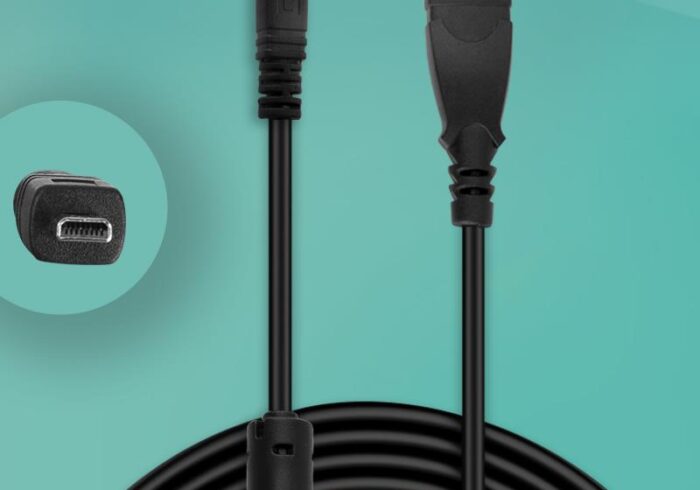
In today’s fast-paced digital world, having a reliable charging cable for your devices is essential. For iPhone 11 users, selecting the right charging cable can enhance your charging experience, ensuring your device stays powered up and ready to go. This article will explore the various types of charging cables available for the iPhone 11, their features, and how to choose the best one for your needs.
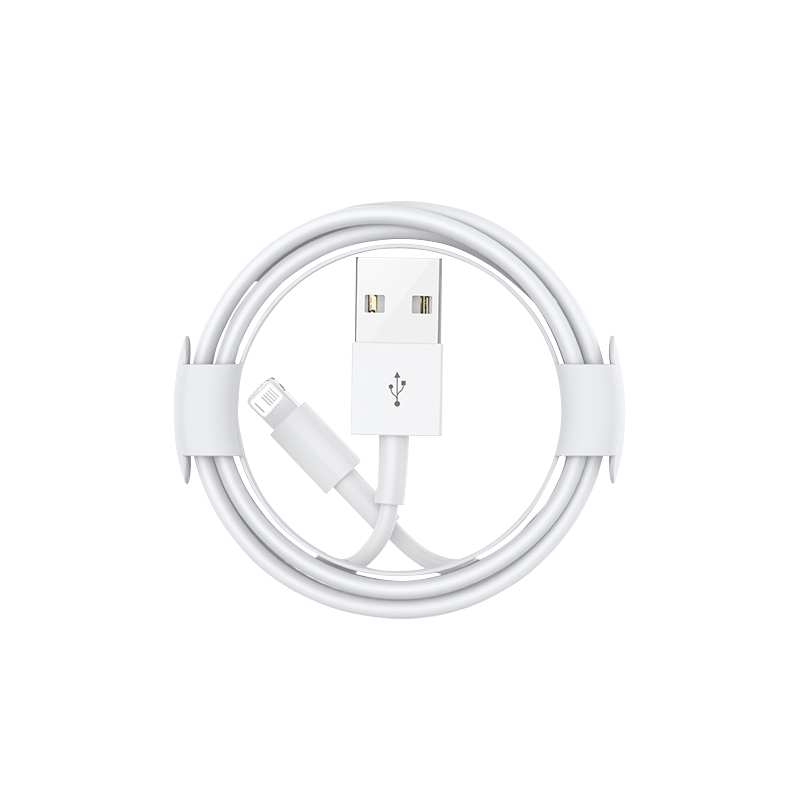
Table of Contents
Understanding the Basics of iPhone Charging Cables
What is a Charging Cable?
A charging cable is a device that connects your iPhone to a power source, allowing it to charge. The iPhone 11 primarily uses a Lightning connector, which is a proprietary connector developed by Apple. This connector is designed to be reversible, making it easy to plug in without worrying about orientation.
Types of Charging Cables for iPhone 11
There are several types of charging cables compatible with the iPhone 11:
- Lightning to USB-A Cable: This is the standard cable that comes with most iPhones. It connects to a USB-A power adapter or a computer’s USB port.
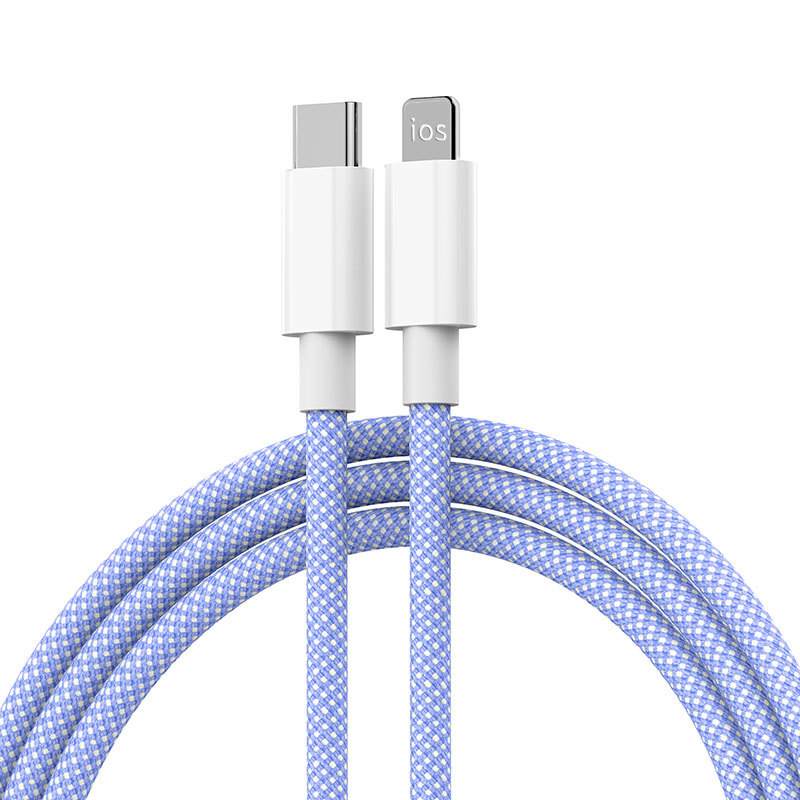
- Lightning to USB-C Cable: This cable is designed for faster charging and is compatible with USB-C power adapters. It allows for quicker data transfer and charging speeds.
- Third-Party Cables: Many manufacturers produce MFi (Made for iPhone) certified cables that are compatible with the iPhone 11. These can vary in quality and price.
Why Choosing the Right Cable Matters
Charging Speed
The charging speed of your iPhone 11 can significantly depend on the type of cable you use. For instance, using a Lightning to USB-C cable with a compatible power adapter can provide fast charging capabilities, allowing your device to charge up to 50% in about 30 minutes. This is particularly useful for users who are always on the go and need a quick power boost.
Durability and Build Quality
Not all cables are created equal. Some are designed with reinforced connectors and durable materials to withstand wear and tear. Investing in a high-quality cable can save you money in the long run by reducing the need for replacements. Look for cables with braided exteriors or those that feature strain relief at the connectors to prevent fraying.
Compatibility
While most cables will fit the iPhone 11, not all are created to the same standards. Using a non-certified cable can lead to compatibility issues, slower charging, or even damage to your device. Always look for MFi certification when purchasing third-party cables. This certification ensures that the cable meets Apple’s performance standards and is safe to use with your device.
Features to Look for in an iPhone 11 Charging Cable
Length
Charging cables come in various lengths, typically ranging from 1 meter to 3 meters. Consider where you will be using the cable. A longer cable may be more convenient for charging from a distance, while a shorter cable can be more portable. For example, if you often charge your phone while using it on a desk, a longer cable might be beneficial.
Fast Charging Capability
If you want to take advantage of the iPhone 11’s fast charging feature, ensure that the cable you choose supports this capability. Look for cables that are rated for at least 18W output when using a compatible power adapter. Fast charging can significantly reduce the time it takes to recharge your device, making it a valuable feature for busy users.
Flexibility and Tangle-Free Design
Cables that are flexible and designed to be tangle-free can enhance your user experience. Some cables come with braided exteriors or flat designs that prevent tangling and make them easier to store. A tangle-free design can save you time and frustration when you need to charge your device quickly.
Popular Charging Cables for iPhone 11
Apple Lightning to USB-C Cable
Apple’s own Lightning to USB-C cable is a top choice for iPhone 11 users. It supports fast charging and is made with high-quality materials, ensuring durability and reliability. This cable is ideal for users who want to maximize their charging speed and efficiency.
Anker Powerline II Lightning Cable
Anker is known for its durable charging accessories. The Powerline II Lightning cable is MFi certified and comes with a lifetime warranty, making it a great investment for iPhone 11 users. Its robust design and fast charging capabilities make it a popular choice among consumers.
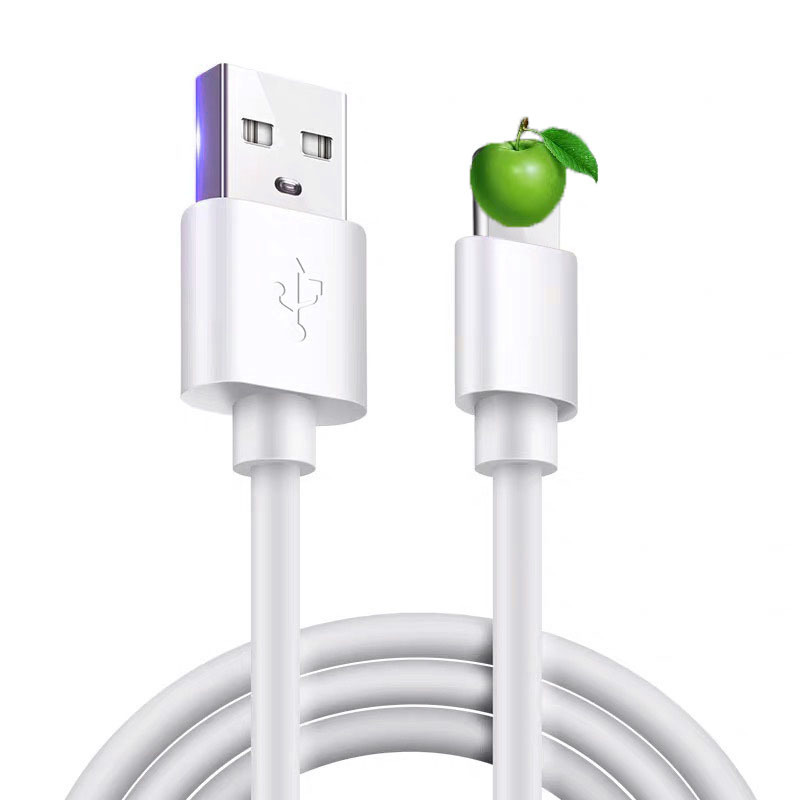
Belkin Boost Up Charge USB-C Cable
Belkin’s Boost Up Charge cable is another excellent option. It supports fast charging and is designed to withstand everyday wear and tear, making it ideal for users on the go. This cable is also compatible with a variety of devices, adding to its versatility.
How to Care for Your Charging Cable
Avoiding Damage
To prolong the life of your charging cable, avoid bending it at sharp angles, especially near the connectors. Store it properly when not in use, and consider using a cable organizer to prevent tangling. Additionally, avoid exposing the cable to extreme temperatures or moisture, as these can degrade the materials over time.
Cleaning Your Cable
Over time, dirt and debris can accumulate on your charging cable. To clean it, gently wipe the exterior with a soft, dry cloth. Avoid using any harsh chemicals that could damage the cable. Regular cleaning can help maintain the cable’s performance and appearance.
Maintenance Tips
- Reinforce the Ends: Consider using heat shrink tubing at the ends of your charging cable to reinforce them. This can help prevent fraying and extend the life of the cable.
- Store Properly: When not in use, store your charging cable in a cool, dry place. Avoid wrapping it tightly around objects, as this can cause stress on the connectors.
- Check for Damage: Regularly inspect your cable for any signs of wear, such as fraying or exposed wires. If you notice any damage, replace the cable immediately to avoid potential hazards.
- Use Cable Protectors: Invest in cable protectors or sleeves that can help shield the ends of your charging cable from damage. These are especially useful if you frequently plug and unplug your cable.
- Avoid Overheating: If your cable gets hot during use, it may be a sign of a problem. Disconnect it and allow it to cool down before using it again. Overheating can damage both the cable and your device.
Common Issues with Charging Cables
Cable Fraying
One of the most common issues with charging cables is fraying, particularly at the ends where they connect to the device or power source. This can lead to poor connectivity and charging issues. To prevent fraying, consider using cable protectors or opting for cables with reinforced ends.
Inconsistent Charging
If your iPhone 11 charges inconsistently or not at all, the issue may lie with the cable. Check for any visible damage, and try using a different cable to see if the problem persists. If the new cable works, it may be time to replace your old one.
Overheating
Using a low-quality or incompatible charging cable can lead to overheating, which can damage your device. If you notice your iPhone getting unusually hot while charging, disconnect it immediately and check the cable for any signs of damage.
Tips and Tricks for Optimizing Charging
Use the Right Power Adapter
To maximize charging efficiency, always use a power adapter that matches the cable’s capabilities. For fast charging, a 20W USB-C power adapter is recommended. This ensures that your iPhone 11 receives the optimal amount of power for quick charging.
Clean the Lightning Port
Dust and lint can accumulate in the Lightning port of your iPhone, which can hinder charging. Use a soft brush or a toothpick to gently clean out the port. This simple maintenance can improve connectivity and charging performance.
Charge in Airplane Mode
If you need to charge your iPhone quickly, consider putting it in Airplane Mode. This disables all wireless communications, reducing power consumption and allowing the battery to charge faster.
Avoid Using Your Phone While Charging
Using your iPhone while it’s charging can slow down the charging process. If possible, avoid heavy usage, such as gaming or streaming, while your device is plugged in. This will allow the battery to charge more efficiently.
Monitor Battery Health
Regularly check your iPhone’s battery health in the settings. If you notice a significant decline in battery performance, it may be time to consider a battery replacement. Keeping your battery healthy can enhance overall charging efficiency.
Environmental Impact of Charging Cables
E-Waste Concerns
The production and disposal of charging cables contribute significantly to electronic waste (e-waste). With millions of cables produced each year, many end up in landfills, where they can take years to decompose. The materials used in cables, such as plastics and metals, can leach harmful substances into the environment if not disposed of properly.
Carbon Footprint
The manufacturing process of charging cables has a notable carbon footprint. The extraction of raw materials, production, and transportation all contribute to greenhouse gas emissions. Standardizing charging cables could reduce this impact by minimizing the number of different cables produced and discarded.
Sustainable Materials
Some manufacturers are beginning to use more sustainable materials in their charging cables. Biodegradable plastics and recycled metals are being explored as alternatives to traditional materials. These innovations can help reduce the environmental impact of charging cables and promote sustainability in the tech industry.
Recycling Programs
Many companies are implementing recycling programs for old charging cables and electronic devices. Participating in these programs can help reduce e-waste and ensure that materials are reused or recycled properly. Consumers are encouraged to return their old cables to designated collection points to minimize their environmental impact.
Innovative Designs in Charging Cables
Self-Coiling Cables
One of the most exciting innovations in charging cable design is the self-coiling cable. This type of cable automatically retracts when not in use, preventing tangling and making it easier to store. The Lup Cable, for example, integrates magnetic coiling technology, allowing users to keep their cables organized without the hassle of manual winding.
Magnetic Connectors
Magnetic charging cables are gaining popularity due to their convenience and ease of use. These cables feature magnetic connectors that snap into place, reducing wear and tear on the cable and the device’s port. This design not only enhances durability but also makes it easier to connect and disconnect the cable, especially in low-light conditions.
Multi-Device Charging Cables
With the increasing number of devices we use daily, multi-device charging cables are becoming essential. These cables come with multiple connectors, allowing users to charge various devices simultaneously. For instance, a 3-in-1 cable can include Lightning, USB-C, and Micro-USB connectors, making it versatile for different devices.
Braided and Reinforced Designs
To combat fraying and damage, many manufacturers are now producing braided charging cables. These cables are made with durable materials that provide extra protection against wear and tear. Additionally, reinforced connectors help prevent damage at the points where cables are most likely to break.
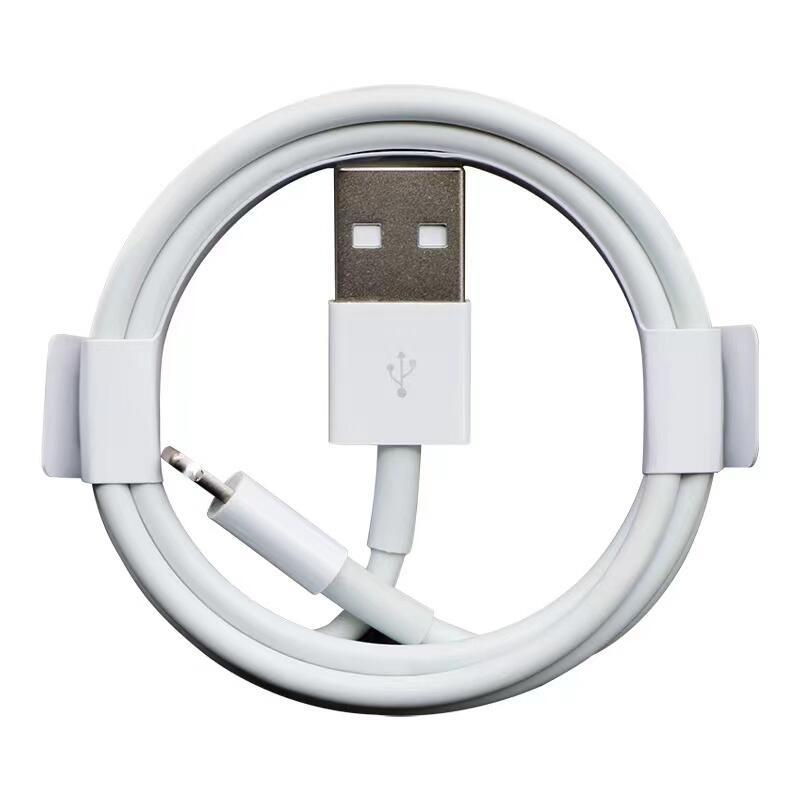
Eco-Friendly Cables
As sustainability becomes a priority for consumers, eco-friendly charging cables are emerging in the market. These cables are made from biodegradable materials or recycled plastics, reducing their environmental impact. Some brands are also focusing on minimal packaging and sustainable manufacturing processes to further enhance their eco-friendliness.
Conclusion
Choosing the right charging cable for your iPhone 11 is crucial for ensuring optimal performance and longevity of your device. By understanding the different types of cables available, their features, and how to care for them, you can make an informed decision that meets your charging needs. Investing in a high-quality, compatible charging cable will not only enhance your charging experience but also protect your device from potential damage. Additionally, being mindful of the environmental impact of charging cables can contribute to a more sustainable future. With innovative designs and sustainable practices on the rise, consumers have more options than ever to choose from.
How to purchase:Online B2B sourcing platform, China purchase, Chinese suppliers – LooperBuy
Frequently Asked Questions
1. What is the best charging cable for iPhone 11?
The best charging cable for iPhone 11 is the Apple Lightning to USB-C cable, as it supports fast charging and is made with high-quality materials.
2. Can I use a third-party charging cable for my iPhone 11?
Yes, you can use third-party charging cables, but ensure they are MFi certified to avoid compatibility issues.
3. How long does it take to charge an iPhone 11 with a fast charger?
Using a compatible fast charger and a Lightning to USB-C cable, you can charge your iPhone 11 up to 50% in about 30 minutes.
4. What should I do if my charging cable is not working?
If your charging cable is not working, check for any visible damage, try a different power source, or test it with another device to determine if the issue lies with the cable or the device.
5. How can I prevent my charging cable from breaking?
To prevent your charging cable from breaking, avoid bending it at sharp angles, store it properly, and consider using a cable protector.
HOT TAG: iPhone 11, charging cable, Lightning connector, fast charging capabilities, MFi certified cables, durable materials, USB-C compatibility, eco-friendly charging options, cable maintenance tips, innovative designs, self-coiling cables, magnetic connectors, multi-device charging solutions, environmental impact awareness, e-waste reduction strategies, sustainable materials in manufacturing, charging efficiency improvements, battery health monitoring, user convenience features, reinforced connectors, tangle-free designs, flexible cable options, high-quality charging accessories, reliable power adapters, charging speed optimization, consumer safety standards, responsible disposal practices, recycling programs for cables, reducing carbon footprint, enhancing user experience with technology.