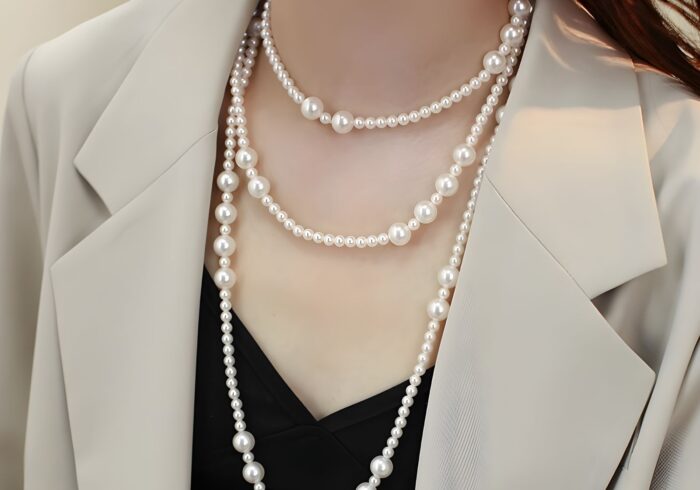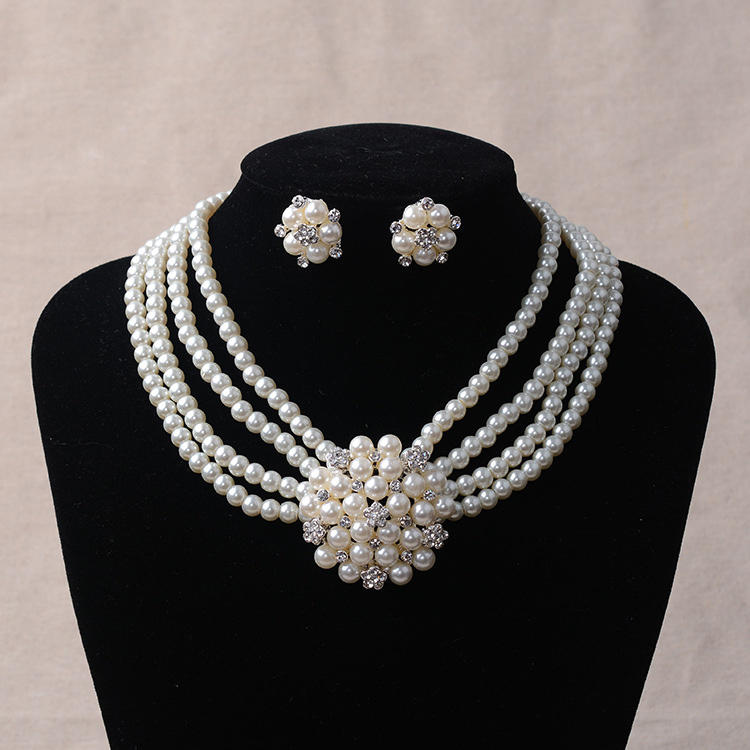
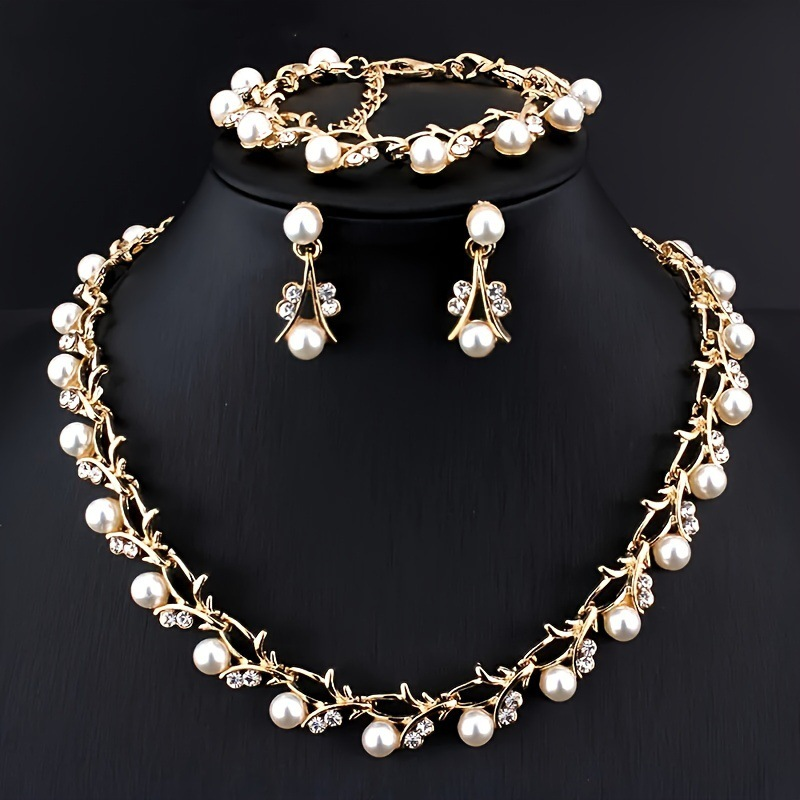
Pearl jewelry has long been synonymous with elegance and sophistication. Among the various types of pearl accessories, pearl necklaces and earrings stand out as timeless pieces that can elevate any outfit. This article delves into the history, styles, and significance of pearl necklaces and earrings, exploring why they remain a staple in the world of fashion.
Table of Contents
The History of Pearls in Jewelry
Ancient Beginnings
The use of pearls in jewelry dates back thousands of years. Ancient civilizations, including the Egyptians and Romans, prized pearls for their beauty and rarity. They were often associated with royalty and were used in crowns, necklaces, and other adornments. The allure of pearls was not just in their appearance; they were also believed to possess mystical properties, symbolizing purity and wisdom.
The Rise of Cultured Pearls
The 20th century saw a significant shift in the pearl industry with the advent of cultured pearls. In 1893, Kokichi Mikimoto successfully created the first cultured pearl, revolutionizing the market. This innovation made pearls more accessible to the general public, leading to a surge in their popularity. Today, cultured pearls are the most common type found in jewelry, available in various colors, shapes, and sizes.
Types of Pearl Necklaces and Earrings
Freshwater Pearls
Freshwater pearls are cultivated in freshwater lakes and rivers. They are known for their unique shapes and vibrant colors, ranging from white to pink and lavender. Freshwater pearl necklaces and earrings are often more affordable than their saltwater counterparts, making them a popular choice for everyday wear.
Akoya Pearls
Akoya pearls are saltwater pearls known for their classic round shape and high luster. They are primarily produced in Japan and are often used in traditional pearl necklaces and stud earrings. Akoya pearls are typically white or cream, with a subtle pink or silver overtone, making them a favorite for formal occasions.
Tahitian Pearls
Tahitian pearls are unique for their dark colors, which can range from black to green and blue. These pearls are cultivated in the waters around Tahiti and are often larger than other types. Tahitian pearl necklaces and earrings make bold statements and are perfect for those looking to stand out.
South Sea Pearls
South Sea pearls are among the largest and most luxurious pearls available. They are cultivated in the warm waters of Australia, Indonesia, and the Philippines. These pearls are known for their creamy white and golden hues, and their size and luster make them highly sought after for high-end jewelry.
Styling Pearl Necklaces and Earrings
Everyday Elegance
Pearl necklaces and earrings can effortlessly elevate casual outfits. A simple strand of freshwater pearls paired with stud earrings can add a touch of sophistication to a t-shirt and jeans ensemble. For a more polished look, consider layering multiple strands of pearls or mixing different types of pearls for a unique style.
Formal Occasions
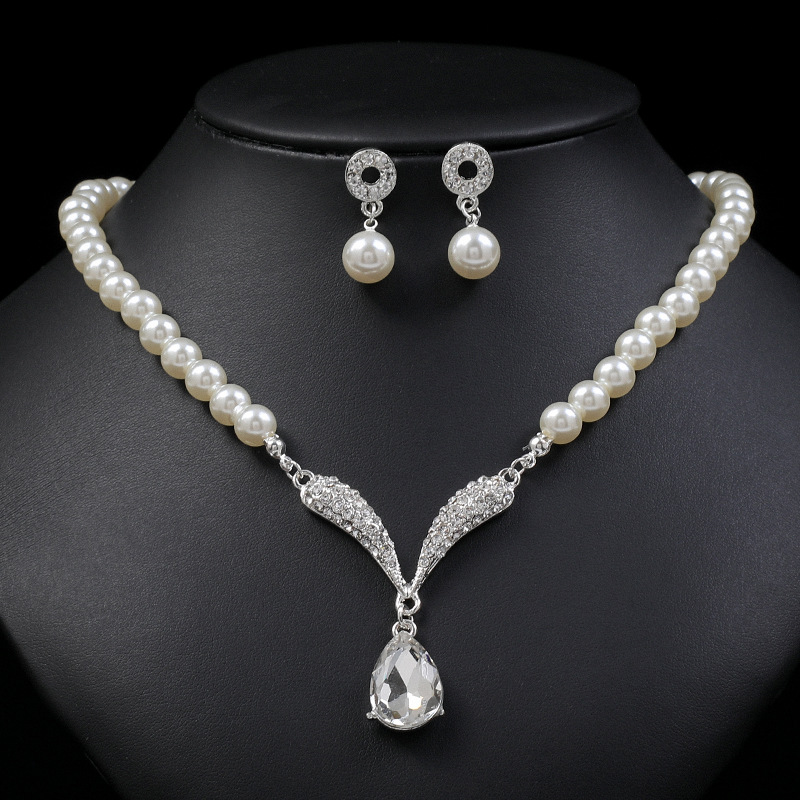
For formal events, pearl jewelry is a classic choice. A long pearl necklace can be worn as a single strand or doubled for a layered effect. Pairing it with matching pearl drop earrings creates a cohesive look that exudes elegance. Akoya or South Sea pearls are particularly suitable for weddings and gala events, where their luster can truly shine.
Mixing and Matching
One of the joys of pearl jewelry is its versatility. Pearls can be mixed with other materials, such as gold or silver, to create a modern twist on traditional styles. Consider pairing pearl earrings with a statement necklace or wearing a pearl choker with bold earrings for a contemporary look.
The Significance of Pearl Jewelry
Symbolism
Throughout history, pearls have been associated with various meanings. They symbolize purity, innocence, and wisdom, making them a popular choice for bridal jewelry. Many cultures believe that wearing pearls brings good luck and prosperity, further enhancing their appeal.
Gift of Love
Pearl necklaces and earrings are often given as gifts for special occasions, such as anniversaries, graduations, and birthdays. Their timeless nature makes them a cherished keepsake that can be passed down through generations. Gifting pearl jewelry signifies love and appreciation, making it a thoughtful choice for loved ones.
Current Trends in Pearl Jewelry
Embracing Modernity
In recent years, pearl jewelry has undergone a significant transformation. No longer confined to traditional designs, pearls are now featured in bold, contemporary styles. Designers are experimenting with asymmetrical shapes, baroque pearls, and mixed materials, making pearl jewelry more versatile than ever.
Sculptural Shapes and Baroque Designs
One of the most exciting trends is the rise of sculptural shapes and baroque designs. Irregular, organic pearls are taking center stage, offering a more artistic and personal touch to jewelry. These unique shapes allow wearers to express their individuality, moving away from the classic round pearl.
Layering and Stacking
Layering is another trend that has gained popularity. Mixing long strands, chokers, and chains creates a dynamic look that adds depth to any outfit. Pearls love to be layered, especially when combined with gold or other materials, allowing for a personalized style that reflects the wearer’s taste.
Gender-Neutral Styling
Pearls are no longer just for women. The trend of gender-neutral styling has brought pearls into men’s fashion as well. Chunky links and minimalist cuts are becoming popular in men’s jewelry, showcasing pearls in a fresh and modern light.
Statement Earrings
Oversized pearl earrings are making a bold statement in the fashion world. From geometric accents to mismatched sets, these earrings are designed to stand out. They can be paired with casual outfits or used to elevate formal attire, proving that pearls can be both elegant and edgy.
Caring for Your Pearl Jewelry
Cleaning and Maintenance
To keep your pearl necklaces and earrings looking their best, proper care is essential. Pearls are delicate and can be damaged by harsh chemicals, so it’s important to clean them gently. Use a soft, damp cloth to wipe away any dirt or oils after wearing. Avoid exposing pearls to perfumes, hairsprays, and other cosmetics.
Storage
When not in use, store your pearl jewelry in a soft pouch or a separate compartment in your jewelry box to prevent scratching. Avoid storing pearls with other jewelry pieces, as they can be easily scratched by harder materials.
Authenticating Genuine Pearls
The Tooth Test
One of the simplest methods to check if a pearl is real is the tooth test. Gently rub the pearl against the front of your tooth. Real pearls have a slightly gritty, textured feel, while imitation pearls feel smooth. This test is quick and can be done anywhere.
Examining the Luster and Surface
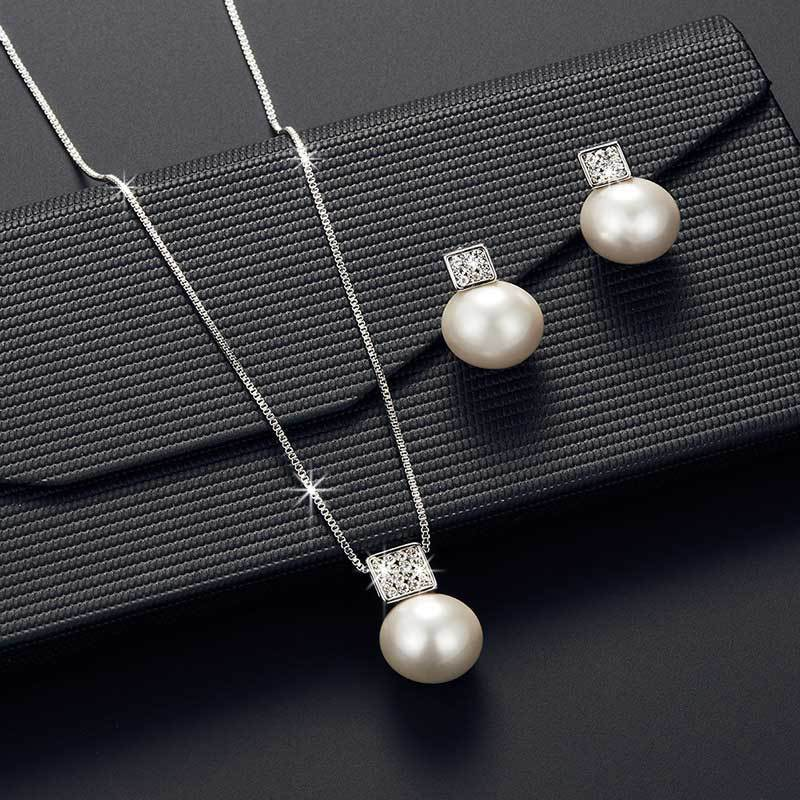
Real pearls have a deep, radiant luster that seems to glow from within. Look closely at the surface under a light source. Genuine pearls usually have slight variations and imperfections, while imitations are often too perfect. The luster of a real pearl is sharp and bright, while fake pearls may appear chalky or dull.
Weight Test
Genuine pearls typically feel heavier than their artificial counterparts. You can sense this difference by holding them in your hand or gently bouncing them in your palm. This method is particularly effective when comparing pearls of similar sizes.
Shape and Size Consistency
Authentic pearls rarely have a perfectly round shape or consistent size. Each pearl is unique, and slight irregularities are common. In contrast, imitation pearls often look too uniform, lacking the natural variations found in real pearls.
Professional Appraisal
When in doubt, the best way to confirm a pearl’s authenticity is through professional appraisal. A jeweler can use specialized tools and expertise to give a definitive answer. This is especially important for high-value pieces.
Innovations in Pearl Cultivation
The Tradition Meets Innovation
The history of pearl cultivation dates back to ancient times, where hunting for natural pearls in the sea was laborious and unpredictable. However, with the advent of modern technology, pearl farmers have redefined traditional methods to enhance their yield while preserving marine ecosystems. The integration of science and technology has led to the emergence of smarter farming techniques and the proliferation of alluring pearls like black Tahitian pearls.
Biotechnology in Pearl Cultivation
One of the most exciting developments in pearl farming has been the application of biotechnology. This field has opened doors to innovations that were once unimaginable. Genetic engineering allows pearl farmers to selectively breed oysters that can produce pearls with desired characteristics such as color, shape, and size. This means that farmers can consistently produce higher quality Tahitian pearls, enhancing their marketability.
Smart Farming Techniques
The incorporation of technology into pearl farming and marketing is set to revolutionize the industry. Innovations such as automated sorting and drilling machines have improved efficiency and reduced labor costs. These advancements not only streamline the production process but also enhance the quality of the pearls produced.
Sustainable Practices
Sustainability has become a key focus in pearl cultivation. Many farms are adopting eco-friendly practices to minimize their environmental impact. This includes using biodegradable materials for oyster farming and implementing systems that promote the health of marine ecosystems. Sustainable farming techniques not only benefit the environment but also appeal to consumers who are increasingly conscious of ethical sourcing.
The Future of Pearl Cultivation
As the pearl industry continues to innovate and adapt, we can expect even bolder colors, exquisite luster, and remarkable sustainability in pearl cultivation. The future looks bright for pearl farmers who embrace these advancements, ensuring that pearls remain a cherished and sought-after accessory for generations to come.
Conclusion
Pearl necklaces and earrings are more than just accessories; they are timeless pieces that carry a rich history and deep symbolism. Whether worn for everyday elegance or special occasions, they add a touch of sophistication to any outfit. With current trends embracing modern designs and styles, pearls are more versatile than ever, making them a worthy investment for anyone who appreciates the beauty of pearls.
How to purchase:Online B2B sourcing platform, China purchase, Chinese suppliers – LooperBuy
Frequently Asked Questions
1. What are the different types of pearls used in jewelry?
There are several types of pearls used in jewelry, including freshwater, Akoya, Tahitian, and South Sea pearls. Each type has its unique characteristics, colors, and sizes. Freshwater pearls are often more affordable and come in various shapes, while Akoya pearls are known for their classic round shape and high luster. Tahitian pearls are recognized for their dark colors, and South Sea pearls are prized for their size and luxurious appearance.
2. How should I care for my pearl jewelry?
To care for pearl jewelry, clean it gently with a soft, damp cloth after wearing. Avoid exposing pearls to harsh chemicals and store them separately to prevent scratching. It’s also advisable to keep pearls away from perfumes and cosmetics, as these can damage their surface.
3. Are pearls suitable for everyday wear?
Yes, pearls can be worn every day. Freshwater pearls, in particular, are versatile and can complement casual outfits beautifully. They can be styled with various clothing types, from casual to formal, making them a great addition to any wardrobe.
4. What occasions are pearl necklaces and earrings appropriate for?
Pearl jewelry is suitable for a variety of occasions, from casual outings to formal events like weddings and galas. Their timeless elegance makes them a perfect choice for any setting, and they can be dressed up or down depending on the outfit.
5. What are the latest innovations in pearl cultivation techniques?
Recent innovations in pearl cultivation include the use of biotechnology for selective breeding, smart farming techniques that enhance efficiency, and sustainable practices that minimize environmental impact. These advancements are helping to improve the quality and marketability of pearls while ensuring that farming practices are eco-friendly.
HOT TAG:pearl jewelry, pearl necklaces, pearl earrings, pearl care tips, pearl maintenance, freshwater pearls, Akoya pearls, Tahitian pearls, South Sea pearls, modern pearl designs, historical significance of pearls, cultural value of pearls, fashion trends in pearls, versatility of pearls, unique pearl shapes, layering pearl accessories, sustainable pearl farming, eco-friendly practices, authenticating pearls, market value of pearls, gift ideas for pearl jewelry, classic charm of pearls, personal expression with pearls, luxurious pearl pieces, styling tips for pearls, innovative pearl craftsmanship, pearl fashion statements, timeless elegance of pearls, pearl industry advancements.