
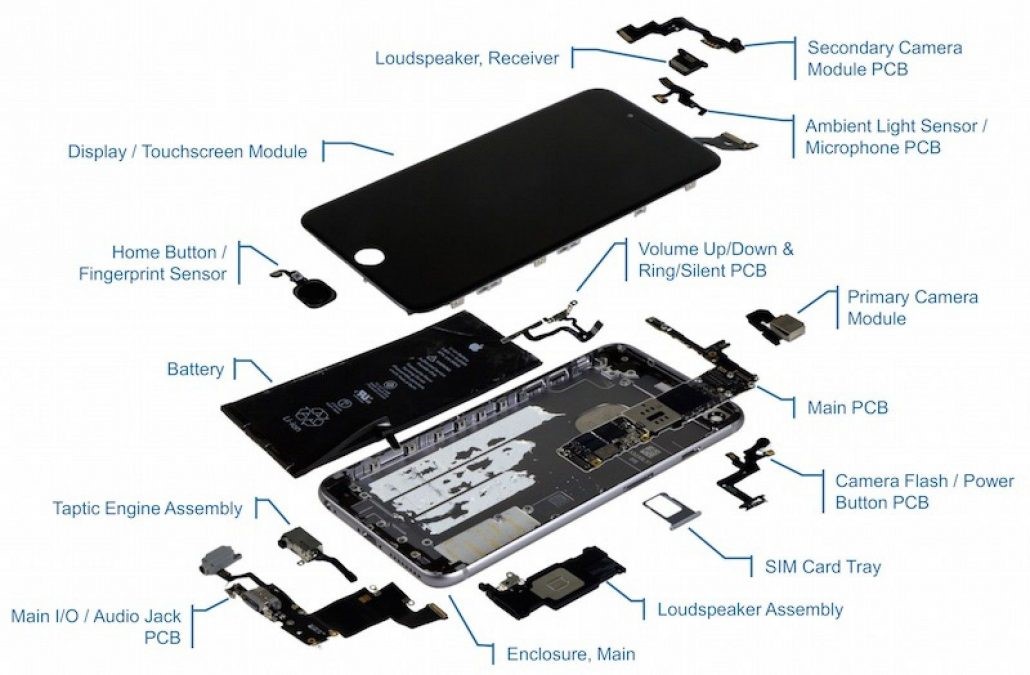
In the fast-evolving world of technology, smartphones have become an integral part of our daily lives. As a result, the demand for mobile phone components has surged, leading to a complex sourcing and pricing ecosystem, especially in the context of the Chinese Yuan (CNY). This article takes an in-depth look at the various components of a smartphone, the sourcing strategies adopted by manufacturers, and the impact of CNY prices on the global market.
Table of Contents
1. Overview of Mobile Phone Components
Smartphones are made up of numerous parts, each of which plays a vital role in the functionality of the device. Key components include:
Display: The screen is usually the most expensive part of a smartphone and includes LCD or OLED technology.
Battery: Lithium-ion batteries are standard and provide the necessary power for mobile devices.
Motherboard: This is the main circuit board that houses the CPU, memory, and other essential components.
Camera module: Modern smartphones often have multiple camera systems, including wide-angle, telephoto, and macro lenses.
Casing: The casing can be made of plastic, metal, or glass, providing protection and aesthetics.
Connectors and sensors: Includes charging ports, microphones, and various sensors (e.g., fingerprint, accelerometer).
2. Sourcing Mobile Phone Parts
Sourcing mobile phone parts requires a strategic approach to ensure quality, cost-effectiveness, and timely delivery. Here are some key aspects of sourcing:
Global supply chain: Many smartphone manufacturers source components from various countries. For example, while assembly may take place in China, components such as processors may come from the United States and displays from South Korea or Japan.
Wholesale suppliers: Companies such as Injured Gadgets and MobileSentrix specialize in the wholesale supply of mobile phone parts, offering a wide range of parts for a variety of brands. These suppliers typically offer competitive pricing and bulk buying options.
Quality control: Ensuring the quality of the parts you source is critical. Manufacturers typically implement strict quality control measures to avoid defects that could cause product failure.
Local vs. international sourcing: Depending on market conditions, some manufacturers may choose to source locally to reduce shipping costs and delivery times, while others may choose international suppliers to source specialized parts.
3. The role of RMB prices in the market
The RMB (CNY) plays an important role in the pricing of mobile phone components, especially given China’s position as a major manufacturing center. Here are some factors to consider:
Currency fluctuations: The value of the RMB against other currencies can affect the cost of imported components. A weaker RMB would make Chinese products cheaper for foreign buyers, potentially increasing demand.
Production costs: China’s labor costs, material prices, and manufacturing efficiency directly affect the pricing of mobile phone components. As wages in China rise, manufacturers may pass these costs on to consumers.
Market trends: Seasonal trends, such as the Lunar New Year (CNY), can affect prices. During this period, many factories are closed for the holiday, leading to potential shortages and price increases.

4. Current Trends in Mobile Phone Parts Pricing
The mobile phone parts pricing landscape through 2024 is influenced by several trends:
Increasing demand for high-quality components: With the rise of 5G technology and advanced camera systems, there is growing demand for high-quality parts, which could drive up prices.
Sustainability initiatives: Manufacturers are increasingly focusing on sustainable sourcing and production practices, which could impact costs. For example, sourcing recycled materials may be more expensive initially but can lead to long-term savings and environmental benefits.
Technological advances: Technological innovations can lead to new components that may be expensive initially but become more affordable as production scales.
5. Conclusion
The sourcing and pricing of mobile phone parts is a complex process that is influenced by a variety of factors, including global supply chains, currency fluctuations, and market trends. Understanding these dynamics is critical for manufacturers, suppliers, and consumers alike. As technology continues to evolve, staying up to date on sourcing strategies and pricing trends is essential to effectively navigating the smartphone market.
How to Purchase:http://looperbuy.com/search?keywords=Phones+Parts


https://t.me/s/Top_BestCasino/173
https://t.me/officials_pokerdom/3124
https://t.me/s/iGaming_live/4868
honour and refuge count when prefer affix. Every token in our https://www.cornbreadhemp.com/collections/thc-gummies catalog undergoes third-party screen so you get real organic CBD. We origin our hangman’s rope CBD from organic fertiliser grow, ensure zip pesticide or heavy metallic element in your CBD vegetable oil. Experience the full phase of the moon major power of panoptic spectrum CBD and full spectrum CBD with add together transparentness. clothe in material CBD character, enjoin agiotage CBD on-line, and get word why thousands trust our CBD trademark for daily health!