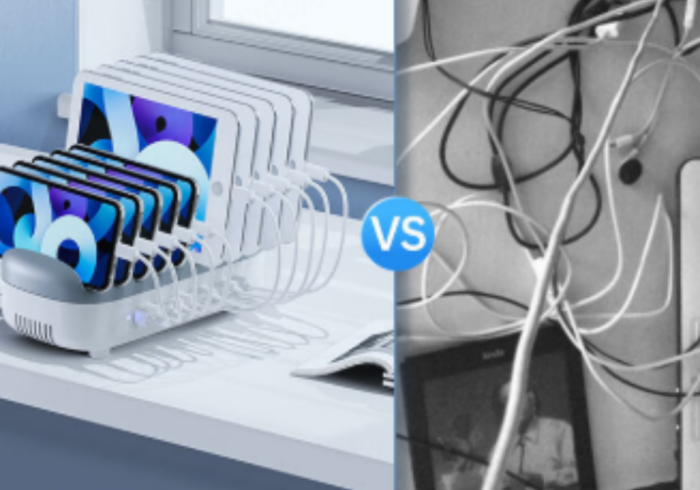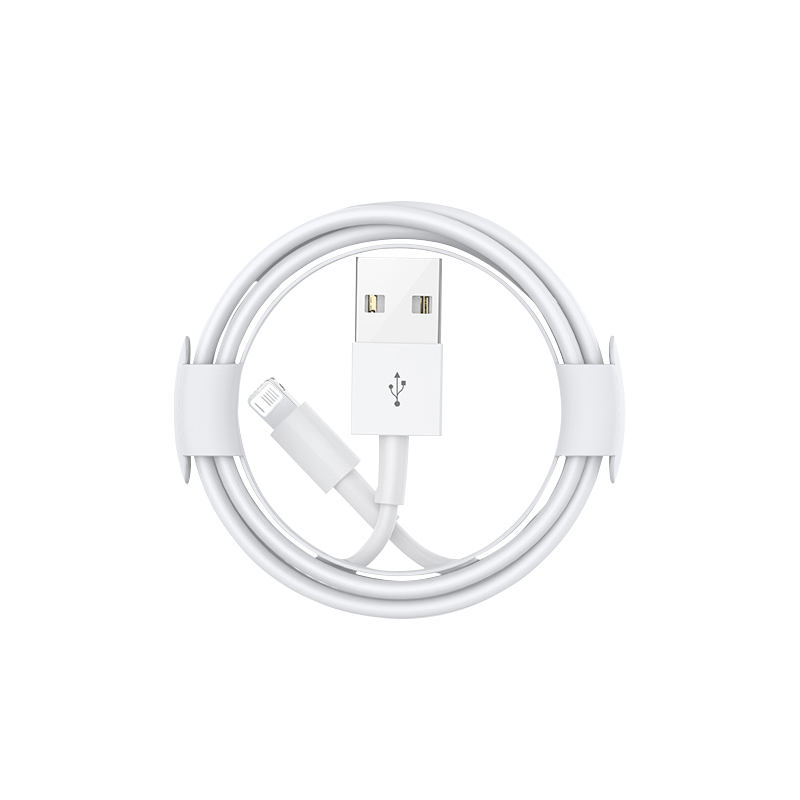
In the fast-paced world of technology, having the right accessories for your devices is crucial. One of the most essential accessories for your iPhone 14 Pro is undoubtedly the charging cable. With various options available, it can be overwhelming to choose the best one. This guide will explore everything you need to know about charging cables for the iPhone 14 Pro, including types, features, and tips for maintaining your cable.
Table of Contents
Understanding the Basics of iPhone Charging Cables
Types of Charging Cables
When it comes to charging your iPhone 14 Pro, there are primarily two types of cables you might encounter: Lightning cables and USB-C cables.
Lightning Cables
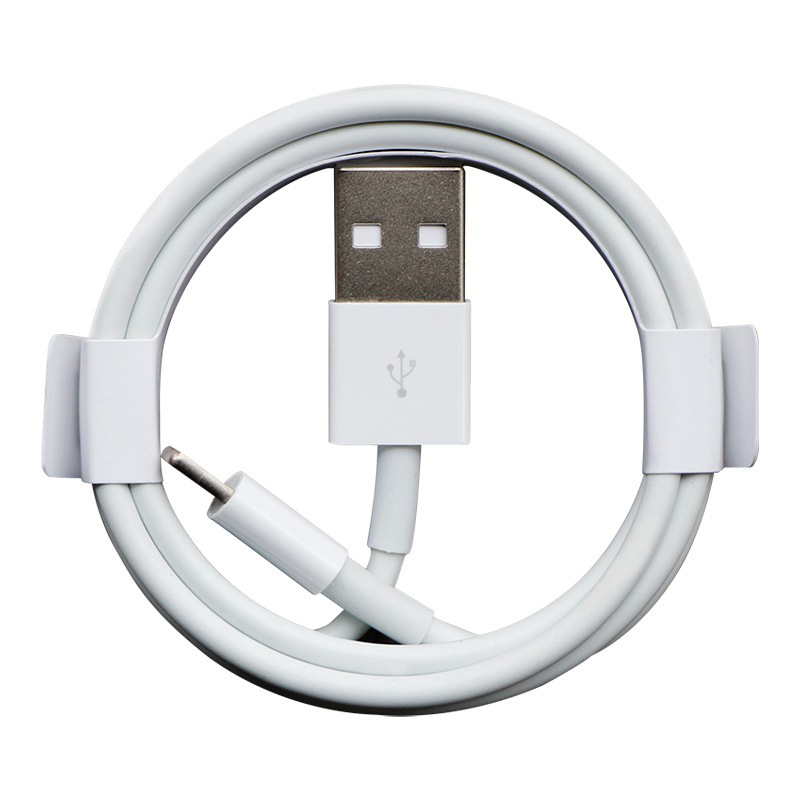
Lightning cables are Apple’s proprietary connectors that have been around since the iPhone 5. They are compact and reversible, making them user-friendly. The iPhone 14 Pro comes with a Lightning port, which means you will need a Lightning cable to charge it directly.
USB-C Cables
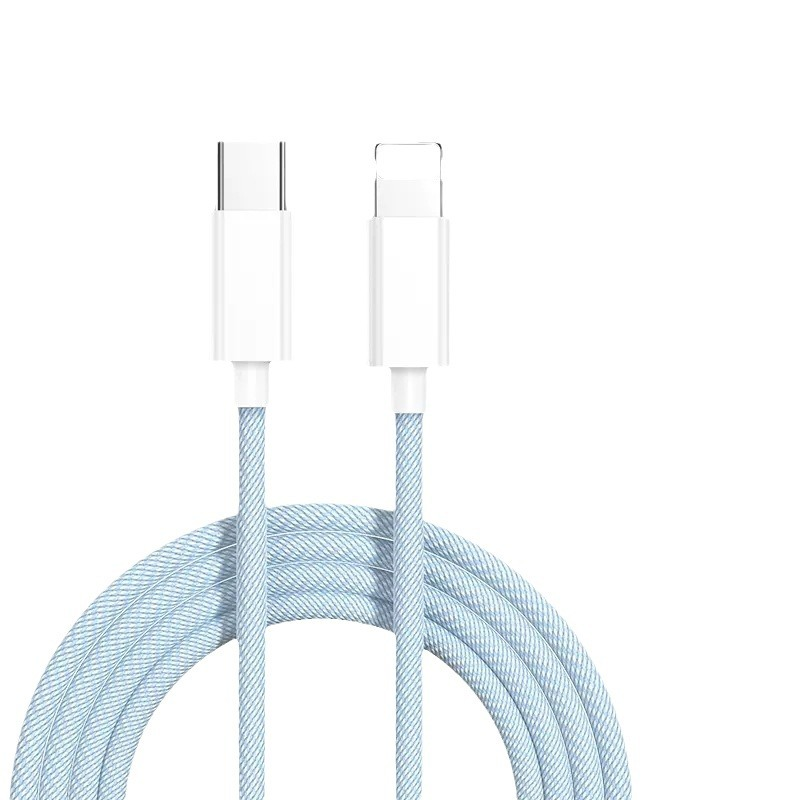
USB-C cables are becoming increasingly popular due to their versatility and faster charging capabilities. While the iPhone 14 Pro uses a Lightning port, you can use a USB-C to Lightning cable to connect to USB-C power adapters or other devices. This type of cable supports fast charging, allowing your iPhone to charge up to 50% in about 30 minutes with a compatible charger.
Fast Charging Capabilities
The iPhone 14 Pro supports fast charging, which can significantly reduce the time it takes to charge your device. To take advantage of this feature, you will need a compatible USB-C power adapter (20W or higher) and a USB-C to Lightning cable. Fast charging is particularly useful for users who are always on the go and need a quick power boost.
Choosing the Right Charging Cable
Length and Durability
When selecting a charging cable, consider the length that best suits your needs. Cables typically come in various lengths, from 1 meter to 3 meters or more. A longer cable can be more convenient for charging from a distance, such as when using your phone while it charges on a desk.
Durability is another critical factor. Look for cables that are reinforced or made from high-quality materials to withstand daily wear and tear. Braided cables, for example, tend to be more durable than standard plastic ones.
Compatibility and Certification
Ensure that the charging cable you choose is compatible with your iPhone 14 Pro. Apple recommends using certified cables to avoid potential damage to your device. Look for MFi (Made for iPhone) certification, which indicates that the cable meets Apple’s performance standards.
Popular Charging Cable Options for iPhone 14 Pro
Apple Lightning to USB-C Cable
The Apple Lightning to USB-C cable is a reliable choice for iPhone 14 Pro users. It supports fast charging and data transfer, making it a versatile option for both charging and syncing your device. Available in various lengths, this cable is designed to work seamlessly with Apple products.
Anker PowerLine II Lightning Cable
Anker is known for producing high-quality charging accessories, and the PowerLine II Lightning cable is no exception. This cable is built to last, featuring a reinforced design that can withstand over 12,000 bends. It also supports fast charging, making it an excellent choice for iPhone 14 Pro users.
Belkin Boost Charge USB-C to Lightning Cable
Belkin’s Boost Charge USB-C to Lightning cable is another great option for fast charging your iPhone 14 Pro. This cable is MFi certified and features a durable design, ensuring it can handle daily use. It is available in multiple lengths, allowing you to choose the one that fits your lifestyle best.
Advantages of Using USB-C to Lightning Cables
Enhanced Charging Speed
One of the primary advantages of using a USB-C to Lightning cable is the enhanced charging speed. These cables can deliver up to 20W of power, allowing your iPhone 14 Pro to charge significantly faster than with traditional USB-A cables. This is particularly beneficial for users who need to charge their devices quickly, such as during short breaks or while commuting.
Versatility
USB-C cables are not only compatible with iPhones but also with a wide range of devices, including iPads and MacBooks. This versatility means you can use the same cable for multiple devices, reducing clutter and the need for multiple charging accessories.
Future-Proofing
As technology evolves, USB-C is becoming the standard for many devices. By investing in a USB-C to Lightning cable, you are future-proofing your charging needs. This cable will likely remain compatible with future Apple products, making it a smart long-term investment.
Safety Concerns with Charging Cables
Risks of Non-Certified Cables
Using non-MFi certified cables can pose several risks. These cables may not meet Apple’s safety standards, which can lead to overheating, short-circuiting, or even damaging your device. It’s essential to choose cables from reputable manufacturers to ensure safety and reliability.
Signs of a Faulty Cable
Regularly inspect your charging cable for any signs of wear and tear. Look for frayed ends, exposed wires, or any other damage. If you notice any issues, it’s best to replace the cable to avoid potential hazards. Additionally, if your device shows warning messages about the accessory not being supported, it’s a clear indication that the cable may not be safe to use.
Safe Charging Practices
To ensure safe charging, always use cables and adapters that are certified and compatible with your device. Avoid using damaged cables, and do not charge your device in extreme temperatures. Keeping your charging area clean and free from debris can also help prevent accidents.
Tips for Maintaining Your Charging Cable
Avoiding Common Mistakes
To prolong the life of your charging cable, avoid common mistakes such as:
- Bending the Cable: Excessive bending can damage the internal wires. Always handle your cable gently.
- Exposing to Extreme Temperatures: Keep your cable away from extreme heat or cold, as this can affect its performance.
- Using Third-Party Chargers: While some third-party chargers are safe, using non-certified chargers can lead to damage.
Proper Storage
When not in use, store your charging cable properly. Avoid wrapping it tightly around objects, as this can cause kinks and damage. Instead, consider using a cable organizer or simply coiling it loosely.
Regular Inspection
Periodically inspect your charging cable for any signs of wear and tear. Look for frayed ends, exposed wires, or any other damage. If you notice any issues, it’s best to replace the cable to avoid potential hazards.
Durable Charging Cable Materials
Nylon Braided Cables
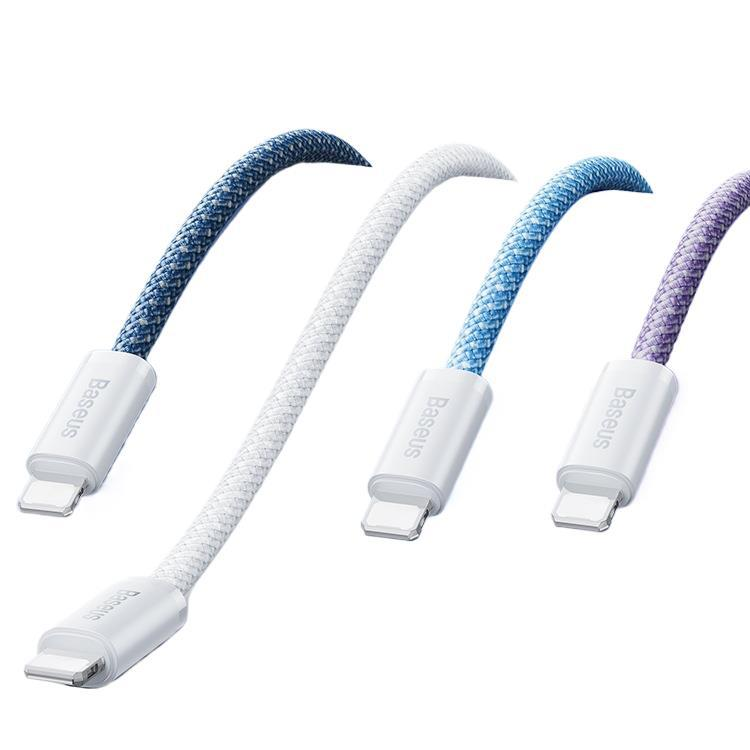
Nylon braided cables are known for their strength and tangle resistance, making them more durable than standard plastic cables. The braided exterior provides additional protection against fraying and wear, ensuring a longer lifespan. These cables are ideal for users who frequently travel or use their devices in various environments.
TPE (Thermoplastic Elastomer)
TPE is a flexible and durable material often used in the construction of charging cables. It is resistant to heat and cold, making it suitable for various charging conditions. TPE cables are also less likely to crack or become brittle over time, providing a reliable charging solution.
Reinforced Connectors
Many high-quality charging cables feature reinforced connectors that are designed to withstand bending and pulling. These connectors are often made from metal or high-grade plastic, providing added durability where cables are most vulnerable. Look for cables with strain relief features that help prevent damage at the connection points.
Silicone Cables
Silicone cables are another option for those seeking durability. They are flexible and resistant to wear, making them less likely to break or fray. Silicone is also less prone to tangling, which can be a significant advantage for users who frequently store their cables in bags or pockets.
Best MFi Certified USB-C to Lightning Cables for iPhone 14 Pro
Anker PowerLine III USB-C to Lightning Cable
Anker’s PowerLine III USB-C to Lightning cable is a top choice for iPhone 14 Pro users. It is MFi certified and supports fast charging, allowing your device to charge up to 50% in just 30 minutes. The cable is designed to withstand over 25,000 bends, making it one of the most durable options available.
Apple USB-C to Lightning Cable
The official Apple USB-C to Lightning cable is another excellent choice. It is MFi certified and supports fast charging, ensuring optimal performance with your iPhone 14 Pro. Available in various lengths, this cable is a reliable option for users who prefer using Apple products.
RAVPower USB-C to Lightning Cable
RAVPower offers a high-quality USB-C to Lightning cable that is MFi certified and supports fast charging. This cable is designed with a durable nylon braided exterior, providing added protection against wear and tear. It is an excellent choice for users looking for a balance of quality and affordability.
UGREEN USB-C to Lightning Cable
UGREEN’s USB-C to Lightning cable is another great option for iPhone 14 Pro users. It is MFi certified and supports fast charging, allowing for quick power-ups. The cable features a durable design with reinforced connectors, ensuring longevity and reliability.
How MagSafe Charging Compares to Wired Charging
Speed and Efficiency
MagSafe charging offers a convenient way to charge your iPhone 14 Pro without the need for cables. However, it is generally slower than wired charging. While MagSafe can provide up to 15W of power, wired charging with a USB-C to Lightning cable can deliver up to 20W or more, allowing for faster charging times.
Convenience
One of the main advantages of MagSafe charging is its convenience. The magnetic alignment ensures that your iPhone connects perfectly to the charger every time, reducing the hassle of plugging in cables. This feature is particularly useful for users who frequently charge their devices throughout the day.
Heat Management
Wired charging tends to generate less heat compared to wireless charging. Excessive heat can affect battery health over time, so if you are concerned about maintaining your iPhone’s battery longevity, using a wired connection may be the better option.
Innovative Charging Cable Designs
90-Degree Connector Cables
Cables with a 90-degree connector design are becoming increasingly popular. This design allows for easier handling and reduces strain on the cable when charging while using the device. These cables are particularly useful for gaming or watching videos while charging.
Tangle-Free Designs
Many manufacturers are now producing tangle-free cables that feature flat or braided designs. These cables are less likely to knot or twist, making them easier to store and use. Look for cables that come with cable management solutions, such as Velcro ties or clips, to keep them organized.
Multi-Device Charging Cables
Some innovative charging cables now come with multiple connectors, allowing you to charge different devices with a single cable. These multi-device cables often include USB-C, Lightning, and micro-USB connectors, making them versatile for users with various devices.
Conclusion
Choosing the right charging cable for your iPhone 14 Pro is essential for ensuring optimal performance and longevity of your device. By understanding the different types of cables available, their features, and how to maintain them, you can make an informed decision that suits your needs. Whether you opt for an Apple-certified cable or a third-party option, always prioritize quality and compatibility to keep your iPhone charged and ready for use.
How to purchase:Online B2B sourcing platform, China purchase, Chinese suppliers – LooperBuy
Frequently Asked Questions
1. What is the best charging cable for iPhone 14 Pro?
The best charging cable for the iPhone 14 Pro is one that is MFi certified, supports fast charging, and is made from durable materials. Options like the Apple Lightning to USB-C cable and Anker PowerLine II are highly recommended.
2. Can I use a USB-C cable to charge my iPhone 14 Pro?
Yes, you can use a USB-C to Lightning cable to charge your iPhone 14 Pro. This allows for faster charging when connected to a compatible USB-C power adapter.
3. How long does it take to charge an iPhone 14 Pro with a fast charger?
Using a compatible 20W or higher USB-C power adapter, you can charge your iPhone 14 Pro to about 50% in approximately 30 minutes.
4. What should I do if my charging cable is not working?
If your charging cable is not working, check for any visible damage, ensure it is properly connected, and try using a different power adapter. If the problem persists, consider replacing the cable.
5. How can I prevent my charging cable from breaking?
To prevent your charging cable from breaking, avoid bending it excessively, keep it away from extreme temperatures, and store it properly when not in use.
HOT TAG: iPhone 14 Pro accessories, charging cable options, fast charging solutions, USB-C to Lightning cables, durable charging materials, MFi certified cables, nylon braided cables, TPE charging cables, MagSafe technology, cable maintenance tips, safety concerns for charging, innovative cable designs, multi-device charging solutions, best charging practices, heat management in charging, cable storage solutions, reinforced connectors, tangle-free cables, eco-friendly disposal methods, charging speed optimization, user-friendly charging accessories.