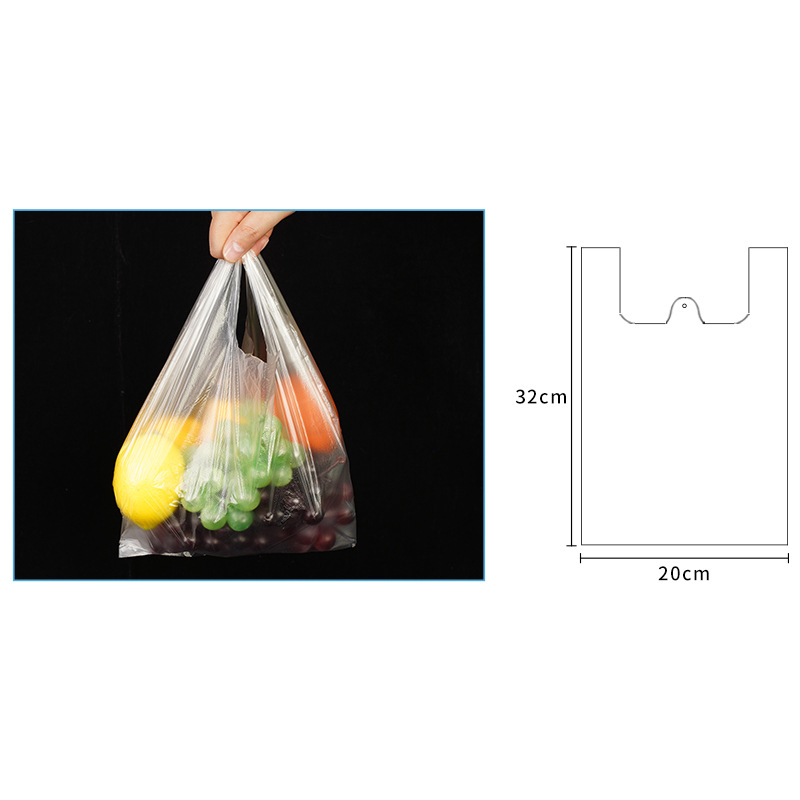
Plastic food bags are ubiquitous in kitchens and grocery stores around the world. They serve a multitude of purposes, from storing leftovers to packing lunches, and their convenience has made them a staple in modern food storage. However, as the world becomes increasingly aware of environmental issues, the use of plastic food bags has come under scrutiny. This article will explore the various uses of plastic food bags, their benefits, and the environmental implications of their widespread use.
Table of Contents
Understanding Plastic Food Bags

What Are Plastic Food Bags?
Plastic food bags are flexible containers made from various types of plastic, primarily designed for storing food items. They come in various sizes and styles, including resealable bags, sandwich bags, freezer bags, and bulk storage bags. The most common materials used in their production are low-density polyethylene (LDPE) and high-density polyethylene (HDPE), which are known for their durability and flexibility.
Types of Plastic Food Bags
- Sandwich Bags: These are typically smaller bags designed to hold sandwiches, snacks, and other small food items. They often come with a resealable closure to keep contents fresh.
- Freezer Bags: Thicker than standard sandwich bags, freezer bags are designed to withstand low temperatures without breaking or leaking. They are ideal for storing food in the freezer.
- Bulk Storage Bags: These larger bags are used for storing bulk items such as grains, flour, or pet food. They are often used in commercial settings but can also be useful for home storage.
- Compostable Bags: With growing environmental concerns, some manufacturers have started producing compostable plastic bags made from plant-based materials. These bags are designed to break down more easily in composting environments.
The Benefits of Using Plastic Food Bags
Convenience and Versatility
One of the primary advantages of plastic food bags is their convenience. They are lightweight, easy to use, and can be sealed tightly to keep food fresh. Their versatility allows them to be used for a variety of purposes, including:
- Storing Leftovers: After a meal, plastic food bags can be used to store leftover food, making it easy to reheat later.
- Packing Lunches: Parents and individuals often use plastic bags to pack sandwiches, fruits, and snacks for school or work.
- Marinating Foods: Resealable plastic bags are perfect for marinating meats and vegetables, as they allow for even distribution of marinades without the mess of traditional containers.
Cost-Effective
Plastic food bags are generally inexpensive, making them an economical choice for food storage. They are widely available in grocery stores and online, often sold in bulk, which can further reduce costs. This affordability makes them accessible to a wide range of consumers.
Space-Saving
Plastic food bags can be flattened when empty, allowing for easy storage in drawers or cabinets. This space-saving feature is particularly beneficial in smaller kitchens where storage space is limited.
Environmental Concerns
Plastic Waste
Despite their convenience, plastic food bags contribute significantly to plastic waste. Millions of plastic bags are used and discarded every day, many of which end up in landfills or the ocean. Plastic takes hundreds of years to decompose, leading to long-term environmental issues.
Impact on Wildlife
Plastic pollution poses a serious threat to wildlife. Animals can become entangled in plastic bags or mistake them for food, leading to injury or death. Marine life, in particular, is at risk, as plastic bags can be mistaken for jellyfish or other prey.
Efforts to Reduce Plastic Use
In response to growing environmental concerns, many cities and countries have implemented bans or restrictions on single-use plastic bags. These initiatives aim to reduce plastic waste and encourage the use of reusable alternatives. Consumers are increasingly turning to cloth bags, silicone storage bags, and other eco-friendly options.
Alternatives to Plastic Food Bags
Reusable Silicone Bags
Silicone bags are a popular alternative to traditional plastic food bags. They are durable, reusable, and can withstand high temperatures, making them suitable for cooking and freezing. Silicone bags are also easy to clean and can be placed in the dishwasher.
Beeswax Wraps
Beeswax wraps are another eco-friendly option for food storage. Made from organic cotton infused with beeswax, these wraps can be molded around food items and reused multiple times. They are biodegradable and provide a sustainable alternative to plastic.

Glass Containers
For those looking to eliminate plastic entirely, glass containers are an excellent choice. They are durable, reusable, and do not leach chemicals into food. Glass containers are available in various sizes and can be used for both storage and cooking.
Fabric Snack Bags
Fabric snack bags are another reusable alternative that is gaining popularity. Made from cotton or other washable materials, these bags can be used for snacks, sandwiches, and other food items. They are often lined with a waterproof material to prevent leaks and can be washed and reused many times.
Compostable Bags
Compostable bags made from plant-based materials are becoming more common as consumers seek sustainable options. These bags are designed to break down in composting environments, reducing their environmental impact compared to traditional plastic bags.
Best Practices for Using Plastic Food Bags
Proper Storage Techniques
To maximize the effectiveness of plastic food bags, it is essential to use them correctly. Here are some best practices:
- Remove Air: When sealing bags, try to remove as much air as possible to prevent freezer burn and keep food fresh longer.
- Label and Date: For items stored in the freezer, label bags with the contents and date to keep track of freshness.
- Avoid Overfilling: Do not overfill bags, as this can lead to leaks and spills.
Recycling Plastic Bags
While many plastic food bags are not recyclable through curbside programs, some grocery stores offer recycling programs for plastic bags. Check with local retailers to see if they accept plastic bags for recycling.
Reusing Plastic Bags
Consider reusing plastic food bags for non-food purposes, such as organizing small items, storing craft supplies, or packing items for travel. This practice can help reduce waste and extend the life of the bags.
Health Risks Associated with Plastic Food Bags
Chemical Leaching
One of the primary concerns regarding plastic food bags is the potential for chemical leaching. Certain types of plastics can release harmful chemicals, such as bisphenol A (BPA) and phthalates, into food, especially when exposed to heat. These chemicals have been linked to various health issues, including hormonal disruptions and increased risk of certain cancers.
Safe Usage Guidelines
To minimize health risks, it is advisable to avoid using plastic food bags for heating food in the microwave or storing hot foods. Instead, opt for glass or ceramic containers for these purposes. Additionally, always check for BPA-free labels when purchasing plastic food bags to ensure they are safer for food storage.
Innovations in Sustainable Plastic Food Bags
Biodegradable Options
In response to environmental concerns, manufacturers are developing biodegradable plastic food bags made from plant-based materials. These bags are designed to break down more quickly than traditional plastics, reducing their impact on the environment.
Reusable and Recyclable Designs
Some companies are now producing plastic food bags that are both reusable and recyclable. These bags are designed to withstand multiple uses and can be recycled at the end of their life cycle, providing a more sustainable option for consumers.
Smart Packaging Technology
Innovations in smart packaging technology are also emerging, with some plastic food bags incorporating sensors that can detect spoilage or contamination. This technology can help consumers make informed decisions about food safety and reduce food waste.
Enhanced Barrier Properties
Recent advancements in plastic technology have led to the development of food bags with enhanced barrier properties. These bags can better protect food from oxygen, moisture, and light, extending shelf life and maintaining freshness. This innovation is particularly beneficial for perishable items, reducing food waste and improving food safety.
Eco-Friendly Manufacturing Processes
Manufacturers are increasingly adopting eco-friendly practices in the production of plastic food bags. This includes using renewable energy sources, reducing water usage, and minimizing waste during the manufacturing process. These efforts contribute to a more sustainable approach to plastic production.
The Role of Consumer Awareness
Educating Consumers
As awareness of the environmental impact of plastic food bags grows, it is crucial for consumers to educate themselves about their choices. Understanding the types of plastics used in food bags, their potential health risks, and the importance of recycling can empower consumers to make informed decisions.
Advocating for Change
Consumers can also play a role in advocating for change. By supporting brands that prioritize sustainability and eco-friendly practices, individuals can encourage more companies to adopt environmentally responsible methods. Participating in local initiatives to reduce plastic waste and promote recycling can further contribute to positive change.
The Importance of Community Action
Community action is vital in addressing the plastic waste crisis. Local clean-up events, educational workshops, and advocacy campaigns can raise awareness and inspire collective action. By working together, communities can create a significant impact in reducing plastic pollution and promoting sustainable practices.
The Future of Plastic Food Bags
Trends in Consumer Preferences
As consumers become more environmentally conscious, there is a growing demand for sustainable packaging solutions. This trend is pushing manufacturers to innovate and create products that align with consumer values. The future of plastic food bags may see a shift towards more biodegradable and compostable options, as well as increased transparency regarding the materials used in production.
Regulatory Changes
Governments around the world are beginning to implement stricter regulations on plastic use, particularly single-use plastics. These regulations may include bans on plastic bags or requirements for manufacturers to produce more sustainable options. As these changes take effect, the landscape of food storage solutions will likely evolve, with a greater emphasis on sustainability.
The Role of Technology
Advancements in technology will continue to play a significant role in the development of plastic food bags. Innovations in materials science may lead to the creation of new types of plastics that are both durable and environmentally friendly. Additionally, smart packaging technology could enhance food safety and reduce waste, making plastic food bags more efficient and sustainable.
Effective Ways to Reduce Plastic Food Bag Usage at Home
Embrace Reusable Alternatives
One of the most effective ways to reduce plastic food bag usage is to embrace reusable alternatives. Investing in high-quality silicone bags, beeswax wraps, and glass containers can significantly decrease reliance on single-use plastic bags. These alternatives not only help the environment but can also save money in the long run.
Meal Planning and Preparation
Meal planning can help minimize the need for plastic food bags. By preparing meals in advance and using appropriate storage containers, you can reduce food waste and avoid the need for plastic bags. This practice encourages healthier eating habits and can lead to more efficient grocery shopping.
Educate Family Members
Educating family members about the importance of reducing plastic waste can foster a culture of sustainability at home. Encourage everyone to participate in using reusable bags and containers, and explain the environmental impact of plastic waste. This collective effort can lead to significant reductions in plastic bag usage.
Organize a Plastic-Free Challenge
Consider organizing a plastic-free challenge within your household or community. Set a specific timeframe during which participants commit to avoiding single-use plastics, including food bags. This challenge can raise awareness and motivate individuals to seek out sustainable alternatives.
Support Local Initiatives
Engaging with local initiatives aimed at reducing plastic waste can amplify your efforts. Participate in community clean-up events, support local businesses that prioritize sustainability, and advocate for policies that promote eco-friendly practices. Collective action can lead to meaningful change in your community.
Conclusion
Plastic food bags are a convenient and versatile solution for food storage, but their environmental impact cannot be ignored. As consumers become more aware of the consequences of plastic waste, it is essential to consider alternatives and adopt sustainable practices. By making informed choices about food storage, we can reduce our reliance on single-use plastics and contribute to a healthier planet.
How to purchase:Online B2B sourcing platform, China purchase, Chinese suppliers – LooperBuy
Frequently Asked Questions
1. Are plastic food bags recyclable?
Most plastic food bags are not recyclable through curbside programs, but some grocery stores have recycling bins for plastic bags.
2. Can I use plastic food bags in the freezer?
Yes, freezer bags are specifically designed to withstand low temperatures and are ideal for storing food in the freezer.
3. What are some eco-friendly alternatives to plastic food bags?
Eco-friendly alternatives include reusable silicone bags, beeswax wraps, fabric snack bags, and glass containers.
4. How can I properly store food in plastic bags?
To store food effectively, remove as much air as possible, label and date the bags, and avoid overfilling them.
5. What should I do with plastic food bags after use?
If recycling is not an option, consider reusing them for other purposes or check if your local grocery store has a recycling program.
HOT TAG: plastic food bags, food storage solutions, eco-friendly alternatives, reusable silicone bags, kitchen organization, plastic waste reduction, sustainable practices, food preservation tips, recycling plastic bags, environmental impact of plastics, biodegradable options, smart packaging technology, health risks of plastics, community action, reducing plastic use, meal planning, compostable bags, fabric snack bags, consumer awareness, innovative packaging solutions.