
Table of Contents
Understanding Chain Pet Leashes
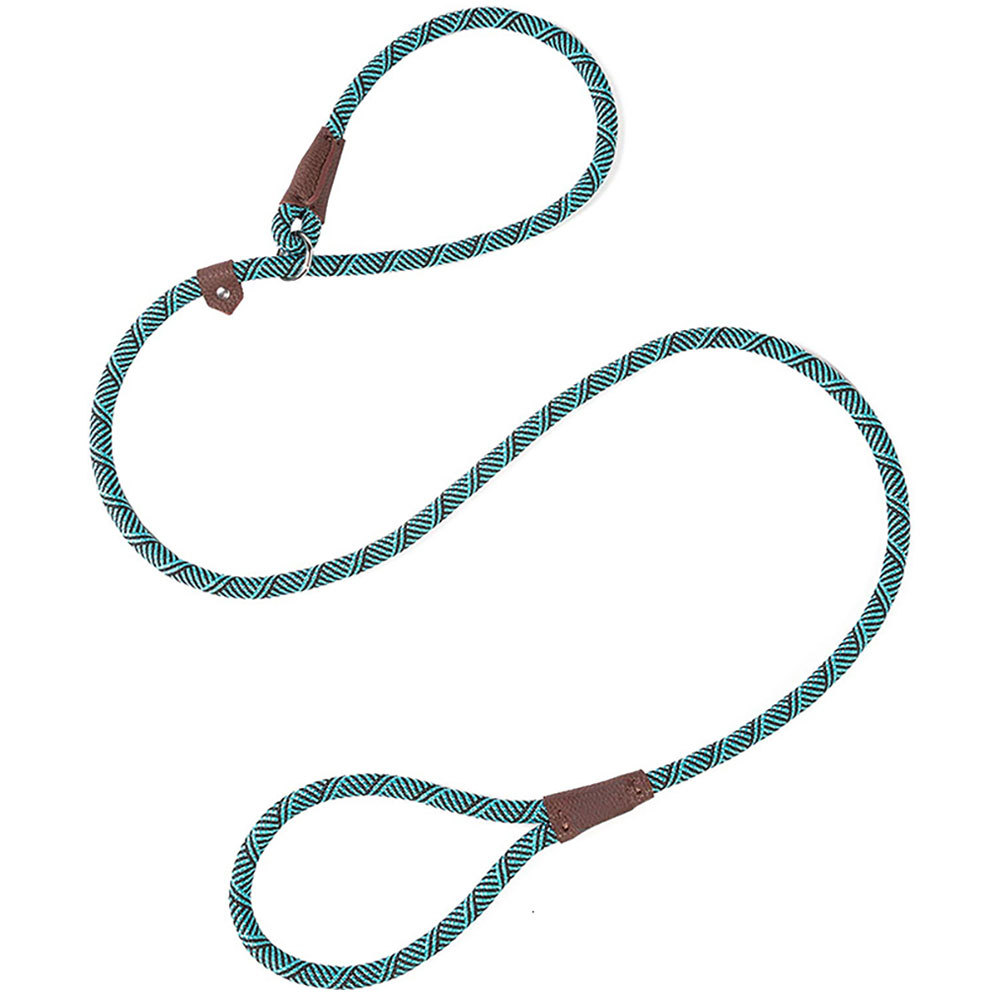
Chain pet leashes are a popular choice among dog owners, especially for those with strong or large breeds. These leashes are designed to provide durability and security, ensuring that your pet remains safe during walks. In this guide, we will explore the various aspects of chain pet leashes, including their benefits, types, and how to choose the right one for your dog.
What is a Chain Pet Leash?
A chain pet leash is a type of dog leash made primarily from metal chains. These leashes are often used for training purposes or for dogs that tend to chew through traditional fabric leashes. The metal construction provides a robust alternative that can withstand the pulling and tugging of energetic dogs.
Benefits of Using Chain Pet Leashes
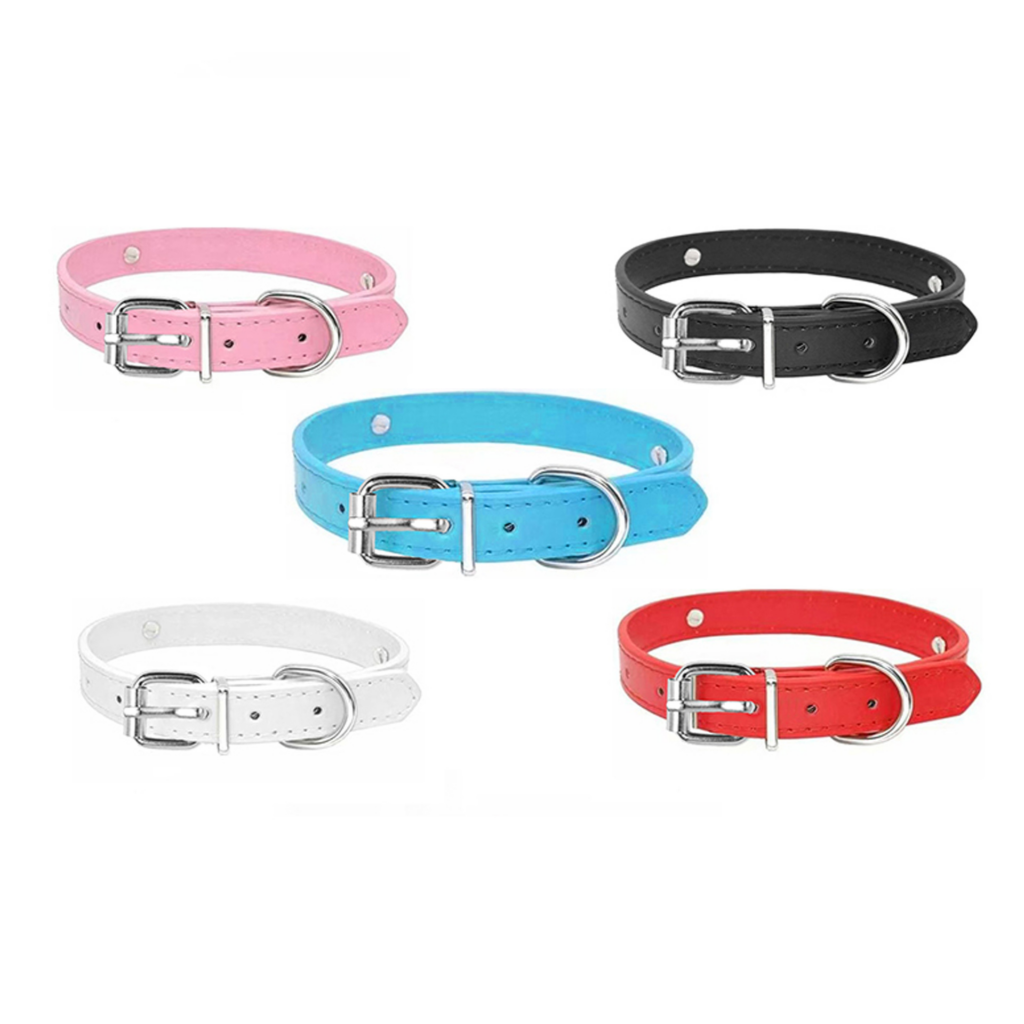
- Durability: Chain leashes are incredibly durable and resistant to wear and tear. Unlike fabric leashes, they are less likely to fray or break, making them ideal for strong dogs.
- Chew-Proof: For dogs that have a habit of chewing on their leashes, a chain leash is a perfect solution. The metal links deter chewing, ensuring that the leash remains intact.
- Control: Chain leashes provide better control over your dog, especially during training sessions. The weight of the chain can help prevent pulling, making walks more manageable.
- Weather Resistance: Metal leashes are not affected by rain or snow, unlike fabric leashes that can absorb moisture and become heavy or moldy.
- Variety of Styles: Chain leashes come in various styles and lengths, allowing pet owners to choose one that best fits their dog’s needs and their personal preferences.
Types of Chain Pet Leashes
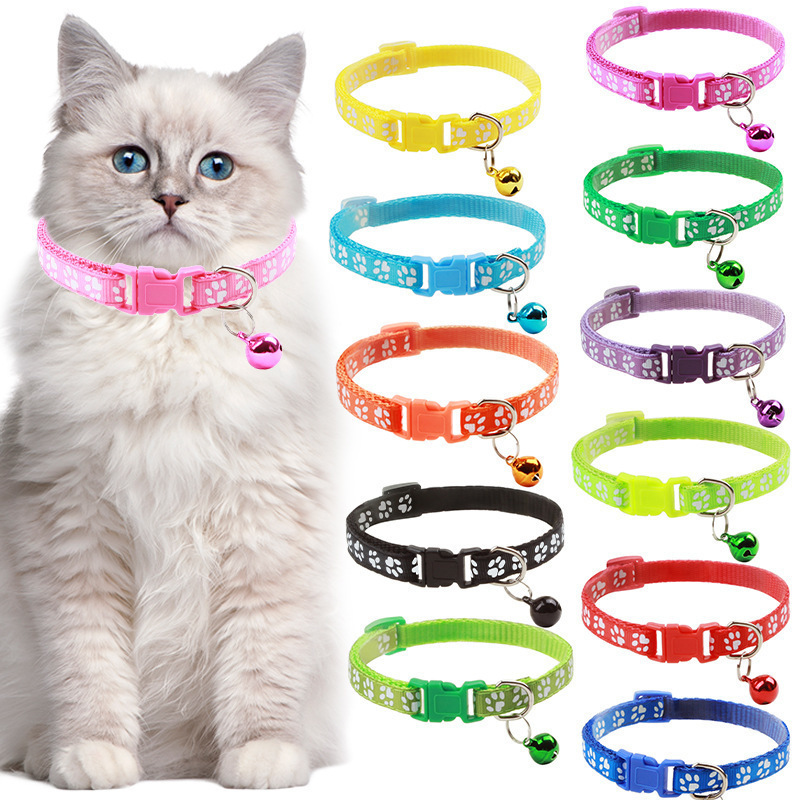
When selecting a chain pet leash, it’s essential to consider the different types available. Here are some common varieties:
Heavy-Duty Chain Leashes
Heavy-duty chain leashes are designed for large and powerful breeds. They typically feature thicker links and a padded handle for added comfort. These leashes are perfect for breeds like Rottweilers, German Shepherds, and Pit Bulls.
Lightweight Chain Leashes
For smaller dogs or less aggressive breeds, lightweight chain leashes are available. These leashes are made from thinner metal links, making them easier to handle while still providing the durability of a chain.
Chain Leashes with Handles
Some chain leashes come with padded or ergonomic handles, providing extra comfort for the owner during walks. These leashes are ideal for long walks or training sessions where comfort is a priority.
Retractable Chain Leashes
Retractable chain leashes allow for adjustable lengths, giving your dog more freedom to explore while still being securely attached. These leashes are great for dogs that enjoy roaming but still need to be kept under control.
How to Choose the Right Chain Pet Leash
Selecting the right chain pet leash involves considering several factors:
1. Dog Size and Breed
The size and breed of your dog play a significant role in determining the type of chain leash you should choose. Heavy-duty leashes are best for large breeds, while lightweight options are suitable for smaller dogs.
2. Purpose of Use
Consider how you plan to use the leash. If you need it for training, a heavier leash may provide better control. For casual walks, a lightweight or retractable leash might be more appropriate.
3. Comfort
Look for leashes with padded handles if you plan on using them for extended periods. Comfort is essential for both you and your dog during walks.
4. Length
Chain leashes come in various lengths. A longer leash allows for more freedom, while a shorter leash provides better control. Choose a length that suits your walking style and your dog’s behavior.
5. Material Quality
Ensure that the chain is made from high-quality, rust-resistant materials. Stainless steel is a popular choice for its durability and resistance to corrosion.
Training Your Dog with a Chain Leash
Using a chain leash can be an effective tool for training your dog. Here are some tips on how to use it effectively:
Establishing Control
When first using a chain leash, allow your dog to get accustomed to the weight and feel of the leash. Start with short walks and gradually increase the distance as your dog becomes more comfortable.
Positive Reinforcement
Use treats and praise to encourage good behavior while on the leash. Reward your dog for walking calmly beside you, which will help reinforce positive habits.
Consistency is Key
Be consistent with your commands and expectations. This will help your dog understand what is expected of them while on the leash.
Gradual Introduction to Distractions
Once your dog is comfortable walking on the chain leash, gradually introduce distractions. This could include other dogs, people, or different environments. Use the leash to maintain control and guide your dog through these situations.
Addressing Pulling Behavior
If your dog tends to pull on the leash, consider using a training technique called “stop and go.” When your dog pulls, stop walking and wait until they return to your side before continuing. This teaches them that pulling will not get them where they want to go.
Socialization
Chain leashes can also be beneficial for socializing your dog. Use the leash to introduce your dog to other pets and people in a controlled manner. This helps your dog learn how to behave around others and reduces anxiety in new situations.
Safety Considerations
While chain leashes are durable and effective, there are some safety considerations to keep in mind:
Regular Inspections
Regularly inspect your chain leash for any signs of wear or damage. Look for rust, broken links, or any other issues that could compromise its integrity. Replace the leash if you notice any problems.
Proper Fit
Ensure that the collar or harness your dog is wearing is properly fitted. A loose collar can slip off, while a tight collar can cause discomfort or injury. Always check the fit before attaching the leash.
Avoiding Entanglement
Be mindful of your surroundings when using a chain leash. Avoid areas with heavy brush or obstacles where the chain could become entangled. This can prevent accidents and ensure a smoother walking experience.
Training for Recall
In addition to leash training, work on your dog’s recall skills. This is essential for off-leash activities and can be beneficial in emergency situations. Use positive reinforcement to encourage your dog to return to you when called.
Alternatives to Chain Leashes
While chain leashes have their advantages, there are also alternatives that may suit your needs better. Here are a few options to consider:
Fabric Leashes
Fabric leashes are lightweight and come in various colors and designs. They are comfortable to hold and can be more aesthetically pleasing than metal chains. However, they may not be suitable for strong chewers.
Leather Leashes
Leather leashes offer a classic look and are durable when properly maintained. They can be more comfortable to hold than metal chains but may require more care to prevent wear and tear.
Harnesses
Using a harness in conjunction with a leash can provide better control and comfort for your dog. Harnesses distribute pressure more evenly across the dog’s body, reducing strain on their neck.
Combination Leashes
Some leashes combine materials, such as a fabric leash with a chain reinforcement. These leashes offer the best of both worlds, providing durability while remaining lightweight and comfortable.
Potential Drawbacks of Chain Leashes
While chain leashes have many benefits, they also come with potential drawbacks that dog owners should consider:
Weight
Chain leashes can be heavier than fabric or leather options, which may not be suitable for smaller dogs or those that are not used to the added weight. This can lead to fatigue during longer walks.
Noise
The metal links of a chain leash can create noise when they clink together, which may be distracting or unsettling for some dogs. If your dog is sensitive to sounds, this could be a concern.
Limited Aesthetics
Chain leashes may not offer the same variety of colors and designs as fabric leashes. For owners who prefer a more stylish look, this could be a drawback.
Potential for Injury
If not used correctly, chain leashes can cause injury to both the dog and the owner. For example, if a dog suddenly pulls, the metal links can cause discomfort or injury to the dog’s neck or the owner’s hand.
Conclusion
Chain pet leashes offer a durable and reliable option for dog owners, especially those with strong or chewing-prone breeds. By understanding the different types available and how to choose the right one, you can ensure that your walks are safe and enjoyable for both you and your furry friend. Remember to incorporate training techniques to maximize the benefits of using a chain leash. With the right leash and training, you can foster a strong bond with your dog while ensuring their safety and comfort.
How to purchase:Online B2B sourcing platform, China purchase, Chinese suppliers – LooperBuy
Summary: This article provides a comprehensive guide to chain pet leashes, discussing their benefits, types, and how to choose the right one for your dog. It also includes training tips to help you effectively use a chain leash for your pet, along with safety considerations, alternatives, and potential drawbacks.
Hot Tags: Chain Pet Leash; Dog Training; Heavy-Duty Leash; Chew-Proof Leash; Dog Walking; Pet Accessories; Durable Dog Leash; Chain Leash Benefits; Dog Owner Tips; Leash Types; Stainless Steel Leash; Padded Handle Leash; Retractable Leash; Dog Behavior; Pet Safety; Dog Breeds; Training Techniques; Dog Control; Walking Your Dog; Pet Care; Dog Leash Styles; Chain Leash Reviews; Dog Walking Gear; Pet Training; Dog Leash Length; Comfortable Leash; Dog Walking Tips; Chain Leash Features; Dog Leash Materials; Pet Equipment; Dog Leash Comparison.
Related Questions & Answers
· What are the potential drawbacks of using chain leashes on dogs?
Chain leashes can be heavier than fabric options, may create noise that can distract sensitive dogs, and can cause injury if not used properly.
· How do I properly size a chain leash for my dog to ensure safety and comfort?
Choose a leash length that allows for comfortable walking without too much slack, and ensure the collar or harness fits snugly but not too tight.
· Are there specific breeds of dogs for which chain leashes are not recommended?
While chain leashes can be used for most breeds, they may not be ideal for very small or delicate breeds due to the weight and potential for injury.