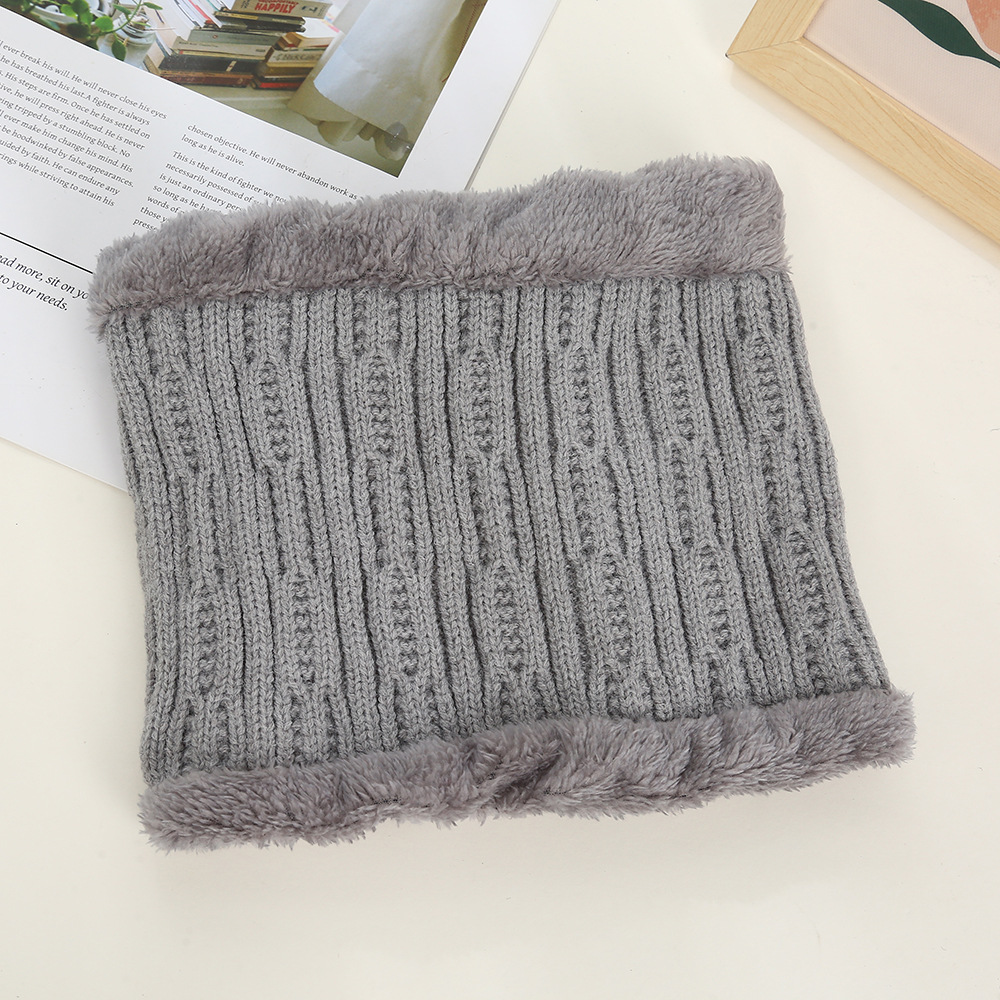
Wool scarves have long been a staple in wardrobes around the world, cherished for their warmth, versatility, and style. Among the various types of scarves available, the plain wool scarf stands out for its simplicity and elegance. This article explores the many facets of plain wool scarves, from their history and benefits to styling tips and care instructions.
Table of Contents
The History of Wool Scarves
Origins of Wool in Clothing
Wool has been used in clothing for thousands of years, dating back to ancient civilizations. The earliest evidence of woolen garments comes from the Middle East, where sheep were first domesticated. The natural properties of wool, such as its insulation and moisture-wicking abilities, made it an ideal material for clothing in various climates.
Evolution of Scarves
Scarves have evolved significantly over the centuries. Initially used for practical purposes, such as warmth and protection from the elements, they have transformed into fashion statements. The plain wool scarf, in particular, has maintained its relevance due to its timeless design and functionality.
Why Choose a Plain Wool Scarf?
Versatility in Fashion
One of the primary reasons for the enduring popularity of plain wool scarves is their versatility. They can be worn in various ways, making them suitable for different occasions. Whether draped casually over the shoulders or wrapped snugly around the neck, a plain wool scarf complements both casual and formal outfits.
Comfort and Warmth
Wool is renowned for its insulating properties. A plain wool scarf provides warmth without being overly bulky, making it an excellent choice for chilly days. The natural fibers of wool also allow for breathability, ensuring comfort even when temperatures fluctuate.
Eco-Friendly Choice
In an age where sustainability is increasingly important, wool stands out as a natural and biodegradable material. Choosing a plain wool scarf not only adds style to your wardrobe but also supports eco-friendly fashion practices. Many brands now focus on sustainable sourcing and production methods, making it easier for consumers to make environmentally conscious choices.
Types of Wool Used for Scarves
Merino Wool
Merino wool is one of the most popular choices for scarves due to its softness and fine fibers. Sourced from Merino sheep, this type of wool is known for its comfort against the skin, making it ideal for those who may be sensitive to coarser wool types. With a micron count of 20 to 23, Merino wool is soft enough to wear directly against the skin without irritation.
Cashmere
Cashmere, derived from the undercoat of cashmere goats, is another luxurious option for scarves. It is incredibly soft and lightweight, providing warmth without bulk. Cashmere scarves are often more expensive than their wool counterparts, but their softness and elegance make them a sought-after accessory.
Alpaca Wool
Alpaca wool is known for its warmth and hypoallergenic properties. It is softer than sheep’s wool and has a unique silky texture. Alpaca fibers are also lightweight, making them perfect for scarves that need to be warm yet not overly heavy.
Lambswool
Lambswool is made from the first shearing of a lamb, making it exceptionally soft and fine. It is often used in scarves for its luxurious feel and warmth. Lambswool is also durable, making it a practical choice for everyday wear.
Blends
Many scarves are made from blends of different types of wool or wool mixed with synthetic fibers. These blends can enhance the durability and ease of care of the scarf while maintaining the warmth and comfort of wool. For example, a wool-acrylic blend can provide a budget-friendly option that still offers the benefits of wool.
Styling Your Plain Wool Scarf
Casual Looks
For a relaxed, everyday look, a plain wool scarf can be paired with a simple t-shirt and jeans. Opt for neutral colors like gray, beige, or navy to create a timeless outfit. Drape the scarf loosely around your neck for a laid-back vibe. You can also experiment with different knots, such as the classic loop or a simple knot, to add a touch of style.
Formal Attire
When dressing up, a plain wool scarf can elevate your outfit. Pair it with a tailored coat or blazer for a sophisticated touch. Choose a scarf in a solid color that complements your outfit, and wrap it neatly around your neck to maintain a polished appearance. A well-chosen scarf can serve as a statement piece, drawing attention to your overall look.
Layering Techniques
Layering is key to achieving a stylish look with a plain wool scarf. Experiment with different textures and lengths. For instance, wear a longer scarf over a chunky knit sweater, allowing it to cascade down for added dimension. Alternatively, try knotting the scarf for a chic, structured look. Layering not only adds visual interest but also provides extra warmth during colder months.
Caring for Your Plain Wool Scarf
Washing Instructions
To maintain the quality of your wool scarf, proper care is essential. Hand washing is recommended to prevent damage. Use cold water and a gentle wool detergent, allowing the scarf to soak for a few minutes before rinsing thoroughly. Avoid wringing or twisting the fabric, as this can cause it to lose its shape. If you prefer machine washing, use a delicate cycle and place the scarf in a mesh laundry bag to protect it.
Drying Techniques
After washing, lay the scarf flat on a clean towel to dry. Avoid hanging it, as the weight of the wet fabric can stretch the fibers. If necessary, reshape the scarf while it is damp to ensure it retains its original form. Never use a dryer, as the heat can shrink and damage the wool.
Storing Your Scarf
When not in use, store your plain wool scarf in a cool, dry place. Avoid direct sunlight, which can fade the color over time. Consider using a breathable cotton bag to protect it from dust and pests. If you live in a humid environment, adding silica gel packets to the storage area can help absorb moisture and prevent mildew.
The Benefits of Owning a Plain Wool Scarf
Durability
Wool is a robust material that can withstand wear and tear. A well-cared-for wool scarf can last for many years, making it a worthwhile investment. Unlike synthetic materials, wool does not easily pill or lose its shape, ensuring that your scarf remains looking new for longer.
Hypoallergenic Properties
For those with sensitive skin, wool is often a better choice than synthetic fabrics. It is naturally hypoallergenic and resistant to dust mites and mold, making it suitable for individuals with allergies. This quality makes wool scarves a great option for everyone, including those who may have previously avoided wool due to skin sensitivities.
Timeless Style
The simplicity of a plain wool scarf means it never goes out of style. It can be worn year after year, transcending seasonal trends. This timeless appeal makes it a staple in any wardrobe, suitable for both men and women. A well-chosen scarf can enhance your outfit and reflect your personal style, making it a versatile accessory.
Preventing and Managing Pilling
Understanding Pilling
Pilling occurs when fibers in the wool rub against each other, causing small balls of fluff to form on the surface of the fabric. This is a common issue with wool garments, especially those that are frequently worn or washed. While pilling is a natural process, it can detract from the appearance of your scarf.
Prevention Techniques
- Washing Practices: To minimize pilling, wash your wool scarf inside out. This reduces friction on the outer surface, which is more prone to pilling. Additionally, use a gentle detergent specifically designed for wool.
- Drying Methods: Always air dry your wool scarf flat rather than hanging it. Hanging can stretch the fibers and lead to more pilling.
- Storage Solutions: Store your scarf in a way that minimizes friction with other garments. Using acid-free tissue paper between layers can help prevent fibers from rubbing against each other.
- Avoiding Fabric Softener: While it may seem counterintuitive, fabric softeners can contribute to pilling. Instead, consider using a small amount of hair conditioner in the wash to soften the fibers without the negative effects of traditional softeners.
Removing Pilling
If your scarf does develop pills, there are several effective methods to remove them:
- Fabric Shaver: A fabric shaver is a quick and efficient way to remove pilling. Gently run the shaver over the surface of the scarf to remove pills without damaging the fabric.
- Lice Comb: A fine-toothed lice comb can also be effective for removing pills. Use it carefully to avoid pulling on the fibers too hard.
- Scissors: For larger pills, you can carefully snip them off with scissors. Be cautious to avoid cutting the scarf itself.
Sustainable and Ethical Wool Sourcing Practices
Understanding Ethical Sourcing
Ethical sourcing refers to the process of ensuring that the materials used in products are obtained in a responsible and sustainable manner. This includes considerations for animal welfare, environmental impact, and fair labor practices. In the context of wool, ethical sourcing means ensuring that sheep are treated humanely, that their habitats are preserved, and that the workers involved in the wool production process are treated fairly.
The Importance of Certifications
Certifications play a crucial role in verifying the ethical and sustainable practices of wool producers. Standards such as the Responsible Wool Standard (RWS) ensure that wool is sourced from farms that adhere to high animal welfare standards and sustainable land management practices. These certifications provide consumers with confidence that the wool they purchase is not only high quality but also ethically produced.
Sustainable Farming Practices
Sustainable wool farming practices focus on minimizing environmental impact while promoting animal welfare. This includes:
- Rotational Grazing: This method allows pastures to recover and regenerate, promoting biodiversity and soil health. By rotating sheep between different grazing areas, farmers can prevent overgrazing and maintain healthy ecosystems.
- Organic Feed: Sustainable farmers often use local and organic feed, minimizing reliance on synthetic additives and chemicals. This practice not only benefits the sheep but also reduces the environmental footprint of wool production.
- Water Conservation: Many sustainable wool farms implement water conservation practices, such as rainwater harvesting and efficient irrigation systems, to reduce water usage and protect local water sources.
The Role of Consumers
Consumers play a vital role in promoting sustainable and ethical wool sourcing practices. By choosing to purchase wool products from brands that prioritize ethical sourcing and sustainability, consumers can drive demand for responsible practices in the wool industry. This, in turn, encourages more producers to adopt sustainable methods and improve animal welfare standards.
Conclusion
In conclusion, a plain wool scarf is more than just a fashion accessory; it is a versatile, practical, and stylish addition to any wardrobe. Its rich history, combined with its numerous benefits, makes it a must-have item for anyone looking to enhance their style while staying warm. With proper care, a plain wool scarf can last for years, providing comfort and elegance in equal measure. Furthermore, by understanding the importance of sustainable and ethical wool sourcing practices, consumers can make informed choices that support animal welfare and environmental sustainability.
How to purchase:Online B2B sourcing platform, China purchase, Chinese suppliers – LooperBuy
Frequently Asked Questions
1. How do I wash my wool scarf?
To wash your wool scarf, hand wash it in cold water with a gentle wool detergent. Avoid wringing or twisting the fabric, and lay it flat to dry.
2. Can I wear a wool scarf in the summer?
While wool is typically associated with colder weather, lightweight wool scarves can be worn in cooler summer evenings or in air-conditioned environments.
3. How do I remove stains from my wool scarf?
For stains, gently blot the area with a damp cloth and a mild soap solution. Avoid scrubbing, as this can damage the fibers.
4. Is wool suitable for sensitive skin?
Yes, wool is often hypoallergenic and can be a good choice for those with sensitive skin, as it is resistant to dust mites and mold.
5. How can I ensure my wool scarf is ethically sourced?
Look for certifications like the Responsible Wool Standard (RWS) and research brands that prioritize ethical sourcing and sustainable practices.
HOT TAG: plain wool scarf, wool scarf styling, winter fashion accessories, sustainable wool sourcing, ethical fashion choices, versatile scarf styles, cozy winter wear, timeless wardrobe staples, eco-friendly materials, pilling prevention tips, caring for wool scarves, layering techniques, hypoallergenic wool options, scarf care instructions, repurposing wool scarves, creative scarf styling, warm and durable wool, fashion and sustainability, classic wool accessories, seasonal wardrobe essentials, natural fiber benefits, stylish winter outfits, comfort and elegance, timeless fashion pieces.