When it comes to providing comfort and companionship for our beloved pets, few items can compare to dog plush toys. These soft, cuddly companions not only serve as playthings but also offer emotional support and security for dogs of all ages. In this article, we will explore the various types of dog plush toys, their benefits, how to choose the right one for your pet, and tips for maintaining them.
Table of Contents
Understanding Dog Plush Toys
What Are Dog Plush Toys?
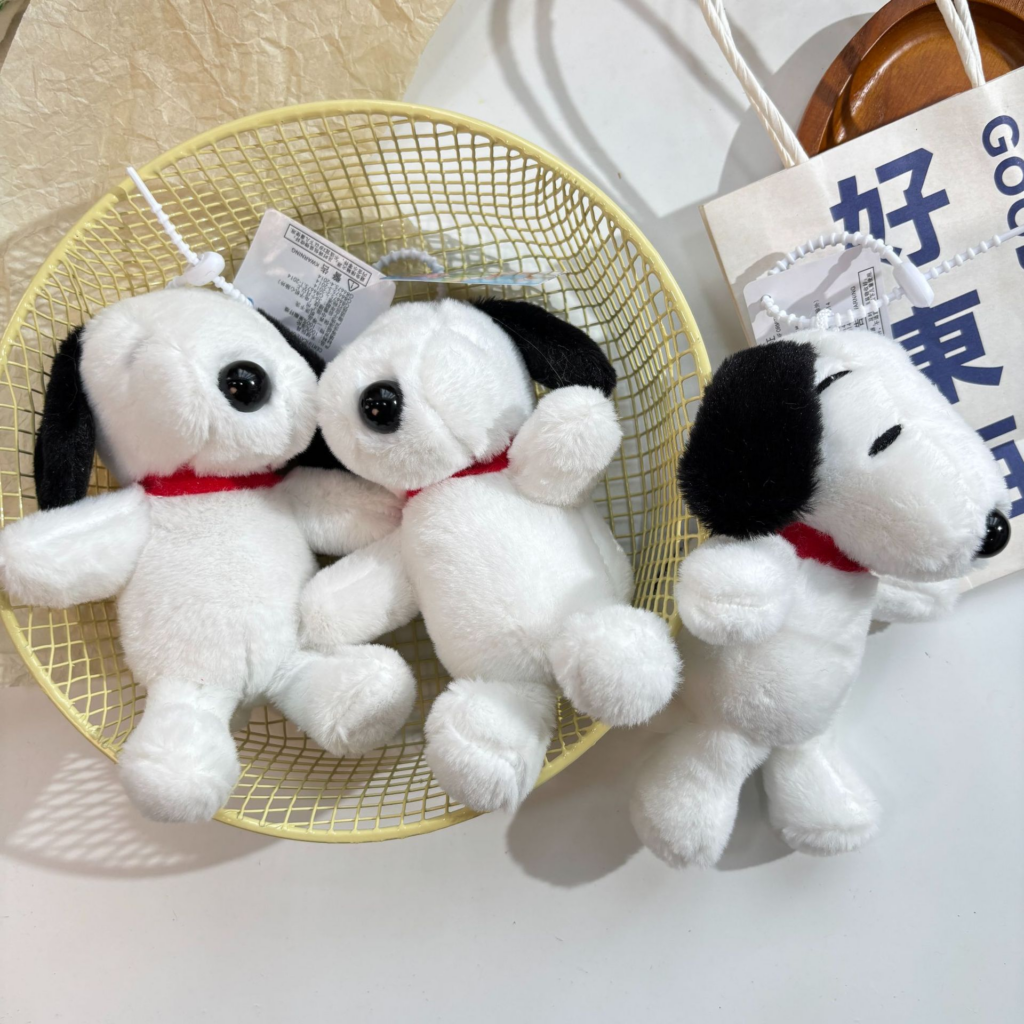
Dog plush toys are soft, stuffed animals designed specifically for dogs. They come in various shapes, sizes, and textures, catering to different breeds and preferences. These toys are typically made from materials like cotton, polyester, or fleece, making them gentle on a dog’s mouth and easy to cuddle with.
The Benefits of Dog Plush Toys
Dog plush toys offer numerous benefits for both dogs and their owners. Here are some key advantages:
- Emotional Support: Plush toys can provide comfort to dogs, especially during stressful situations such as thunderstorms or when left alone. They can help alleviate anxiety and create a sense of security.
- Play and Exercise: Plush toys encourage play, which is essential for a dog’s physical and mental well-being. Engaging with toys can help keep dogs active and prevent boredom.
- Teething Relief: For puppies, plush toys can serve as a soothing tool during the teething process. The soft texture can help relieve discomfort and promote healthy chewing habits.
- Bonding Opportunities: Playing with plush toys can strengthen the bond between a dog and its owner. Interactive playtime fosters trust and companionship.
- Variety and Stimulation: With a wide range of plush toys available, dogs can enjoy different textures, sounds, and shapes, providing mental stimulation and preventing them from becoming bored with their toys.
- Encouragement of Natural Behaviors: Plush toys can mimic prey, encouraging dogs to engage in natural behaviors such as chewing, shaking, and carrying. This can be particularly beneficial for breeds with strong hunting instincts.
- Socialization Skills: Plush toys can also help dogs develop socialization skills. When dogs play with toys, they learn to share and interact, which can translate to better behavior with other dogs and humans.
Choosing the Right Dog Plush Toy
Factors to Consider
When selecting a plush toy for your dog, consider the following factors:
- Size: Choose a toy that is appropriate for your dog’s size. A small toy may pose a choking hazard for larger breeds, while a large toy may be difficult for smaller dogs to handle.
- Durability: Some dogs are more aggressive chewers than others. If your dog tends to destroy toys quickly, look for plush toys made from durable materials designed to withstand rough play.
- Safety: Ensure that the toy is free from harmful chemicals and small parts that could be swallowed. Look for toys that are labeled as non-toxic and safe for pets.
- Texture: Dogs have different preferences when it comes to textures. Some may prefer soft, fuzzy toys, while others may enjoy crinkly or squeaky toys. Observe your dog’s preferences to find the best match.
- Washability: Dogs can be messy, so it’s essential to choose plush toys that are machine washable or easy to clean. This will help maintain hygiene and prolong the toy’s lifespan.
- Interactive Features: Consider toys that have interactive features, such as squeakers or hidden compartments for treats. These can provide additional stimulation and keep your dog engaged for longer periods.
Popular Types of Dog Plush Toys
There are several types of plush toys available, each catering to different needs and preferences:
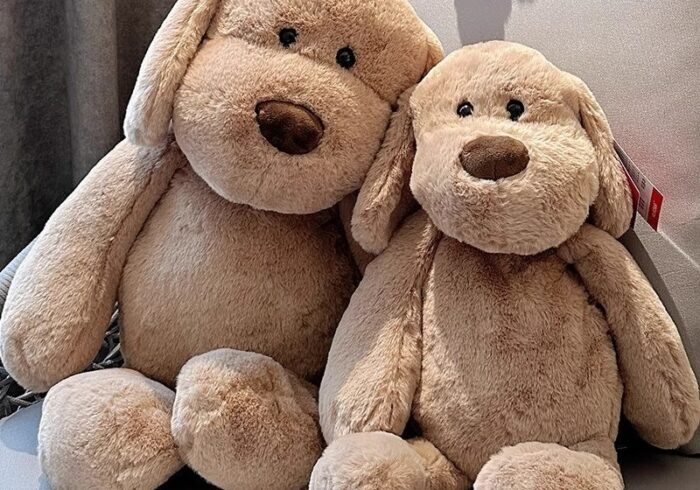
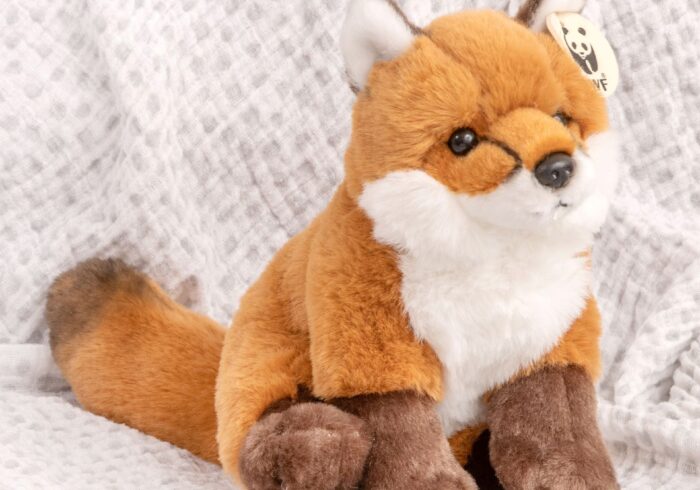
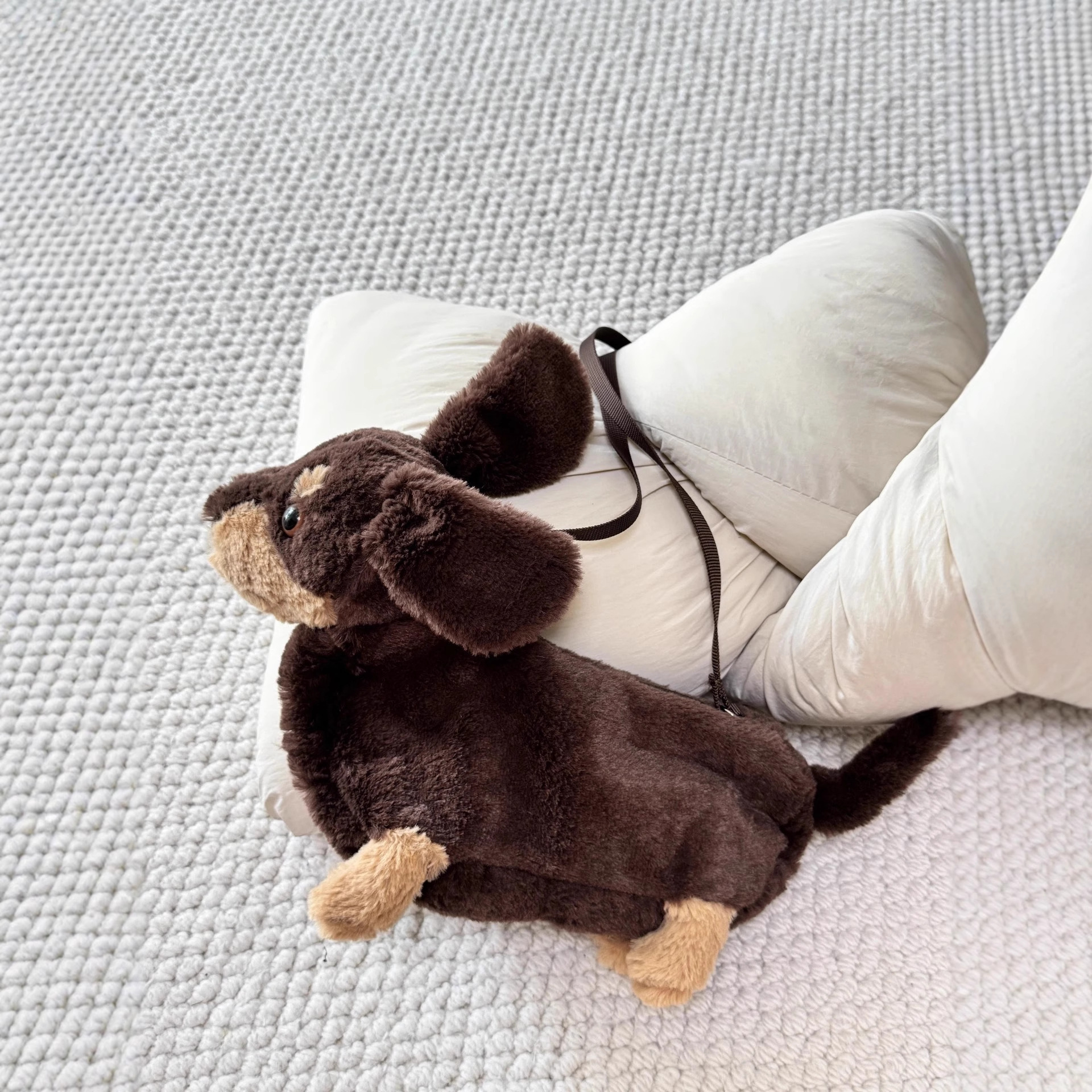
- Classic Stuffed Animals: These are traditional plush toys resembling animals, such as bears, rabbits, or dogs. They are soft and cuddly, making them perfect for snuggling.
- Squeaky Toys: Many plush toys come with built-in squeakers that make noise when bitten. These toys can stimulate a dog’s natural hunting instincts and encourage play.
- Interactive Toys: Some plush toys are designed for interactive play, featuring pockets for treats or puzzles that challenge dogs mentally. These toys can keep dogs engaged for longer periods.
- Blanket Toys: These toys combine a plush toy with a blanket, providing comfort and warmth. They are especially popular among puppies and older dogs who seek extra coziness.
- Tug Toys: Some plush toys are designed for tug-of-war games, featuring sturdy handles or ropes. These toys can promote bonding and physical activity between dogs and their owners.
- Puzzle Toys: These toys often incorporate plush elements with hidden compartments for treats, encouraging dogs to think and problem-solve as they play. They can be particularly beneficial for intelligent breeds that require mental stimulation.
- Comfort Toys: These are specifically designed to provide emotional support, often resembling a stuffed animal or a blanket. They can be especially helpful for dogs with separation anxiety.
What Are the Most Durable Materials for Dog Plush Toys for Heavy Chewers?
For dogs that are heavy chewers, it is crucial to select plush toys made from durable materials. Look for toys constructed from reinforced fabrics, such as ballistic nylon or heavy-duty canvas. These materials are designed to withstand aggressive chewing and are less likely to tear or fray. Additionally, some brands offer plush toys with double-stitched seams, which enhance durability and longevity.
Caring for Dog Plush Toys
Cleaning and Maintenance
To ensure your dog’s plush toys remain safe and hygienic, follow these cleaning tips:
- Regular Washing: Wash plush toys regularly to remove dirt, saliva, and odors. Check the care label for washing instructions, and use a gentle detergent.
- Inspect for Damage: Regularly inspect toys for signs of wear and tear. If a toy is damaged, remove it from your dog’s play area to prevent choking hazards.
- Rotate Toys: To keep your dog engaged, rotate their toys regularly. This will prevent boredom and make old toys feel new again.
- Store Properly: When not in use, store plush toys in a clean, dry place. Avoid leaving them outside, as exposure to the elements can cause damage.
When to Replace Plush Toys
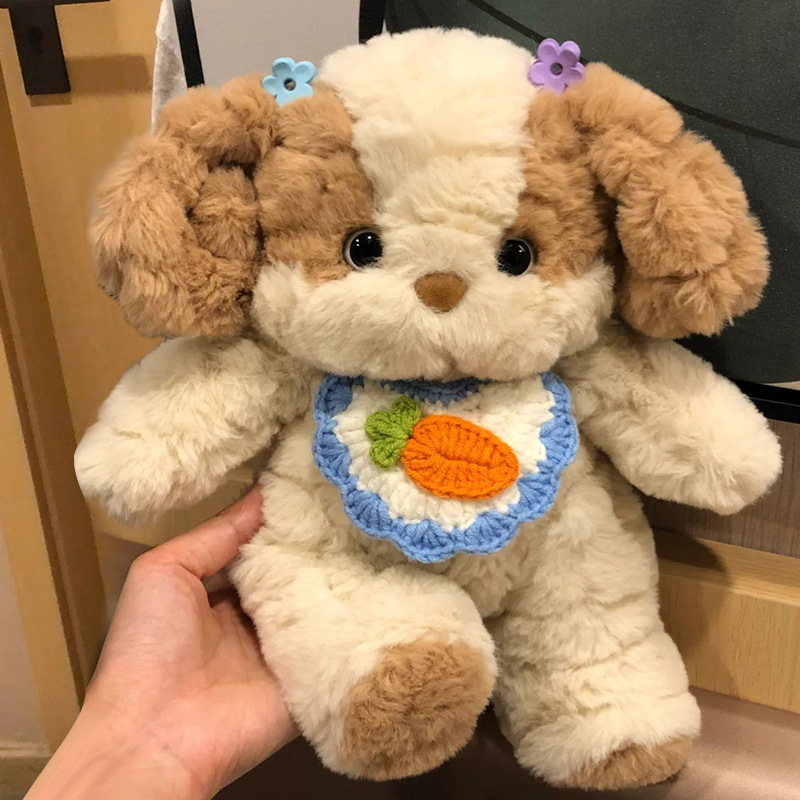
It’s essential to know when to replace your dog’s plush toys. Signs that a toy needs to be replaced include:
- Tears or Holes: If a toy has significant tears or holes, it may no longer be safe for your dog to play with.
- Loss of Stuffing: If the stuffing is coming out, it can pose a choking hazard. Remove the toy immediately.
- Foul Odor: If a toy has developed an unpleasant smell that cannot be washed away, it’s time to replace it.
- Discoloration: If a toy has become discolored or stained, it may be a sign of bacteria buildup, indicating that it should be discarded.
How Can I Introduce a New Plush Toy to My Dog to Ensure They Like It?
Introducing a new plush toy to your dog can be an exciting experience. To ensure your dog takes to the new toy, follow these steps:
- Supervised Introduction: When first introducing the toy, supervise your dog to observe their reaction. This will help you gauge their interest and ensure they play safely.
- Use Treats: Encourage your dog to engage with the new toy by placing treats inside or near it. This can create a positive association and stimulate their curiosity.
- Play Together: Engage in playtime with the new toy. Toss it, tug it, or squeak it to capture your dog’s attention and encourage them to interact with it.
- Be Patient: If your dog is hesitant, give them time to explore the toy at their own pace. Some dogs may take longer to warm up to new items.
- Use Familiar Scents: If your dog has a favorite blanket or toy, rub the new toy on it to transfer familiar scents. This can help your dog feel more comfortable with the new item.
What Are the Potential Risks Associated with Certain Materials Used in Dog Plush Toys?
While many plush toys are safe for dogs, some materials can pose risks. For instance, toys made from low-quality plastics may contain harmful chemicals like phthalates or lead. Additionally, some plush toys may have small parts, such as buttons or eyes, that can be easily chewed off and swallowed, leading to choking hazards. Always choose toys from reputable brands that adhere to safety standards and are labeled as non-toxic.
How Can I Repair a Damaged Dog Plush Toy to Extend Its Lifespan?
If your dog’s plush toy becomes damaged, you can often repair it to extend its lifespan. Here are some steps to follow:
- Sewing: If the toy has a small tear, you can sew it up using a needle and thread. Make sure to use a strong thread that can withstand pulling.
- Patchwork: For larger holes, consider using a patch of fabric to cover the damaged area. Sew it securely to prevent your dog from pulling it off.
- Reinforcement: If the seams are weak, reinforce them with additional stitching to prevent future tears.
- Remove Dangerous Parts: If a toy has small parts that have come loose, remove them immediately to prevent choking hazards.
- Supervise Play: After repairing a toy, supervise your dog while they play with it to ensure they do not ingest any loose pieces.
Are There Eco-Friendly or Sustainable Options for Dog Plush Toys?
As pet owners become more environmentally conscious, many brands are now offering eco-friendly and sustainable plush toys. These toys are often made from recycled materials, organic cotton, or natural fibers, reducing their environmental impact. When shopping for eco-friendly options, look for certifications such as GOTS (Global Organic Textile Standard) or Oeko-Tex, which indicate that the materials used are safe and sustainable. Choosing eco-friendly toys not only benefits your dog but also contributes to a healthier planet.
What Are the Benefits of Interactive Plush Toys for Dogs?
Interactive plush toys provide a unique way to engage your dog mentally and physically. These toys often include features such as hidden compartments for treats, puzzles, or squeakers that require your dog to think and problem-solve. The benefits of interactive plush toys include:
- Mental Stimulation: Interactive toys challenge your dog’s cognitive abilities, helping to keep their mind sharp and engaged.
- Reduced Boredom: By providing a stimulating activity, interactive toys can help prevent destructive behaviors that often arise from boredom.
- Encouragement of Natural Instincts: Many interactive toys mimic hunting or foraging behaviors, allowing dogs to engage in their natural instincts in a safe and controlled manner.
- Bonding Opportunities: Playing with interactive toys can enhance the bond between you and your dog, as you can participate in the play and encourage them to solve puzzles together.
How Do I Choose a Safe and Durable Plush Toy for an Aggressive Chewer?
Selecting a plush toy for an aggressive chewer requires careful consideration. Here are some tips to ensure you choose a safe and durable option:
- Look for Heavy-Duty Materials: Choose toys made from tough, durable fabrics like ballistic nylon or reinforced canvas. These materials are less likely to tear or fray.
- Check for Double-Stitched Seams: Toys with double-stitched seams are generally more durable and can withstand rough play better than single-stitched options.
- Avoid Small Parts: Ensure the toy does not have small parts that can be chewed off and swallowed. Opt for toys that are designed specifically for heavy chewers.
- Read Reviews: Look for reviews from other pet owners, especially those with aggressive chewers, to find toys that have proven to be durable and safe.
- Consider Size Appropriately: Ensure the toy is the right size for your dog. A toy that is too small can pose a choking hazard, while one that is too large may be difficult for your dog to handle.
What Are the Best Strategies for Introducing a New Plush Toy to a Dog with Separation Anxiety?
Introducing a new plush toy to a dog with separation anxiety requires a gentle approach. Here are some strategies to help your dog feel comfortable with the new toy:
- Familiarization: Before leaving your dog alone with the new toy, allow them to explore it while you are present. This can help them associate the toy with positive experiences.
- Use of Comfort Items: Pair the new plush toy with a familiar item, such as a blanket or another toy that carries your scent. This can provide additional comfort and security.
- Gradual Introduction: Start by leaving the new toy with your dog for short periods while you are nearby. Gradually increase the time they spend with the toy alone as they become more comfortable.
- Positive Reinforcement: Reward your dog with treats and praise when they interact positively with the new toy. This can help reinforce the idea that the toy is a source of comfort.
- Create a Safe Space: Designate a cozy area where your dog can retreat with their new toy. This can be a crate or a specific room where they feel secure.
How Do I Identify Potential Allergens in Dog Plush Toys and What Are Hypoallergenic Alternatives?
Identifying potential allergens in dog plush toys can be challenging, but there are steps you can take to minimize the risk:
- Check Labels: Look for toys that are labeled hypoallergenic or made from organic materials. These toys are less likely to contain harmful chemicals or allergens.
- Research Brands: Choose reputable brands known for their commitment to safety and quality. Many brands provide information about the materials used in their products.
- Observe Your Dog: Pay attention to any signs of allergies, such as itching, redness, or gastrointestinal issues, after your dog interacts with a new toy. If you notice any symptoms, discontinue use and consult your veterinarian.
- Consider Natural Materials: Opt for plush toys made from natural fibers, such as cotton or hemp, which are less likely to cause allergic reactions.
- Avoid Synthetic Fillings: Some plush toys contain synthetic fillings that may trigger allergies. Look for toys filled with natural materials, such as organic cotton or recycled fibers.
What Are Some Creative Ways to Repurpose Old or Damaged Dog Plush Toys Instead of Throwing Them Away?
Instead of discarding old or damaged plush toys, consider repurposing them in creative ways:
- Dog Blankets: Use the fabric from old plush toys to create a cozy blanket for your dog. This can provide comfort and warmth, especially during colder months.
- DIY Dog Pillows: Stuff old plush toys with additional filling to create a soft pillow for your dog to rest on.
- Tug Toys: Cut the plush toys into strips and braid them together to create a new tug toy. This can provide hours of fun for your dog.
- Scented Toys: If the toy is still in good condition but has lost its appeal, consider adding a few drops of dog-safe essential oils to refresh it. This can make the toy more enticing for your dog.
- Donation: If the toys are still in decent condition, consider donating them to local animal shelters or rescue organizations. Many shelters appreciate donations of toys for their residents.
Conclusion
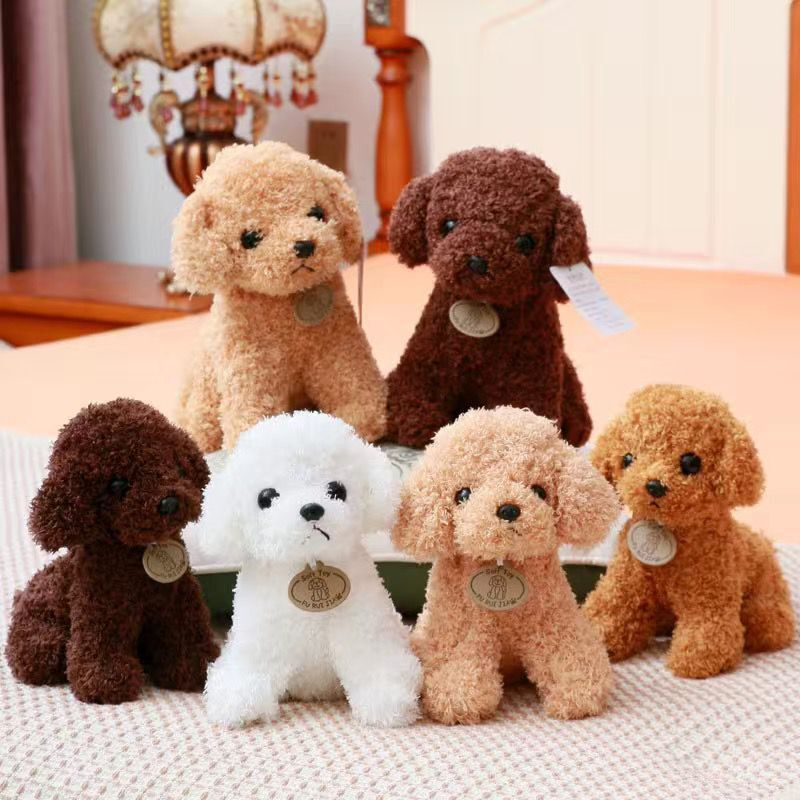
Dog plush toys are more than just playthings; they are essential companions that provide comfort, support, and joy to our furry friends. By understanding the different types of plush toys available and how to care for them, you can ensure that your dog enjoys a safe and fulfilling play experience. Remember to choose the right toy based on your dog’s size, preferences, and play style, and regularly maintain their toys for optimal hygiene and safety.
How to purchase:Online B2B sourcing platform, China purchase, Chinese suppliers – LooperBuy
Frequently Asked Questions
1. What are the best materials for dog plush toys?
The best materials for dog plush toys are non-toxic fabrics like cotton, polyester, and fleece. These materials are soft, durable, and safe for dogs to chew on.
2. How often should I wash my dog’s plush toys?
It’s recommended to wash your dog’s plush toys every few weeks or as needed, especially if they become dirty or smelly. Always check the care label for specific washing instructions.
3. Can plush toys help with my dog’s anxiety?
Yes, plush toys can provide comfort and security for dogs experiencing anxiety. They can serve as a source of emotional support during stressful situations.
4. How do I know if a plush toy is safe for my dog?
To ensure a plush toy is safe for your dog, look for toys labeled as non-toxic, free from small parts, and designed specifically for pets. Regularly inspect the toy for any signs of damage.
5. What should I do if my dog destroys a plush toy?
If your dog destroys a plush toy, remove it immediately to prevent choking hazards. Consider investing in more durable toys designed for aggressive chewers.
HOT TAG: dog plush toys, soft plush toys for dogs, pet comfort and companionship, interactive plush toys for dogs, durable plush toys for heavy chewers, eco-friendly dog toys, cleaning and maintenance of dog toys, benefits of plush toys for dogs, choosing safe dog toys, emotional support for dogs, bonding with pets through play, mental stimulation for dogs, repurposing old dog toys, hypoallergenic plush toys, strategies for introducing new toys, signs of damaged dog toys, dog anxiety relief solutions, engaging dog toys for playtime, safe materials for dog toys, creative ways to use plush toys.