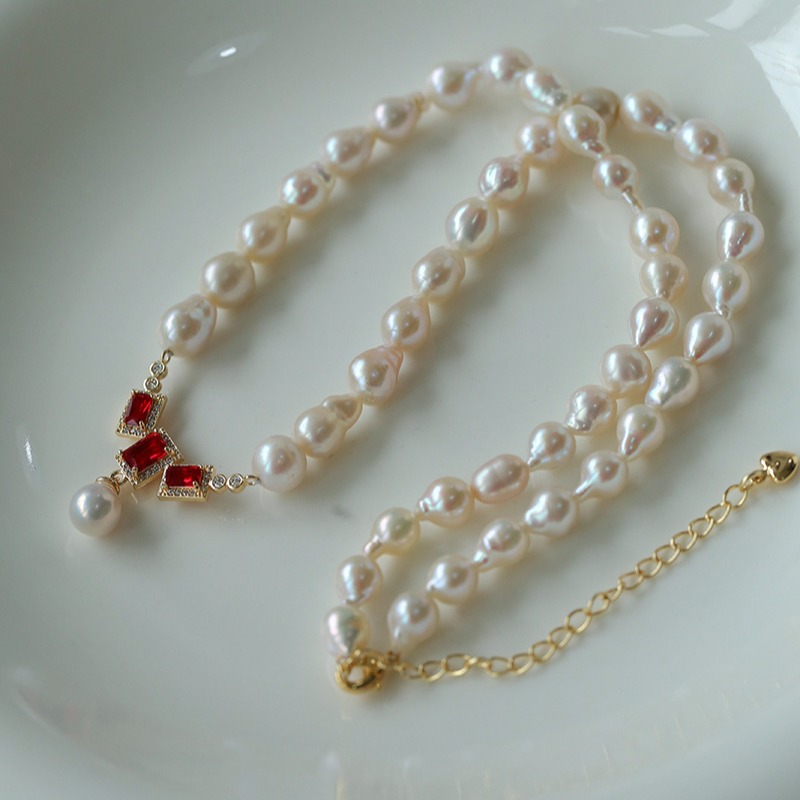
Jewelry has always been a significant part of human culture, serving not only as adornment but also as a symbol of status, love, and artistry. Among the myriad of jewelry options available, ruby and pearl necklaces stand out for their unique combination of colors, textures, and meanings. This article delves into the enchanting world of ruby and pearl necklaces, exploring their history, design variations, cultural significance, and tips for choosing the perfect piece.
Table of Contents
The Historical Significance of Rubies and Pearls
The Ruby: A Gem of Passion and Power
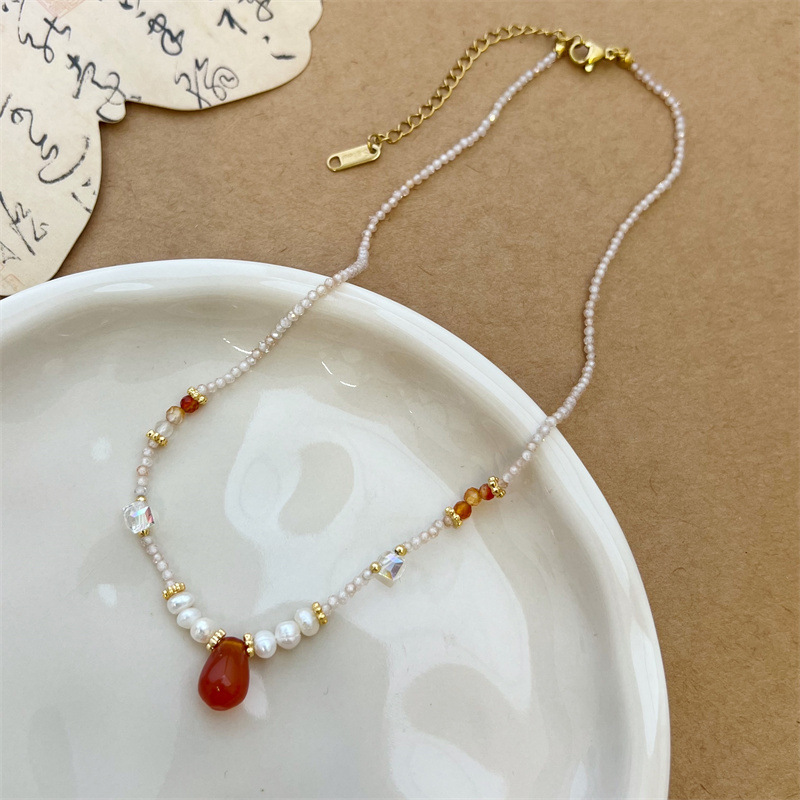
Rubies have been cherished for centuries, often associated with power, passion, and protection. In ancient cultures, they were believed to hold mystical properties, providing the wearer with strength and vitality. The deep red hue of rubies symbolizes love and desire, making them a popular choice for romantic gifts. Historically, rubies were worn by royalty and the elite, often set in elaborate jewelry pieces that showcased their brilliance.
The Pearl: A Symbol of Purity and Wisdom
Pearls, on the other hand, have a rich history that dates back thousands of years. They are often associated with purity, wisdom, and integrity. In many cultures, pearls were considered the ultimate symbol of femininity and were frequently used in bridal jewelry. The soft luster of pearls complements the vibrant color of rubies, creating a harmonious balance that appeals to many.
The Design of Ruby and Pearl Necklaces
Classic Designs
Ruby and pearl necklaces come in various designs, from classic to contemporary. Traditional designs often feature a single strand of pearls interspersed with rubies, creating a timeless look that can be worn on any occasion. These necklaces are typically elegant and understated, making them perfect for formal events or everyday wear.
Modern Interpretations
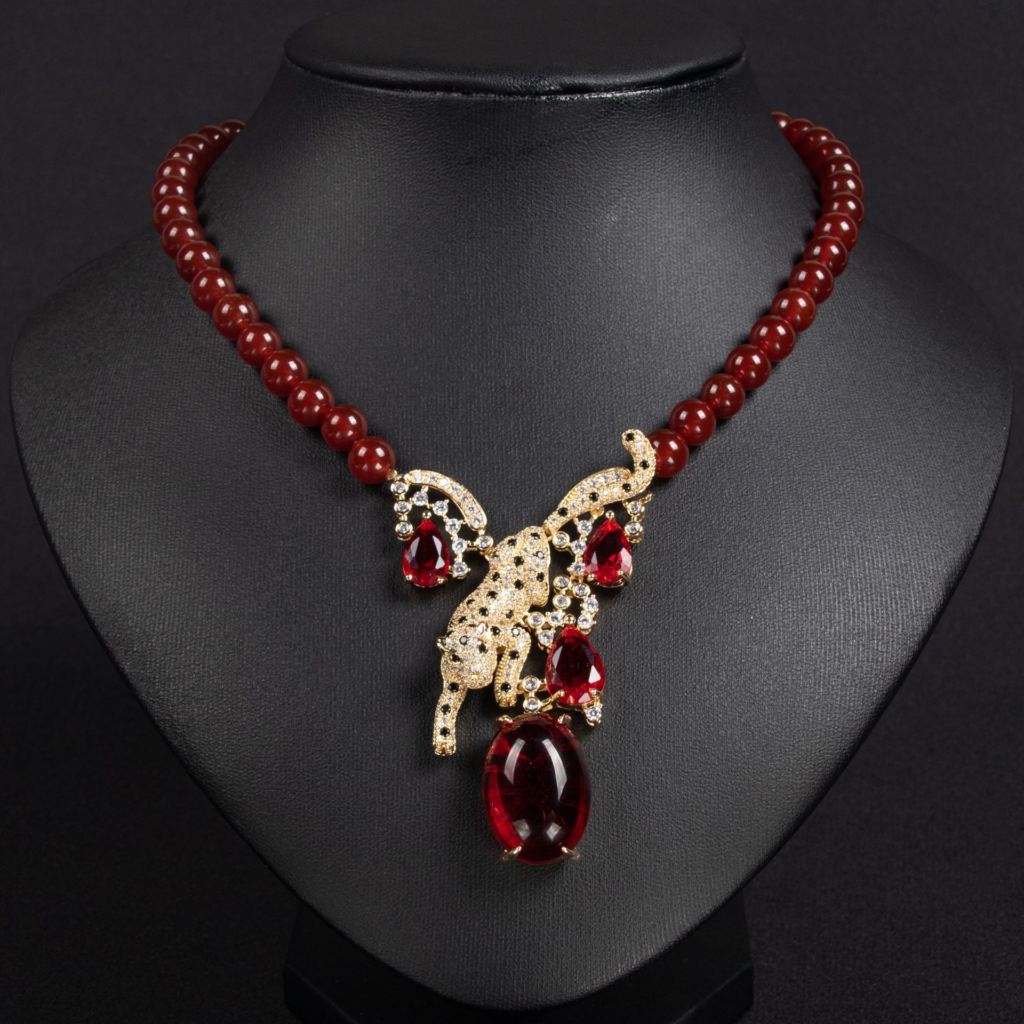
In contrast, modern interpretations of ruby and pearl necklaces may incorporate unique elements such as asymmetrical designs, mixed metals, and innovative settings. Designers often experiment with different shapes and sizes of pearls and rubies, resulting in striking pieces that stand out. For instance, a necklace featuring a large central ruby surrounded by smaller pearls can create a bold statement.
Latest Design Trends
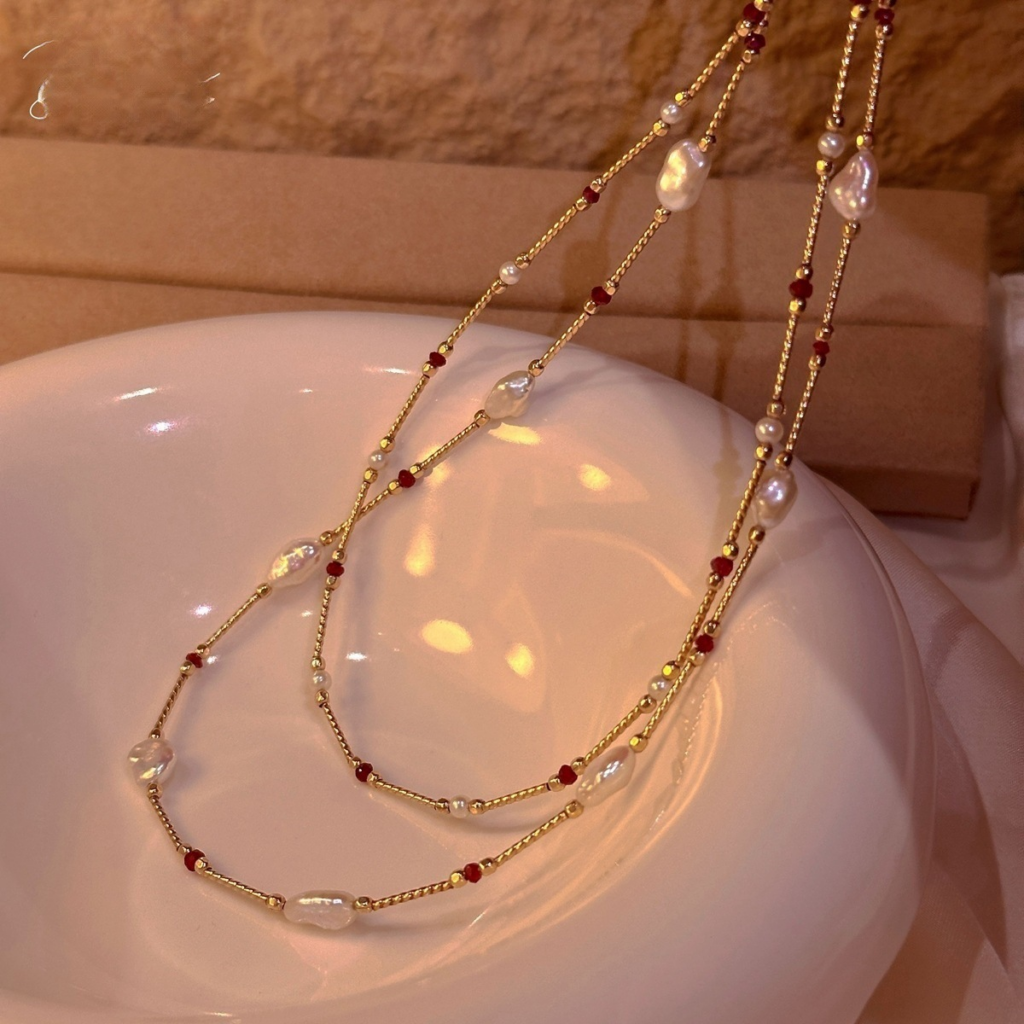
As we move into 2024 and beyond, the design trends for ruby and pearl necklaces are evolving. One prominent trend is the shift from delicate, single-strand designs to more daring and chunky styles. Oversized pearls paired with sleek leather or gold chains are becoming increasingly popular. Layered necklaces featuring multiple strands of pearls and rubies are also trending, allowing wearers to mix and match different styles for a personalized look. Additionally, the minimalist aesthetic is gaining traction, with clean lines and geometric shapes dominating the market. This trend emphasizes the natural beauty of the gemstones while providing a modern twist on classic designs.
Customization Options
Many jewelers offer customization options for ruby and pearl necklaces, allowing individuals to create a piece that reflects their personal style. This can include choosing the type of pearls (freshwater, Akoya, or South Sea), the size and cut of the rubies, and the metal used for the setting. Custom pieces often carry a deeper emotional significance, making them cherished heirlooms.
Caring for Ruby and Pearl Necklaces
Cleaning and Maintenance
To maintain the beauty of ruby and pearl necklaces, proper care is essential. Pearls are particularly sensitive to chemicals, so it is crucial to avoid exposing them to perfumes, lotions, and cleaning agents. A gentle cleaning routine involves wiping the pearls with a soft, damp cloth after each wear to remove any residue.
Rubies, while more durable than pearls, should also be cleaned regularly. A mild soap solution and a soft brush can help remove dirt and restore their shine. It is advisable to store ruby and pearl necklaces in a soft pouch or a separate compartment in a jewelry box to prevent scratches and damage.
Professional Care
For more extensive cleaning or repairs, seeking professional help is recommended. Jewelers can provide services such as restringing pearls or resetting rubies, ensuring that the necklace remains in excellent condition for years to come.
The Cultural Impact of Ruby and Pearl Necklaces
Symbolism in Different Cultures
Ruby and pearl necklaces hold various meanings across different cultures. In some Asian cultures, pearls are believed to bring good luck and prosperity, while rubies are seen as protective stones. In Western cultures, these gemstones are often associated with love and commitment, making them popular choices for engagement and wedding jewelry.
Celebrity Influence
The influence of celebrities on jewelry trends cannot be understated. Many famous personalities have been spotted wearing stunning ruby and pearl necklaces, further popularizing these pieces. For instance, red carpet events often showcase unique designs that inspire fashion enthusiasts worldwide. Celebrities often choose bold, statement pieces that highlight the beauty of rubies and pearls, encouraging fans to embrace these luxurious gemstones.
Choosing the Perfect Ruby and Pearl Necklace
Consider Your Style
When selecting a ruby and pearl necklace, it is essential to consider personal style. Whether you prefer classic elegance or modern flair, there is a design to suit every taste. Think about the occasions you plan to wear the necklace and choose a style that complements your wardrobe.
Quality Matters
Quality is paramount when investing in jewelry. Look for high-quality pearls with a smooth surface and a lustrous finish. Rubies should be vibrant in color and free from significant inclusions. Checking for certifications from reputable gemological laboratories can also ensure the authenticity of the gemstones.
Budget Considerations
Ruby and pearl necklaces can vary significantly in price, depending on the quality of the materials and the intricacy of the design. Setting a budget before shopping can help narrow down options and prevent overspending. Remember that investing in a quality piece can provide lasting value.
Ethical Considerations in Sourcing Rubies and Pearls
The Importance of Ethical Sourcing
As consumers become more conscious of the origins of their purchases, ethical sourcing has become a critical consideration in the jewelry industry. Ethical sourcing ensures that gemstones are obtained in a manner that respects human rights, labor laws, and environmental standards. This is particularly important for rubies and pearls, as their extraction can often involve exploitative practices.
Conflict-Free Rubies
The term “conflict-free” refers to gemstones that are sourced without contributing to human rights abuses or funding armed conflicts. Many jewelers now prioritize sourcing rubies from responsible suppliers who adhere to ethical mining practices. This includes ensuring fair wages for miners, safe working conditions, and no child labor. By choosing conflict-free rubies, consumers can support ethical practices in the gemstone industry.
Sustainable Pearl Farming
Similarly, the sourcing of pearls can also raise ethical concerns. Traditional pearl farming can have detrimental effects on marine ecosystems. Sustainable pearl farming practices focus on minimizing environmental impact, promoting biodiversity, and ensuring fair treatment of workers. Consumers can look for brands that emphasize sustainable practices in their pearl sourcing, such as using environmentally friendly farming methods and supporting local communities.
Transparency and Traceability
Transparency in the supply chain is essential for ethical sourcing. Consumers should seek out jewelers who provide information about the origins of their gemstones, including where and how they were mined or farmed. This traceability helps ensure that the gemstones are sourced responsibly and ethically.
The Most Valuable Types of Rubies
Burmese Rubies
Burmese rubies are often considered the most valuable type of ruby due to their intense red color and high clarity. The best Burmese rubies exhibit a vivid red hue, often referred to as “pigeon’s blood.” This term describes the ideal color that collectors and jewelers seek. Burmese rubies are highly sought after and can command prices exceeding $1 million per carat, especially for larger stones.
Thai Rubies
Thai rubies, while not as highly valued as Burmese rubies, still hold significant worth. They typically have a darker red color and may contain more inclusions. However, their affordability makes them popular among consumers looking for quality rubies without the exorbitant price tag.
African Rubies
African rubies, particularly those from Mozambique and Madagascar, have gained popularity in recent years. These rubies can exhibit a range of colors, from deep red to purplish-red. While they may not reach the same price levels as Burmese rubies, high-quality African rubies can still be quite valuable, especially as the market for ethically sourced gemstones grows.
The Sunrise Ruby
The Sunrise Ruby is renowned as the most expensive ruby ever sold at auction. This stunning gemstone, weighing 5.05 carats, fetched an astonishing $8.6 million in 2015. Its exceptional color and clarity set it apart, making it a prime example of the value that high-quality rubies can achieve.
Modern Styling Tips for Ruby and Pearl Necklaces
Layering for a Trendy Look
Layering necklaces is a popular trend that allows for personal expression and creativity. When styling ruby and pearl necklaces, consider mixing different lengths and styles. For example, pairing a delicate pearl strand with a chunky ruby necklace can create a visually appealing contrast. This layered look adds depth and interest to your outfit.
Mixing Metals
Gone are the days when matching metals was a strict rule in jewelry styling. Today, mixing metals is encouraged, allowing for a more eclectic and personalized look. Consider pairing your ruby and pearl necklace with gold, silver, or rose gold pieces. This combination can enhance the overall aesthetic and make your jewelry stand out.
Dressing Up or Down
Ruby and pearl necklaces can be versatile enough to transition from day to night. For a casual daytime look, opt for a simple pearl necklace with a few ruby accents. In the evening, elevate your style by layering multiple ruby and pearl pieces or choosing a statement necklace that draws attention. This adaptability makes ruby and pearl necklaces a valuable addition to any jewelry collection.
Modern Alternatives to Traditional Ruby and Pearl Necklaces
As fashion evolves, so do the materials and designs used in jewelry. Modern alternatives to traditional ruby and pearl necklaces include synthetic gemstones and innovative materials. For instance, lab-created rubies offer a more affordable option while maintaining the same aesthetic appeal. Additionally, alternative materials such as resin or glass can mimic the look of pearls and rubies, providing unique and budget-friendly options for fashion-forward individuals.
Conclusion
Ruby and pearl necklaces are more than just beautiful accessories; they are pieces of art that carry deep historical and cultural significance. Whether worn for special occasions or as everyday adornments, these necklaces embody elegance and sophistication. By understanding their history, design variations, care requirements, and ethical considerations, you can appreciate the allure of ruby and pearl necklaces even more.
How to purchase:Online B2B sourcing platform, China purchase, Chinese suppliers – LooperBuy
Frequently Asked Questions
1. What are the best occasions to wear a ruby and pearl necklace?
Ruby and pearl necklaces are versatile and can be worn for various occasions, including weddings, formal events, and even casual outings, depending on the design.
2. How can I tell if my pearls are real?
Real pearls have a unique luster and feel slightly gritty when rubbed against each other. Additionally, they should be cool to the touch.
3. Are rubies more expensive than pearls?
Generally, rubies are more expensive than pearls due to their rarity and the quality of the stone. However, prices can vary based on size, quality, and market demand.
4. Can I wear my ruby and pearl necklace every day?
While you can wear your necklace daily, it is essential to take care of it by avoiding exposure to harsh chemicals and storing it properly.
5. How do I clean my ruby and pearl necklace?
Clean pearls with a soft, damp cloth after each wear, and use a mild soap solution for rubies. Avoid using harsh chemicals or ultrasonic cleaners.
HOT TAG: ruby and pearl necklace, elegant jewelry designs, gemstone care tips, ethical sourcing practices, sustainable jewelry options, layering necklace styles, modern fashion trends, celebrity jewelry inspiration, affordable gemstone alternatives, authentic ruby verification, timeless elegance, cultural significance of jewelry, unique custom designs, statement pieces, bridal jewelry ideas, vintage ruby styles, contemporary pearl designs, luxury jewelry investment, handcrafted jewelry, fashion accessory trends, vibrant ruby colors, classic pearl luster, jewelry maintenance tips, meaningful gifts, heirloom jewelry pieces, stylish layering techniques, gemstone authenticity checks, modern jewelry aesthetics, eco-friendly jewelry choices.