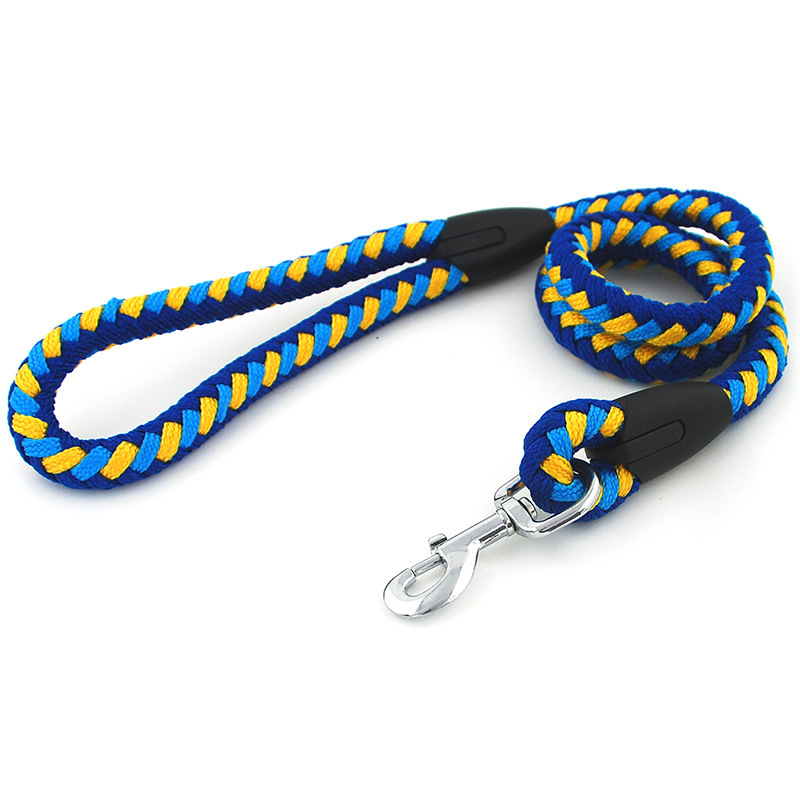
When it comes to walking your dog, the tools you use can significantly impact both your control and your pet’s experience. Among the various options available, a chain pet leash stands out as a specialized choice often favored for its durability and unique functional properties. Whether you are dealing with a habitual chewer or seeking a robust training aid, understanding the intricacies of chain leashes is essential for every dog owner.
Table of Contents
Understanding the Versatility of Chain Pet Leashes
Chain pet leashes are distinct from traditional nylon or leather options due to their construction. Typically crafted from stainless steel or chrome-plated metal, these leashes offer a level of resilience that fabric materials simply cannot match. For many owners, the initial appeal lies in their longevity and the psychological peace of mind that comes with a nearly indestructible tool.
Why Choose a Metal Link Design
The primary reason pet owners gravitate toward a chain link design is its durability. Unlike fabric leashes that can fray over time or degrade due to environmental factors, metal chains are built to last. They are incredibly resistant to tearing and fraying, making them an excellent investment for those who are tired of replacing standard leashes every few months. Furthermore, these leashes maintain their structural integrity even in harsh weather conditions, such as extreme heat or heavy rain, which might otherwise cause synthetic materials to weaken or break down.
The Chew-Proof Advantage
One of the most common frustrations for dog owners is the habit of leash chewing. Some dogs find the texture of nylon or rope stimulating, leading them to gnaw on the leash during walks or when they are waiting. A chain leash effectively eliminates this behavior. Because the links are made of metal, they are inherently chew-proof. Once a dog realizes that the leash does not yield or provide a satisfying “give,” the habit of chewing typically diminishes significantly. This transition is not only better for the longevity of your equipment but also safer for the dog, as it prevents the ingestion of stray synthetic fibers or plastic pieces from frayed leashes.
Key Considerations for Training and Control
Beyond their durability, chain leashes are often utilized in specific training scenarios. While they are not the universal choice for every dog, they excel in environments where control is paramount or when working with powerful breeds that require a sturdier lead.
Utilizing Chains in Professional Training
Professional trainers sometimes incorporate chain leashes into their programs, particularly when teaching dogs who are prone to pulling or those who need firm, immediate feedback. The weight of the chain provides a distinct tactile difference compared to lighter leashes, which can help communicate the handler’s presence and direction. It is important to note that these tools should be used correctly to ensure safety. The focus should always be on positive reinforcement and clear communication, using the leash as a means of guidance rather than force. By maintaining a consistent, calm tension, owners can guide their pets effectively without resorting to abrupt jerking, which is crucial for building a strong bond of trust between the owner and the canine.
Managing Weight and Comfort
While the strength of a chain leash is a significant benefit, it does introduce a trade-off: weight. Metal links are naturally heavier than fabric materials. For smaller dogs or breeds with sensitive necks, a heavy chain might be cumbersome or uncomfortable. Owners must balance the need for durability with the physical capabilities and size of their dog. When using a chain leash, ensure that the handle provides an ergonomic grip, as the weight of the metal can be taxing on the handler’s hands during long walks. It is also worth noting that the clicking sound of the metal links can be distracting to some nervous dogs, so introducing the leash in a quiet environment before heading to a busy park is always a sound strategy.
Enhancing Grip and Ergonomics
Because metal is cold to the touch and can be slippery when wet, the handle is perhaps the most vital component of the leash. Modern manufacturers have addressed this by integrating padded neoprene, genuine leather, or high-friction rubber handles. A proper handle ensures that even if your dog makes a sudden movement, you retain a secure hold without the chain digging into your palm. Selecting a lead with a swivel mechanism at the connection point is another crucial tip; this prevents the chain from tangling as the dog moves, ensuring a seamless walking experience.
Maintaining Your Equipment for Longevity
Investing in a high-quality chain leash is a long-term commitment to your pet’s safety. However, like any piece of specialized equipment, it requires proper maintenance to ensure it remains safe and effective for years to come.
Cleaning and Rust Prevention
Even though most modern chain leashes are treated to be rust-resistant, they are not entirely immune to the elements, especially if your dog loves water. Regularly wiping down the chain after walks—especially after rainy or snowy days—helps prevent oxidation. Occasionally, applying a very light coating of food-safe lubricant can keep the links moving freely and prevent them from becoming stiff or noisy. If you live in a coastal area, cleaning the leash with fresh water after every outing is mandatory, as salt air can accelerate corrosion on even the highest-grade metals.
Regular Safety Inspections
The most critical part of maintenance is routine inspection. Before every walk, take a moment to scan the entire length of the chain. Check the connection points—specifically the clasp that attaches to the collar or harness—to ensure the mechanism is secure and not showing signs of wear. Over time, the spring within the clip can weaken, or the metal loop can develop micro-fractures. A loose or faulty clip is a safety hazard, regardless of how strong the actual chain links are. Catching these issues early is a small step that ensures the ultimate safety of your pet during every outing.
Selecting the Right Style for Your Lifestyle
With various styles of chain leashes available, selecting the one that best fits your daily routine is vital. From different link sizes to handle styles, your choice should be dictated by your dog’s size, temperament, and your specific walking environment.
Matching Link Thickness to Dog Size
The diameter of the metal links matters significantly. A heavy-duty, thick-linked chain is appropriate for a large, powerful breed that might attempt to lunge or pull. Conversely, a thinner, lighter chain is suitable for medium-sized dogs that need the chew-proof benefits without the excessive weight. Always prioritize your dog’s comfort, ensuring the chain is substantial enough to be safe but light enough for them to enjoy their walk without feeling dragged down. For toy breeds, a standard chain is rarely recommended, as the smallest metal links can still be too heavy for delicate spinal structures.
Aesthetic Appeal and Functional Design
Functionality does not have to come at the expense of aesthetics. Today’s market offers chain leashes in various finishes, including matte black, polished chrome, and even gold-tone plating. Beyond the look, consider the length of the lead. A shorter lead, around four feet, offers maximum control in high-traffic areas, while a longer lead gives your dog more freedom to explore in quieter surroundings. Regardless of the style, the integrity of the weld on each link is the hallmark of a high-quality product; a poor weld can result in a link snapping under tension, which is why choosing a reputable brand is always a wise investment.
Conclusion
Chain pet leashes serve as a robust, chew-proof, and highly durable solution for many dog owners, particularly those managing powerful dogs or persistent chewers. While they require careful consideration regarding weight and proper maintenance, their ability to provide consistent control makes them a valuable tool. By selecting the right size and prioritizing an ergonomic handle, you can leverage the strength of a chain leash to create a safer, more reliable walking experience for you and your furry companion.
How to purchase:Online B2B sourcing platform, China purchase, Chinese suppliers – LooperBuy
Related Questions & Answers
· Are chain leashes suitable for small puppies?
Usually, they are not recommended for small puppies. The weight of the metal links can be too heavy for a developing puppy’s neck and can make walking uncomfortable or even lead to posture issues. It is better to start with a lightweight nylon leash for puppies.
· Do chain leashes cause rust over time?
High-quality stainless steel or properly chrome-plated chains are designed to be rust-resistant. However, if exposed to salt water or constant moisture without proper drying, they can develop rust. Regular maintenance and drying after use will prevent this.
· Can a chain leash hurt my hands?
The metal links themselves can be uncomfortable to hold. This is why it is essential to choose a chain leash that includes a high-quality, padded, or ergonomic handle. A well-designed handle will protect your hands from the weight and texture of the chain.
· Is it okay to use a chain leash for everyday walks?
Yes, it is perfectly acceptable for everyday walks, especially if your dog has a habit of chewing on regular leashes. Many owners use them for all their outdoor activities because of their superior durability and resistance to wear and tear.
· Should I use a chain leash for training a dog to heel?
Chain leashes can be used in training, but they should never be used to cause pain. If you are using a chain leash for training, ensure you are working with a professional who can teach you the correct techniques to guide your dog gently and effectively without relying on harsh corrections.
Hot Tags:
DogLeash; ChainLeash; ChewProofLeash; PetWalking; DogTraining; DurablePetGear; PuppyCare; PetSafety; DogOwnerTips; MetalLeash; HeavyDutyLeash; PetSupplies; DogGear; LeashTraining; WalkingYourDog; PetEquipment; CanineSafety; StrongLeash; DogAccessories; PetHealth; TrainingTools; DurableDogLeash; ProfessionalDogTraining; DogLeashStyle; PetCareTips; LeashGuide; OutdoorDogWalking; PetProductReviews; LargeDogLeash; PetComfort
Article Summary:
This article provides an in-depth exploration of chain pet leashes, highlighting their unique durability and effectiveness as a chew-proof training tool. It covers key aspects such as material quality, safety considerations for different dog breeds, proper maintenance to prevent rust, and how to choose the right style based on ergonomic handles. Designed for pet owners, the guide emphasizes balancing strength with comfort to ensure a safe and enjoyable walking experience for both the dog and the owner.