The world of e-commerce has undergone a massive transformation, making the dream of entrepreneurship more accessible than ever. At the forefront of this shift is the model that allows individuals to start an online store without the traditional burdens of warehousing or inventory management. To successfully create a drop shipping business in the modern landscape requires more than just launching a website; it demands a fusion of strategic planning, meticulous product selection, and a relentless focus on the customer experience. By leveraging automation, data-driven marketing, and robust supplier relationships, aspiring entrepreneurs can build scalable operations that thrive in a competitive digital ecosystem. This guide serves as a comprehensive blueprint for those ready to embark on this journey, offering insights into every critical stage—from initial concept to operational scaling—ensuring that you are equipped to navigate the complexities of the online market and achieve sustainable success.
Table of Contents
Navigating the Fundamentals of the Drop Shipping Model
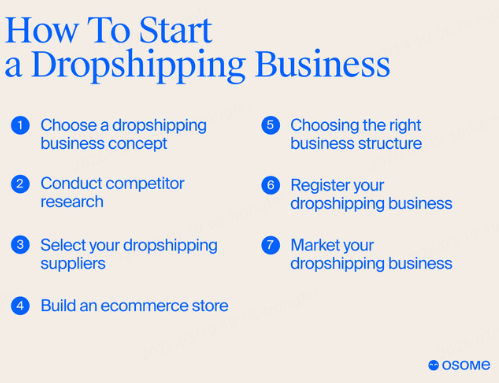
Understanding the core mechanics of drop shipping is the first step toward building a resilient business. At its simplest level, this model functions as a triangular partnership between you, the supplier, and the customer. Your primary responsibility is to curate a product catalog and manage the digital storefront, while the supplier handles the physical storage, packaging, and fulfillment of orders.
The Core Advantages for Modern Entrepreneurs
The beauty of this business model lies in its low barrier to entry and financial efficiency. Because you are not required to purchase stock in advance, the capital risk is significantly reduced compared to traditional retail. This allows entrepreneurs to test diverse product niches quickly without being saddled with obsolete inventory. Furthermore, the location-independent nature of the operation offers unmatched flexibility, allowing business owners to manage their stores from anywhere in the world, provided they have a stable internet connection.
Essential Mindset Shifts for Long-Term Sustainability
While the model is often marketed as a “get-rich-quick” scheme, true success in the current climate requires a long-term, brand-focused perspective. Moving away from selling generic, low-quality goods is essential. Instead, successful entrepreneurs focus on building a cohesive brand identity that resonates with a specific target audience. This shift from transactional selling to relationship building is what separates fleeting stores from enduring e-commerce brands. By treating your store as a professional entity rather than a side hustle, you build trust—the most valuable currency in digital retail. This involves consistency in your visual branding, tone of voice, and the quality of customer interactions.
Executing a Winning Strategy: From Niche Selection to Launch
Selecting the right niche is the foundation upon which your entire business will be built. It is not merely about finding a product that sells; it is about identifying a specific problem that you can solve for a dedicated group of consumers.
Conducting Rigorous Market and Competitor Research
Before committing to a product line, you must engage in thorough market analysis. Utilize tools to identify trends, gauge search volume, and analyze consumer pain points. Equally important is competitor research. Look for gaps in the market—areas where existing competitors are failing to provide adequate customer support, clear information, or quality branding. A “winning” niche is typically one that balances high demand with manageable competition, allowing you to establish a unique value proposition. Consider micro-niches—smaller, highly specialized segments—where you can quickly become an authority rather than competing in a crowded, broad market. The goal is to be the go-to expert for a specific type of buyer, rather than a generic retailer that sells a bit of everything to everyone.
Finding and Vetting Reliable Suppliers
Your supplier is arguably the most critical partner in your business. Because they control the shipping speed and product quality, any failure on their part directly impacts your reputation. When evaluating potential partners, look for those with robust communication channels, transparent shipping processes, and consistent quality control measures. It is often beneficial to order samples yourself to assess the customer experience firsthand before officially listing products on your site. Don’t rely on just one supplier; diversifying your supply chain helps protect your business against stock shortages and unexpected shipping delays, ensuring that you can maintain service standards regardless of external supply shocks. Establish professional rapport with your supplier representatives, as they can often give you priority processing or early alerts regarding inventory fluctuations.
Building and Optimizing Your E-commerce Presence
Your online store is the digital face of your business. It must be professional, user-friendly, and optimized to convert visitors into loyal customers.
Designing a Store That Converts
In today’s competitive environment, design matters. Your website should be intuitive, fast-loading, and mobile-responsive. Use high-quality imagery and persuasive product descriptions that highlight benefits rather than just features. Implement clear calls to action, simplified checkout processes, and trust-building elements like customer reviews and secure payment icons to remove friction in the buying journey. Remember that your store is not just a digital catalog; it is a storytelling medium. Use your “About Us” page and product narratives to connect emotionally with your visitors, turning casual browsers into brand advocates. Incorporating user-generated content, such as photos of actual customers using your products, can further humanize your brand and increase conversion rates.
Leveraging Automation for Operational Efficiency
The true power of a modern drop shipping operation lies in its ability to be automated. Use dedicated e-commerce platforms and apps to synchronize your store inventory with your supplier’s database in real-time. This ensures that you are never selling out-of-stock items, which is a major contributor to customer dissatisfaction. Additionally, automate your order fulfillment, tracking notifications, and email marketing sequences to free up your time to focus on strategic growth and customer engagement. As your business grows, consider investing in customer relationship management (CRM) software that allows you to segment your audience and provide personalized experiences, further increasing your lifetime customer value. Automation is not about removing the human touch; it is about using technology to handle the repetitive tasks so that you have more capacity to engage with your community in meaningful, high-value ways.
Strategic Scaling and Sustained Growth
Once you have established a consistent flow of sales, the challenge shifts from survival to expansion. Scaling effectively requires careful data management and a willingness to iterate on what works while discarding what doesn’t.
Advanced Data Analytics and Financial Management
Successful scaling is built on data, not intuition. You need to become intimately familiar with your store’s key performance indicators (KPIs). Track your customer acquisition cost (CAC), average order value (AOV), and your conversion rate across different traffic sources. By identifying which marketing channels are the most profitable, you can strategically reallocate your budget to maximize your return. Furthermore, keep a sharp eye on your margins. In a drop shipping business, it is easy for small, hidden costs like transaction fees, returns, and ad fluctuations to erode your profits. Maintain a strict financial discipline, perform regular audits of your expenditures, and ensure that your pricing strategies adequately cover your overhead and marketing costs while remaining attractive to your customers.
Building a Long-Term Brand Ecosystem
To move beyond being a drop shipper and become a legitimate e-commerce brand, you must cultivate a community. This involves more than just selling products; it means providing ongoing value to your audience. Consider developing a content strategy that educates, entertains, or inspires your target demographic. This could take the form of detailed guides, influencer partnerships, or exclusive loyalty programs that reward repeat customers. When your brand stands for something—whether it is superior quality, sustainable practices, or exceptional utility—you develop a base of loyal supporters who are less sensitive to price changes and more likely to recommend your store to others. This organic advocacy is the ultimate goal of any scaling strategy, as it provides a buffer against the rising costs of paid advertising and sets the stage for long-term, compounding growth.
Mastering Targeted Advertising
Once your store is operational and converting, the focus must shift to customer acquisition and scaling. Relying on a single source of traffic is a significant risk; therefore, a multi-channel approach is paramount for long-term growth.
Navigating the Paid Media Landscape
Paid advertising platforms, such as social media ads and search engine marketing, provide immediate access to your target demographic. The key to success here is constant testing and optimization. Use A/B testing to refine your ad creative, audience targeting, and landing pages. As you gather data, reinvest your profits into the campaigns that deliver the highest return on ad spend (ROAS). Furthermore, explore retargeting ads, which remind potential customers of items they viewed but didn’t purchase, effectively bringing them back into the sales funnel and improving your conversion rates over time. Don’t be afraid to experiment with new platforms or emerging trends in content marketing; early adoption often yields lower costs and higher visibility before a platform becomes saturated.
Building Organic Authority and Customer Loyalty
Beyond paid ads, invest in long-term organic growth. Content marketing, through a company blog or social media channels, allows you to provide value to your audience beyond the product, establishing your brand as an authority in your niche. Furthermore, prioritize email and SMS marketing to nurture your existing customer base. It is significantly cheaper to retain a customer than to acquire a new one, and repeat buyers are the engine that powers sustainable, high-volume operations. Implement loyalty programs, exclusive early-access deals, and personalized recommendations to keep your brand at the top of your customers’ minds, transforming them from one-time shoppers into lifelong supporters. By consistently delivering on your promises, you create a feedback loop of positive reviews that naturally drives future sales, reducing your reliance on expensive ad spend and fostering an organic, community-driven growth model.
Navigating Logistics and Customer Service Excellence
As you scale, managing customer expectations becomes more complex. Clear communication is the bedrock of resolving issues before they escalate. Provide transparent shipping information, easy-to-understand return policies, and responsive support channels. Empowering your team to handle inquiries quickly and professionally can turn a potential negative experience—such as a delayed package—into a positive testament to your customer service standards. In the digital age, your brand reputation is built on public review platforms; treat every interaction as an opportunity to build trust and solidify your standing in the market. A robust customer service strategy acts as your primary insurance against public criticism and is essential for maintaining a positive brand sentiment, which is vital for long-term viability in the digital marketplace.
Conclusion:
Building a successful drop shipping business requires a disciplined approach, moving from a foundation of thorough research and reliable partnerships to the implementation of automated systems and targeted marketing. By prioritizing brand identity, operational efficiency, and a customer-centric experience, you can transform a simple retail model into a thriving, scalable e-commerce enterprise capable of long-term success.
To turn these strategic insights into a reality and start scaling your own profitable brand with seamless fulfillment, explore the curated solutions at https://looperbuy.com/
Summary
This guide details the strategic path to launching a sustainable drop shipping business in 2026. It emphasizes transitioning from generic reselling to building an authentic brand. Key focus areas include selecting high-demand niches, vetting reliable suppliers, and designing professional, high-conversion online stores. The article also covers leveraging automation for efficiency and scaling through multi-channel marketing, data analysis, and long-term brand building to drive profitable growth in the modern digital landscape.
Hot Tags:
Dropshipping; E-commerce; OnlineBusiness; Shopify; NicheSelection; SupplierManagement; DigitalMarketing; FinancialFreedom; Entrepreneurship; ProductResearch; Automation; SalesConversion; CustomerExperience; BrandBuilding; Scaling; MarketingStrategy; Retail; InventoryManagement; PassiveIncome; OnlineStore; SEO; SocialMediaMarketing; BusinessGrowth; Startups; E-commerceTips; ConversionRate; Logistics; MarketAnalysis; DigitalEntrepreneur; ProfitMargins
Related Questions & Answers
· Is drop shipping still profitable in 2026?
Yes, it remains highly profitable, but the model has evolved. Success now depends on branding, high-quality product selection, and superior customer service rather than just mass-listing generic items.
· Do I need a large budget to start a drop shipping business?
No, one of the primary benefits is the low upfront cost. You don’t need to buy inventory, but you should allocate some budget for professional website setup, quality marketing, and product samples.
· How can I find reliable suppliers?
You can use reputable supplier directories, attend trade shows, or use integrated apps within platforms like Shopify to find vetted manufacturers and wholesalers who specialize in dropshipping.
· What is the biggest challenge in drop shipping?
The most significant hurdle is often managing shipping times and quality control. Building strong, transparent relationships with reliable suppliers is the best way to mitigate these risks.
· How do I differentiate my store from competitors?
Differentiation comes from building a strong brand identity, providing exceptional customer support, offering curated product selections, and creating unique, value-driven marketing content.