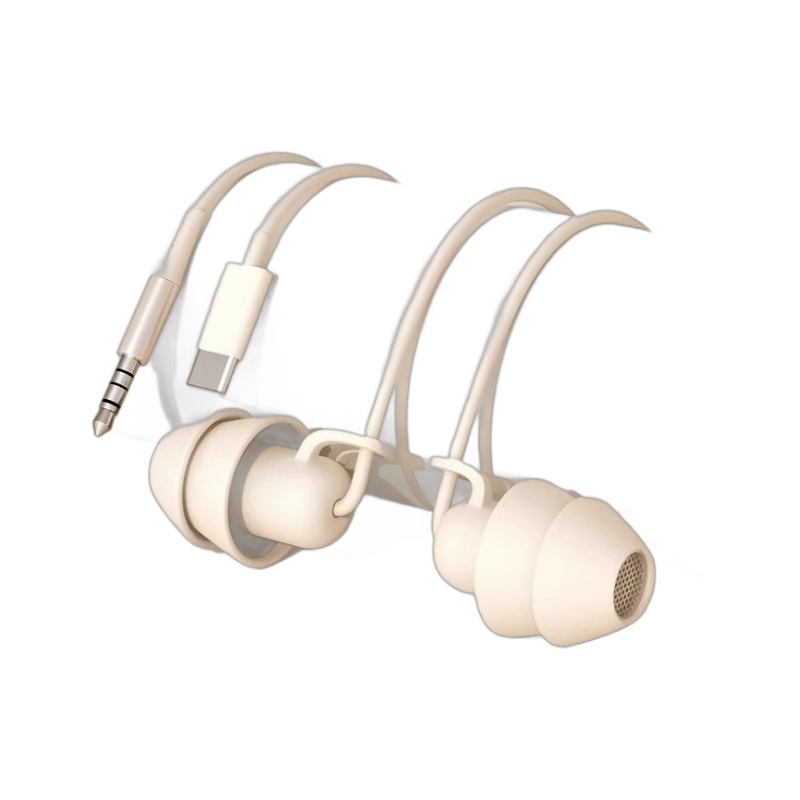
The landscape of wearable technology has undergone a seismic shift in recent years. What began as simple tools for tracking steps and basic activity has blossomed into a sophisticated ecosystem of health monitoring, with the fusion of audio and biometric data emerging as a transformative frontier. Among the most innovative developments in this space are earphones capable of heart-rate monitoring. These devices represent a convergence of convenience and clinical-grade utility, promising to change how athletes, health enthusiasts, and everyday users interact with their bodies while they listen to their favorite playlists.

Table of Contents
The Convergence of Sound and Vitality
The integration of biometric sensors into compact audio devices is no small feat of engineering. Traditional heart-rate monitors have long relied on chest straps, which, while accurate, are often uncomfortable and cumbersome to wear during intense exercise. Conversely, wrist-based optical sensors, while popular, are frequently prone to motion artifacts that can lead to inaccurate readings during vigorous arm movements. Earphones, by contrast, offer a remarkably stable environment for physiological sensing. The ear canal is rich with blood vessels and is shielded from much of the erratic movement associated with limbs, making it an ideal location for photoplethysmography, the optical technique used to measure heart rate through light reflection.
Engineering the Bio-Acoustic Bridge
At the heart of these devices lies the miniaturization of optical technology. Small LED emitters and light-detecting sensors are placed within the earbud housing, oriented to penetrate the skin of the ear canal. As the heart beats, the volume of blood in the tissue changes, altering the amount of light reflected back to the sensor. By processing these rapid, subtle fluctuations, the onboard circuitry calculates the user’s pulse in real-time. This data is then wirelessly transmitted to a paired smartphone, where apps can visualize, analyze, and store heart-rate trends over weeks, months, and years.
The Science of Sensor Stability
One of the significant advantages of ear-based monitoring is the biological consistency of the ear canal. Unlike the wrist, where the skin can be thin, bony, or prone to extreme dryness and sweat accumulation that shifts the watch face, the ear canal provides a relatively protected environment. Engineering teams spend countless hours optimizing the “fit profile” of these devices. They utilize sophisticated algorithms that filter out the noise generated by jaw movement—such as chewing or talking—ensuring that the heart-rate signal remains pure even during high-intensity interval training or heavy-lifting sessions.
Enhancing Performance Through Data
For the dedicated athlete, the implications of this technology are profound. Monitoring heart rate at the ear allows for immediate feedback during training sessions, enabling users to maintain specific intensity zones without breaking their stride or stopping to check a watch. Whether training for a marathon or simply looking to improve cardiovascular endurance, the ability to correlate exertion levels with specific musical beats or podcast segments adds a layer of precision to athletic training. The seamless integration of health metrics into a medium that is already part of the daily routine removes the friction that often prevents people from tracking their vital statistics consistently.
Beyond Fitness: The Clinical Potential of Wearables
While the primary market for heart-rate monitoring earphones remains the sports and fitness community, the underlying technology holds significant promise for broader health applications. As these sensors become more precise, they are moving toward the realm of medical-grade monitoring. Continuous heart-rate tracking provides a granular view of cardiovascular health that intermittent doctor visits simply cannot replicate. For individuals managing conditions that require close observation, such as arrhythmias or high blood pressure, these devices can act as a bridge between professional medical care and the home environment.
The Significance of Longitudinal Data
Data is only as valuable as the insights it provides, and the real power of these earphones lies in longitudinal tracking. By gathering data during various states of being—during exercise, at rest, and even during sleep—the software can build a comprehensive baseline of an individual’s health. Significant deviations from this baseline can serve as early warning signs for illness, overtraining, or chronic stress. As machine learning algorithms become more adept at identifying patterns within this data, the role of these earphones will likely shift from passive trackers to proactive health advisors.
Bridging the Gap to Preventive Medicine
The medical community is increasingly interested in the potential for wearable devices to detect anomalies before they become critical. Heart-rate variability (HRV) is a key metric that these advanced earphones can now track with increasing reliability. HRV measures the variation in time between each heartbeat, providing deep insights into the autonomic nervous system. A consistently high HRV is often a sign of good cardiovascular fitness and stress resilience, while a sudden, unexplained drop can indicate that the body is fighting off an infection or suffering from systemic fatigue. By democratizing access to this type of data, users are becoming their own health detectives.
The Architecture of Comfort and Precision
The marriage of high-fidelity audio and biometric precision requires an unprecedented level of mechanical engineering. Developers must account for the acoustic properties of the ear canal while simultaneously positioning sensors in a way that minimizes light leakage. This dual-purpose design means that the ear tip is no longer just a conduit for sound; it is a critical component of the health measurement system. Advanced materials, such as medical-grade silicone and hypoallergenic coatings, are now standard, ensuring that the devices can be worn for hours without causing irritation. Furthermore, the incorporation of gyroscopes and accelerometers alongside optical sensors allows the device to account for physical activity, refining the heart-rate data even when the user is moving dynamically.
The Future of Connected Health
Looking ahead, the integration of biometric sensors into audio equipment is likely to expand beyond just heart rate. Research is already underway to incorporate sensors capable of tracking blood oxygen saturation, body temperature, and even hydration levels directly through the ear. As these components shrink and battery efficiency improves, we can expect a new generation of “hearables” that act as multi-functional health hubs. These devices will not only play music but will also contribute to a holistic understanding of our physical and mental well-being in real-time.
Cultivating a Data-Driven Lifestyle
The true value of this evolution is the empowerment of the individual. By lowering the barrier to entry for high-quality health data, wearable audio devices are encouraging a more proactive approach to wellness. When health monitoring feels less like a clinical chore and more like a natural extension of one’s leisure activities, the likelihood of sustained healthy habits increases significantly. This shift marks a departure from reactive healthcare toward a model where individuals are actively engaged in maintaining their health on a daily basis.
The Role of Artificial Intelligence and Personalization
As we look toward the next decade, the integration of generative AI with biometric data will likely revolutionize how we interpret our health metrics. Instead of simply showing a graph of a heart rate, future apps will synthesize this data into conversational, actionable advice. Imagine an earphone system that detects your rising stress levels through heart-rate acceleration and suggests a guided breathing exercise, automatically adjusting your music tempo to help lower your heart rate. This level of personalized, adaptive technology represents the final frontier of the hearable revolution, turning passive listening into a sophisticated, personalized wellness experience. AI algorithms will also be able to cross-reference your heart-rate trends with external factors, such as weather conditions, air quality, and even sleep patterns, offering a comprehensive view of your health that was previously restricted to laboratory settings.
Ethical Considerations and Data Privacy
As with any technology that collects intimate physiological information, privacy and data security are paramount. The information captured by heart-rate monitoring earphones is inherently sensitive, revealing not just activity levels but potential health trends. Manufacturers must prioritize robust encryption, transparent data handling policies, and user control. As these devices become more embedded in our daily lives, building trust will be as important as technical innovation. Users need assurance that their health data is protected, stored securely, and used only in ways that benefit their own well-being, rather than being exploited by third-party interests.
conclusion
In conclusion, heart-rate monitoring earphones are far more than a passing tech trend; they represent a significant step forward in the democratization of health data. By elegantly merging high-fidelity audio with precise biometric sensors, these devices are setting a new standard for how we monitor our vitality. As the technology continues to mature and become more accessible, it is poised to play an increasingly central role in the lives of those looking to optimize their performance, manage their health, and better understand the intricate rhythm of their own bodies.
How to purchase:Online B2B sourcing platform, China purchase, Chinese suppliers – LooperBuy
Related Questions & Answers
· How accurate are heart-rate monitoring earphones compared to chest straps?
While chest straps are traditionally considered the gold standard due to their proximity to the heart, modern ear-based sensors have become remarkably accurate. In many scenarios, particularly during moderate to high-intensity exercise, they provide data that is nearly identical to chest straps, with the added benefit of being significantly more comfortable for long-term wear.
· Do these earphones need to be tightly inserted to work correctly?
A secure and consistent fit is indeed necessary for optimal performance. The optical sensors rely on a steady reflection of light from the skin; if the earbud is too loose, ambient light can interfere with the sensor, or movement can cause the device to shift. Using the appropriately sized ear tip is the most effective way to ensure both comfort and sensor accuracy.
· Can I use these devices for medical diagnosis?
No, most commercial heart-rate monitoring earphones are classified as wellness devices rather than medical diagnostic tools. While they can provide valuable insights into heart-rate trends and exercise intensity, they should not replace professional medical equipment or advice from a qualified healthcare provider. If you suspect an underlying health condition, always consult a doctor.
· How does sweat affect the accuracy of the sensors?
High-end, fitness-oriented earphones are designed with moisture resistance in mind. However, excessive sweat buildup can potentially interfere with the light sensors or the seal in the ear canal. Most devices are engineered to handle a moderate amount of perspiration, and regular cleaning of the ear tips helps maintain both the hygiene and the signal integrity of the sensors.
· Will wearing these for several hours a day drain my battery quickly?
Continuous monitoring of heart rate does consume more power than standard audio playback. While battery life has improved significantly in newer models, users should expect a reduction in total playback time when biometric tracking is enabled. Most manufacturers provide battery usage estimates that account for both high-fidelity audio streaming and active health sensor usage.
Hot Tags:
Wearable Technology; Biometric Monitoring; Heart Rate Tracking; Fitness Gadgets; Hearables; Digital Health; Physiological Sensors; Performance Optimization; Cardiovascular Wellness; Advanced Bio-Sensors; Smart Audio Devices; Health Data Analytics; Preventive Wellness; Real-Time Vital Monitoring; Tech-Driven Athletics; Personal Health Empowerment; Innovative Wearables; Future Health Tech; Stress Resilience Tracking; Human Performance Engineering; Pulse Monitoring Tech; Connected Wellness Ecosystem; Automated Biometric Analysis; Precision Fitness Gear; Next-Gen Health Audio; Biometric Integration; Wearable Health Innovation; Fitness Performance Metrics; Advanced Optical Sensors; Personalized Wellness Tech; Smart Fitness Equipment; Physiological Data Insights; Next-Generation Hearables; Comprehensive Body Tracking; Holistic Health Monitoring; Integrated Wellness Solutions; Advanced Sports Tech; Biometric Data Privacy; Future Of Wearables; Precision Health Monitoring; The intersection of high-fidelity audio engineering and cutting-edge physiological biometric monitoring represents a paradigm shift in how consumers interact with health data. By integrating optical sensors directly into the ear canal, developers have created a seamless bridge between daily leisure activities and clinical-grade vitality tracking. This evolution is driven by the demand for non-intrusive, continuous, and highly accurate health insights that move beyond simple step counting. As artificial intelligence continues to refine the interpretation of heart rate variability and pulse data, these devices are poised to become indispensable companions for proactive healthcare. This ongoing synergy of sound, science, and smart software is fundamentally redefining the wellness landscape, empowering individuals to take command of their physical state with unprecedented ease and precision.