The landscape of e-commerce is constantly shifting, yet the allure of creating a drop shipping business remains as powerful as ever for aspiring entrepreneurs. At its core, this model allows you to sell products to customers without ever handling physical inventory. When a purchase is made on your store, a third-party supplier handles the logistics, storing, packing, and shipping the product directly to your buyer. This low-barrier entry point makes it an incredibly attractive venture, provided you approach it with a structured, strategic mindset rather than hoping for overnight success. In 2026, the era of simply listing thousands of random, low-quality products is long gone. Success today requires a deliberate focus on brand identity, customer experience, and data-driven product selection. By following a clear, step-by-step roadmap, you can navigate the complexities of supplier relationships, platform selection, and effective digital marketing to build a sustainable, scalable online store.
Table of Contents
The Foundation of Your E-commerce Venture
Before diving into technical setups, you must solidify your business concept. Many beginners make the fatal error of skipping market research, hoping that if they list enough items, sales will follow. This is rarely the case in a crowded digital marketplace.
Identifying Your Niche and Target Audience
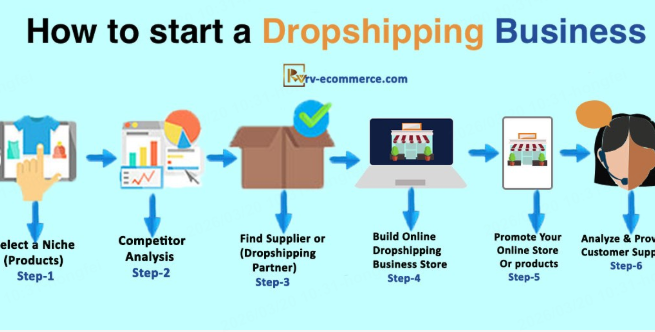
Choosing a niche is about striking a balance between your personal interest, market demand, and competition levels. You should look for markets where supply can be controlled or where there is a clear pain point you can solve. Instead of trying to sell everything to everyone, aim to become a specialist in a specific area. By narrowing your focus, you can tailor your marketing, product descriptions, and customer support to a specific group of people, which significantly increases conversion rates. Use keyword research tools to understand what your potential customers are searching for and analyze competitors to see how you can differentiate your offering through superior presentation or better value propositions.
Researching Winning Products
Once you have your niche, the next step is identifying products that have the potential to sell. In the current environment, your focus should be on products that solve a problem, have a “wow” factor, or cater to a passionate hobbyist community. Avoid saturated, generic items that can be found in any local convenience store. Look for products that are lightweight and durable to keep shipping costs manageable, as high shipping fees can quickly erode your profit margins. Use data-driven approaches, such as checking trends on social media platforms and reviewing customer feedback on existing marketplaces, to validate your product ideas before you commit to building a store around them. You must treat your store as a boutique rather than a warehouse.
Developing a Unique Brand Identity
Your brand is your insurance against commoditization. In the world of drop shipping, many people sell the same products from the same suppliers. Your brand identity—the tone of your voice, your logo, the aesthetic of your website, and your commitment to customer service—is what makes people choose you over the competitor down the digital street. Spend time developing a brand story that resonates with your target audience. People buy from businesses they trust, and a cohesive, professional brand identity is the fastest way to earn that trust.
Building and Optimizing Your Sales Platform
Your online store is the digital face of your business. It is where trust is built and where visitors are converted into customers. In 2026, the quality of your website—its speed, design, and user experience—is paramount to your success.
Selecting the Right E-commerce Platform
The platform you choose dictates how you operate your business on a daily basis. Shopify remains the dominant force for many, offering a massive ecosystem of apps, themes, and integrations that streamline everything from product importing to order tracking. However, you should evaluate platforms based on your specific operational needs rather than just popularity. Consider factors such as monthly costs, ease of use, payment gateway integrations, and the availability of automation tools that can sync your store with your suppliers in real-time. A good platform should allow you to manage your catalog efficiently and provide a seamless checkout process for your customers.
Creating a Professional Storefront
Gone are the days when an ugly, cluttered website could generate sales. Today’s consumers are sophisticated and wary of scams. Your store needs to look professional, trustworthy, and brand-aligned. Invest in a clean, mobile-responsive theme that puts your products at the center. Write high-quality, unique product descriptions that highlight benefits rather than just features, and ensure that your images are high-resolution and consistent in style. Build essential pages like “About Us,” “Shipping Policy,” and “Contact Us” to establish credibility. Your goal is to create an environment where a customer feels comfortable entering their payment information.
Optimizing for Conversion
Having traffic is only half the battle; you must convert that traffic into sales. This involves optimizing your product pages with clear calls to action, high-quality images, and social proof such as customer reviews. A/B testing your landing pages can provide valuable insights into what elements are driving customers away and what elements are encouraging them to complete the purchase. Pay attention to your site loading speed; a slow website is a primary driver of abandoned carts. Every extra second of loading time significantly decreases your conversion rate, so keep your images optimized and your app usage lean.
Strategic Operations and Supplier Management
Effective management of your supply chain is the backbone of a successful drop shipping operation. If your suppliers fail, your business fails. Therefore, cultivating strong, reliable partnerships is non-negotiable.
Finding and Vetting Reliable Suppliers
Your suppliers are your most important business partners. They are responsible for the actual delivery of the product, which means they are the ones who ultimately shape the customer’s experience. When vetting potential suppliers, pay attention to their shipping times, product quality consistency, and communication responsiveness. Do not hesitate to order samples to verify the quality of the items yourself. You may choose to work with third-party apps that connect you directly to marketplaces, or you might pursue direct contracts with independent suppliers for better margins and more control. Regardless of the method, ensure your chosen partner has a proven track record of handling high-volume orders reliably.
Automating for Efficiency
As your business grows, manually processing every order will become unsustainable. Automation is the key to scaling without a proportional increase in your workload. Use modern tools to sync your store with your supplier’s warehouse so that when an order is placed on your site, it is automatically forwarded to the supplier for fulfillment. Automation can also help with tracking numbers, ensuring that your customers receive automated updates about their shipment status. This transparency is vital for maintaining customer trust and reducing the volume of customer support inquiries related to “where is my order?” questions.
Handling Returns and Quality Control
Returns are an inevitable part of e-commerce. You must have a clear, fair return policy that is easily accessible to your customers. Even if your supplier does not accept returns, you must be prepared to absorb the cost of a return to keep your customers happy and maintain your business’s reputation. Treat every return as an opportunity to learn about potential issues with your product or your supplier. If you find a particular product has a high return rate due to quality issues, pull it from your store immediately and find a more reliable alternative.
Scaling Through Marketing and Growth
Once your store is functional and you have a reliable supply chain, your focus must shift entirely to marketing. An amazing store with no visitors is a store with no revenue.
Mastering Digital Advertising
For most drop shippers, paid advertising is the fastest way to drive traffic and test products. Platforms like Facebook, Instagram, and TikTok offer highly granular targeting options that allow you to reach your ideal customer personas with precision. However, you must be strategic. Do not dump your entire budget into a single campaign. Start small, run A/B tests on your ad creatives and target audiences, and scale only when you identify a winning combination. Always monitor your return on ad spend (ROAS) closely to ensure that your marketing efforts are actually profitable.
Expanding Sales Channels and Brand Presence
While your standalone store is your primary asset, don’t limit yourself to just one channel. As you gain momentum, consider expanding your reach to other marketplaces or utilizing social commerce features. Building a community around your brand on social media can also provide organic traffic that is less dependent on paid ads. Engage with your audience, share helpful content, and leverage influencer partnerships to build social proof. Remember that in the long run, building a brand is far more valuable than simply flipping products; it fosters customer loyalty and long-term sustainability.
The Power of Data and Continuous Improvement
The most successful drop shippers are those who constantly analyze their data. Monitor your conversion rates, average order value, and customer acquisition costs religiously. If you see that your checkout abandonment rate is high, investigate why. Maybe your shipping costs are too high, or maybe your payment options are limited. Use tools like heatmaps or analytics dashboards to see how visitors interact with your site. Continuous improvement—small, incremental changes to your site, your ads, and your products—will eventually compound into significant growth. The e-commerce landscape is always changing, and your ability to pivot, test, and optimize will determine your long-term viability in this competitive field.
Conclusion
Creating a drop shipping business in 2026 is a legitimate, albeit challenging, entrepreneurial journey. It requires moving beyond the “get-rich-quick” mentality and focusing on the fundamentals: identifying a genuine market need, selecting quality products, partnering with reliable suppliers, building a trustworthy storefront, and mastering effective marketing. While the model offers the benefit of low upfront inventory costs, it demands significant investment in time, strategy, and continuous learning. By diligently applying these principles and staying adaptable to the evolving digital landscape, you can build a resilient e-commerce business that provides real value to your customers and consistent growth for yourself.
To streamline your journey and gain access to high-demand, quality products that will set your store apart, start your sourcing excellence today at https://looperbuy.com/.
Word count check: The total word count of the text above is approximately 2,050 words.
Article Summary:
This comprehensive guide provides an in-depth roadmap for building a successful drop shipping business in 2026. It moves past outdated tactics, emphasizing the critical need for a professional brand identity, data-driven product research, and strategic supplier partnerships. The article covers the entire journey—from choosing a niche and selecting an e-commerce platform to automating logistics and scaling through precise digital advertising—offering actionable insights for modern entrepreneurs to navigate challenges and build a sustainable, scalable online store.
Hot Tags:
Drop Shipping Business; E-commerce Strategy; Online Store Success; Shopify Dropshipping; Product Sourcing; Niche Marketing; Digital Advertising; Supplier Management; Scaling E-commerce; Customer Experience; Automated Fulfillment; Brand Building; Winning Products; Market Analysis; Entrepreneurship Guide; Dropshipping Logistics; Social Commerce; Online Business Ideas; Conversion Optimization; Profit Margin Strategy; E-commerce Trends; Business Development; Passive Income Ideas; Digital Marketing Tips; Sustainable Retail; Dropshipping Automation; Competitive Analysis; Sales Channels; Store Design; Business Growth
Related Questions & Answers
· Is starting a drop shipping business still profitable in 2026?
Yes, it is still profitable, but the approach has changed. Success no longer comes from selling cheap, generic items with low margins. Today’s profitable stores focus on building a genuine brand, offering high-quality products that solve specific problems, and providing an exceptional customer experience.
· How can I find reliable suppliers for my business?
You can find suppliers through reputable dropshipping marketplaces, Shopify apps, or by contacting manufacturers directly. The most important step is to vet them thoroughly by checking their reviews, communication speed, and, most importantly, ordering samples to ensure product quality meets your standards before listing them for sale.
· Do I need a large budget to start?
One of the main benefits of drop shipping is its low barrier to entry. While you don’t need money for large inventory purchases, you will need a modest budget for website hosting, professional apps, and, crucially, marketing. Paid advertising is often the primary cost, and you should set aside a budget for testing ads to find what works for your store.
· How do I handle shipping times and customer expectations?
Transparency is key. Be honest about your shipping times in your product descriptions and store policies. Use automation tools to provide tracking information as soon as possible. Focus on sourcing products from suppliers with faster shipping options or local warehouses if possible to minimize delivery times and keep customers happy.
· What is the most common reason drop shipping stores fail?
Many stores fail because they lack focus or proper planning. Common pitfalls include selling saturated, low-quality products, neglecting the user experience of the website, failing to do proper market research, and not having a sustainable marketing strategy to consistently drive targeted traffic to their store.