In the modern landscape of international trade and commerce, the ability to move goods quickly, reliably, and cost-effectively is not just an operational necessity—it is a cornerstone of competitive advantage. Companies that master the complexities of global supply chains position themselves to expand their reach, satisfy increasingly demanding customers, and streamline their bottom line. At the center of this dynamic ecosystem, UPS Global Shipping & Logistics Services provides a comprehensive, technology-driven framework that empowers businesses of all sizes to navigate the challenges of cross-border trade, distribution, and inventory management with unparalleled scale and expertise.
Table of Contents
The Foundation of Modern Global Supply Chain Management
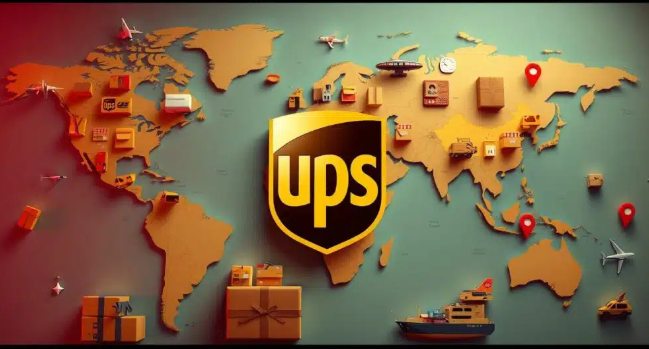
At its core, the value proposition of UPS lies in its ability to transform traditional logistics into a strategic asset. While widely recognized as a premier package delivery company, UPS has evolved into a sophisticated supply chain partner capable of orchestrating complex international movements. By integrating air, ground, and sea transportation with cutting-edge digital infrastructure, the company allows businesses to adopt flexible models that scale alongside their growth. Whether a small enterprise is looking to enter its first international market or a large multinational corporation is seeking to optimize its distribution centers, the infrastructure provided by UPS serves as a reliable backbone.
The Power of an Integrated Network
The strength of UPS is rooted in its single, vast, and unified network. This connectivity allows for seamless transitions between domestic and international segments of the shipping process. By eliminating fragmented processes—such as re-keying information across different systems—businesses can significantly reduce the risk of errors and operational delays. This cohesive approach enables real-time visibility and control, turning the movement of goods from a transactional task into a streamlined, automated process that enhances customer satisfaction from the moment of order entry to final delivery. The sheer density of this network means that businesses can access remote markets just as efficiently as major metropolitan hubs, effectively leveling the playing field for companies of all sizes.
Driving Efficiency Through Technology
Innovation is the engine that drives this global network. By leveraging advanced data analytics, predictive modeling, and robotics, UPS provides tools that help businesses forecast demand and optimize their inventory positioning. The implementation of sophisticated tracking systems ensures that stakeholders have constant, transparent access to their shipment status. This level of digital transparency is essential in a fast-paced market where consumers and businesses alike demand precise, accurate delivery estimates and proactive communication regarding any potential delays. By integrating these digital platforms into their own order management systems, businesses can reduce their administrative burden and focus on core operational excellence.
Navigating Complexities in International Trade
One of the most daunting hurdles for businesses entering the global marketplace is navigating the intricate landscape of customs, tariffs, and trade regulations. UPS functions as a leading global customs broker, offering the expertise required to demystify these processes. For many businesses, the ability to anticipate and manage surprise costs—such as unexpected duties or tax assessments—can mean the difference between a profitable venture and an expensive mistake.
Simplifying Cross-Border Logistics
The company’s trade management tools, such as the ability to provide a guaranteed landed cost at checkout, empower businesses to offer their international customers total price transparency. This eliminates the uncertainty that often prevents international buyers from completing purchases. By streamlining customs clearance and utilizing specialized services for consolidated freight, businesses can reduce the number of steps required for goods to cross international borders, effectively speeding up time-to-market and enhancing their competitive edge in new regions. This proactive approach to trade compliance minimizes the chances of shipments being held in customs, ensuring a smoother journey from warehouse to doorstep.
Customized Solutions for Diverse Industries
Different industries carry unique logistics requirements, and a one-size-fits-all approach is rarely effective. UPS offers specialized solutions tailored to sectors such as healthcare, e-commerce, and high-tech manufacturing. These services include temperature-sensitive logistics, secure handling of critical parts, and robust returns processing. By outsourcing these specialized functions to experts who understand the regulatory and physical requirements of high-stakes goods, companies can focus their internal resources on product development and core business growth. In the healthcare sector, for instance, this includes cold-chain solutions that ensure integrity for life-saving pharmaceuticals and medical devices during transit.
Transforming Operations with Advanced Distribution Strategies
The warehouse is the heart of any fulfillment operation. When managed correctly, it is a hub of efficiency; when managed poorly, it becomes a bottleneck. The contract logistics and distribution services offered by UPS are designed to reduce capital investment for businesses while simultaneously improving service levels. By leveraging an expansive global footprint of warehousing and fulfillment centers, companies can position their products closer to their end customers, which is the most effective way to reduce transit times and shipping costs.
Inventory Control and Distribution Optimization
Strategic inventory management is essential for maintaining supply chain resilience. Through its logistics platforms, UPS provides businesses with the ability to manage stock levels across multiple locations, ensuring that products are always available when and where they are needed. These services encompass everything from inbound logistics, where raw materials are moved to manufacturing sites, to outbound distribution, where finished goods are delivered to retailers or individual consumers. By optimizing these flows, businesses can maintain leaner inventories without sacrificing reliability, thereby improving their overall cash flow and reducing overhead associated with excess storage.
Data-Driven Decision Making in Warehousing
Modern distribution centers are no longer just storage spaces; they are data-driven hubs that utilize Internet of Things (IoT) devices and automated sorting systems to increase throughput. By tapping into the logistics network of UPS, businesses gain access to the same sophisticated, AI-driven sorting and picking technology. This automation significantly reduces the potential for human error and speeds up order fulfillment times, which is paramount in an e-commerce environment where same-day or next-day delivery is increasingly becoming the standard expectation among consumers.
Building a Sustainable and Resilient Future
As global supply chains become more complex, their vulnerability to disruptions—whether from natural disasters, geopolitical instability, or economic shifts—increases. The global logistics network of UPS is designed with inherent redundancies and adaptability to ensure that, even in challenging times, essential supply lines remain open. Having a partner who can quickly reroute shipments and provide alternate logistics paths provides a critical safety net that preserves brand reputation and customer loyalty.
Environmental Responsibility and Sustainability
Businesses today are increasingly focused on the environmental impact of their operations. UPS is committed to sustainability, providing businesses with the ability to measure their carbon footprint and offering carbon-neutral shipping options that align with the growing consumer preference for environmentally responsible brands. By investing in alternative fuel vehicles, energy-efficient aircraft, and optimized route planning, UPS helps their partners reduce their own environmental impact. This is not just a moral imperative but a business one, as companies are finding that sustainable practices are increasingly tied to long-term profitability and stronger brand equity.
The Human Element in Global Logistics
While technology and infrastructure are the pillars of the UPS global network, the human element remains vital. The expertise of logistics professionals, customs brokers, and support teams ensures that unique challenges are met with creative, human-centric solutions. This blend of global reach and local touch provides companies with a distinct advantage: the confidence that their goods are being managed by experts who understand the nuances of local markets while operating under a global standard of service and security.
Conclusion
The decision to leverage UPS Global Shipping & Logistics Services is fundamentally a decision to invest in the efficiency, scalability, and long-term viability of a business. By tapping into an integrated network that spans the globe, companies can bypass the limitations of localized logistics, navigate international trade with confidence, and optimize their distribution operations for maximum impact. In an era where speed and ease are the defining characteristics of customer satisfaction, having a partner capable of moving the world forward is the most significant advantage a business can secure.
To streamline your global supply chain and accelerate your business growth with world-class logistics precision, discover the ultimate solutions for your enterprise at https://looperbuy.com/
Article Summary:
This article explores how UPS Global Shipping & Logistics Services serves as a catalyst for business growth and operational excellence. It highlights the strategic benefits of an integrated, technology-driven global network that simplifies international trade, optimizes warehouse distribution, and enhances supply chain resilience. By focusing on customization, digital transparency, and specialized industry solutions, UPS empowers businesses to navigate complex market demands, reduce costs, and deliver superior customer experiences on a global scale.
Hot Tags:
UPS; Logistics; Global Shipping; Supply Chain Management; Freight Forwarding; Customs Brokerage; E-commerce Fulfillment; International Trade; Distribution; Inventory Control; Last Mile Delivery; Smart Logistics; Business Growth; Trade Compliance; Warehouse Automation; Carbon Neutral Shipping; Global Trade Solutions; Order Fulfillment; Strategic Logistics; Cross Border Trade; Transport Networks; Shipping Efficiency; Digital Logistics; Supply Chain Resilience; Cargo Services; Package Delivery; Business Strategy; International Logistics; Logistics Technology; Global Commerce;
Related Questions & Answers
· How does UPS help small businesses compete in the global market?
UPS provides small businesses with access to the same sophisticated, enterprise-grade shipping tools and customs brokerage expertise used by large corporations. By offering services like landed cost calculations and simplified freight consolidation, they allow small firms to reduce operational risks, manage surprise costs, and provide a seamless, professional experience to their international customers.
· What role does technology play in the UPS logistics network?
Technology acts as the backbone of the UPS network, powering everything from route optimization and predictive demand forecasting to real-time, end-to-end package tracking. These digital tools enable businesses to automate order entry, reduce manual errors, and maintain transparency, which is critical for meeting modern consumer expectations for speed and accuracy.
· Why is outsourcing logistics to a company like UPS beneficial for inventory management?
Outsourcing allows businesses to reduce capital expenditure by leveraging existing, expansive warehouse networks rather than building their own. It also provides the flexibility to scale storage and distribution capabilities based on seasonal demand, while simultaneously improving inventory accuracy and reducing transit times by positioning goods closer to the end consumer.
· How does UPS address the complexity of international customs and tariffs?
UPS operates as one of the world’s largest customs brokers. They utilize their extensive regulatory knowledge and advanced software to streamline customs clearance processes. By providing tools that consolidate freight and calculate duties and taxes upfront, they help businesses navigate complex trade barriers, avoid unexpected costs, and expedite the flow of goods across borders.
· What specific industries benefit most from specialized UPS logistics services?
Industries with highly sensitive or time-critical requirements, such as healthcare, high-tech, and automotive, benefit significantly from specialized logistics. UPS offers tailored solutions like temperature-controlled warehousing, secure, expedited shipping for critical service parts, and robust returns management, ensuring that businesses in these sectors can maintain high service standards while adhering to stringent industry regulations.