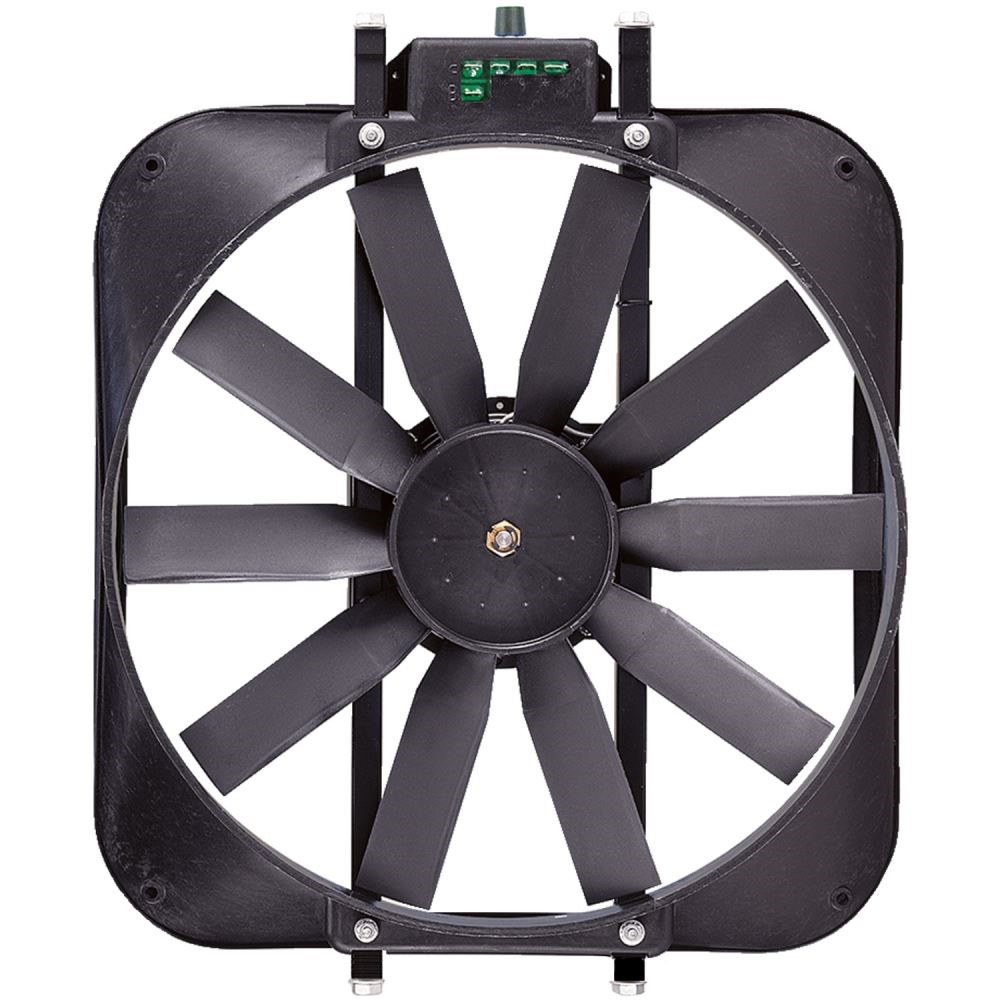
Electric radiator fans are essential components in modern vehicles, playing a crucial role in maintaining optimal engine temperatures. As vehicles have evolved, so too have their cooling systems, with electric fans becoming increasingly popular due to their efficiency and effectiveness. This article will explore the various aspects of electric radiator fans, including their types, benefits, installation, and maintenance, providing a comprehensive understanding of this vital automotive technology.
Table of Contents
Understanding Electric Radiator Fans
Electric radiator fans are designed to draw air through the radiator, helping to cool the engine coolant before it circulates back to the engine. Unlike traditional mechanical fans, which are driven by the engine’s crankshaft, electric fans operate independently, powered by the vehicle’s electrical system. This independence allows for more precise control over cooling, improving overall engine performance and efficiency. The ability to operate based on real-time temperature readings means that electric fans can respond dynamically to changing conditions, ensuring that the engine remains within its optimal temperature range.
Types of Electric Radiator Fans
Electric radiator fans come in various types, each suited for different applications and vehicle designs. The most common types include:
Puller Fans
Puller fans are mounted on the engine side of the radiator and pull air through the radiator core. This design is effective for most applications, as it helps to draw cooler air from outside the vehicle into the engine compartment. Puller fans are typically used in vehicles with sufficient space behind the radiator. Their design allows for efficient airflow, which is crucial for maintaining engine temperatures, especially during high-performance driving or in hot weather conditions.
Pusher Fans
Pusher fans are installed in front of the radiator and push air through the radiator core. These fans are often used in applications where space is limited, or when additional cooling is required, such as in high-performance vehicles or during heavy towing. Pusher fans can also be beneficial in situations where the vehicle is frequently idling, as they help maintain airflow even when the vehicle is stationary. This capability is particularly important in urban environments where stop-and-go traffic can lead to overheating.
Dual Fans
Some vehicles utilize dual electric radiator fans, which combine the benefits of both puller and pusher fans. These systems can provide enhanced cooling performance, especially in high-demand situations, such as racing or towing heavy loads. Dual fans can be configured to operate simultaneously or independently, depending on the cooling needs. This flexibility allows for better thermal management, ensuring that the engine remains cool under various driving conditions.
Benefits of Electric Radiator Fans
Electric radiator fans offer several advantages over traditional mechanical fans, making them a popular choice for many vehicle owners and manufacturers.
Improved Efficiency
Electric fans are more efficient than mechanical fans because they only operate when needed. This on-demand operation reduces the load on the engine, allowing for better fuel efficiency and performance. By freeing up horsepower, electric fans can contribute to improved acceleration and overall vehicle responsiveness. This efficiency is particularly noticeable in modern vehicles equipped with advanced engine management systems that can optimize fan operation based on real-time data.
Enhanced Cooling Performance
Electric radiator fans provide better cooling performance, especially in stop-and-go traffic or during idling. Since they can be activated based on the engine temperature, electric fans ensure that the engine remains within its optimal temperature range, preventing overheating and potential engine damage. This capability is crucial for maintaining engine longevity and performance, particularly in vehicles that are subjected to heavy loads or extreme driving conditions.
Noise Reduction
Electric fans tend to operate more quietly than mechanical fans, which can be particularly beneficial in luxury vehicles or when driving in quiet environments. The reduced noise levels contribute to a more pleasant driving experience. This aspect of electric fans is often appreciated by drivers who value a serene cabin environment, as excessive noise from mechanical fans can be distracting and detract from the overall driving experience.
Versatility
Electric radiator fans are available in various sizes and configurations, making them suitable for a wide range of vehicles, from compact cars to large trucks. Their versatility allows for easy installation in various applications, including retrofitting older vehicles with modern cooling technology. This adaptability is a significant advantage for automotive enthusiasts and mechanics who seek to enhance the performance of older models or customize vehicles for specific purposes.
Installation of Electric Radiator Fans
Installing electric radiator fans can be a straightforward process, but it requires careful planning and attention to detail. Here are the key steps involved in the installation process.
Selecting the Right Fan
Before installation, it is essential to select the appropriate electric radiator fan for your vehicle. Consider factors such as the size of the radiator, the type of fan (puller or pusher), and the cooling requirements based on your driving conditions. Many manufacturers provide guidelines on fan specifications to ensure optimal performance. Additionally, consulting with automotive professionals or enthusiasts can provide valuable insights into the best fan options for specific vehicle models.
Preparing for Installation
Once you have selected the right fan, gather the necessary tools and materials, including wiring harnesses, mounting brackets, and any additional components required for your specific vehicle. Ensure that the vehicle is parked on a level surface and that the engine is cool before beginning the installation. Taking the time to prepare adequately can help streamline the installation process and prevent potential issues.
Mounting the Fan
Follow the manufacturer’s instructions to mount the fan securely to the radiator. Ensure that the fan is positioned correctly to maximize airflow through the radiator. If using a puller fan, it should be mounted on the engine side, while a pusher fan should be mounted on the front side. Proper mounting is crucial for ensuring that the fan operates efficiently and does not interfere with other components in the engine bay.
Wiring the Fan
Connect the fan to the vehicle’s electrical system according to the manufacturer’s instructions. This may involve connecting the fan to a relay or a thermostatic switch that activates the fan based on coolant temperature. Proper wiring is crucial to ensure reliable operation and prevent electrical issues. It is advisable to use high-quality connectors and wiring to withstand the heat and vibrations present in the engine compartment.
Testing the Installation
After completing the installation, start the engine and monitor the fan’s operation. Ensure that the fan activates at the appropriate temperature and that there are no unusual noises or vibrations. Testing the installation is essential to confirm that the fan is functioning correctly and providing adequate cooling. If any issues arise during testing, it is important to troubleshoot and resolve them before taking the vehicle on the road.

Maintenance of Electric Radiator Fans
Regular maintenance of electric radiator fans is essential to ensure their longevity and optimal performance. Here are some maintenance tips to keep in mind.
Inspecting the Fan
Periodically inspect the fan for any signs of wear or damage. Check the blades for cracks or chips, and ensure that the fan motor is functioning smoothly. If any issues are detected, consider replacing the fan to prevent cooling system failures. Regular inspections can help identify potential problems early, allowing for timely repairs and minimizing the risk of overheating.
Cleaning the Fan
Dust and debris can accumulate on the fan blades and motor, reducing efficiency. Regularly clean the fan using a soft brush or compressed air to remove any buildup. Ensure that the fan is disconnected from the power source before cleaning. Keeping the fan clean is essential for maintaining optimal airflow and preventing overheating, especially in environments with high levels of dust or debris.
Checking Electrical Connections
Inspect the electrical connections for any signs of corrosion or loose wires. Ensure that all connections are secure and free from damage. Corroded or loose connections can lead to fan failure or erratic operation. Regularly checking these connections can help ensure that the fan operates reliably and efficiently.
Monitoring Performance
Pay attention to the fan’s performance during regular driving. If you notice any changes in cooling efficiency, such as the engine overheating or the fan not activating, investigate the issue promptly. Early detection of problems can prevent more significant issues down the line. Keeping an eye on the temperature gauge and being aware of any unusual engine behavior can help catch potential problems before they escalate.
Conclusion
Electric radiator fans are a vital component of modern cooling systems, offering numerous benefits over traditional mechanical fans. Their efficiency, versatility, and improved cooling performance make them an excellent choice for a wide range of vehicles. By understanding the types, benefits, installation, and maintenance of electric radiator fans, vehicle owners can ensure their engines remain cool and operate efficiently. As automotive technology continues to advance, electric radiator fans will likely play an even more significant role in enhancing vehicle performance and reliability.
How to purchase:https://looperbuy.com/search?keywords=electric+radiator+fans
Frequently Asked Questions
1.What is the main function of electric radiator fans?
Electric radiator fans help cool the engine by drawing air through the radiator, ensuring that the engine coolant remains at optimal temperatures.
2.How do I know if my electric radiator fan is working?
You can check if the fan is working by monitoring its operation when the engine reaches a certain temperature. If the fan does not activate, it may need inspection or replacement.
3.Can I install an electric radiator fan myself?
Yes, installing an electric radiator fan can be a DIY project if you have basic mechanical skills and follow the manufacturer’s instructions carefully.
4.What are the signs of a failing electric radiator fan?
Signs of a failing fan include unusual noises, the fan not activating, or the engine overheating during operation.
5.How often should I maintain my electric radiator fan?
Regular maintenance should be performed at least once a year or more frequently if you drive in harsh conditions. This includes inspecting, cleaning, and checking electrical connections.