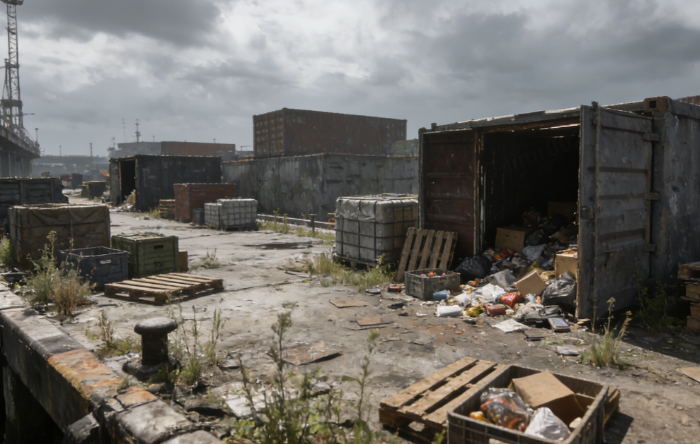
As a B2B sourcing and logistics strategist with over 15 years of experience helping global brand owners, wholesalers, and manufacturers navigate cross-border trade, I’ve seen one costly problem surface again and again: abandoned freight. It’s the nightmare scenario where a shipment is left unclaimed at a port, warehouse, or terminal—often because the buyer has vanished, gone bankrupt, or refuses to pay.
But abandoned freight isn’t just a problem for distressed cargo. For B2B buyers sourcing from China, understanding what causes abandoned freight is essential to protecting your supply chain, your cash flow, and your reputation with carriers and suppliers.
In this guide, I’ll explain exactly what abandoned freight means, the hidden costs of cargo abandonment, the most common causes for importers, and—most importantly—how to prevent it using best practices and platforms like LooperBuy that give you end-to-end visibility and control.
Table of Contents
What Is Abandoned Freight? A Clear Definition for B2B Importers
Abandoned freight refers to cargo that has been shipped but is never claimed by the consignee (the buyer). The goods sit at a port, warehouse, or container yard—often for weeks or months—while storage fees, demurrage, and detention charges accumulate.
In legal terms, freight is typically considered “abandoned” when:
The consignee fails to take delivery within a specified period (usually 30–60 days after arrival)
The consignee cannot be contacted or refuses to respond
The costs of clearing and transporting the goods exceed their value
When abandoned freight occurs, the carrier or port authority may eventually auction the goods to recover storage costs—or destroy them if they are hazardous or perishable.
Key takeaway:Abandoned freight isn’t just a logistics problem. It’s a financial and legal liability that can damage your relationship with carriers, suppliers, and even customs authorities.
The Real Cost of Abandoned Freight: A 2026 Breakdown
Many B2B buyers underestimate the financial impact of abandoned freight. Here’s what a typical 40-foot container of abandoned goods costs—before the cargo is even auctioned:
Cost Category
Typical Amount (USD)
Who Incurs It
Ocean freight (already paid)
$4,000 – $8,000
Importer (non-recoverable)
Demurrage (port storage)
$200 – $500 per day
Importer or consignee
Detention (container use)
$100 – $300 per day
Importer
Customs exam fees
$500 – $2,000
Importer
Administrative/legal fees
$1,000 – $5,000
Importer or freight forwarder
Auction loss (goods sold below cost)
50–80% of cargo value
Importer
In one real case I consulted on, a US-based electronics importer abandoned a $180,000 container of power banks because the product failed safety certification after shipment. The final bill—including freight, demurrage, return shipping, and disposal—exceeded $95,000, and the goods were destroyed.
Abandoned freight doesn’t just lose your product. It loses your investment and generates new liabilities.
Why Does Abandoned Freight Happen? 5 Common Causes for China Sourcing
Based on my experience working with over 300 B2B importers, here are the five most common drivers of abandoned freight when sourcing from China:
Cause
Description
How to Spot It Early
Buyer bankruptcy or cash flow crisis
Importer runs out of money before customs clearance
Monitor client financial health; require deposits
Product fails compliance testing
Goods don’t meet destination country regulations (e.g., CE, FCC, FDA)
Test samples before shipping full container
Dispute over quality or specifications
Buyer rejects goods after arrival
Use pre-shipment inspection with clear acceptance criteria
Unexpected duties or tariffs
New tariffs make goods uneconomical to clear
Calculate total landed cost before shipping
Supplier fraud or misrepresentation
Goods shipped are not what was ordered
Work only with vetted suppliers
Expert note: The most common cause of abandoned freight for first-time China importers is unexpected costs—especially demurrage and duties. They simply run out of cash before the goods clear.
New Section: 5 Practical Steps to Prevent Abandoned Freight When Sourcing from China
Preventing abandoned freight isn’t complicated, but it requires discipline. Here’s my five-step framework:
Step 1: Always Use a Pre-Shipment Inspection (PSI)
Before your supplier loads the container, hire an independent inspection company (or use LooperBuy’s complimentary PSI for orders over $5,000). Verify:
Quantity matches packing list
Product quality meets your specifications
Packaging is adequate for ocean transit
Compliance labels and documentation are correct
**Why this prevents **abandoned freight: You catch problems *before* the goods leave China—not after they arrive.
Step 2: Calculate Total Landed Cost – Not Just FOB Price
Many buyers abandon freight because they didn’t budget for:
Ocean freight (which fluctuates)
Customs duties and tariffs
Port handling and demurrage
Final-mile trucking
Solution: Use LooperBuy’s integrated cost calculator. It shows you all-inclusive landed cost before you book the shipment.
Step 3: Build a Contingency Reserve for Every Container
Set aside 15–20% of the cargo value as a contingency fund. This covers:
Unexpected demurrage (port congestion happens)
Customs exam fees (random, but real)
Currency fluctuation (if you pay in RMB or USD)
With a reserve, you’ll never be forced to abandon freight due to a $2,000 unexpected fee.
Step 4: Use a Reliable Forwarder or Platform with Visibility
Abandoned freight often happens because the buyer loses track of the shipment. When the arrival notice comes, they’re unprepared.
Solution: Use a platform like LooperBuy that provides:
Real-time vessel tracking (AIS data)
Automated arrival alerts
Customs clearance support
Demurrage monitoring (so you know deadlines)
Step 5: Have a “Last Resort” Plan for Problem Cargo
Even with best efforts, sometimes you need to abandon freight. But you can minimize losses:
Don’t abandon at the port – Move goods to a bonded warehouse (lower daily rates)
Negotiate with the carrier – Some will reduce demurrage if you communicate early
Sell the Bill of Lading – Find another buyer who can take delivery at destination
In 2025, I helped a furniture importer avoid abandoned freight by transferring the BOL to a discount liquidator at 40% of cargo value. They lost $60,000 instead of $150,000.
New Section: What Happens to Abandoned Freight? A Step-by-Step Timeline
Understanding the legal and operational process of abandoned freight helps you avoid reaching that point. Here’s the typical timeline in most major ports (US, EU, China):
Day After Arrival
Event
Importer’s Options
1–4 days
Free time (no storage fees)
Clear customs and pick up
5–10 days
Demurrage begins ($200–500/day)
Pay fees; request extension
11–30 days
Carrier issues “Notice of Abandonment”
Negotiate payment plan or sell BOL
31–60 days
Cargo declared legally abandoned
Carrier takes ownership
61–90 days
Auction or disposal
Importer may be billed for disposal costs
Critical deadline: Never let abandoned freight go past 30 days without a plan. After that, your options shrink dramatically.
How LooperBuy Helps You Never Face Abandoned Freight
At LooperBuy, we’ve designed our one-stop B2B sourcing platform to eliminate the conditions that lead to abandoned freight:
LooperBuy Feature
How It Prevents Abandoned Freight
Vetted Chinese suppliers
No fraud, no mis-shipments. Every supplier passes our 8-step audit.
Pre-shipment inspection
Catch quality or specification issues before the container loads.
Landed cost calculator
Know all costs (freight, duties, fees) upfront – no surprises.
Real-time tracking dashboard
Never lose sight of your shipment. Automated alerts for arrival.
Demurrage monitoring
We track free time and warn you before deadlines expire.
Customs support
Our documentation team ensures compliance – no clearance surprises.
Consolidated shipping options
Lower container costs mean less financial pressure.
Client result: A Canadian sporting goods brand using LooperBuy reduced their abandoned freight risk to zero over 18 months and 47 containers. Their secret? Pre-shipment inspection on every order + landed cost calculator on every quote.
Call to Action: Source from China Without the Risk of Abandoned Freight
You don’t have to accept abandoned freight as an inevitable cost of global trade. With the right processes—and the right platform—you can eliminate cargo abandonment entirely.
Ready to source from China with full visibility and control? Sign up for LooperBuy today. Get access to vetted suppliers, landed cost calculators, pre-shipment inspection, and real-time tracking. Your cargo will never be abandoned again.
[Start Sourcing with LooperBuy Now] – free account, no commitment, transparent pricing.
Frequently Asked Questions (FAQ)
1. What does abandoned freight mean in shipping?
Abandoned freight refers to cargo that has been shipped but is never claimed by the consignee (buyer). The goods sit at a port or warehouse, accumulating storage fees, until they are auctioned or destroyed by the carrier or port authority.
2. Who is responsible for abandoned freight costs?
The consignee (importer) is legally responsible for all demurrage, detention, storage, and disposal costs. If the importer cannot be found or refuses to pay, the carrier or freight forwarder may be held liable—and they will likely sue the importer.
3. How can I avoid abandoned freight when sourcing from China?
Use pre-shipment inspection, calculate total landed cost before shipping, maintain a contingency reserve (15–20% of cargo value), work with a platform like LooperBuy that provides real-time tracking, and never let a shipment sit at port for more than 30 days without a plan.
4. What happens to abandoned freight after auction?
After legal abandonment (typically 30–60 days), the carrier or port authority can auction the goods to recover storage costs. Proceeds go to the carrier first; any surplus (rare) may be returned to the original owner. Perishable or hazardous goods are usually destroyed immediately.
5. Can I prevent abandoned freight if my buyer goes bankrupt?
Yes—if you act fast. Contact the carrier immediately, request reduced demurrage rates, and try to sell the Bill of Lading to a third party (liquidator, discount broker, or another buyer). Moving goods to a bonded warehouse buys you time. LooperBuy clients receive 24/7 support to navigate these emergencies.
6. Does LooperBuy insure against abandoned freight?
LooperBuy does not offer freight abandonment insurance directly, but we provide the tools and processes that eliminate the root causes: vetted suppliers, pre-shipment inspection, landed cost transparency, real-time tracking, and demurrage alerts. Many of our clients also purchase cargo insurance (typically 110–150% of cargo value) as an additional layer of protection.
Article Summary (300 characters)
Abandoned freight explained by a 15-year B2B sourcing expert: definition, real costs, 5 causes, 5 prevention steps, legal timeline, and how LooperBuy helps you avoid cargo abandonment when sourcing from China.
Hot Tags
abandoned freight meaning, cargo abandonment, abandoned freight shipping, avoid abandoned freight, freight abandonment costs, demurrage and abandoned cargo, B2B sourcing China risk, LooperBuy abandoned freight prevention, abandoned container at port, how to prevent cargo abandonment, abandoned freight liability, abandoned goods customs, abandoned freight auction process, landed cost calculation, pre shipment inspection China
References
Flexport. (2026). What Happens to Abandoned Cargo? Retrieved from https://www.flexport.com/glossary/abandoned-cargo
Freightos. (2026). Demurrage and Detention: The Complete Guide for Importers. Retrieved from https://www.freightos.com/freight-resources/demurrage-and-detention
World Customs Organization (WCO). (2025). Abandoned Goods and Customs Liability. Retrieved from https://www.wcoomd.org
LooperBuy. (2026). Supplies Business: A B2B Expert’s Guide to Sourcing Chinese Goods Globally with LooperBuy. Retrieved from https://blog.looperbuy.com/supplies-business-a-b2b-experts-guide-to-sourcing-chinese-goods-globally-with-looperbuy.html
International Chamber of Shipping (ICS). (2026). Cargo Abandonment: Legal Framework and Carrier Rights. Retrieved from https://www.ics-shipping.org
U.S. Customs and Border Protection (CBP). (2026). Abandoned Merchandise – What Importers Need to Know. Retrieved from https://www.cbp.gov/trade/abandoned-merchandise
Sea-Intelligence. (2025). Demurrage and Detention Trends in Ocean Freight. Retrieved from https://www.sea-intelligence.com
Maersk. (2026). Avoiding Cargo Abandonment: Best Practices for Shippers. Retrieved from https://www.maersk.com/logistics-advice/abandoned-cargo