In the fast-paced world of international B2B sourcing, the decision between shipping methods is a critical pillar of your operational strategy. For brands, wholesalers, and manufacturers, choosing between air and sea transit directly impacts your bottom line, inventory turnover, and customer satisfaction. While ocean freight remains the cornerstone for bulk cost-efficiency [1, 3, 4], understanding the strategic advantages of air freight as compared to sea freight is essential for maintaining a competitive edge in today’s market.
Table of Contents
The Fundamental Trade-off: Speed vs. Cost
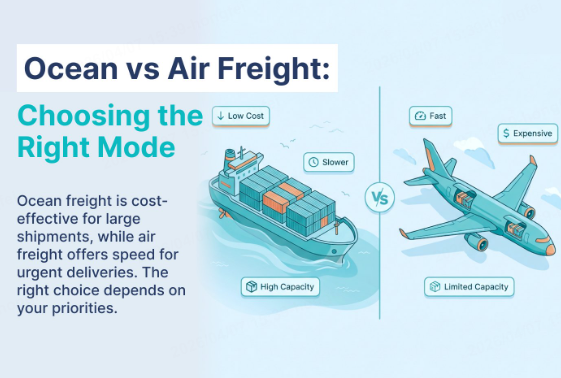
At its core, the choice between these two modes of transport is a balance between time and capital.
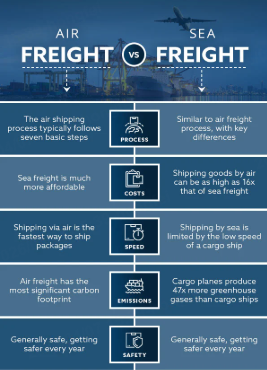
- Air Freight (The Accelerator): Offers unparalleled speed, with transit times typically ranging from 2 to 7 days globally [8, 14]. This is ideal for time-sensitive cargo, product launches, or replenishing high-demand stock to avoid stockouts [4, 5].
- Sea Freight (The Economizer): Provides the most cost-effective solution for large volumes, particularly for Full Container Loads (FCL) [3, 4, 6]. However, transit times can extend from 3 to 6 weeks, requiring more sophisticated inventory planning [2, 8, 14].
Why Choose Air Freight? Key Strategic Advantages
For businesses leveraging platforms like LooperBuy to source directly from China, air freight offers specific, high-impact benefits beyond simple speed.
1. Enhanced Supply Chain Agility
By utilizing air freight, you can move to a “Just-in-Time” (JIT) inventory model. This allows for smaller, more frequent shipments, effectively reducing warehousing costs and the amount of capital tied up in excess inventory [5].
2. Superior Reliability and Reduced Risk
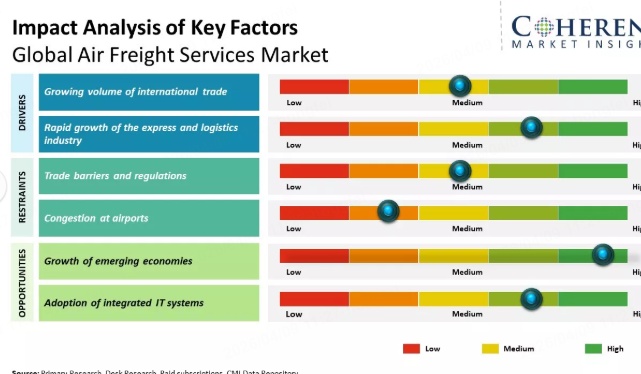
Air freight generally experiences fewer disruptions compared to sea freight. While ports are susceptible to congestion, strikes, and geopolitical delays, air transport offers a more predictable schedule, ensuring greater reliability in your supply chain [11].
3. Advanced Handling for High-Value Goods
For fragile, high-value, or time-sensitive products, air freight provides a higher level of security and specialized handling, including advanced temperature-controlled shipping solutions for electronics, pharmaceuticals, or perishables [1, 4].
Comparative Analysis: Air vs. Sea Freight
| Feature | Air Freight | Sea Freight |
|---|---|---|
| Transit Time | Very Fast (2–7 days) [8, 14] | Slow (3–6 weeks) [2, 14] |
| Cost | High (Premium) [4, 7] | Low (Economical) [3, 16] |
| Best For | High-value, Urgent, Small items [4, 7] | Bulk, Non-urgent, Large items [2, 3, 6] |
| Reliability | High (Predictable) [11] | Moderate (Port risks) [11] |
| Carbon Footprint | Higher [17] | Lower [2, 17] |
Expert Insight: Optimizing Your Logistics Strategy
As an industry expert, I recommend adopting a hybrid logistics model. Do not view these as mutually exclusive. Many successful B2B enterprises use:
- Air freight for new product launches, seasonal demand spikes, or to prevent critical stockouts.
- Sea freight for steady, baseline inventory replenishment that requires maximum cost optimization.
Platforms like LooperBuy enable this strategy by providing the flexibility to choose the right shipping method based on your specific inventory requirements, directly integrating global logistics to minimize friction.
Beyond the Basics: Emerging Trends in B2B Sourcing
To further optimize your sourcing strategy, consider these three emerging trends:
- Digital Freight Forwarding: Utilize modern platforms that offer instant, transparent quotes, allowing you to compare the real-time cost-benefit of air vs. sea for every unique shipment [17, 19].
- LCL Consolidation: For medium-sized shipments, Less-than-Container Load (LCL) services via sea can sometimes offer competitive transit times at a fraction of the cost of air freight, narrowing the gap [18].
- Data-Driven Replenishment: Use historical demand data to move non-perishable, predictable items via sea, while reserving air freight exclusively for high-margin, volatility-sensitive SKUs.
行动呼吁 (CTA)
Stop guessing your logistics costs. Whether you need the rapid delivery of air freight or the unbeatable value of sea shipping, LooperBuy connects you directly to the best Chinese suppliers with integrated, transparent global logistics solutions. [Visit LooperBuy today to request a quote and optimize your B2B sourcing strategy.]
References
- ECU360 – Air vs. Ocean Freight for China-U.S. Trade
- Cargonect – Shipping Cost Factors: Air Freight vs. Sea Freight from China
- LogisticsIT – Air vs. Sea Freight from China: Pros, Cons, and Cost Comparison
- Importano – AIR FREIGHT vs. SEA FREIGHT VS. EXPRESS COURIERS
- Fulfillmen – Air Freight vs Sea Freight | Best Option for eCommerce
- NextDue – Comparing Sea Freight vs Air Freight: Which is Better?
- Facebook – Which is better, air shipping or sea shipping for importation?
- TGL – The Role of Air Freight in Accelerating B2B Supply Chains
- OPCA – Sea Freight vs. Air Freight Comparison
- LinkedIn – Air Freight vs Sea Freight: Which is Best for Your Cargo?
- FedEx – Air Freight Vs Sea Freight: What’s Right For Your Business?
- BookAirFreight – 4 Factors to Consider when Choosing Between Air Freight vs Sea
- Global Trade Magazine – Advantages of Air Freight vs Ocean Freight
- Gabrian – Air Freight vs. Sea Freight: What is the Best Choice for Your Shipment?
- Al Barrak Group – Air vs Sea vs Land Freight for B2B Logistics in GCC
- Quora – What are the advantages and disadvantages of importing goods from China
- ExFreight – Is It Worth the Cost? A Cost-Benefit Analysis
- Freightos – Air Freight vs Sea Freight: Cost, Shipping, Carbon Footprint & More
- Easyship – Air Freight vs. Sea Freight: Which is Best for Your Business
Frequently Asked Questions (FAQ)
Q1: How do I decide when to use air freight?
A: Use air freight for high-value items, urgent replenishment, new product launches, or when stock levels are critically low [4, 7].
Q2: Is air freight always more expensive?
A: Generally, yes, air freight is significantly more expensive than sea freight [3, 4, 16]. However, by reducing inventory holding costs and accelerating revenue cycles, the total landed cost may be comparable for certain high-value goods [5].
Q3: Which method is more eco-friendly?
A: Sea freight is significantly more sustainable, with a much lower carbon footprint per ton-mile compared to air freight [2, 6, 17].
Q4: Can I use both air and sea for the same order?
A: Absolutely. A hybrid approach allows you to air-freight a small portion of urgent inventory to maintain availability while the bulk of the shipment travels via sea [17].
Q5: How does LooperBuy simplify this decision?
A: LooperBuy integrates global logistics, providing transparent access to shipping options for Chinese products, allowing you to easily compare and select the best method for each unique order.
Hot tags:
B2B sourcing platform, air freight vs sea freight, importing from China, global supply chain management, just-in-time inventory, wholesale product sourcing, cross-border logistics solutions, cost-effective shipping methods, direct-from-factory sourcing, B2B freight forwarding.
Brief Summary:
This expert-led article provides a strategic guide on the advantages of air freight compared to sea freight for B2B sourcing from China. It analyzes the critical trade-offs between cost and speed, emphasizes the benefits of air freight for inventory agility and reliability, and introduces a hybrid logistics approach. Designed for brands and wholesalers, it includes comparative data, expert tips on optimizing supply chains, and a clear call-to-action for LooperBuy users.