In the complex landscape of global logistics, understanding the precise definitions of shipping terms—known as Incoterms®—is the foundation of a successful supply chain emotrans-global pazago. For businesses sourcing from China, the distinction between EXW (Ex Works) and FOB (Free On Board) is not merely academic; it determines your operational costs, financial risk, and supply chain control emotrans-global kjingshipping.
As an expert in sourcing logistics, I have seen many companies struggle with unexpected fees and compliance delays because they did not fully grasp what these terms meant at the point of signing a contract. This comprehensive guide will clarify what is EXW, how it stacks up against FOB, common pitfalls to avoid, and how you can optimize your shipping strategy for maximum profitability.
Table of Contents
What is EXW (Ex Works)?
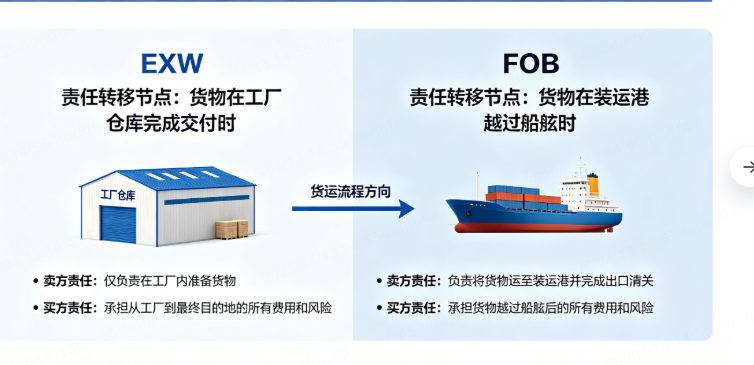
EXW (Ex Works) represents the most minimal obligation for a seller. Under an EXW agreement, the seller’s only responsibility is to make the goods available at their designated premises (e.g., factory or warehouse) varaallied.com emotrans-global.
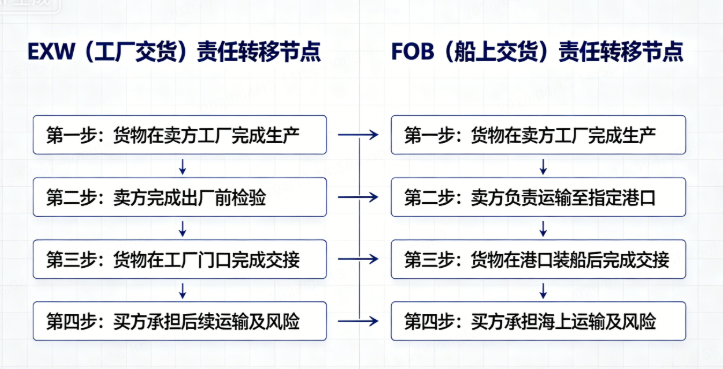
- Buyer’s Burden: The buyer assumes full responsibility from the moment the goods leave the seller’s door. This includes local inland transport in China, export customs clearance, international shipping, and import duties emotrans-global linkedin.
- Control vs. Risk: While EXW offers maximum control over the shipping process—allowing you to choose your own forwarder—it places the entire burden of export compliance and logistics management on you, the buyer emotrans-global docshipper.
- The “Liability Nightmare”: Many industry experts argue that EXW is often the “worst” term for importers because it forces you to manage export formalities in a foreign country, which can lead to severe compliance issues if you lack a local presence or expert support docshipper magneticprecision.
What is FOB (Free On Board)?
FOB (Free On Board) is arguably the most common and balanced Incoterm in trade with China. It creates a clearer, safer split of responsibility.
- Seller’s Responsibility: The seller is responsible for all costs and risks—including export customs clearance and inland transport—until the goods are physically loaded onto the vessel at the named port of shipment unicargo kjingshipping.
- Risk Transfer: Once the cargo is securely on board the ship, the risk and all subsequent costs, including international freight and insurance, transfer to the buyer emotrans-global unicargo.
Comparative Analysis: EXW vs FOB
To help you decide, let’s compare these two common terms across critical logistics factors.
| Feature | EXW (Ex Works) | FOB (Free On Board) |
|---|---|---|
| Seller’s Duty | Minimum (at factory) | Medium (up to port loading) varaallied.com |
| Buyer’s Effort | High (must manage all) | Moderate (manages from port) unicargo |
| Export Clearance | Buyer’s Responsibility | Seller’s Responsibility emotrans-global |
| Cost Transparency | High (you see all costs) | Lower (logistics often bundled) allisonshipping |
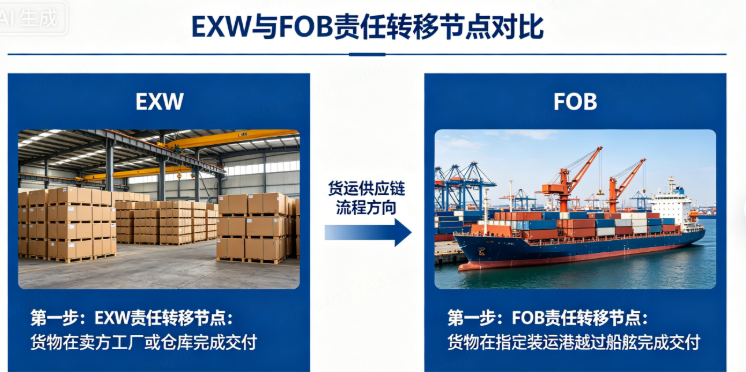
| Risk Transfer | At Seller’s Premises | Onboard the Vessel varaallied.com |
(Suggested Visual: Insert a diagram showing the “Transfer of Risk” point. EXW transfers at the factory door, while FOB transfers at the ship’s rail.)
Why Importers Often Choose the Wrong Term: Common Mistakes
Many small-to-medium businesses (SMBs) are tempted by EXW because the initial unit price from the supplier appears lower. However, this is a dangerous trap.
- Ignoring Hidden Logistics Costs: Importers often assume EXW is “cheapest” because of the low factory gate price, but they neglect the high cost of local China trucking, export documentation, and potential port fees allisonshipping linkedin.
- Using FOB for Containerized Goods: A frequent and costly error is using traditional “sea-only” rules like FOB for containerized cargo, instead of all-mode rules (like FCA). This can cause confusion regarding terminal handling charges maersk icontainers.
- Lack of Export Compliance Knowledge: Under EXW, if you are not prepared for China’s export filing requirements, your goods may be stuck at the port, leading to huge storage costs and damaged relationships tradetreasurypayments customsknowledge.
Strategic Negotiation Tips for Chinese Suppliers
Negotiating Incoterms is as critical as negotiating the unit price itself. Use these expert strategies:
- The “Dual Quote” Strategy: Always ask your supplier for both EXW and FOB pricing. This reveals the true cost they are charging for the inland logistics, allowing you to compare it against your own freight forwarder’s rates unicargo.
- Leverage Long-Term Relationships: Chinese suppliers value trust over quick profits eurasia-consultis. If you plan to scale, demonstrate your growth potential. A supplier is much more likely to offer better terms or handle extra logistics steps for a partner who communicates clearly and pays on time guidedimports.
- Get Everything in Writing: Never rely on verbal agreements. Document your agreed-upon Incoterm, final product specifications, and quality standards in your formal manufacturing contract harris-sliwoski nzte.govt.
Expert Insight: Which Should You Choose?
For most importers—especially those without a large, dedicated logistics team in China—FOB is the safer, more efficient choice. Because Chinese suppliers are seasoned in handling local exports, they can manage port-side logistics and customs clearance more efficiently than an overseas buyer.
Only choose EXW if you have:
- A highly reliable, local freight forwarder in China.
- The capability to handle complex export documentation.
- A specific need to consolidate multiple suppliers’ goods into one shipment (in which case, consider FCA instead).
Leveraging Modern Sourcing Platforms
In today’s fast-paced digital economy, you don’t need to navigate these complexities alone. Platforms like LooperBuy are designed to streamline the B2B sourcing process, offering global buyers direct access to Chinese manufacturers with transparent, efficient logistics solutions. By centralizing the sourcing experience, such platforms mitigate the risks of “hidden” logistics costs and help bridge the communication gap between global buyers and Chinese production houses pazago.
Conclusion
Choosing between EXW and FOB is not just a decision about shipping—it is a decision about risk management and operational efficiency. While EXW grants you total control, it brings administrative complexity and compliance risks. FOB offers a balanced, professional approach, allowing the supplier to handle the local, origin-side logistics where they possess the greatest expertise. Evaluate your logistics capabilities, demand transparency in your quotes, and leverage modern digital platforms to build a resilient, cost-effective supply chain.
FAQ (Frequently Asked Questions)
- Is EXW always more expensive?
Not necessarily, but the “hidden” costs of local transport and export documentation often make it costlier or riskier for inexperienced buyers who lack local support allisonshipping linkedin. - Does FOB include insurance?
No. FOB only covers the seller’s responsibility up to the point the goods are on board. The buyer is responsible for marine insurance during the main transit unicargo kjingshipping. - Why do suppliers often insist on EXW?
Suppliers prefer EXW because it shifts all export responsibility and risk of documentation errors onto you, freeing them from customs-related delays allisonshipping customsknowledge. - Can I change from EXW to FOB after production starts?
No. The Incoterm must be explicitly stated in the initial sales contract or Proforma Invoice. Changing it later creates massive confusion and potential legal disputes magneticprecision. - Which Incoterm is best for small LCL shipments?
For smaller shipments, FOB is generally preferred as it ensures the seller handles the local export formalities, which can be daunting for a buyer to manage remotely linkedin.
References
- [1] Ship4WD: EXW vs. FOB: Choosing the Right Incoterm
- [2] EmoTrans: Ex Works (EXW) Vs. Free On Board (FOB) Analysis
- [3] Pazago: Differences in EXW and FOB: A Simple Guide
- [4] Unicargo: Understanding FOB vs. EXW
- [6] Pazago: Benefits of using a logistics platform
- [7] Eurasia Consultis: Mastering Negotiation in China
- [8] ICE Transport: Choosing Between FOB vs. Ex Works
- [10] Trade Treasury Payments: Common Incoterms Pitfalls
- [11] Customs Knowledge: Incoterms & Customs Mistakes
- [12] NDD XTRA: Common Importer Mistakes
- [14] Harris Sliwoski: Negotiating with Chinese Manufacturers
- [16] Tradlinx: Most Frequent Incoterms Errors
Article Summary:
This comprehensive, expert-authored guide demystifies the crucial differences between EXW (Ex Works) and FOB (Free On Board) Incoterms for international B2B buyers sourcing from China. It provides deep insights into risk allocation, hidden cost structures, and negotiation strategies. By identifying common pitfalls and offering actionable advice, this article empowers brand owners, wholesalers, and manufacturers to optimize their logistics, ensure compliance, and build stronger, more profitable relationships with their Chinese suppliers.
Hot tags: #B2BSourcing #SupplyChainManagement #IncotermsExplained #GlobalLogistics #ChinaExport #ImportStrategy #BusinessEfficiency #LooperBuy #SourcingTips #TradeCompliance