For businesses navigating international trade, precision in documentation is not just a matter of compliance—it is a cornerstone of operational profitability. Whether you are a brand owner sourcing directly from China or a wholesaler managing bulk inventory, understanding the difference between net weight vs gross weight is critical to avoiding costly shipping errors, customs delays, and inventory inaccuracies allwayforward airpals.
While these terms are often used interchangeably in casual conversation, they hold distinct, legally binding meanings in the global logistics landscape. Misinterpreting them can lead to significant financial leakage, particularly when shipping bulk goods across borders phasev closo.
Table of Contents
1. Defining the Core Concepts
To master your supply chain, you must first distinguish between the three primary weight measurements used in international shipping.
What Is Net Weight?
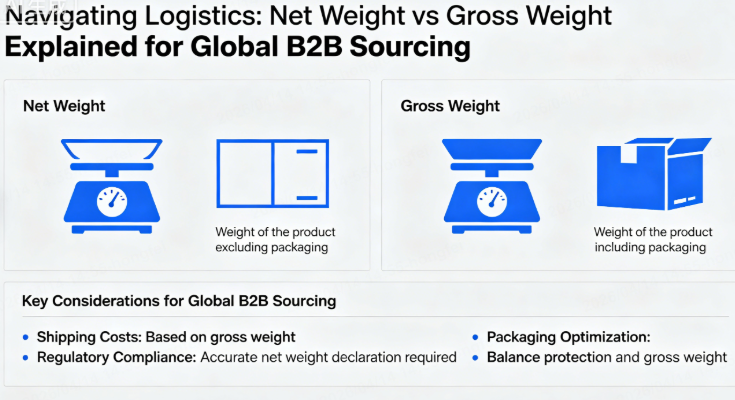
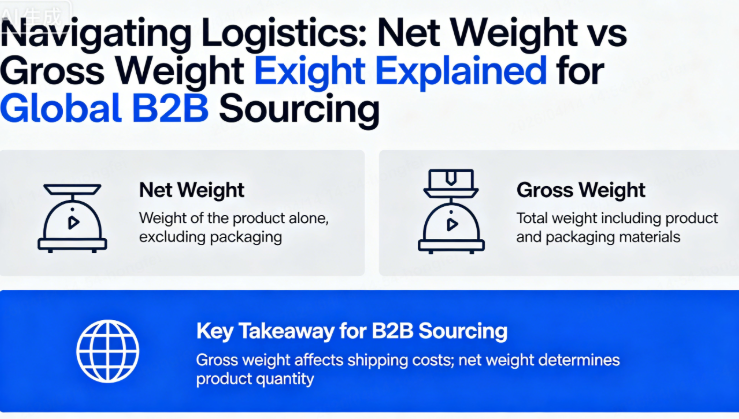
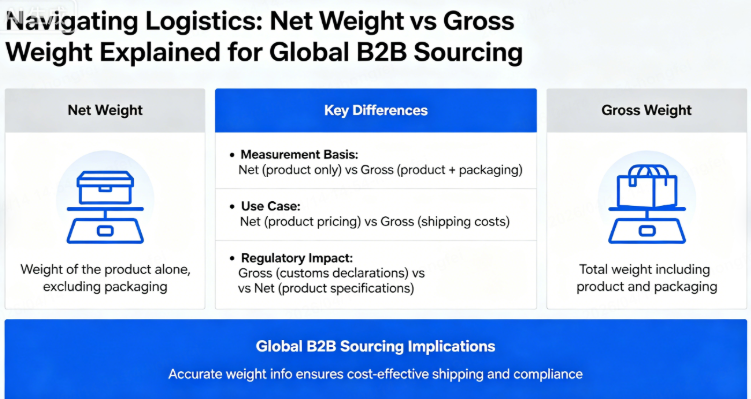
Net weight represents the precise weight of the product itself, excluding all forms of packaging, wrapping, containers, or shipping pallets maersk sendfromchina. It is the weight that the end consumer interacts with and is often the standard for product valuation and pricing in manufacturing contracts allwayforward goodseva.
What Is Gross Weight?
Gross weight is the cumulative weight of the entire shipment as it is presented for transit in-freight. It is calculated as:
Gross Weight = Net Weight + Tare Weight
In this formula, tare weight refers to the weight of all protective materials—boxes, inner fillers, pallets, shipping crates, and container components inboundlogistics midstatecontainers.
| Measurement | Includes | Primary Use |
|---|---|---|
| Net Weight | Product Only | Pricing, Labeling, Inventory allwayforward |
| Tare Weight | Packaging, Pallets, Crates | Calculating Gross Weight midstatecontainers |
| Gross Weight | Net + Tare Weight | Shipping Costs, Customs, Safety allwayforward |
2. Why the Distinction Matters in B2B Sourcing
As a B2B platform facilitating direct sourcing from China, we at LooperBuy emphasize that weight discrepancies are one of the most common reasons for unexpected surcharges allwayforward.
- Shipping Cost Calculations: Carriers almost exclusively bill based on gross weight (or volumetric weight). If your internal records only reflect net weight, your shipping estimates will be consistently underestimated, leading to budget shortfalls closo.
- Customs and Regulatory Compliance: Customs agencies require accurate gross weight for verifying shipments. Furthermore, some import duties are calculated based on the gross weight of the total package, meaning inefficient packaging directly increases your tax burden airpals in-freight.
- Safety and Load Limits: In ocean and air freight, overestimating a container’s weight capacity based on net weight alone can result in severe fines or cargo being refused at the port inboundlogistics searates.
3. Industry Expert Insights & Strategic Best Practices
To optimize your operations, consider these expert strategies that go beyond simple definitions.
The “Weight Tax” Trap
Many companies, during high-volume sales seasons (like BFCM), find their shipping margins eroded by “weight discrepancies” closo. This occurs when the actual gross weight, including heavy retail-ready packaging and reinforced pallets, far exceeds the estimates derived from the net weight of the raw products. Pro tip: Always conduct a test weigh of a fully packaged, palletized unit before finalizing your shipping contracts closo.
Precision in Documentation
Never leave the weight section blank or estimated on a Bill of Lading (BOL). Discrepancies between the declared weight and the carrier’s scale reading can trigger mandatory inspections, which not only cost extra money but can delay your inventory replenishment by weeks allwayforward searates.
Optimizing for Low-Cost Logistics
As a global platform, LooperBuy helps brands source directly from Chinese manufacturers who offer diverse packaging options. To minimize costs, work with suppliers to optimize the weight of your tare materials. Using lighter, high-durability shipping materials can significantly reduce your total gross weight—and consequently, your shipping fees—without compromising product safety shipbob.
4. Implementation Checklist
Follow these steps to ensure accuracy in your B2B sourcing:
- Standardize Data: Ensure all product data sheets explicitly state both net weight per unit and the anticipated gross weight of a full shipping carton.
- Verify Tare: Regularly audit the weight of your empty shipping cartons and pallets.
- Use Reliable Platforms: Utilize B2B sourcing platforms like LooperBuy that provide transparent shipping calculations based on real-world weight data.
- Regular Audits: Periodically weigh random samples of your incoming shipments to ensure that the actual gross weight aligns with your documentation.
Visual suggestion: I recommend inserting a comparison infographic here that illustrates a standard product package (e.g., a bottled item) sitting on a scale, showing the weight breakdown of the bottle (Net) versus the box, fillers, and labels (Tare).
Conclusion
Understanding net weight vs gross weight is essential for maintaining a lean and compliant supply chain. While net weight tracks the value and quantity of your inventory, gross weight controls the cost and safety of your logistics journey. By mastering these measurements, you protect your margins and ensure smoother international trade.
Ready to streamline your global sourcing? Visit LooperBuy today to access a platform built to help you source efficiently, manage logistics clearly, and scale your brand with confidence.
References
- ShipBob: Net Weight vs. Gross Weight Guide shipbob
- Allwayforward: The Real Difference in Shipping allwayforward
- PhaseV: The Hidden Secret in Shipping phasev
- Airpals: The Complete Shipping Guide airpals
- Inbound Logistics: Differences and Calculations inboundlogistics
Frequently Asked Questions (FAQ)
1. Which weight should I use to calculate my shipping costs?
You should always use the gross weight. Carriers base their shipping fees on the total weight of the package, which includes the product, packaging, and pallets allwayforward packsend.com.
2. Can net weight affect customs duties?
Yes. While net weight is used for product classification, some countries base import duties on the gross weight of the shipment. High tare weight can lead to unnecessary costs airpals in-freight.
3. What is tare weight?
Tare weight is the weight of the packaging materials, such as boxes, crates, fillers, and pallets, that accompany the product during shipping inboundlogistics midstatecontainers.
4. Why is my actual shipping weight higher than my net weight calculation?
This is likely due to the “Weight Tax.” Your net weight calculation likely ignored the weight of the secondary packaging, pallets, and protective fillers that are included in the gross weight closo.
5. How can I reduce my gross weight?
Collaborate with your supplier to optimize packaging. Use lightweight, durable materials to protect the product while reducing the total mass of the shipping unit shipbob searates.
Article Summary:
This comprehensive guide provides an expert-level analysis of net weight vs gross weight, critical for global B2B sourcing. It clarifies the definitions, formulas, and real-world logistics impacts, offering actionable advice for brands to minimize shipping costs and avoid customs issues. Perfect for wholesalers and brand owners using platforms like LooperBuy to optimize their supply chain efficiency and profitability.
Hot tags: B2B sourcing, global supply chain, international logistics, weight calculation, shipping costs, import customs, wholesale manufacturing, supply chain optimization, freight management, bulk cargo shipping.