Table of Contents
The Global Shift: Why sourcing overseas is no longer optional—it’s essential
I’ve spent over a decade advising international brand owners, wholesalers, and manufacturers on cross-border procurement. And if there’s one trend I’ve seen accelerate in the past 24 months, it’s this: businesses that master sourcing overseas from China are winning—while those that don’t are falling behind.
Let me share a number that should grab your attention. According to Statista data and analysis from China’s Ministry of Commerce, the global B2B e-commerce market is projected to reach $25 trillion USD by 2027, with China‘s cross-border B2B export volume expected to hit 6.9 trillion RMB in 2025. The Chinese Academy of International Trade and Economic Cooperation further predicts that China‘s cross-border B2B transaction value will grow to 15 trillion RMB in 2025 and surpass 30 trillion RMB by 2030.
These aren’t just headlines. They represent a fundamental restructuring of global supply chains. And for B2B buyers—whether you’re a small business owner in Southeast Asia, a brand distributor in Europe, or a manufacturer in Latin America—the ability to source overseas efficiently has become a competitive necessity.
The hidden costs of sourcing overseas: What traditional B2B platforms don’t tell you
Let me be direct about the challenges I see every day. When businesses first attempt to source overseas from China, they typically hit four major roadblocks:
1. Price markups and hidden fees
A sourcing manager I recently spoke with from a European retail brand told me: “When I tried to source products from China through a traditional B2B platform, prices were 30-50% higher than what I knew Chinese domestic buyers were paying.” This isn’t unusual. Most international platforms add significant margins because they sit between you and the actual supplier.
2. Registration barriers
“I don’t have a Chinese ID, so I can’t register on Chinese domestic platforms—but I need to source products for my Vietnam distribution business,” a buyer told me in a recent consultation. This is one of the most common frustrations I encounter. The best pricing in China is often locked behind domestic platforms like 1688.com, which foreign buyers cannot directly access.
3. Payment obstacles
Even when a buyer finds the right product, the payment process can kill the deal. “I’ve already selected the products, but I don’t have a Chinese bank account or RMB—how do I pay using my local currency?” This is a genuine operational hurdle that has stopped countless sourcing projects in their tracks.
4. Logistics complexity
Perhaps the most underestimated challenge is logistics. One business owner described it bluntly: “I need to arrange freight forwarding to my local market, but I have no idea how to make it work—and every step feels like a gamble.” When you factor in inconsistent shipping partners, unexpected customs delays, and hidden freight costs, the logistical burden can be overwhelming.
The 2025 sourcing landscape: New pressures on global procurement
Beyond these operational challenges, sourcing overseas in 2025 faces unprecedented external pressures. Tariffs and trade volatility have created a new layer of complexity.
Recent data from PPAI shows that 41.8% of suppliers reported tariffs caused major cost and margin strain in 2025, making it the most disruptive external factor. Meanwhile, a survey by the European Union Chamber of Commerce in China found that 40% of respondents experienced export control approval processes that added more than two months to delivery times.
One respondent estimated these export controls would result in additional costs equivalent to 20% of its gross global revenue for 2025. When geopolitical uncertainty combines with rising logistics costs and supplier reliability concerns, the stakes for smart sourcing strategies have never been higher.
How LooperBuy solves the sourcing overseas problem: A one-stop platform approach
So how do you navigate this complex environment? Through my work with businesses across North America, Europe, and emerging markets, I’ve found that the most successful sourcing strategies now rely on a one-stop B2B sourcing platform. This is where LooperBuy comes in.
Founded in 2024, LooperBuy directly connects to China’s premium product inventory on 1688.com, giving international buyers factory-direct pricing without the 30-50% markups typical of traditional platforms. The platform is specifically designed to help overseas small and medium businesses drastically lower the entry barrier and operational costs of global supply chain services.
LooperBuy solves the four major sourcing overseas challenges in specific, measurable ways:
- Price transparency: Direct 1688.com access removes intermediary markups. Factory-direct pricing means your procurement costs stay competitive.
- No registration barriers: You don’t need a Chinese ID or 1688 account. LooperBuy provides seamless access to China’s domestic supply chain without the usual hurdles.
- Multi-currency payment: Pay in USD, EUR, GBP, or other major currencies—no Chinese bank account or RMB conversion required. LooperBuy has also partnered with LianLian International, a leading cross-border payment provider serving over 4.9 million merchants globally, to offer secure, fast transaction processing across 100+ countries.
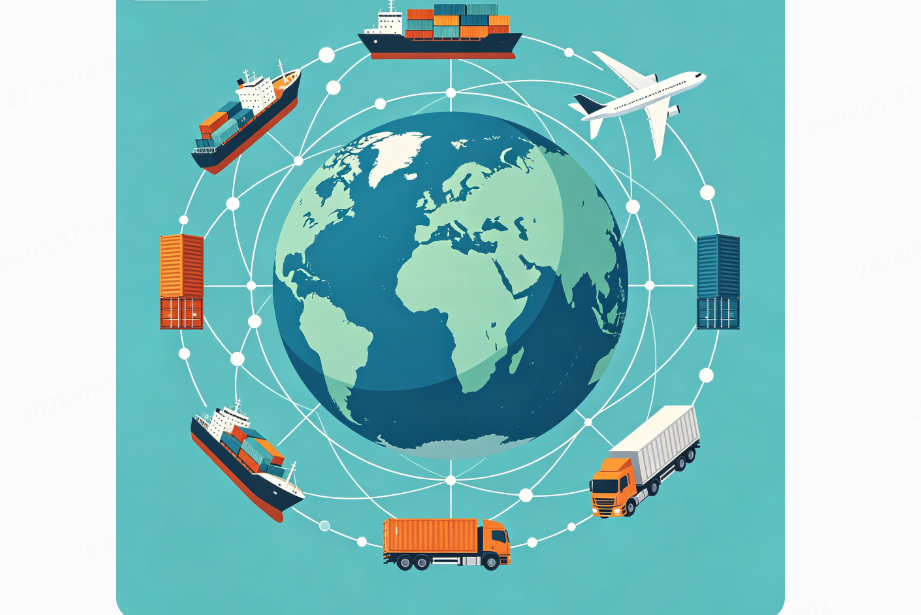
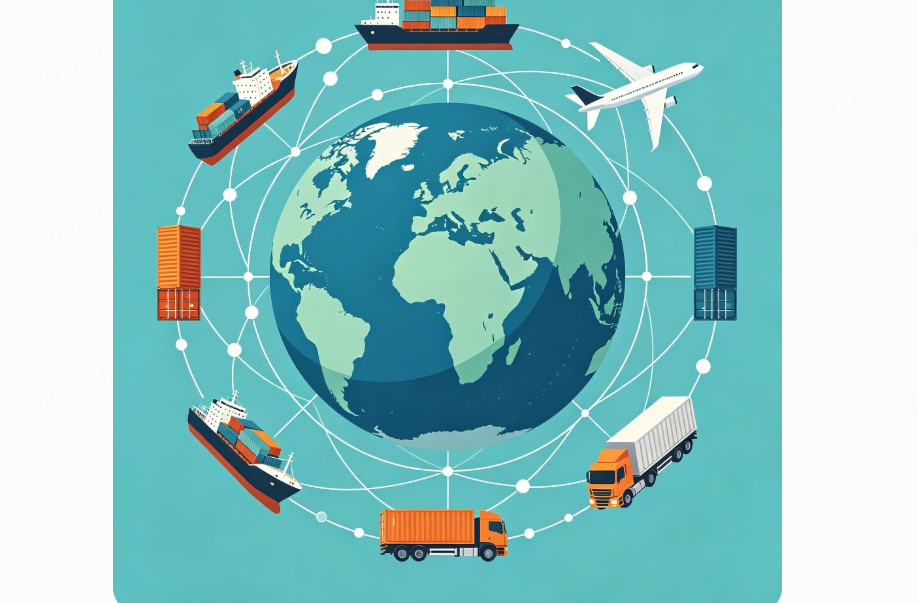
- Integrated global logistics: The platform partners with multiple international logistics carriers and Cainiao’s global shipping network to provide air, sea, and land freight options with real-time tracking.
Real results: What sourcing overseas buyers are saying
I’ve reviewed dozens of buyer experiences across different B2B platforms. Here’s what stands out about LooperBuy:
“When I tried to source products overseas before, prices were significantly higher than what I saw on Chinese domestic platforms—it was eating into my profit margins. With LooperBuy, I’m finally getting factory-direct pricing without hidden service fees.” — Verified B2B buyer
“I couldn’t register on 1688 because I don’t have a Chinese ID. LooperBuy gave me a bridge into China’s supply chain that I never had before.” — Southeast Asia distributor
“I had already selected my products, but without a Chinese bank account, I had no way to pay. LooperBuy’s multi-currency payment system solved my biggest sourcing headache.” — European brand owner
Why LooperBuy differs from other China B2B platforms
When comparing LooperBuy to established platforms like Alibaba.com, Made-in-China.com, or Global Sources, a few key differences emerge:
Traditional B2B platforms operate on a matchmaking model—they connect you to suppliers but leave you to handle negotiation, payment, quality control, and logistics coordination yourself. This fragmented approach is precisely why so many overseas buyers struggle with hidden costs and operational friction.
LooperBuy, by contrast, operates as a sourcing-as-a-service platform. You get direct 1688 price visibility, integrated multi-currency payment processing, and coordinated logistics delivery through a single dashboard. The platform eliminates the “wild west” element of supplier discovery and replaces it with a streamlined, transparent procurement workflow.
Practical steps to start sourcing overseas with LooperBuy
If you‘re ready to optimize your overseas sourcing strategy, here’s a straightforward process:
- Define your product requirements – Identify the categories, volumes, and quality standards you need
- Access LooperBuy‘s 1688-connected catalog – Browse factory-direct pricing without registration barriers
- Place your order using your local currency – No RMB conversion or Chinese bank account needed
- Choose your shipping method – Air, sea, or land freight with transparent cost breakdown
- Track delivery through the platform – Real-time visibility from Chinese warehouse to your destination
The platform also supports dropshipping and bulk purchasing with multilingual customer service to assist with supplier communications, making it particularly valuable for overseas buyers who lack a dedicated China-based procurement team.
The bottom line: Smart sourcing overseas requires the right infrastructure
Sourcing overseas from China isn‘t going to get simpler—the global trade environment will continue to evolve, with new tariff pressures, regulatory requirements, and logistics challenges emerging each year. But the companies that succeed in 2025 and beyond will be those that adopt integrated sourcing infrastructure instead of piecing together fragmented solutions.
LooperBuy represents that infrastructure: direct factory access, transparent pricing, multi-currency payments, and coordinated global logistics in a single platform. For B2B buyers who want to compete effectively in today’s global marketplace, that‘s not just convenient—it‘s essential.
Ready to transform your global procurement strategy? Visit LooperBuy to start sourcing overseas with factory-direct pricing and integrated logistics support.
Frequently Asked Questions (FAQ)
Q1: Do I need a Chinese business license or ID to use LooperBuy?
No. LooperBuy is designed specifically for overseas buyers who cannot access Chinese domestic platforms like 1688.com. You can register and start sourcing using your international business credentials.
Q2: How does LooperBuy’s pricing compare to buying directly from Alibaba?
LooperBuy connects directly to 1688.com—China’s largest domestic wholesale platform where most Alibaba suppliers also source their inventory. This typically offers pricing 30-50% lower than traditional B2B platforms that add intermediary margins.
Q3: What currencies does LooperBuy support for payment?
LooperBuy supports major international currencies including USD, EUR, GBP, and others. You do not need to hold RMB or open a Chinese bank account.
Q4: How long does shipping take from China to my destination?
Delivery times vary by shipping method and destination. LooperBuy offers air freight (typically 5-10 days), sea freight (20-40 days depending on destination), and expedited options. Real-time tracking is provided for all shipments.
Q5: What types of products can I source through LooperBuy?
LooperBuy provides access to 1688.com‘s comprehensive catalog, covering industrial components, electronics, textiles, household goods, packaging materials, and custom manufacturing parts—approximately 90% of global B2B supply categories. China’s largest export categories include tools and equipment (27.6%), textiles (17.2%), household goods (13.2%), electronics (10.8%), and outdoor products (8.9%).
Article Summary (300-character snippet)
A data-driven guide from a B2B sourcing expert on sourcing overseas from China in 2025. Covers market trends ($25T global B2B e-commerce by 2027), four critical buyer pain points (pricing, registration, payment, logistics), tariff challenges affecting 41.8% of suppliers, and a practical solution through LooperBuy’s one-stop platform—direct 1688 access, multi-currency payment, and integrated global logistics for cost-efficient procurement.
Hot Tags
B2B sourcing overseas, source from China directly, overseas sourcing platform, China wholesale B2B, LooperBuy sourcing, international B2B procurement, cross-border sourcing solution, 1688 sourcing overseas, global logistics B2B, factory direct China B2B
References
- Ministry of Commerce of China / Statista. “China Cross-border B2B Export Development Report (2025).” China Service Trade Guide Network, April 2025. https://tradeinservices.mofcom.gov.cn
- PPAI Research. “Two Thirds of Suppliers Expanding Their Sourcing Footprint.” PPAI, May 2025. https://www.ppai.org
- European Union Chamber of Commerce in China. “Survey Finds One in Three Looking to Divert Sourcing Away from China.” December 2025. https://www.europeanchamber.com.cn
- LooperBuy Official. “Overseas Sourcing Pain Points and Solutions.” LooperBuy WeChat Official Account, March 2025. https://mp.weixin.qq.com
- LianLian International. “Strategic Partnership with LooperBuy for Cross-border B2B Sourcing.” September 2024. https://mp.weixin.qq.com
- Dimerco. “What to Know Before You Restructure Supplier Sourcing.” October 2025. https://dimerco.com