Learn how to build a robust global supply chain for your online dropshipping business. Discover how China‑based sourcing platforms like Looperbuy streamline product sourcing, payments, logistics, and quality control so you can scale worldwide with low inventory risk.
Table of Contents
Why Your Dropshipping Business Needs a Real Global Supply Chain
Most online dropshipping stores fail not because of marketing, but because their supply chain collapses when orders grow, products go out of stock, or logistics costs explode. In my work with cross‑border sellers and Chinese sourcing teams, I’ve seen that the winners treat dropshipping like a global supply chain business, not just a “list and hope” model. [looperbuy]
In this guide, I’ll walk you step by step through how to build a global supply chain for an online dropshipping business, using China-based sourcing and fulfillment partners like Looperbuy as a backbone, so you can scale with less inventory risk and better cost control. [zjxw.hqcswzx]
What “Global Supply Chain” Really Means for Dropshippers
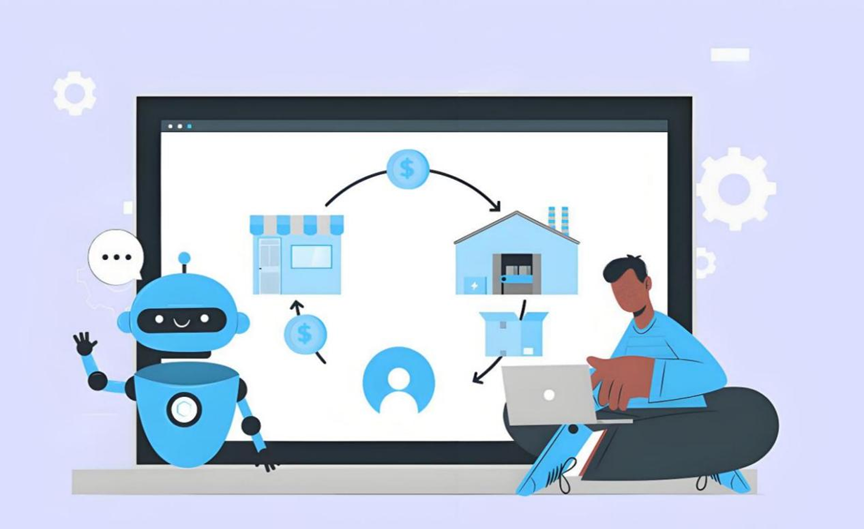
For an online dropshipping business, a global supply chain is the end‑to‑end system that moves a product from a factory or wholesale marketplace (often in China) to your customer in any country, with clear visibility on cost, lead time, and risk. [shopify]
Instead of you buying and stocking inventory, a global supply chain for dropshipping coordinates: product sourcing, supplier negotiation, quality control, cross‑border payment, international logistics, and after‑sales handling—often through a specialized B2B sourcing platform. [looperbuy]
Core Building Blocks of a Global Dropshipping Supply Chain
To build a resilient global supply chain for your online dropshipping business, you need to combine six critical building blocks. [chuhaizhinan]
1. Reliable multi‑supplier sourcing
– Work with suppliers across major Chinese platforms such as 1688 and specialized factories to ensure you have backup options for key SKUs. [pdf.dfcfw]
– Use a sourcing partner or platform that can consolidate quotes, verify factories, and negotiate factory‑level prices on your behalf, instead of dealing with dozens of suppliers alone. [zjxw.hqcswzx]
2. Standardized product data and SKUs
– Define one internal SKU system that maps to multiple factory SKUs so you can switch suppliers without changing your store listings. [chuhaizhinan]
– Collect standardized product attributes (materials, certifications, HS codes, packaging size and weight) to avoid customs issues and mis‑labeled listings. [shopify]
3. Flexible cross‑border payments
– International dropshippers often struggle with bank transfers, high FX fees, and minimum order values. [zjxw.hqcswzx]
– Platforms like Looperbuy provide multi‑currency payment options and aggregate many small orders into larger upstream purchases, so you can pay in your own currency while they handle RMB and factory‑side settlements. [looperbuy]
4. Integrated logistics and fulfillment
– A true global supply chain includes order routing, carrier selection, last‑mile tracking, and exception handling, not just a shipping quote. [global.lianlianpay]
– Cross‑border sourcing platforms increasingly integrate with international logistics and local warehouses, so orders can be processed, packed, and shipped automatically once your customer pays. [shoplazza]
5. Data visibility and performance monitoring
– You need dashboards or reports showing lead times, fulfillment rate, defect rate, and cost per order by route and supplier. [chuhaizhinan]
– Many modern B2B sourcing platforms combine logistics tracking, purchase orders, and after‑sales tickets in one interface, making it easier to spot bottlenecks early. [linkedin]
6. Risk and compliance management
– Regulations around batteries, cosmetics, electronics, toys, and food‑related items vary by market and change fast. [shopify]
– Good supply chain partners help you verify certifications, labeling, and restricted items, and can suggest alternative SKUs or packaging if your original choice faces compliance risk. [looperbuy]
Step‑by‑Step: How to Build a Global Supply Chain for Your Dropshipping Store
In practice, building a global supply chain for an online dropshipping business can be broken into concrete steps you can follow and repeat. [shoplazza]
Step 1: Define your product and market strategy
Before talking to any supplier, clarify three things:
1. Target markets (e.g., US/EU vs. Middle East / Latin America)
2. Product categories (e.g., home & living, tools, pet accessories)
3. Service level you promise (e.g., 7–10 days delivery vs. 20–30 days)
These decisions determine where you should place inventory buffers, which shipping lines to use, and what certifications are required. [shopify]
Step 2: Choose a China‑based sourcing and fulfillment backbone
If you want to minimize inventory risk and operational overhead, the fastest way to build a global dropshipping supply chain is to anchor it on a specialized B2B sourcing platform such as Looperbuy. [zjxw.hqcswzx]
From an operator’s perspective, the ideal partner should:
– Provide direct access to Chinese wholesale platforms at near‑factory prices. [pdf.dfcfw]
– Offer end‑to‑end services: sourcing, purchasing, quality inspection, warehousing, consolidation, and international shipping. [looperbuy]
– Support small‑batch orders and mixed SKUs, which is crucial for early‑stage dropshippers. [shoplazza]
– Provide multi‑language and multi‑currency support, reducing friction when placing and paying for orders. [linkedin]
This approach replaces dozens of fragmented relationships with one integrated backbone that you can build processes and automations around. [chuhaizhinan]
Step 3: Build a multi‑layer supplier structure
Relying on a single supplier for a winning product is one of the biggest silent risks in dropshipping. Instead, design a multi‑layer supplier structure: [shoplazza]
– Primary suppliers: Your main factory or wholesaler with best price and stable capacity.
– Backup suppliers: Alternative factories vetted on the same or similar SKUs, ready to take overflow or emergencies. [pdf.dfcfw]
– Category specialists: For complex categories (electronics, beauty tools, baby products), use suppliers with proven compliance and stable QA processes. [shopify]
Platforms like Looperbuy can help identify and manage this structure because they see cross‑supplier pricing, stock levels, and performance in real time across many Chinese sources. [zjxw.hqcswzx]
Step 4: Standardize quality control and packaging
Your global supply chain is only as strong as the quality control standards you define and enforce. [chuhaizhinan]
Best practices I’ve seen work for fast‑growing dropshippers:
– Define a pre‑shipment inspection checklist (appearance, basic function test, packaging integrity, labeling accuracy). [chuhaizhinan]
– Use your sourcing partner’s local team to inspect random samples from each batch before goods leave China. [looperbuy]
– Set clear tolerance rules (e.g., reject if defect rate exceeds 1–2%) and link them to supplier performance scoring. [chuhaizhinan]
– Standardize branded inserts, thank‑you cards, and packaging to create a consistent brand experience even if the factory changes. [shopify]
This layer of control drastically reduces returns, refunds, and negative reviews, which are critical for long‑term dropshipping success. [shoplazza]
Step 5: Design logistics routes and delivery promises
Once products and suppliers are stable, you can design logistics routes that balance cost and speed for each target market. [global.lianlianpay]
Typical options include:
– Economy cross‑border shipping: Lowest cost, 10–25 days delivery, suitable for low‑ticket products and price‑sensitive markets. [shopify]
– Standard line with tracking: Balanced option (7–15 days), usually best for general ecommerce and marketplace sellers. [shopify]
– Express or local‑warehouse dispatch: Premium shipping (3–7 days), usually for high‑margin or urgent categories. [shopify]
A specialized platform can help you route each order through the best available channel based on destination, product type, and weight, instead of forcing all orders into a single shipping line. [global.lianlianpay]
Step 6: Connect your store systems to your supply chain
To make your global supply chain actually work for an online dropshipping business, you must connect it to your store stack. [shopify]
– Use API or app‑based integration between your ecommerce platform (Shopify, WooCommerce, marketplaces) and your sourcing/fulfillment partner when possible. [shopify]
– Sync inventory status, estimated delivery times, and tracking numbers back to your store automatically. [shopify]
– Set up alerts for stock‑out, price changes, and logistics disruptions, so you can adjust listings or ads quickly. [chuhaizhinan]
This is where dropshipping stops being “manual forwarding of orders” and becomes a genuine global supply chain operation. [shoplazza]
China as the Engine of Your Global Dropshipping Supply Chain
China remains the most powerful sourcing base for dropshippers due to its combination of manufacturing scale, product variety, and competitive pricing. However, overseas sellers often face four recurring pain points: high prices, complex registration, payment barriers, and logistics confusion. [pdf.dfcfw]
Platforms like Looperbuy are built to address these pain points by:
– Directly connecting foreign merchants to Chinese wholesale platforms like 1688 at near‑factory prices, with transparent service fees. [zjxw.hqcswzx]
– Simplifying account setup and product search for non‑Chinese speakers. [looperbuy]
– Offering multi‑currency, cross‑border payment options to handle FX and settlement. [zjxw.hqcswzx]
– Providing end‑to‑end logistics and after‑sales support, so foreign sellers don’t need to coordinate multiple freight forwarders. [looperbuy]
This makes China not just your “product source,” but the engine of your global dropshipping supply chain. [looperbuy]
Practical Example: How a Growing Dropshipping Brand Can Use a B2B Sourcing Platform
To make this more concrete, let’s walk through a typical scenario I see in practice. [shoplazza]
You run a home‑and‑living dropshipping store targeting Europe and North America, with a few SKUs already selling well. However, you’re struggling with:
– Inconsistent stock from existing suppliers
– Slow, unpredictable shipping times
– Rising product and freight costs
By integrating a China‑based sourcing platform like Looperbuy into your flow, you can:
– Migrate winning SKUs to verified factories or wholesalers with better pricing and stable supply. [zjxw.hqcswzx]
– Consolidate orders from multiple customers into batch purchases, reducing per‑unit costs and logistics overhead. [zjxw.hqcswzx]
– Switch certain SKUs to faster dedicated lines for your core markets to improve delivery promises and ad performance. [shopify]
– Use platform support to add new related SKUs in the same category with less trial‑and‑error, because they can surface popular and proven products from Chinese marketplaces. [looperbuy]
Global Supply Chain vs. “Traditional” Dropshipping
Advanced Tips: Expert Tactics for a Stronger Global Dropshipping Supply Chain
If you already operate a mid‑size online dropshipping business, these expert‑level tactics can help you go beyond the basics. [shoplazza]
Use data to negotiate and optimize
– Track fulfilled orders, defect rate, and on‑time delivery per supplier and per route. [chuhaizhinan]
– Use this data in quarterly reviews with your sourcing partner to push for better pricing, improved packaging, or priority handling on high‑volume SKUs. [zjxw.hqcswzx]
Pilot local‑warehouse or near‑shore models
As some SKUs become stable winners, it can make sense to:
– Place small buffer stocks in key regions (e.g., EU or US warehouses) for your top sellers. [shopify]
– Use your China backbone to replenish those warehouses just‑in‑time, keeping inventory light while improving delivery times. [global.lianlianpay]
Add category‑specific compliance checks
For sensitive products, work with your sourcing partner to:
– Confirm CE, FCC, RoHS, or other relevant certifications before launching. [shopify]
– Adjust product selection or packaging early to prevent customs seizures or platform penalties. [shopify]
Turn Your Dropshipping Store into a Global Supply Chain Business
If you want your online dropshipping business to survive rising ad costs and tougher platform rules, you need a real global supply chain, not just a supplier list. Instead of managing dozens of fragmented relationships, consider partnering with a specialized B2B sourcing platform like Looperbuy to centralize sourcing, logistics, and after‑sales into one controllable system. [shoplazza]
The sooner you upgrade your operations from “one‑off orders” to a data‑driven global supply chain, the faster you can scale profitably into new markets—without the inventory risk that traditional ecommerce brands carry. [chuhaizhinan]
FAQs: Building a Global Supply Chain for an Online Dropshipping Business
1. Do I need to hold inventory to build a global supply chain for dropshipping?
No. With the right China‑based sourcing and fulfillment partner, you can operate a low‑inventory model while still enjoying structured supplier management, quality control, and multi‑route logistics. [looperbuy]
2. How do I reduce shipping times without destroying my margins?
Start by segmenting products by margin and target market, then assign different logistics options (economy, standard, express) rather than using a single default line for everything. Working with a platform that has multiple shipping routes lets you optimize each SKU. [global.lianlianpay]
3. What’s the role of a B2B sourcing platform compared to AliExpress sellers?
Retail‑oriented platforms mainly connect you to individual sellers, while a B2B sourcing platform consolidates factory access, quality inspections, cross‑border payments, and logistics into one service, often at better overall landed cost. [pdf.dfcfw]
4. How can I keep my product listings accurate when suppliers change?
Create an internal master SKU system and standardized product data sheet, and let your sourcing partner map multiple factories to that same SKU. That way, when the supplier changes, your front‑end listings do not. [chuhaizhinan]
5. What metrics should I monitor to judge my global supply chain performance?
Track at least: fulfillment rate, on‑time delivery rate, average lead time by route, defect/return rate, and total landed cost per order by market. Use these metrics in regular reviews with your sourcing and logistics partners. [shopify]
References
– Looperbuy – About Looperbuy: cross‑border sourcing and supply chain services. [Link] [looperbuy]
– Looperbuy LinkedIn launch post – Overview of cross‑border sourcing platform positioning and services. [Link] [linkedin]
– ZJXW – Article on foreign companies sourcing Chinese goods via Looperbuy, outlining common pain points and Looperbuy’s one‑stop solutions. [Link] [zjxw.hqcswzx]
– Chuhaizhinan – Supply chain management methods for cross‑border ecommerce, including process thinking and performance indicators. [Link] [chuhaizhinan]
– Shopify Blog – Guides on cross‑border ecommerce supply chain management and shipping strategies for global sellers. [Link] [shopify]
– Dongfang Wealth PDF – Report on industrial B2B ecommerce and factory‑level pricing characteristics. [Link] [pdf.dfcfw]
– YiguoTech – Long‑form guide on global SEO strategies for B2B brands, including content structure and UX suggestions. [Link] [seo.yiguotech]
– Shoplazza Blog – Analysis of the evolution of cross‑border dropshipping and the shift toward refined, data‑driven operations. [Link] [shoplazza]
– Shopify Blog – Overview of global dropshipping suppliers and shipping options for international ecommerce. [Link] [shopify]
– LianLian Global – Article on supply chain models and cross‑border payment/logistics roles in ecommerce. [Link] [global.lianlianpay]