Discover how to build a profitable multi-currency e-commerce store with centralized global sourcing, China-based suppliers, and integrated warehousing. Learn how Looperbuy helps you reduce inventory risk, optimize FX, and scale worldwide with consistent buyer experience.
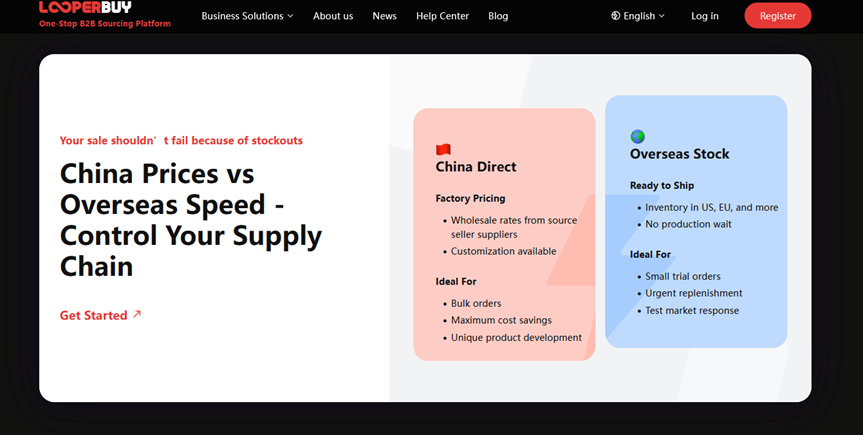
Table of Contents
Why Multi-Currency Sourcing Now Matters More Than Ever
Running a multi-currency e-commerce store today is no longer just about displaying prices in USD, EUR, or GBP—it is about building an end‑to‑end supply chain that can handle complex currencies, cross‑border payments, and global fulfillment without eroding your margins. As a B2B content strategist working closely with cross‑border merchants and as part of the Looperbuy ecosystem, I see the same pattern repeatedly: brands that win globally are those that centralize sourcing, simplify currency handling, and standardize logistics from one reliable global sourcing hub.
In this article, we will explore the best worldwide sourcing solutions for multi-currency e-commerce stores, how to avoid common currency and logistics pitfalls, and how platforms like Looperbuy help you turn complex cross‑border operations into a scalable system rather than a daily fire‑fight.
What Multi-Currency E-Commerce Really Requires
A multi-currency store is not just a front‑end feature—it is a business model decision. To operate profitably, you need:
– Transparent FX (foreign exchange) costs so you are not losing margin with every order.
– Reliable multi-currency payment collection from major marketplaces and local gateways. [worldfirst]
– Consistent landed cost visibility across markets (product + shipping + tax + FX). [cobbleweb.co]
– A sourcing partner that understands cross‑border trade, not just domestic wholesale. [looperbuy]
Your buyers expect local currency pricing, local shipping expectations, and reliable delivery timeframes, regardless of where your suppliers sit. This is why your sourcing model and your currency strategy must be designed together, not in isolation. [shopify]
The Hidden Challenges of Global Sourcing in Multiple Currencies
Even mature brands underestimate the complexity of sourcing globally while selling in multiple currencies. Based on industry projects and marketplace experience, there are six common pain points:
1. FX Volatility and Margin Erosion
When you buy in CNY and sell in EUR, GBP, or BRL, even a small FX swing can wipe out your margin if you price too far in advance. [shopify]
2. Fragmented Supplier Base
Working with dozens of small suppliers across China and other regions means different payment terms, uneven quality control, and inconsistent lead times—absolute nightmare for customer experience and operations. [looperbuy]
3. Complex Multi-Market Compliances
Different countries impose distinct import duties, VAT rules, and customs requirements, which directly impact your final price and delivery promise. [cobbleweb.co]
4. Payment and Payout Friction
Many traditional suppliers still expect manual bank transfers or single-currency payments, while marketplaces demand instant, multi‑currency payouts. [worldfirst]
5. Inventory and Warehousing Risk
To offer local stock, brands often over‑invest in inventory and warehousing in each region, locking up cash and increasing the risk of dead stock.
6. Scattered Data and No Single Source of Truth
Pricing, FX rates, shipping costs, and lead times often sit in separate systems or spreadsheets, making accurate forecasting a manual exercise. [looperbuy]
This is exactly where one-stop B2B sourcing platforms come in, especially those built around China’s manufacturing ecosystem and global logistics infrastructure.
Why China-Centric B2B Sourcing Still Dominates Global E-Commerce
China remains the factory floor of the world, and for multi-currency stores, it offers two unique advantages: cost efficiency and product breadth. Platforms like Looperbuy connect global merchants directly with high-quality Chinese suppliers, tapping into massive product catalogs and ready stock across multiple categories.
From the perspectives of procurement and customer experience, this is crucial for the following reasons:
– You can standardize your supply chain onto one primary hub (China) while still shipping globally. [looperbuy]
– You gain access to OEM/ODM capabilities, enabling branded, customized products for different regions.
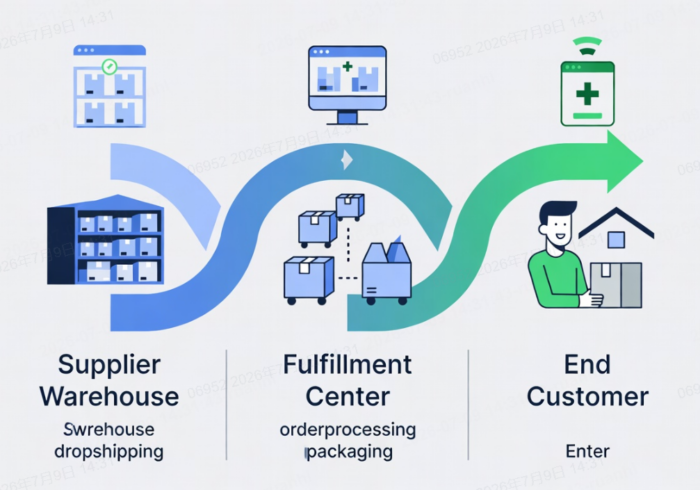
– You can reduce procurement and warehousing costs using dropshipping, free warehousing, and flexible fulfillment options. [looperbuy]
Industry research shows that strategic sourcing and supply chain consulting are growing rapidly, with the global supply chain consulting market projected to expand from about 8.4 billion USD in 2024 to over 12 billion USD by 2031, highlighting how critical optimized sourcing has become for brands worldwide.
Meet Looperbuy: A One-Stop Worldwide Sourcing Solution
Looperbuy is a cross‑border B2B sourcing platform that connects global merchants with reliable Chinese suppliers and global ready stock, designed specifically for efficient, multi-market e-commerce growth. [linkedin]
Core capabilities include:
– China Product Sourcing & Negotiation – From 1688 and other Chinese platforms to factory direct deals, handled by trade experts. [blog.looperbuy]
– OEM/ODM and Customization Services – For private label or branded products tailored to local markets. [looperbuy]
– Quality Inspection & Supplier Vetting – To protect your brand and reduce return rates.
– Free Warehousing & Global Fulfillment – With global shipping networks delivering directly to customers’ doors. [looperbuy]
– Dropshipping & No-MOQ Solutions – Helping multi-currency sellers avoid over‑stocking and heavy warehousing costs.
From a user experience lens, what matters most is that Looperbuy compresses sourcing, quality control, logistics, and after‑sales into a single, coordinated process across regions. This gives you predictable delivery timelines and consistent customer experience—no matter the currency on the checkout page.
How Looperbuy Supports Multi-Currency E-Commerce at Scale
Looperbuy is not a payment gateway, but it is built to support the operational realities of multi-currency e-commerce. When integrated into your tech stack, it helps you:
– Stabilize landed costs by providing consistent product sourcing prices in CNY and USD, which you can then map to your store currencies. [looperbuy]
– Align with global marketplaces through smart ordering tools and platform integrations (e.g., Mercado Libre, Walmart, and others). [looperbuy]
– Simplify fulfillment logic by routing orders from free warehouses or dropshipping pipelines to your customers worldwide.
For best results, you can pair Looperbuy with a multi-currency payment solution (such as dedicated FX accounts or cross-border payment partners) to further reduce FX fees on collections and payouts. [worldfirst]
Step-by-Step: Building a Multi-Currency Sourcing System with Looperbuy
To move from ad‑hoc purchasing to a scalable multi-currency sourcing system, you can follow this practical 7‑step framework:
Step 1: Map Your Target Markets and Currencies
Start by listing your primary and secondary markets (e.g., US, UK, EU, LATAM) and the currencies you sell in (USD, EUR, GBP, MXN, BRL, etc.). Clarify your gross margin targets per region, including shipping and FX. [shopify]
Step 2: Standardize Sourcing into a Single Hub
Use Looperbuy as your central sourcing partner for the majority of your SKUs, rather than juggling dozens of suppliers. This supports consistent quality, pricing, and lead times—critical for conversion and repeat purchase rates. [looperbuy]
Step 3: Set Up Product Pricing Tiers by Market
For each SKU sourced via Looperbuy, build a simple pricing sheet:
1. Base cost in CNY or USD.
2. Logistics cost by region (standard vs priority shipping).
3. Target margin per region (e.g., 40% in US, 35% in EU).
Then convert that into your store currencies using conservative FX assumptions, so short‑term volatility does not instantly kill your margin.
Step 4: Connect Sourcing and Marketplace Operations
Looperbuy offers smart ordering tools and integrations with platforms like Mercado Libre and Walmart, allowing you to keep SKUs and inventory synchronized across channels. This reduces overselling, stockouts, and manual updates—a major UX win. [looperbuy]
Step 5: Implement Warehouse and Dropshipping Logic
Decide, per product and per region, whether you will:
– Dropship directly from Looperbuy’s network to end customers. [blog.looperbuy]
– Use free or low‑cost warehousing for higher‑volume SKUs near your key markets.
– Maintain small regional buffers for your best sellers. [looperbuy]
This hybrid approach lets you keep cash‑flow light while still offering fast shipping in strategically important markets.
Step 6: Monitor Conversion, Returns, and Fulfillment SLAs
As you scale, track:
– Conversion rates by currency and region. [cobbleweb.co]
– Return rates and quality issues by supplier and product line. [looperbuy]
– On‑time delivery performance across carriers and lanes.
Feed these insights back into your sourcing decisions and supplier mix with Looperbuy.
Step 7: Iterate with OEM/ODM for Market-Specific Wins
Once you identify high‑performing SKUs, partner with Looperbuy for OEM/ODM customizations tailored to specific markets (e.g., packaging languages, localized bundles, or exclusive features). This is where serious brand differentiation starts for multi-currency stores.
What Separates Top Multi-Currency Stores from the Rest
From working with B2B merchants and analyzing high‑performing global e-commerce brands, a few patterns stand out:
– They treat sourcing as a strategic asset, not a cost center. Top brands invest in platforms, data, and supplier relationships, rather than chasing the lowest spot price. [looperbuy]
– They centralize complexity and decentralize experience. The back‑end (sourcing, logistics, currency) is centralized, while the front‑end (local currency pricing, localized content) is customized per market. [shopify]
– They choose partners, not just suppliers. Platforms like Looperbuy become a long‑term extension of their supply chain and product development teams. [linkedin]
In other words, multi-currency success is less about adding more plugins and more about tightening your sourcing and supply chain fundamentals.
Practical Framework: Evaluating Sourcing Solutions for Multi-Currency Stores
Use the checklist below to evaluate any sourcing solution you are considering—whether it is Looperbuy or a competing provider. [looperbuy]
| Evaluation Area | Key Question | Why It Matters for Multi-Currency Stores |
| Supplier Network | Does the platform give access to high-quality Chinese and global suppliers with proven track records? | A broad, vetted supplier base stabilizes lead times and quality across markets. |
| Logistics & Fulfillment | Can they ship to your priority markets with predictable transit times and tracking? | Direct delivery and global networks reduce cart abandonment due to shipping concerns. |
| Warehousing Options | Do they offer free or low-cost warehousing, plus flexible dropshipping? | This minimizes inventory risk while still enabling competitive delivery speeds. |
| OEM/ODM Capability | Can they support custom branding and product modifications? | Customization yields higher margins and stronger brand loyalty. looperbuy |
| Tech & Integration | Do they integrate with major marketplaces and support scalable ordering workflows? looperbuy | Automation cuts manual work and errors as you add more currencies and channels. |
| Service & Consulting | Is there expert support for sourcing strategy and supply chain optimization? | Guidance helps you avoid costly mistakes in new markets and categories. looperbuy |
Best Practices for a Multi-Currency Buyer Experience
No matter how robust your procurement system is, your online store’s user experience must clearly convey value and reliability to international buyers. Here are some best practices:
– Make currency selection effortless. Automatic currency detection plus a visible currency switcher creates a frictionless browsing experience.
– Show total landed costs as early as possible. If shipping, duties, or taxes vary by region, make that transparent pre‑checkout.
– Display realistic delivery estimates based on your logistics setup. Align your messaging with actual Looperbuy‑supported lead times by region.
– Highlight trust signals. Use social proof, supplier verifications, and quality guarantees backed by your sourcing platform. [linkedin]
When your sourcing and logistics are solid, you can confidently promise—and consistently deliver—an Amazon‑like experience in multiple currencies and markets.
When to Choose a One-Stop Platform like Looperbuy
You should seriously consider a one-stop B2B sourcing platform if:
– You are scaling to three or more currencies and multiple marketplaces. [shopify]
– Your team is drowning in supplier coordination, RFQs, quality issues, and shipping disputes. [looperbuy]
– You want to test new countries or categories without taking massive inventory risks. [blog.looperbuy]
Looperbuy, in particular, is a strong fit for SMEs and growing brands that want to access China’s supply chain, leverage ready stock, and unify global fulfillment without building an in‑house sourcing team from scratch. [linkedin]
Build a More Profitable Sourcing Engine with Looperbuy
If you are running or planning to build a multi-currency e-commerce store, your sourcing strategy is one of the biggest levers you control for margin, customer experience, and long‑term defensibility.
Instead of managing dozens of suppliers, fragmented logistics, and unpredictable lead times, you can centralize sourcing through Looperbuy and connect your store to an integrated network of Chinese suppliers, free warehousing options, and global fulfillment routes.
Start by exploring Looperbuy’s services and product catalog on the official website and identify 5–10 SKUs you can immediately migrate or test under this new model. From there, build your own multi-currency sourcing playbook—and turn global complexity into a competitive advantage.
FAQs
1. Can Looperbuy handle both small test orders and large B2B shipments?
Yes. Looperbuy is designed for SMEs and scaling brands, supporting low‑MOQ test orders via dropshipping as well as larger bulk orders with warehousing and OEM/ODM options when volume grows.
2. How does Looperbuy help reduce warehousing and inventory risk?
Looperbuy offers free warehousing in certain cases and flexible dropshipping models, allowing merchants to ship directly from China or global warehouses to end customers, significantly reducing the need for large local stock.
3. Is Looperbuy suitable for marketplace sellers like those on Mercado Libre or Walmart?
Yes. The platform provides smart ordering tools and integrations with marketplaces such as Mercado Libre and Walmart, helping sellers synchronize inventory and streamline fulfillment across channels.
4. How does Looperbuy support product customization and branding?
Looperbuy’s OEM/ODM services enable private label products, customized packaging, and product modifications tailored to specific market needs, supporting stronger brand positioning and higher margins.
5. Do I still need a separate multi-currency payment provider if I use Looperbuy?
Yes. Looperbuy focuses on sourcing, warehousing, and logistics, while you can pair it with dedicated multi-currency payment solutions to optimize FX fees and global collections, creating a complete end‑to‑end stack.
References
– Looperbuy – B2B China Sourcing Platform & Dropshipping Solutions: [looperbuy]
– Looperbuy – About Us: [looperbuy]
– Looperbuy – Official Blog: [blog.looperbuy]
– Looperbuy – Supply Chain Consulting Article (market data): [looperbuy]
– Looperbuy – LinkedIn Company Profile: [linkedin]
– Shopify – Multi-Currency Ecommerce:[shopify]
– CobbleWeb – Challenges with Currencies in Online Marketplaces: [cobbleweb.co]
– WorldFirst – Global Marketplace Payment Solutions: [worldfirst]