Learn how to sell on Wish with dropshipping through better product research, supplier validation, compliance awareness, profit-margin planning, and transparent global delivery. This practical guide helps sellers source from China, reduce inventory risk, improve buyer trust, and build a scalable fulfillment workflow with Looperbuy.
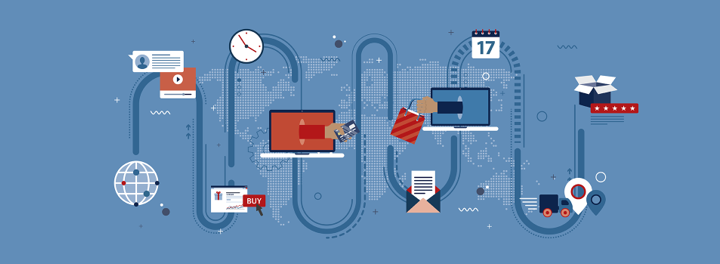
Selling through Wish-style value marketplaces can look deceptively simple: choose a product, publish a listing, forward orders to a supplier, and keep the difference between your retail price and fulfillment cost. In practice, sustainable dropshipping depends on product selection, dependable China sourcing, accurate delivery promises, customer-service discipline, and a margin model that survives refunds and advertising costs.
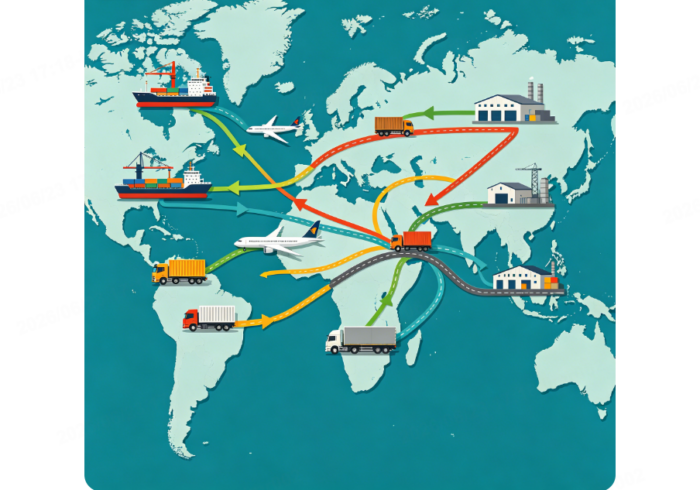
For online merchants, the opportunity is not just to list more products. It is to build a supply chain that lets you test demand without buying inventory upfront—while still giving customers a consistent, trustworthy buying experience. Looperbuy helps B2B sellers source Chinese products, coordinate fulfillment, and ship orders globally, allowing merchants to reduce inventory exposure, warehousing burden, payment complexity, and logistics-management workload.
> Editor’s note: Marketplace policies, seller eligibility, commissions, payment terms, and supported countries can change. Always confirm current requirements directly through the relevant marketplace’s official merchant portal before launching or scaling a store.
Table of Contents
What Is Wish Dropshipping?
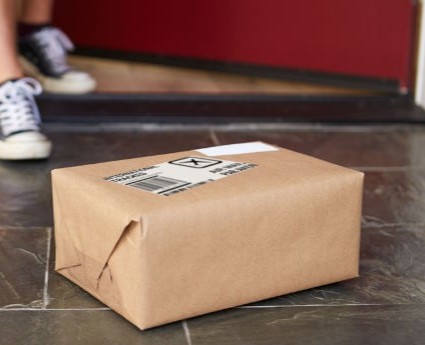
Wish dropshipping is a retail fulfillment model in which a seller markets products without holding the inventory personally. When a customer purchases an item, the seller sends the order information to a third-party supplier or sourcing partner. That supplier prepares and dispatches the product directly to the final customer.
The seller’s role is not passive. Even when a supplier handles fulfillment, the seller remains responsible for the storefront, product claims, pricing, support experience, delivery communication, returns process, customer data, and compliance in the markets served.
The Basic Order Flow
1. A merchant selects products from a supplier or sourcing partner.
2. The merchant creates product listings on a marketplace or independent store.
3. A buyer places and pays for an order.
4. The merchant forwards the confirmed order to the supplier or fulfillment agent.
5. The supplier checks stock, performs quality checks if included, packs the order, and ships it.
6. The merchant sends tracking updates, answers questions, and manages post-purchase support.
7. The merchant earns the remaining margin after product, shipping, platform, transaction, advertising, refund, and service costs.
The original appeal of dropshipping remains valid: it lowers the need for upfront stock purchases. However, lower inventory risk does not eliminate business risk. It shifts attention toward supplier control, product quality, delivery reliability, and unit economics.
Is Selling on Wish Still Worth It?
It can be worth testing if your products match value-conscious demand, your fulfillment process is dependable, and you can protect margin after all variable costs. It is less suitable for sellers who rely on vague delivery estimates, unverified suppliers, thin margins, or products with complicated compliance requirements.
The earlier version of the common “Wish dropshipping guide” focuses mainly on account registration, niche research, store setup, order management, and promotion. Those are necessary fundamentals. But a modern seller needs a more rigorous framework: validate supplier performance before scaling, calculate contribution margin per order, build contingency plans for stockouts, and avoid products that create preventable regulatory or return risks.
For example, marketplace sellers and dropshippers may be considered responsible for safety, labeling, advertising, tax, privacy, and consumer-protection obligations—even when a supplier is located in another country. Amazon’s guidance for UK dropshipping notes that products must meet applicable safety and labeling rules and that the importer may be responsible for compliance. also states that sellers should be the identifiable seller of record on customer-facing documents and packaging where required.
Choose the Right Business Model Before Listing
There are three practical ways to approach Wish dropshipping or marketplace-focused product selling.
| Model | How It Works | Best For | Main Challenge |
| Marketplace seller model | You list and sell directly on a marketplace | Sellers seeking built-in demand | Platform rules, fees, and account performance requirements |
| Independent store model | You sell through your own website and use suppliers for fulfillment | Brand-building and customer ownership | You must generate traffic yourself |
| Hybrid model | You test products on marketplaces and build a branded store around winners | Growing sellers with long-term ambitions | Requires careful inventory and channel coordination |
For many B2B entrepreneurs, the hybrid approach is the most resilient. A marketplace can help validate whether customers respond to a product category. Once a product proves its appeal, a standalone store can support stronger branding, bundles, repeat purchases, email retention, and improved control over the buyer journey.
Do not assume that a product with high sales volume is automatically profitable for you. High demand often comes with higher competition, more price pressure, and more customer expectations.
Step 1: Set Up Your Legal and Operational Foundation
Before listing your first product, establish the basics of a reliable operation.
Prepare Your Seller Infrastructure
You should have:
– A legal business structure appropriate to your country and sales volume
– A business bank account or supported payment method
– Tax registration or tax guidance relevant to your selling regions
– A clear shipping policy and return policy
– A privacy policy if you collect customer information
– Customer-support email, response templates, and escalation process
– A system for recording supplier invoices, tracking numbers, refunds, and disputes
Dropshipping is generally legal, but legality depends on how the business is run. Sellers must comply with applicable consumer-protection, product-safety, tax, privacy, advertising, marketplace, and supplier rules.
Build Policies Before Problems Occur
A good policy is specific enough to set expectations without making promises you cannot keep. Include:
– Order processing time
– Estimated transit window by country or region
– Tracking availability
– Customs, duties, and tax responsibility
– Return eligibility and return time limits
– Damaged-item procedure
– Lost-package process
– Cancellation conditions
– Contact method and customer-service response time
Practical rule: Do not publish a five-day delivery estimate if your actual data shows that most cross-border parcels arrive in 10 to 20 business days. Clear, realistic expectations reduce disputes more effectively than optimistic wording.
Step 2: Research Products Using Demand, Risk, and Margin
Product research should go beyond “trending products.” The best starter products are usually easy to explain, easy to ship, difficult to break, not highly regulated, and capable of producing a healthy margin after fulfillment.
Use a Product Opportunity Scorecard
Evaluate each product against the criteria below.
| Criteria | What to Check | Why It Matters |
| Customer problem | Does it solve a visible, specific problem? | Products with clear utility are easier to market |
| Product differentiation | Can you improve it through bundles, variants, packaging, or content? | Reduces direct price comparison |
| Shipping practicality | Is it compact, light, durable, and non-hazardous? | Protects shipping cost and delivery reliability |
| Supplier stability | Can the supplier maintain stock and quality? | Prevents cancellations and negative reviews |
| Margin potential | Is there enough room after all costs? | Revenue without contribution margin is not scalable |
| Compliance exposure | Does the item require testing, labels, warnings, or certifications? | Reduces legal and account risk |
| Return risk | Could size, fit, color expectations, or fragility create frequent returns? | Returns can erase profit quickly |
Product Categories That Need Extra Caution
New sellers should be careful with products that can trigger significant compliance, safety, or shipping issues, including:
– Electronics and electrical accessories
– Batteries and battery-powered devices
– Toys and children’s products
– Cosmetics and skincare
– Supplements and ingestible products
– Medical devices or health-claim products
– Food-contact materials
– Branded products that may create counterfeiting concerns
Compliance experts recommend requesting test reports, product and packaging label images, certification documents where relevant, and user manuals when needed. This does not replace legal advice or independent validation, but it is a critical starting point when evaluating China suppliers.
Step 3: Validate Suppliers Before You Scale
A supplier’s product photos and catalog description are not proof of performance. The most important habit a new dropshipper can build is to validate the supplier with real orders.
Place a Sample Order First
Order the product to your own address before publishing it at scale. Assess the complete customer experience:
– Was the product identical to the listing?
– Was the item functional and free from visible defects?
– Was the packaging protective and professional?
– Did the parcel contain unexpected promotional inserts?
– Was the address label accurate?
– Did tracking update correctly?
– How many days passed from payment to delivery?
– Did the supplier communicate clearly when asked a question?
This sample order is more than quality control. It is a customer-experience audit.
Ask Suppliers the Questions That Matter
Before committing to a product, ask:
1. What is the current unit price at different order volumes?
2. What is the average processing time?
3. Is inventory updated in real time?
4. What shipping methods are available for each destination?
5. Can the supplier provide valid tracking for all orders?
6. Can the supplier remove invoices, promotional cards, or third-party branding?
7. Are custom packaging, inserts, labels, or bundles available?
8. What happens when an item is out of stock?
9. Can the supplier provide product specifications and compliance documentation?
10. What is the procedure for defective, missing, or damaged items?
A sourcing partner such as Looperbuy can be particularly valuable when sellers need help with supplier communication, multi-supplier consolidation, product inspection, customized packaging, and cross-border order fulfillment. Rather than managing multiple fragmented supplier conversations alone, merchants can create a more controlled workflow for product sourcing and direct delivery.
Step 4: Build Listings That Reduce Buyer Uncertainty
A marketplace product page must answer the buyer’s most urgent questions before they ask them. Poorly written listings create confusion, returns, chargebacks, and negative feedback.
Use This Product Listing Structure
Product title: State the product type, primary benefit, material or key feature, and intended use.
Opening benefit statement: Explain the main outcome in one or two plain-language sentences.
Feature bullets: Focus on useful features, not vague adjectives.
Specifications: Include dimensions, weight, materials, color options, compatibility, package contents, and power requirements where applicable.
Shipping statement: Use realistic processing and delivery estimates.
Usage limitations: State what the product is not designed to do.
Care instructions: Add cleaning, storage, charging, or installation details where relevant.
Return support: Explain how buyers should contact you if the item arrives damaged or incorrect.
Example: Improve a Weak Product Description
Weak:
“High quality portable organizer. Very useful and fashionable. Buy now!”
Stronger:
“Keep charging cables, earbuds, adapters, and small travel accessories organized in one compact case. The water-resistant exterior and elastic interior loops help prevent loose items from tangling during commuting, business travel, or daily storage.”
The stronger version explains the practical use case, names the customer problem, and avoids unsupported claims.
Step 5: Calculate Your True Dropshipping Margin
One of the most common mistakes in dropshipping is confusing gross markup with real profit.
Use this formula:
Contribution Margin per Order=Selling Price−Product Cost−Shipping Cost−Marketplace Fees−Payment Fees−Advertising Cost−Expected Refund/Replacement Cost
Example Margin Calculation
| Item | Amount |
| Customer selling price | $34.99 |
| Supplier product cost | -$9.50 |
| Shipping cost | -$5.80 |
| Marketplace and payment fees | -$5.25 |
| Average ad cost per order | -$6.00 |
| Refund and replacement reserve | -$1.75 |
| Estimated contribution margin | $6.69 |
This example shows why a product with a seemingly attractive markup can still produce a weak return. If advertising cost rises, delivery issues increase, or a platform fee changes, the margin can disappear.
Set a minimum margin threshold before scaling. The exact target depends on your category and acquisition channel, but you need enough room to fund support, refunds, testing, and growth—not merely cover the item cost.
Step 6: Make Delivery Transparency a Competitive Advantage
Customers may accept longer cross-border delivery times when they understand what to expect. They do not accept feeling misled.
Delivery Practices That Build Trust
– Show processing time separately from transit time
– Provide tracking whenever possible
– Send an order-confirmation email immediately
– Send a dispatch notice once the parcel is handed to the carrier
– Update buyers proactively if a delay occurs
– Do not use “free shipping” language to hide unusually long delivery windows
– Include customs or import-charge information where applicable
– Keep a backup supplier for high-performing products
A clear shipping message can be simple:
> “Orders are processed within 1–3 business days. Delivery estimates vary by destination and shipping method. Tracking details are sent after dispatch. Please review the shipping policy before ordering.”
This approach protects trust better than promising a precise date you cannot control.
Step 7: Launch Small, Measure Carefully, Then Scale
Do not upload hundreds of products and hope that one succeeds. Start with a controlled product test.
A 30-Day Launch Framework
Days 1–7: Build the foundation
– Select one niche or buyer problem
– Shortlist 10–20 products
– Request supplier information
– Order samples of the best candidates
– Create policies and support templates
Days 8–14: Prepare listings
– Publish 3–5 thoroughly researched products
– Write complete product descriptions
– Add original or supplier-approved visual assets
– Set realistic delivery messaging
– Test checkout and order forwarding
Days 15–21: Validate demand
– Run small-budget marketing tests
– Monitor clicks, conversion rate, add-to-cart rate, and questions
– Review product-page behavior
– Identify objections and improve listings
Days 22–30: Improve or remove
– Keep products with acceptable margin and customer response
– Improve weak listings with better information or visuals
– Remove products with unreliable stock, poor samples, or high complaint risk
– Create bundles or add-ons around winning products
Common Mistakes to Avoid
– Choosing products only because they are viral
– Copying supplier descriptions without checking claims
– Listing products before ordering a sample
– Ignoring product safety, labeling, and import obligations
– Using misleading delivery promises
– Competing only on the lowest price
– Relying on a single supplier with no backup option
– Scaling paid ads before knowing true profit per order
– Offering products with unclear sizing, compatibility, or package contents
– Treating customer support as an afterthought
The strongest dropshipping businesses treat fulfillment as part of the brand—not as an invisible back-office task.
Build a More Reliable China Sourcing Workflow With Looperbuy
A winning Wish dropshipping strategy is not based on finding the cheapest item. It is based on creating a repeatable supply chain that helps customers receive the correct product, in acceptable condition, within the delivery window they were shown.
Looperbuy supports global B2B sellers with China product sourcing and dropshipping fulfillment. Whether you are testing a new category, consolidating orders from several suppliers, reducing inventory commitment, or looking for a more manageable shipping workflow, a dedicated sourcing and fulfillment partner can help you focus more of your time on merchandising, marketing, and customer growth.
Ready to test products without holding inventory? Contact Looperbuy to source products from China, verify fulfillment options, and build a dropshipping workflow designed for your target markets.
Frequently Asked Questions
1. Can I start Wish dropshipping without buying inventory?
Yes. The basic dropshipping model allows you to sell products before purchasing them from a supplier. However, you should still order samples before scaling so you can verify quality, packaging, delivery speed, and tracking performance.
2. How much money do I need to start dropshipping?
The required budget varies. You may avoid bulk inventory purchases, but you still need money for samples, store or marketplace setup, transaction fees, advertising tests, customer-service tools, refunds, and unexpected fulfillment issues. Start with a controlled test budget rather than spending heavily on a large product catalog.
3. What products are best for Wish dropshipping?
Good starter products typically solve a simple problem, are compact and durable, have a clear use case, and leave enough margin after shipping and fees. Avoid highly regulated, fragile, safety-sensitive, or easily counterfeited items unless you have the documentation and expertise to manage them.
4. Do I need to handle customer service if a supplier ships the product?
Yes. From the customer’s perspective, you are the seller. You should manage pre-sale questions, tracking inquiries, delivery delays, refunds, returns, replacements, and product complaints—even when a supplier performs the physical fulfillment.
5. How can I reduce shipping complaints in dropshipping?
Use accurate processing and delivery estimates, share tracking quickly, separate processing time from transit time, notify customers proactively about delays, and work with suppliers that can provide stable shipping options. A sample order to your own address is one of the best ways to verify the actual experience.
6. Is it safe to sell products sourced from China?
China is a major global manufacturing source, but safety depends on the specific supplier and product. Request specifications, labeling images, testing reports, and certifications when relevant. Independently confirm the legal requirements of your destination markets before selling regulated products.
7. Should I use one supplier or several suppliers?
Use a primary supplier for consistency, but maintain a qualified backup supplier for winning products. A backup reduces the risk of lost revenue when stock changes, production quality falls, or shipping disruptions occur.
References
1. Doba. “[How To Sell On Wish Dropshipping: The Ultimate Guide].”
2. Shopify. “[Is Dropshipping Legal? Rules and Risks].”
3. Amazon Selling Partner UK. “[What Is Dropshipping and How Does It Work?].”
4. Compliance Gate. “[Dropshipping Product Safety and Compliance Risks].”
5. CookieScript. “[The Dropshipper’s Guide to Global Compliance in 2026].”