Athlete wear has become a crucial aspect of sports and fitness culture, influencing not only how athletes perform but also how they feel during their activities. This article delves into the significance of athlete wear, exploring its various types, benefits, and the latest trends that are shaping the industry. As the world of sports continues to evolve, the importance of appropriate clothing cannot be overstated, as it plays a vital role in enhancing performance and ensuring comfort.
Table of Contents
Understanding Athlete Wear
Athlete wear refers to specialized clothing designed for physical activities, including sports, workouts, and outdoor adventures. This category encompasses a wide range of apparel, from high-performance gear to casual athleisure wear. The primary goal of athlete wear is to enhance performance, provide comfort, and support the body during various physical activities. The right athlete wear can make a significant difference in an athlete’s experience, allowing them to focus on their performance without distractions caused by discomfort or inadequate clothing.
The Evolution of Athlete Wear
The journey of athlete wear has evolved significantly over the years. Initially, sports clothing was primarily functional, focusing on durability and basic comfort. However, advancements in fabric technology and design have transformed athlete wear into a blend of functionality and style. Today, athletes can choose from a plethora of options that cater to their specific needs, whether they are running a marathon or practicing yoga. This evolution reflects a broader cultural shift towards valuing both performance and aesthetics in athletic apparel, leading to a diverse market that caters to various tastes and preferences.
Key Features of Athlete Wear
Athlete wear is characterized by several key features that set it apart from regular clothing. These include:
– Moisture-Wicking Fabrics: Many athlete wear items are made from materials that wick moisture away from the body, keeping athletes dry and comfortable during intense workouts. This feature is particularly important for high-intensity activities where sweat can accumulate quickly, leading to discomfort and distraction.
– Breathability: Breathable fabrics allow air to circulate, preventing overheating and ensuring optimal body temperature regulation. This is crucial for maintaining performance levels, especially in warm weather or during prolonged physical exertion.
– Flexibility and Stretch: The incorporation of stretchy materials enables a full range of motion, which is essential for athletic performance. Athletes need clothing that moves with them, allowing for dynamic movements without restriction.
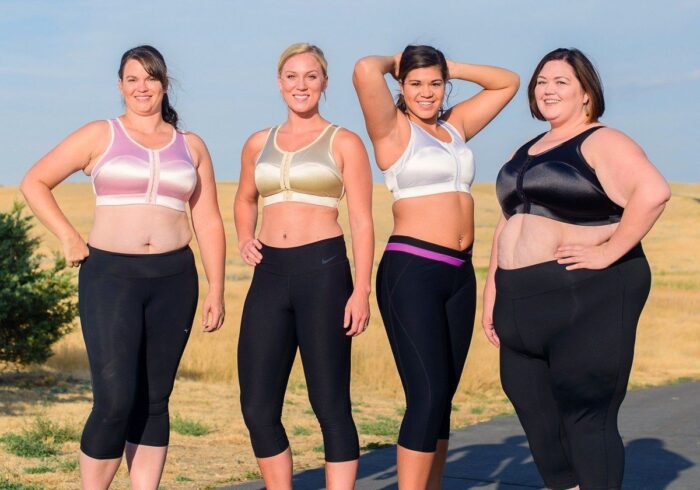
– Supportive Design: Many athlete wear items, such as sports bras and compression garments, are designed to provide support to specific body areas, reducing the risk of injury. This targeted support can enhance comfort and performance, particularly during high-impact activities.
Types of Athlete Wear
Athlete wear can be categorized into several types, each serving a unique purpose and catering to different activities.
Performance Apparel
Performance apparel is designed for serious athletes who require specialized clothing for their sport. This includes items like running shorts, cycling jerseys, and swimwear. These garments are engineered to enhance performance through features like aerodynamic cuts, lightweight materials, and strategic ventilation. The focus on performance means that these items often incorporate the latest technology to help athletes achieve their best results, whether in competition or training.
Training Gear
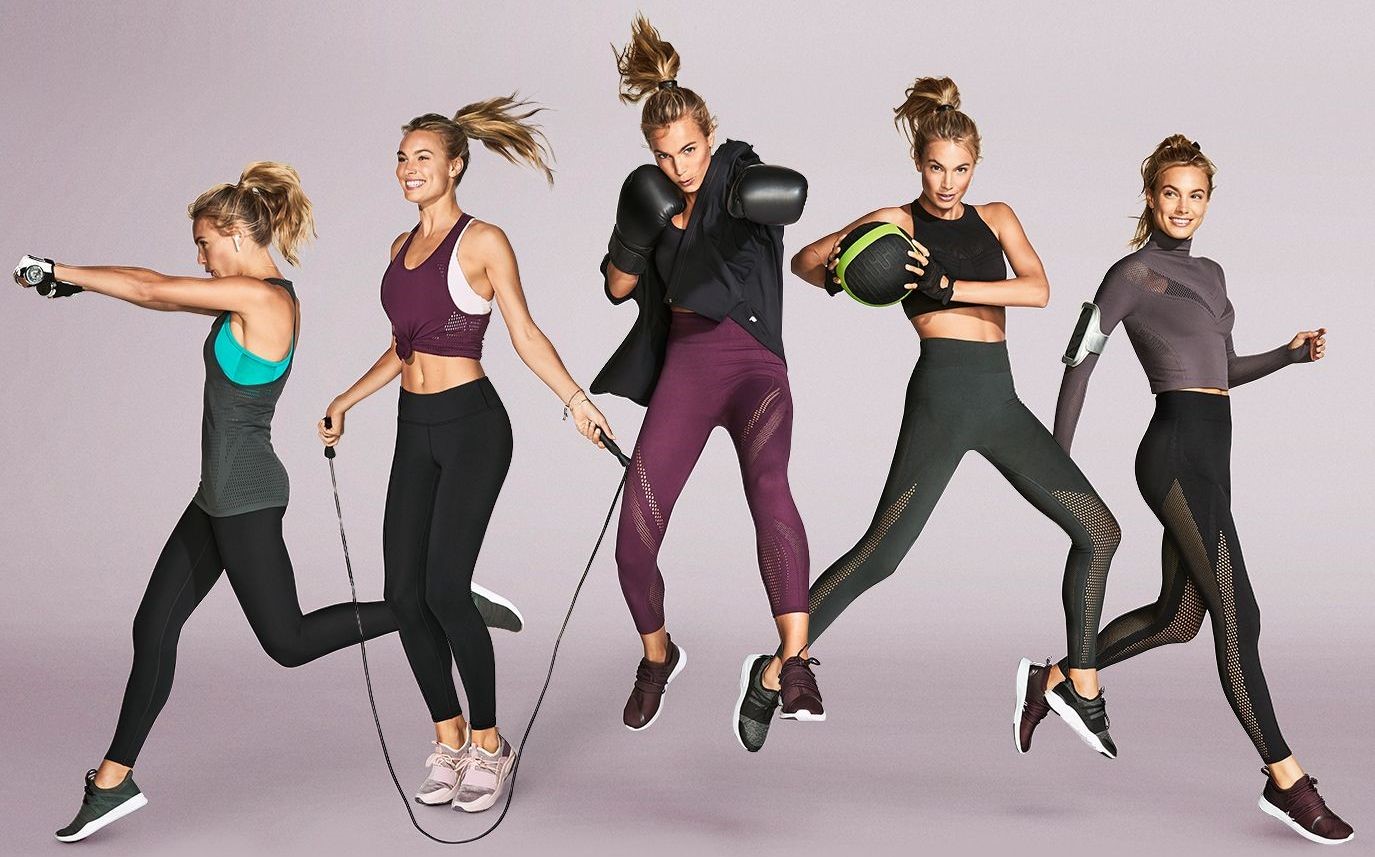
Training gear encompasses clothing used for workouts and fitness training. This category includes items such as leggings, tank tops, and hoodies. Training gear is often versatile, allowing athletes to transition seamlessly from the gym to casual outings. The blend of style and functionality in training gear makes it a popular choice for those who want to look good while staying active, whether they are lifting weights or running errands.
Athleisure
Athleisure has gained immense popularity in recent years, blurring the lines between athletic wear and everyday fashion. Athleisure pieces are designed to be stylish and comfortable, making them suitable for both workouts and casual wear. This trend has led to the rise of fashionable leggings, stylish sneakers, and trendy sports bras that can be worn outside the gym. The athleisure movement reflects a growing acceptance of fitness culture in everyday life, encouraging more people to embrace an active lifestyle.
Footwear
Athlete wear is not limited to clothing; footwear plays a vital role in performance. Specialized shoes are designed for various sports, providing the necessary support, cushioning, and traction. From running shoes to basketball sneakers, the right footwear can significantly impact an athlete’s performance and comfort. The importance of selecting the appropriate footwear cannot be overstated, as it can prevent injuries and enhance overall athletic performance.

The Benefits of Wearing Athlete Wear
Wearing the right athlete wear can offer numerous benefits, enhancing both performance and overall experience during physical activities.
Enhanced Performance
Athlete wear is designed to optimize performance. The use of advanced materials and technologies helps athletes perform at their best by providing support, reducing drag, and enhancing mobility. For instance, compression garments can improve blood circulation, leading to better endurance and recovery. This focus on performance is essential for athletes who are looking to push their limits and achieve their personal bests.
Increased Comfort
Comfort is paramount when engaging in physical activities. Athlete wear is crafted to fit well and move with the body, minimizing distractions during workouts. Features like flat seams and tagless designs reduce chafing and irritation, allowing athletes to focus on their performance. The psychological aspect of comfort cannot be overlooked, as feeling good in one’s clothing can lead to improved confidence and motivation.
Injury Prevention
Proper athlete wear can help prevent injuries. Supportive garments, such as compression sleeves and supportive footwear, can reduce the risk of strains and sprains. Additionally, moisture-wicking fabrics help keep the skin dry, reducing the likelihood of blisters and chafing. By investing in quality athlete wear, athletes can protect themselves from common injuries and enhance their overall training experience.
Confidence Boost
Wearing stylish and well-fitting athlete wear can boost an athlete’s confidence. When athletes feel good in their clothing, they are more likely to perform better. The psychological aspect of wearing appealing and functional gear cannot be underestimated in the world of sports. Confidence plays a crucial role in performance, and the right athlete wear can contribute significantly to an athlete’s mindset.
Trends in Athlete Wear
The athlete wear industry is constantly evolving, with new trends emerging regularly. Staying updated on these trends can help athletes make informed choices about their gear.
Sustainable Materials
Sustainability is becoming a significant focus in the athlete wear industry. Many brands are now using eco-friendly materials and ethical manufacturing practices. Athletes are increasingly seeking out brands that prioritize sustainability, making it a key trend in the market. This shift towards sustainability reflects a broader societal movement towards environmental consciousness, encouraging consumers to make more responsible choices.
Smart Fabrics
The integration of technology into athlete wear is on the rise. Smart fabrics that monitor performance metrics, such as heart rate and body temperature, are becoming more common. These innovations allow athletes to track their progress and make data-driven decisions about their training. The use of technology in athlete wear not only enhances performance but also provides valuable insights that can lead to improved training strategies.
Customization
Customization is another trend gaining traction in athlete wear. Many brands now offer personalized options, allowing athletes to choose colors, designs, and even fit. This trend caters to the desire for individuality and self-expression in athletic gear. Customization not only enhances the aesthetic appeal of athlete wear but also allows athletes to feel a deeper connection to their gear.
Gender-Neutral Designs
The push for inclusivity in sportswear has led to the rise of gender-neutral designs. Brands are increasingly creating collections that cater to all genders, promoting a more inclusive approach to athlete wear. This trend reflects a growing recognition of the diverse needs of athletes and the importance of creating clothing that is accessible and appealing to everyone.
Conclusion
Athlete wear is more than just clothing; it is an essential component of an athlete’s performance and experience. With advancements in technology, design, and sustainability, the athlete wear industry continues to evolve, offering athletes a wide range of options to enhance their performance and comfort. Whether you are a professional athlete or a fitness enthusiast, investing in quality athlete wear can make a significant difference in your physical activities. The right gear not only supports performance but also contributes to a positive mindset, encouraging athletes to pursue their goals with confidence and determination.
How to purchase:https://looperbuy.com/search?keywords=Athlete+Wear
Frequently Asked Questions
1.What materials are commonly used in athlete wear?
Athlete wear is typically made from moisture-wicking fabrics, breathable materials, and stretchy textiles that allow for flexibility and comfort during physical activities.
2.How does athlete wear improve performance?
Athlete wear enhances performance by providing support, reducing drag, and allowing for a full range of motion, which can lead to better endurance and efficiency during workouts.
3.Is athleisure suitable for everyday wear?
Yes, athleisure is designed to be stylish and comfortable, making it suitable for both workouts and casual outings.
4.What should I look for when buying athlete wear?
When purchasing athlete wear, consider factors such as fit, material, breathability, and the specific activities you will be engaging in to ensure optimal performance and comfort.
5.Are there sustainable options for athlete wear?
Yes, many brands are now offering sustainable athlete wear made from eco-friendly materials and ethical manufacturing practices, catering to environmentally conscious consumers.