Table of Contents
Introduction
The world of Muslim clothing is rich and diverse, reflecting the cultural, religious, and personal preferences of individuals across the globe. Clothing for Muslims is not just about modesty; it also encompasses style, tradition, and identity. This article explores various aspects of Muslim clothing, including its significance, types, and contemporary trends, while also addressing common questions related to this topic. Understanding the nuances of Muslim attire can foster greater appreciation for the cultural diversity within the Muslim community and highlight the importance of clothing as a form of self-expression.
The Significance of Modesty in Muslim Clothing
Modesty is a fundamental principle in Islam, influencing how Muslims dress. The Quran and Hadith provide guidelines on modest attire, emphasizing the importance of covering the body and avoiding clothing that is overly revealing or extravagant. This principle is not only about physical appearance but also about fostering a sense of dignity and respect. Modesty in clothing serves as a reflection of one’s faith and values, promoting a sense of community and belonging among Muslims.
Key Principles of Modesty
1. Coverage: Clothing should cover the body adequately. For women, this often means wearing garments that cover the arms, legs, and hair, while men are typically required to cover from the navel to the knees. This coverage is not merely a rule but a way to honor oneself and others, creating an environment where individuals are valued for their character rather than their appearance.
2. Loose Fit: Clothing should be loose-fitting to avoid outlining the body’s shape. This principle allows for comfort and freedom of movement, which is essential in daily activities. Loose clothing also helps to maintain a level of anonymity in public spaces, aligning with the values of modesty.
3. Simplicity: While fashion is embraced, the emphasis is on simplicity and avoiding ostentation. This does not mean that Muslim clothing lacks style; rather, it encourages creativity within the bounds of modesty. Many designers are now creating elegant yet simple pieces that reflect personal style without compromising on modesty.
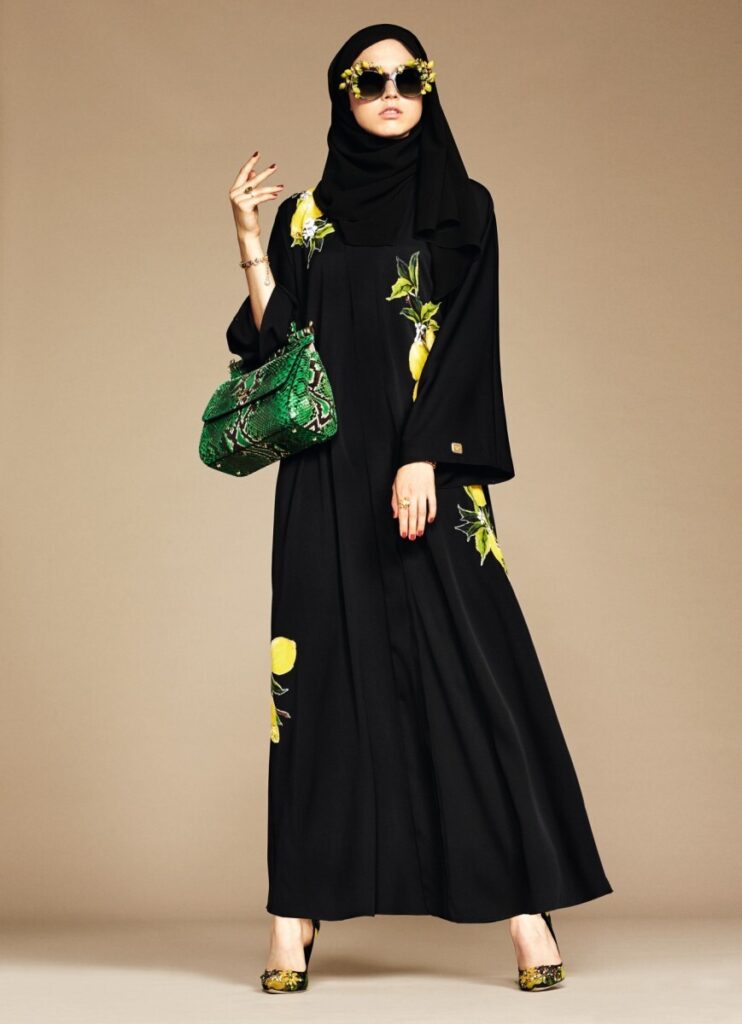
Types of Muslim Clothing
Muslim clothing varies widely across different cultures and regions. Here are some of the most common types:
1. Hijab
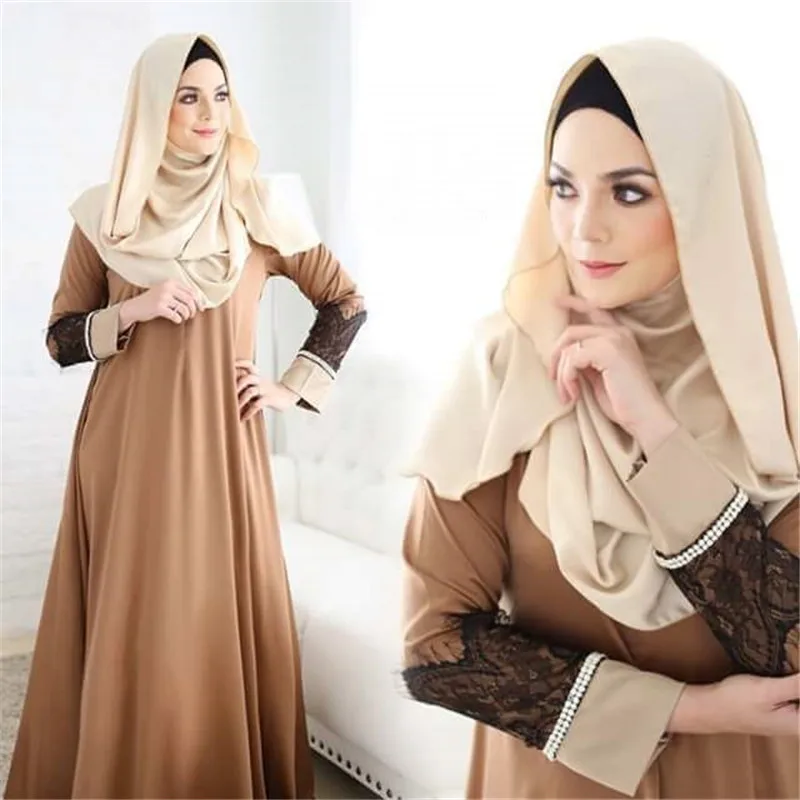
The hijab is a headscarf worn by many Muslim women as a symbol of modesty and faith. It comes in various styles and fabrics, allowing for personal expression while adhering to modesty guidelines. The hijab can be styled in numerous ways, from simple wraps to intricate draping, making it a versatile accessory that complements various outfits.
2. Abaya
The abaya is a loose-fitting, full-length robe commonly worn by women in the Middle East. It is often black but can come in various colors and designs, sometimes adorned with embroidery or embellishments. The abaya serves as a canvas for personal expression, with many women choosing to customize their abayas with unique patterns and styles that reflect their personality.
3. Thobe
The thobe, or jubba, is a long robe worn by men, particularly in Arab countries. It is typically ankle-length and can be made from various materials, suitable for different climates. The thobe is often worn during formal occasions and religious events, symbolizing cultural heritage and identity.
4. Jilbab
Similar to the abaya, the jilbab is a long outer garment that covers the body. It is often worn over regular clothing and can be styled in numerous ways. The jilbab is popular among women who prefer a more tailored look while still adhering to the principles of modesty.
5. Shalwar Kameez
Popular in South Asia, the shalwar kameez consists of a long tunic (kameez) paired with loose trousers (shalwar). This outfit is both comfortable and modest, making it a favorite among many Muslim women. The shalwar kameez can be made from a variety of fabrics and is often embellished with intricate embroidery, making it suitable for both casual and formal occasions.
6. Kaftan
The kaftan is a loose, flowing garment that can be worn by both men and women. It is often made from lightweight fabrics, making it ideal for warm climates. The kaftan is celebrated for its comfort and elegance, often featuring vibrant colors and patterns that reflect cultural influences.
Contemporary Trends in Muslim Fashion
In recent years, the Muslim fashion industry has seen significant growth, with designers creating stylish and modern interpretations of traditional garments. This evolution reflects a blend of cultural heritage and contemporary aesthetics, allowing Muslim individuals to express their identity through fashion.
1. Modest Activewear
With the rise of fitness culture, many brands now offer modest activewear designed for Muslim women. These garments provide coverage while allowing for ease of movement during physical activities. This trend has empowered women to engage in sports and fitness without compromising their values, leading to a more active lifestyle.
2. Fashion-Forward Hijabs
Hijabs are now available in a variety of styles, colors, and fabrics, allowing women to express their personal style. From printed designs to luxurious materials, the options are endless. Many fashion-forward hijabs incorporate innovative designs, such as pre-tied styles and multifunctional pieces that can be worn in different ways.
3. Sustainable Fashion
As awareness of environmental issues grows, many Muslim clothing brands are focusing on sustainable practices. This includes using eco-friendly materials and ethical production methods. The shift towards sustainability not only benefits the environment but also aligns with the Islamic principle of stewardship over the earth.
4. Cultural Fusion
Designers are increasingly incorporating elements from various cultures into their collections, creating unique pieces that celebrate diversity while adhering to modesty standards. This cultural fusion enriches the fashion landscape, allowing for a broader representation of Muslim identities and styles.
Shopping for Muslim Clothing
When shopping for Muslim clothing, it’s essential to consider factors such as fabric, fit, and style. Here are some tips to help you make informed choices:
1. Choose Quality Fabrics
Opt for breathable and comfortable fabrics, especially in warmer climates. Cotton, linen, and jersey are popular choices for their comfort and durability. Investing in quality fabrics ensures that the clothing lasts longer and remains comfortable throughout the day.
2. Consider Fit and Style
Select clothing that fits well and aligns with your personal style. Many brands offer customizable options to ensure a perfect fit. Understanding your body shape and preferences can help you choose pieces that enhance your appearance while adhering to modesty guidelines.
3. Explore Online Stores
With the growth of e-commerce, numerous online stores specialize in Muslim clothing. This allows for a broader selection and the convenience of shopping from home. Online shopping also provides access to international brands and unique designs that may not be available locally.
4. Follow Fashion Influencers
Many Muslim fashion influencers share their styles on social media, providing inspiration and showcasing the latest trends in modest fashion. Following these influencers can help you discover new brands and styles, as well as tips on how to style various pieces.
Common Questions About Muslim Clothing
1. What is the difference between a hijab and a niqab?
The hijab covers the hair and neck but leaves the face visible, while the niqab covers the face, leaving only the eyes exposed. Both garments serve the purpose of modesty but vary in the level of coverage they provide.
2. Can Muslim women wear colorful clothing?
Yes, Muslim women can wear colorful clothing as long as it adheres to the principles of modesty. Many modern designs incorporate vibrant colors and patterns, allowing women to express their individuality while maintaining modesty.
3. Is it necessary for Muslim men to wear traditional clothing?
While traditional clothing is common, it is not mandatory. Muslim men can wear modern attire as long as it meets the modesty requirements. The focus is on maintaining a respectful appearance rather than adhering strictly to traditional garments.
4. Are there specific clothing brands for Muslim fashion?
Yes, there are many brands that specialize in Muslim fashion, offering a range of styles from traditional to contemporary. These brands cater to diverse tastes and preferences, ensuring that there is something for everyone.
5. How can I style a hijab for different occasions?
Hijabs can be styled in various ways depending on the occasion. For formal events, opt for elegant fabrics and styles, while casual outings can feature more relaxed and colorful looks. Experimenting with different styles and accessories can help you find the perfect look for any occasion.
Conclusion
Muslim clothing is a beautiful blend of tradition, culture, and modernity. It reflects the values of modesty while allowing for personal expression and style. As the fashion industry continues to evolve, Muslim clothing will undoubtedly remain a significant aspect of cultural identity for millions around the world. Embracing this diversity not only enriches the fashion landscape but also fosters understanding and appreciation for the unique expressions of faith and identity within the Muslim community.
How to purchase:https://looperbuy.com/search?keywords=Muslim+clothes