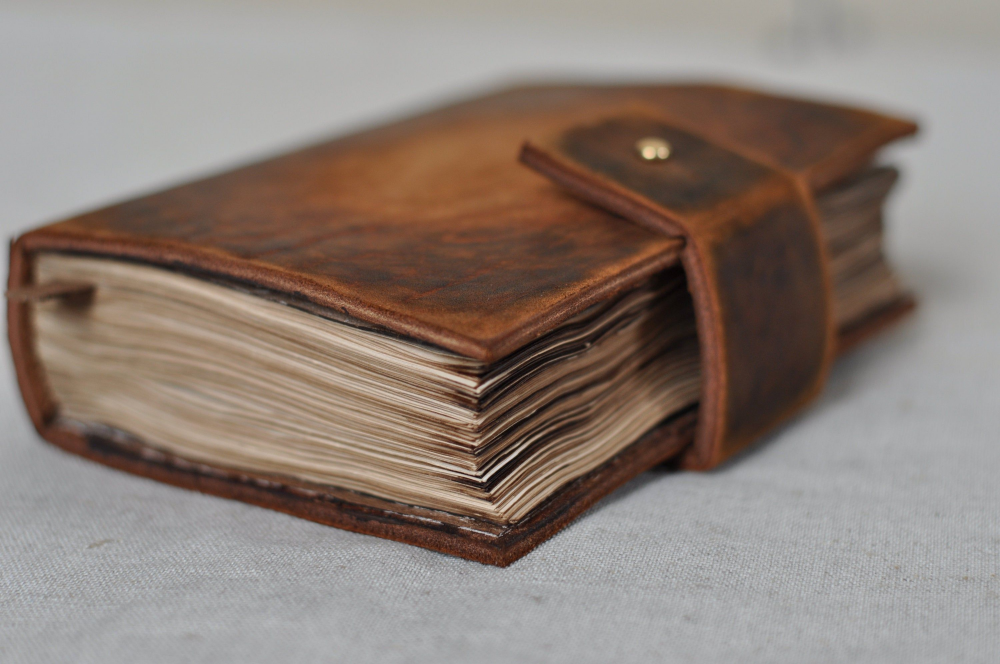
Leather notebooks are not just practical tools for writing; they are also beautiful pieces of craftsmanship that can last a lifetime with proper care. Whether you use your leather notebook for journaling, sketching, or note-taking, maintaining its appearance and functionality is essential. This article will provide you with comprehensive tips on how to keep your leather notebook looking new, ensuring it remains a cherished item for years to come.
Table of Contents
Understanding Leather
Before diving into maintenance tips, it’s important to understand the nature of leather. Leather is a natural material made from animal hides, and it can be sensitive to environmental factors. It can absorb moisture, oils, and dirt, which can lead to stains and deterioration if not properly cared for. Understanding the characteristics of leather will help you appreciate its beauty and the importance of maintenance.
Types of Leather
1. Full-Grain Leather: This is the highest quality leather, retaining the natural grain and imperfections. It develops a beautiful patina over time, which adds character and uniqueness to each piece. Full-grain leather is known for its durability and breathability, making it an excellent choice for notebooks that will be used frequently.
2. Top-Grain Leather: Slightly less durable than full-grain, this leather is sanded and treated to remove imperfections. While it may not develop the same rich patina, top-grain leather is still a popular choice for its smooth finish and resistance to stains. It strikes a balance between quality and affordability, making it accessible for many users.
3. Genuine Leather: Made from the lower layers of the hide, it is less durable and often treated to look like higher-quality leather. Genuine leather is more affordable but may not offer the same longevity or aesthetic appeal as full-grain or top-grain options. It’s important to recognize that while genuine leather can be a budget-friendly choice, it may require more frequent maintenance.
4. Bonded Leather: Made from leftover scraps of leather, it is the least durable and often used in lower-quality products. Bonded leather is typically less expensive and can be found in various products, but it does not have the same longevity or aesthetic qualities as genuine leather. Understanding these types will help you choose the right care products and methods for your leather notebook.
General Maintenance Tips
1. Keep It Clean
Regular cleaning is crucial for maintaining the appearance of your leather notebook. Here’s how to do it:
– Dust Regularly: Use a soft, dry cloth to wipe away dust and dirt. This prevents buildup that can scratch the leather. Regular dusting not only keeps your notebook looking pristine but also helps maintain its texture and finish.
– Spot Clean Stains: For minor stains, use a damp cloth with a little mild soap. Gently rub the area and dry it immediately with a clean cloth. It’s essential to act quickly when a spill occurs to prevent the stain from setting in. Always test any cleaning solution on a small, inconspicuous area first to ensure it doesn’t damage the leather.
2. Condition the Leather
Leather can dry out over time, leading to cracks and stiffness. Conditioning helps maintain its suppleness:
– Use a Leather Conditioner: Apply a high-quality leather conditioner every 3-6 months. This will nourish the leather and keep it hydrated. Conditioning not only enhances the appearance of the leather but also extends its lifespan by preventing it from becoming brittle.
– Test First: Always test the conditioner on a small, inconspicuous area to ensure it doesn’t alter the color or texture. Different types of leather may react differently to conditioners, so it’s crucial to choose the right product for your specific notebook.
3. Protect from Water and Moisture
Water can damage leather, causing it to warp or stain:
– Avoid Exposure: Keep your leather notebook away from direct moisture. If it gets wet, dry it immediately with a soft cloth and let it air dry away from heat sources. Prolonged exposure to moisture can lead to mold and mildew, which can ruin your notebook.
– Use a Water Repellent: Consider applying a water-repellent spray designed for leather to provide an extra layer of protection. This can be especially useful if you frequently use your notebook outdoors or in humid environments.
4. Store Properly
How you store your leather notebook can significantly affect its longevity:
– Avoid Direct Sunlight: Store your notebook in a cool, dry place away from direct sunlight, which can fade and dry out the leather. Sunlight can cause the color to fade unevenly, leading to a patchy appearance over time.
– Keep It Flat: If possible, store your notebook flat to prevent creasing or bending. If you must store it upright, ensure it is supported to maintain its shape. Using a protective case can also help preserve its form and prevent damage.
5. Handle with Care
The way you handle your leather notebook can also impact its condition:
– Avoid Overfilling: Don’t overstuff your notebook with papers or other items, as this can stretch the leather and cause it to lose shape. A well-organized notebook not only looks better but also functions more effectively.
– Use a Protective Cover: Consider using a protective cover or sleeve when carrying your notebook to prevent scratches and scuffs. This extra layer of protection can be particularly beneficial if you carry your notebook in a bag with other items.
Dealing with Specific Issues
1. Scratches and Scuffs
If your leather notebook gets scratched:
– Buff It Out: Use a soft cloth to gently buff the scratch. For deeper scratches, a leather repair kit can help. Many repair kits come with color-matching options to ensure a seamless repair.
– Use a Leather Balm: Applying a leather balm can help conceal minor scratches and restore shine. Regularly using a balm can also help maintain the leather’s moisture balance.
2. Stains
For stains, the approach depends on the type of stain:
– Ink Stains: Dab the area with rubbing alcohol on a cotton swab, but be careful not to spread the ink. Ink stains can be particularly stubborn, so it’s important to act quickly and gently.
– Food or Oil Stains: Sprinkle cornstarch or talcum powder on the stain and let it sit overnight to absorb the oil, then brush it off. This method can be effective for greasy stains, but be sure to clean the area afterward to remove any residue.
3. Fading
If your leather notebook starts to fade:
– Recondition: Use a leather conditioner that contains color restoration properties to help revive the color. This can help restore the notebook’s original vibrancy and protect it from further fading.
– Avoid Sunlight: Ensure that you keep the notebook out of direct sunlight to prevent further fading. Consider storing it in a protective case or cover when not in use.
Enhancing the Aesthetic
1. Personalization
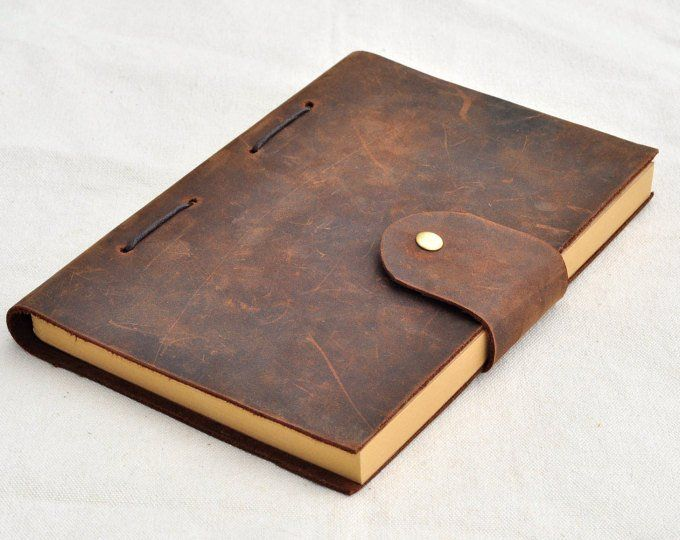
Consider personalizing your leather notebook with embossing or engraving. This not only adds a unique touch but can also help you identify your notebook easily. Personalization can make your notebook feel more special and can also serve as a great gift idea for friends and family.
2. Accessorizing
Adding accessories like bookmarks, pen holders, or decorative straps can enhance the functionality and aesthetic appeal of your leather notebook. These accessories can make your writing experience more enjoyable and can also help keep your notebook organized.
Conclusion
Maintaining your leather notebook is essential for preserving its beauty and functionality. By following these tips, you can ensure that your notebook remains a cherished item for years to come. Remember, leather is a natural material that benefits from regular care and attention. Treat it well, and it will serve you faithfully.
How to purchase:https://looperbuy.com/search?keywords=leather+notebook
Frequently Asked Questions
1. How often should I clean my leather notebook?
You should clean your leather notebook regularly, ideally every few weeks, depending on usage. Spot clean as needed to prevent dirt and stains from setting in.
2. Can I use regular soap to clean my leather notebook?
It’s best to use a mild soap specifically designed for leather. Regular soaps can be too harsh and may damage the leather, leading to dryness or discoloration.
3. What should I do if my leather notebook gets wet?
If your notebook gets wet, dry it immediately with a soft cloth and let it air dry away from heat sources. Do not use a hairdryer, as this can cause the leather to crack.
4. How can I remove ink stains from my leather notebook?
Dab the ink stain with rubbing alcohol on a cotton swab, being careful not to spread the ink further. If the stain persists, consider using a leather cleaner specifically designed for ink removal.
5. Is it necessary to condition my leather notebook?
Yes, conditioning is important to keep the leather supple and prevent it from drying out and cracking. Regular conditioning helps maintain the leather’s natural oils and extends its lifespan.