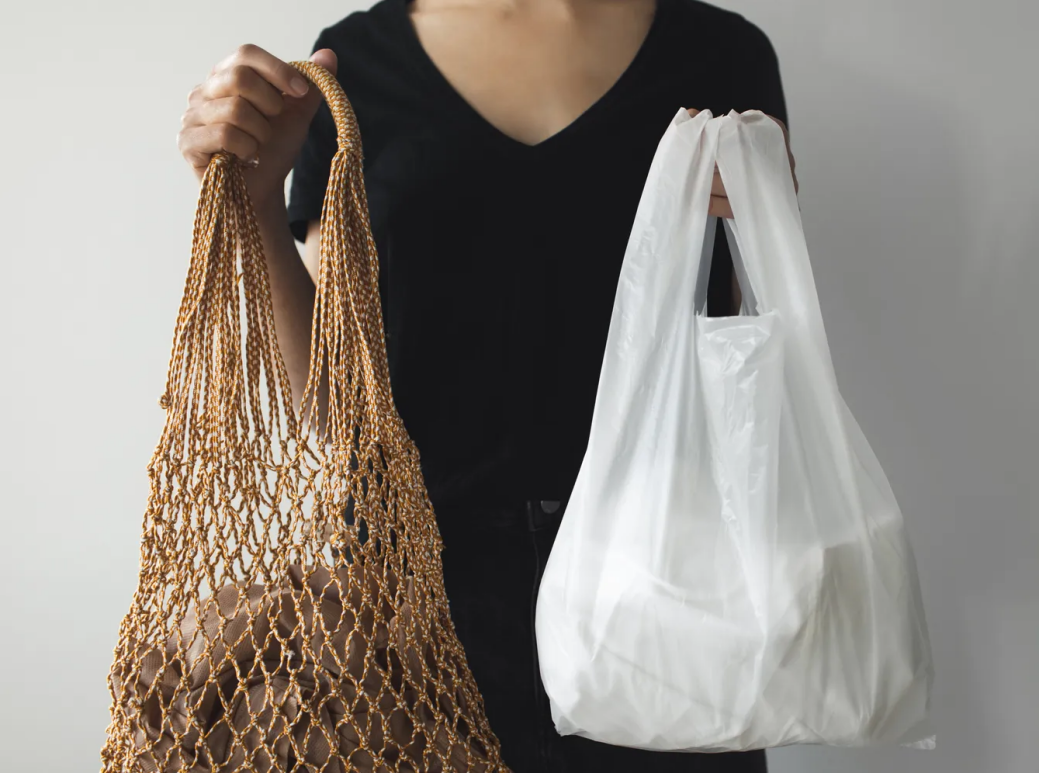
In recent years, the environmental impact of single-use plastics, particularly clear plastic bags, has become a pressing concern. These bags, often used for convenience, contribute significantly to pollution and waste. As awareness grows, many individuals and businesses are seeking sustainable alternatives to reduce their reliance on clear plastic bags. This article explores various reusable options, their benefits, and how they can help mitigate the environmental crisis.
Table of Contents
The Environmental Impact of Clear Plastic Bags
Clear plastic bags are ubiquitous in our daily lives, found in grocery stores, retail shops, and even at fast-food restaurants. However, their convenience comes at a high cost to the environment. Here are some key points regarding their impact:
– Waste Generation: Millions of plastic bags are used every year, with a significant percentage ending up in landfills, oceans, and other natural habitats. These bags can take hundreds of years to decompose, leading to long-term environmental damage. The sheer volume of plastic waste generated is staggering, with estimates suggesting that over 1 trillion plastic bags are used globally each year. This relentless consumption contributes to overflowing landfills and the pollution of our oceans, where plastic debris can harm marine ecosystems.
– Wildlife Threats: Animals often mistake plastic bags for food, leading to ingestion that can cause injury or death. Marine life is particularly vulnerable, as plastic bags can entangle and suffocate creatures like turtles and seabirds. The ingestion of plastic can lead to malnutrition, internal injuries, and even death in various species. Furthermore, the toxins released from decomposing plastic can enter the food chain, affecting not only wildlife but also humans who consume seafood.
– Resource Consumption: The production of plastic bags requires fossil fuels, contributing to greenhouse gas emissions and climate change. Transitioning to reusable alternatives can significantly reduce this resource consumption. The extraction and processing of petroleum for plastic production are energy-intensive processes that contribute to air and water pollution. By reducing our reliance on plastic bags, we can decrease the demand for fossil fuels and promote a more sustainable energy future.
Benefits of Using Reusable Alternatives
Switching to reusable alternatives not only helps reduce waste but also offers several other benefits:
1. Cost-Effective: While the initial investment in reusable bags may be higher, they can save money in the long run. Many stores offer discounts for customers who bring their own bags, and reusable bags can last for years. Over time, the savings from not purchasing single-use bags can add up significantly, making reusable bags a financially savvy choice for consumers.
2. Durability: Reusable bags are typically made from stronger materials than single-use plastic bags, making them more reliable for carrying heavier items without tearing. This durability means that consumers can carry more groceries or heavier items without the fear of the bag breaking, which is a common issue with flimsy plastic bags.
3. Versatility: Many reusable bags come in various sizes and styles, suitable for different purposes, from grocery shopping to carrying gym clothes or beach gear. This versatility allows consumers to use the same bag for multiple activities, reducing the need for various types of bags and further minimizing waste.
4. Environmental Awareness: Using reusable bags promotes a culture of sustainability and encourages others to consider their environmental impact. When individuals make the conscious choice to use reusable bags, they often inspire friends and family to do the same, creating a ripple effect that can lead to broader societal change.
Types of Reusable Alternatives to Clear Plastic Bags
There are numerous alternatives to clear plastic bags, each with unique features and benefits. Here are some popular options:
1. Cloth Bags
Cloth bags, often made from cotton or other natural fibers, are a popular choice for grocery shopping. They are durable, washable, and can hold a significant amount of weight. Many cloth bags are designed to fold into a compact size, making them easy to carry. Additionally, cloth bags can be customized with designs or logos, allowing consumers to express their personal style while promoting sustainability.
2. Reusable Mesh Bags
Mesh bags are excellent for produce shopping, allowing fruits and vegetables to breathe while reducing plastic waste. They are lightweight, washable, and can be used multiple times. The breathable nature of mesh bags helps keep produce fresh for longer periods, reducing food waste in the process. These bags are also transparent, making it easy for cashiers to see the contents during checkout.
3. Silicone Bags
Silicone bags are a versatile alternative for food storage. They can be used in the freezer, microwave, and dishwasher, making them ideal for meal prep and leftovers. Unlike plastic bags, silicone bags do not leach harmful chemicals into food. Their flexibility allows them to be easily stored in various shapes, and they can be reused countless times, making them a sustainable choice for food storage.
4. Beeswax Wraps
Beeswax wraps are a sustainable option for covering food items. Made from organic cotton infused with beeswax, they are reusable and biodegradable. They can be molded around food items and are perfect for wrapping sandwiches or covering bowls. Beeswax wraps not only reduce plastic waste but also help keep food fresh without the use of plastic wrap, which is often used just once.
5. Paper Bags
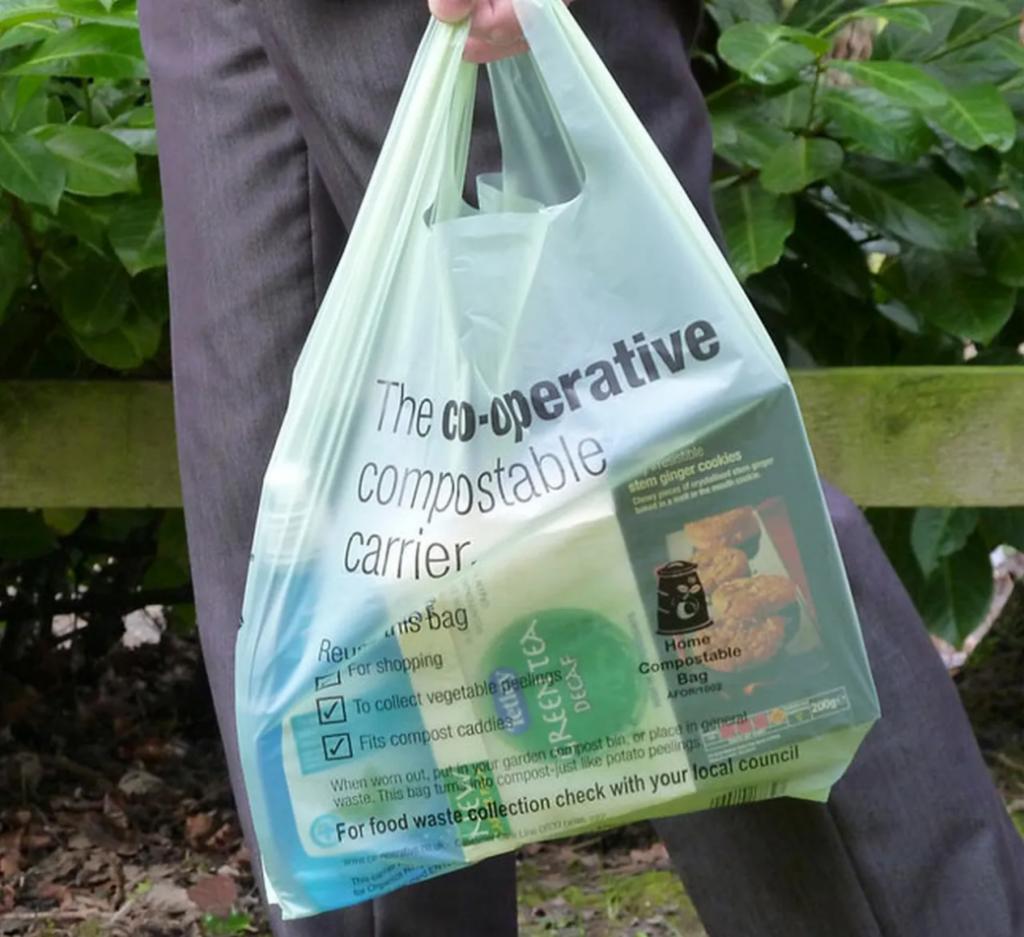
While not as durable as cloth or silicone options, paper bags can be a more sustainable choice than plastic. They are biodegradable and can be recycled, making them a better option for the environment. Many grocery stores now offer paper bags as an alternative, and they can be composted after use, further reducing their environmental impact.
How to Transition to Reusable Alternatives
Transitioning from clear plastic bags to reusable alternatives requires a few simple steps:
1. Start Small: Begin by replacing a few plastic bags with reusable ones. Gradually increase the number of reusable bags you use as you become more comfortable. This gradual approach can help ease the transition and make it feel less overwhelming.
2. Keep Them Handy: Store reusable bags in your car, purse, or backpack to ensure you always have them when shopping. By keeping them accessible, you can avoid the temptation to use single-use plastic bags when you forget your reusable ones at home.
3. Educate Others: Share your journey towards sustainability with friends and family. Encourage them to make the switch as well. By discussing the benefits of reusable bags and sharing tips on how to use them effectively, you can help create a community of environmentally conscious consumers.
4. Choose Quality: Invest in high-quality reusable bags that will last for years. Look for bags made from durable materials that can withstand regular use. Quality bags not only perform better but also provide better value over time.
5. Participate in Local Initiatives: Many communities have programs aimed at reducing plastic waste. Get involved in local clean-up efforts or support businesses that promote sustainable practices. Engaging with your community can amplify your impact and inspire others to join the movement.
Challenges and Considerations
While the benefits of switching to reusable alternatives are clear, there are challenges to consider:
– Initial Cost: The upfront cost of purchasing reusable bags can be a barrier for some individuals. However, the long-term savings and environmental benefits often outweigh this initial investment. Many consumers find that the cost of reusable bags is quickly recouped through discounts offered by retailers.
– Hygiene Concerns: Some people worry about the cleanliness of reusable bags. Regular washing and proper storage can mitigate these concerns. It’s important to establish a routine for cleaning bags, especially those used for food, to ensure they remain sanitary.
– Behavioral Change: Changing habits takes time. It may require conscious effort to remember to bring reusable bags when shopping. Setting reminders or creating a designated spot for bags can help reinforce this new habit.
Conclusion
Reducing waste with reusable alternatives to clear plastic bags is a crucial step towards a more sustainable future. By making small changes in our daily lives, we can significantly impact the environment. The transition to reusable bags not only helps reduce plastic waste but also promotes a culture of sustainability and environmental awareness. As more individuals and businesses adopt these practices, we can work together to create a cleaner, healthier planet for future generations.
How to purchase:https://looperbuy.com/search?keywords=clear+plastic+bag
Frequently Asked Questions
1. What are the best materials for reusable bags?
The best materials for reusable bags include cotton, jute, and recycled plastics. These materials are durable, eco-friendly, and can withstand regular use. Choosing bags made from sustainable materials can further enhance their environmental benefits.
2. How often should I wash my reusable bags?
It is recommended to wash reusable bags after every few uses, especially if they have been used for raw meat or produce. Regular cleaning helps maintain hygiene and prevents cross-contamination of food items.
3. Can I use reusable bags for all types of shopping?
Yes, reusable bags can be used for grocery shopping, clothing purchases, and even for carrying personal items. Different styles are available for various needs, making them versatile for any shopping occasion.
4. Are there any regulations regarding plastic bag use?
Many regions have implemented bans or fees on single-use plastic bags to encourage the use of reusable alternatives. Check local regulations for specific guidelines, as these can vary widely depending on the area.
5. How can I encourage others to use reusable bags?
You can encourage others by sharing your experiences, providing reusable bags as gifts, and participating in community initiatives that promote sustainability. Leading by example can inspire those around you to make similar choices.