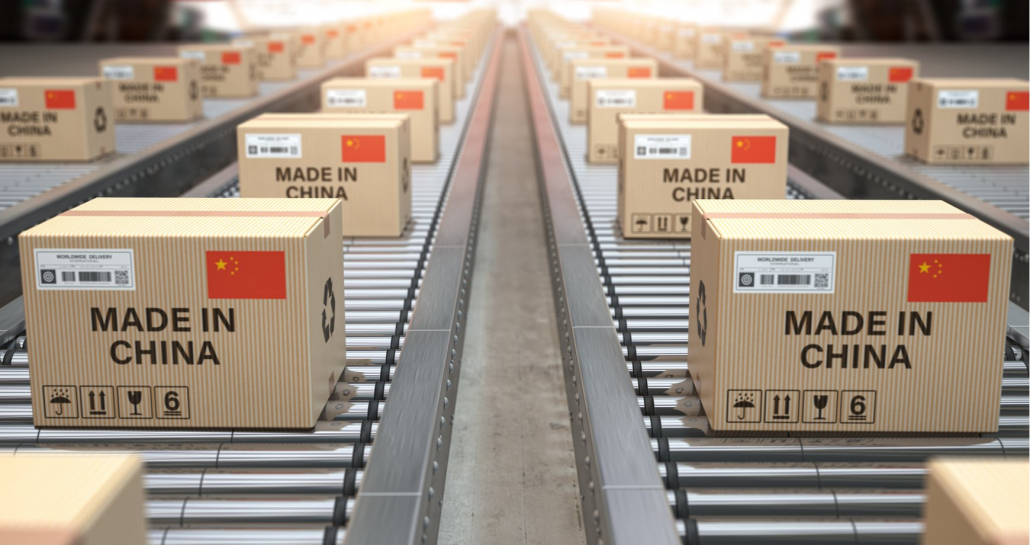
Buying goods from China has become a common practice for businesses and individuals alike, thanks to the country’s vast manufacturing capabilities and competitive pricing. However, navigating the process can be complex, especially for those new to international trade. This guide will walk you through the steps involved in purchasing goods from China, highlighting key considerations and strategies for success.
Table of Contents
Why Buy Goods from China?
China is often referred to as “the factory of the world” due to its extensive manufacturing infrastructure and skilled workforce. The benefits of sourcing products from China include:
- Low Costs: Lower labor costs and easier access to raw materials make Chinese products more affordable.
- Sophisticated Production Lines: China excels in mass-producing goods quickly and efficiently.
- Quality Products: While there is a misconception about the quality of Chinese products, many suppliers offer high-quality goods if properly vetted.
Choosing the Right Products
When deciding what products to import from China, consider the following factors:
- Demand: Ensure there is consistent demand for the product in your market.
- Profit Margins: Aim for products with potential profit margins of at least 30% to 50%.
- Reliability: Opt for products with low maintenance requirements and minimal risk of warranty issues.
- Regulatory Compliance: Ensure the products comply with local regulations and do not require special handling or storage conditions.
Finding Suppliers
Locating reliable suppliers is crucial. Here are some methods to find potential suppliers:
- Supplier Directories: Platforms like Alibaba and Global Sources offer extensive lists of suppliers. Alibaba’s “gold supplier” status can indicate trustworthiness, but it’s essential to verify this through further research.
- Wholesale Marketplaces: Sites such as DHgate provide competitively priced merchandise with low minimum order quantities (MOQs), though quality can vary.
- Trade Shows: Attending trade shows in China or Hong Kong can provide opportunities to meet suppliers directly and assess product quality.
Verifying Suppliers
Once you have a list of potential suppliers, it’s vital to verify their credibility:
- Check Certifications: Look for ISO certifications or other industry-specific standards.
- Request Samples: Inspect product samples to ensure they meet your quality standards.
- Visit Factories: If possible, visit the factory to assess production conditions and quality control processes.
Negotiating Terms
When negotiating with suppliers, consider the following:
- Incoterms: Agree on shipping terms such as EXW, FCA, or FOB to clarify responsibilities and costs.
- Payment Terms: Discuss payment methods and terms, such as Letter of Credit (L/C) or PayPal.
- Product Specifications: Ensure all details are clearly outlined in a product specification document.
Import Regulations
Importing goods from China involves complying with various regulations:
- Entry Documents: Ensure all necessary documents are filed upon entry.
- Duties and Taxes: Understand the duties and taxes applicable to your products.
- Product Restrictions: Familiarize yourself with banned or restricted products in your country.
Shipping and Logistics
Choosing the right shipping method is crucial for timely and cost-effective delivery:
- Freight Forwarders: Use a freight forwarder to handle customs clearance and transportation.
- Customs Brokers: Engage a customs broker if you’re unfamiliar with customs procedures.
- Third-Party Logistics (3PL): Consider using a 3PL for warehousing and distribution services.
Maintaining Supplier Relationships
Building strong relationships with suppliers can lead to better pricing, faster delivery times, and more flexible payment terms. Regular communication and visits to suppliers can help foster these relationships.

Common Challenges and Solutions
Quality Control Issues
- Solution: Regularly inspect products before shipment, and consider hiring a quality control inspector in China.
Communication Barriers
- Solution: Use translation services or work with suppliers who have English-speaking staff.
Payment Risks
- Solution: Use secure payment methods like Letters of Credit or escrow services.
Conclusion
Buying goods from China can be a lucrative venture if done correctly. By understanding the process, selecting the right products, finding reliable suppliers, and navigating import regulations, you can successfully import goods from China and expand your business.
If you want to do purchasing directly without registering 1688, you can use looperbuy, a one-stop purchasing-logistics solution:https://looperbuy.com/
Frequently Asked Questions
What are the benefits of buying goods from China?
The benefits include lower costs, sophisticated production lines, and the potential for high-quality products.
How do I find reliable suppliers in China?
Use supplier directories like Alibaba, attend trade shows, and verify suppliers through certifications and factory visits.
What are Incoterms, and why are they important?
Incoterms are standardized shipping terms that clarify responsibilities and costs between buyers and suppliers. They are crucial for avoiding misunderstandings and additional charges.
What are some common import regulations I should be aware of?
Regulations include filing entry documents, paying duties and taxes, and complying with product restrictions.
How can I ensure product quality when buying from China?
Inspect products before shipment, request samples, and consider hiring a quality control inspector in China.