Table of Contents
Why Solar Electric Attic Fans Are Gaining Popularity
Solar electric attic fans are becoming increasingly popular among homeowners seeking to improve energy efficiency and sustainability in their homes. These innovative devices harness solar power to provide effective attic ventilation, reducing heat buildup and moisture while lowering energy costs. This article explores the benefits, installation process, and future trends of solar electric attic fans, helping you decide if this solution is right for your home.
What Is a Solar Electric Attic Fan?
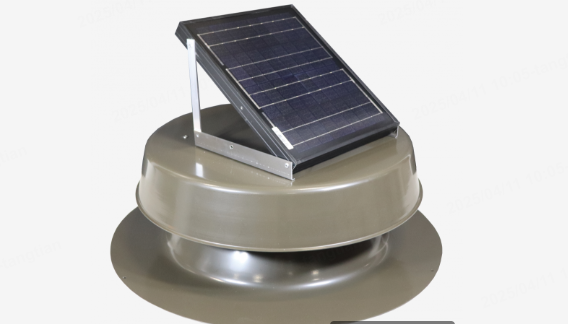
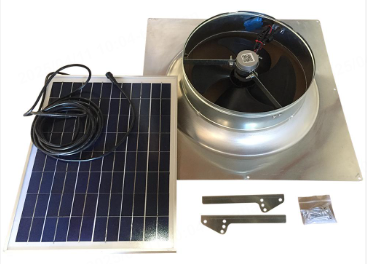
A solar electric attic fan is a ventilation device designed to cool and circulate air in attic spaces using solar energy. Typically mounted on the roof or gable, the fan consists of a solar panel, a DC motor, and a protective housing. When sunlight hits the solar panel, it generates electricity to power the motor, which drives the fan blades to create airflow. This airflow pulls hot air out of the attic and draws cooler air in through soffit vents, maintaining optimal attic temperatures.
How Solar Electric Attic Fans Work
Solar electric attic fans operate based on the principle of natural convection. Hot air rises and accumulates in the attic, creating a warm environment that can impact indoor comfort and increase cooling costs. The fan uses solar energy to power its motor, which drives the blades to create airflow. This airflow helps remove hot air from the attic while drawing in cooler air from outside, creating a continuous cycle that keeps the attic cool and well-ventilated.
Benefits of Solar Electric Attic Fans
Solar electric attic fans offer numerous advantages that make them an attractive choice for homeowners:
Energy Efficiency
By reducing heat buildup in the attic, these fans decrease the workload on air conditioning systems, leading to significant energy savings. They operate solely on solar power, eliminating the need for electricity from the grid and reducing monthly utility bills.
Moisture Control
Proper attic ventilation helps prevent moisture buildup, which can lead to mold and mildew growth. This improves indoor air quality and reduces the risk of structural damage caused by excessive humidity.
Extended Roof Life
Lower attic temperatures reduce heat stress on roofing materials, extending their lifespan. This can save homeowners thousands of dollars in roofing repairs or replacements over time.
Environmental Benefits
Solar electric attic fans contribute to a more sustainable home environment by using clean, renewable energy. They reduce reliance on grid electricity and lower carbon emissions, making them an eco-friendly choice.
Cost Savings
While the initial investment for a solar electric attic fan may be higher than traditional electric fans, the long-term savings on energy bills can offset these costs. Many homeowners report significant reductions in cooling expenses within the first year of use.
Installation Process for Solar Electric Attic Fans
Installing a solar electric attic fan is a straightforward process that can often be completed by homeowners with basic tools. Here’s a step-by-step guide to help you through the installation:
Choosing the Right Location
Select a spot on your roof between the rafters, ideally on the south side for maximum sunlight exposure. Ensure the area is free of obstructions and has proper access to soffit vents for optimal airflow.
Marking and Cutting the Opening
Use a compass to mark a circular opening on the roof shingles. Carefully cut out the marked area, avoiding damage to the rafters or underlying structure.
Preparing the Flashing
Install flashing around the opening to prevent water leaks. Ensure the flashing is properly sealed and secured to the roof.
Mounting the Fan
Place the fan unit over the opening and secure it with screws. Connect the solar panel to the fan unit and position it to face the sun directly. Test the fan to ensure it operates correctly.
Final Adjustments
Check the fan’s alignment and ensure all connections are secure. Clean the solar panel to maximize efficiency and monitor the fan’s performance over the first few days.
Maintenance and Troubleshooting
Solar electric attic fans require minimal maintenance, but regular checks ensure optimal performance:
Regular Cleaning
Clean the solar panel periodically to remove dust and debris that can reduce efficiency. Wipe the fan blades and housing to maintain proper airflow.
Checking for Blockages
Ensure vents and soffit openings are clear of debris to allow proper airflow. Remove any obstructions that may hinder the fan’s performance.
Troubleshooting Common Issues
- Reduced airflow: Clean blades and vents, and check for obstructions.
- Strange noises: Tighten loose components or lubricate bearings.
- Inconsistent performance: Clean the solar panel and verify proper sun exposure.
Comparing Solar Electric Attic Fans to Other Options
When evaluating attic ventilation solutions, it’s essential to compare solar electric attic fans with traditional electric fans and hybrid models:
Solar vs. Electric Attic Fans
Solar fans operate on free solar energy, eliminating monthly electricity costs and reducing carbon emissions. However, they depend on daylight hours for operation and may be less effective during cloudy weather. Electric fans offer consistent performance regardless of weather conditions but require electricity and incur ongoing operational costs.
Solar vs. Hybrid Attic Fans
Hybrid fans combine solar and electric power, providing reliable ventilation even during cloudy days or nighttime. While they offer the benefits of both solar and electric operation, they typically have higher upfront costs and require more complex installation.
Future Trends in Solar Electric Attic Fans
As technology advances, solar electric attic fans are likely to become even more efficient and affordable. Future innovations may include:
Enhanced Solar Panel Efficiency
Improved solar panel technology will allow fans to generate more power with less sunlight, making them effective even in regions with limited sun exposure.
Smart Integration
Future models may incorporate smart features like app control, allowing homeowners to monitor and adjust fan settings remotely. These fans could also integrate with home automation systems for seamless operation.
Sustainable Materials
Manufacturers are increasingly focusing on using eco-friendly materials and energy-efficient designs to reduce the environmental impact of these devices.
Conclusion
Solar electric attic fans offer a compelling solution for homeowners seeking to enhance energy efficiency, reduce cooling costs, and improve indoor air quality. By harnessing solar power, these fans provide a sustainable and cost-effective way to maintain optimal attic temperatures while extending the lifespan of roofing materials. As technology continues to evolve, solar electric attic fans are poised to become even more integral to modern home design.
How to Purchase:https://looperbuy.com/search?keywords=solar+electric+attic+fan
Solar Electric Attic Fan: Frequently Asked Questions
Q: How do solar electric attic fans work at night?
A: Some models come with an AC/DC inverter, allowing them to switch to AC power when sunlight is not available.
Q: What are the benefits of using solar electric attic fans?
A: They reduce energy costs, prevent moisture buildup, extend roof life, and operate sustainably.
Q: How are solar electric attic fans installed?
A: Installation involves locating the site, marking and cutting an opening, preparing flashing, and mounting the fan securely.
Q: Do solar electric attic fans require maintenance?
A: They require minimal maintenance, such as cleaning the solar panel and checking for blockages.
Q: How do solar electric attic fans compare to electric models?
A: Solar fans eliminate electricity costs and reduce carbon emissions but depend on sunlight. Electric fans offer consistent performance but incur ongoing operational costs