In today’s digital age, our phones are essential companions. However, when it comes to keeping them powered up, the variety of phone chargers available can be overwhelming. This article delves into the different types of phone chargers, providing you with valuable insights to make informed decisions.
Table of Contents
Understanding the Basics of Phone Chargers
Phone chargers serve the fundamental purpose of replenishing your phone’s battery. They convert electrical energy from a power source, such as a wall outlet or USB port, into a form suitable for charging your phone’s battery. The effectiveness and convenience of charging largely depend on the type of charger you use.
Types of Phone Chargers
Wired Chargers
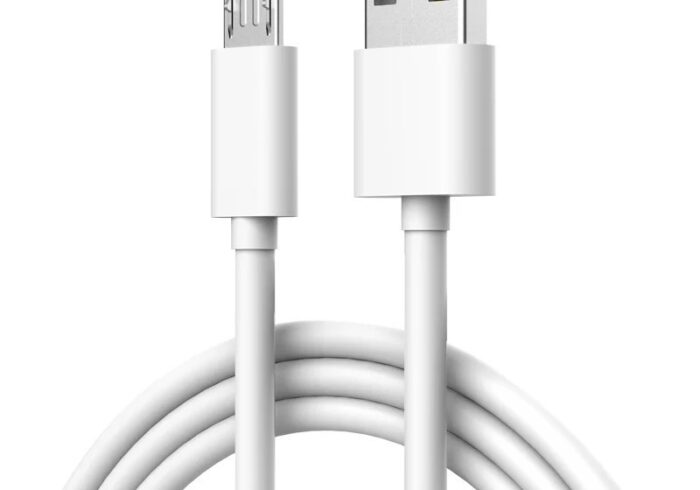
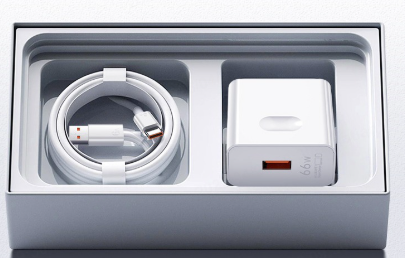
Wired chargers are the most common and traditional type. They typically consist of a cable connected to a power adapter. The cable end plugs into your phone’s charging port, while the other end connects to a power source.
USB-A Chargers
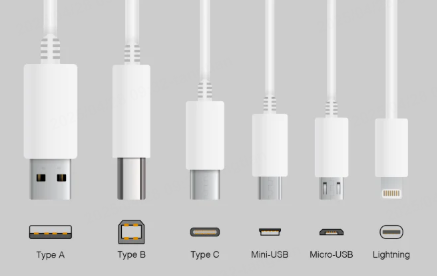
USB-A connectors are widely used and compatible with numerous devices. They offer reliable charging speeds and are found in many households and offices. Most standard smartphone chargers utilize USB-A technology.
USB-C Chargers
USB-C is a more modern and advanced option. It offers faster charging speeds and can support higher power outputs. USB-C cables are also reversible, making them easier to plug in. Many newer smartphones are adopting USB-C ports due to its advantages.
Wireless Chargers
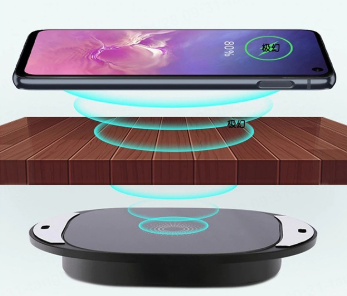
Wireless charging technology has gained popularity in recent years. It eliminates the need for cables, providing a convenient charging experience.
Inductive Charging Pads
These chargers use electromagnetic induction to transfer power from the charger to your phone. Simply place your phone on the charging pad, and it starts charging automatically. They are ideal for placing on desks or nightstands for easy access.
Resonant Wireless Chargers
Resonant wireless charging allows for a slightly longer distance between the charger and the phone. This means you can charge your phone even if it’s not directly placed on the charger. Some furniture with built – in wireless charging capabilities utilizes this technology.
Vehicle Chargers
For charging on the go, vehicle chargers are essential. They plug into your car’s cigarette lighter socket or USB port.
Dual USB Car Chargers
Dual USB car chargers provide two charging ports, enabling you to charge multiple devices simultaneously during your journey. This is particularly useful for families or business trips where multiple phones are in use.
Fast – Charging Car Chargers
Fast – charging car chargers deliver higher power outputs to charge your phone more quickly. They are especially beneficial for those with limited time to charge their phones while traveling.
Portable Chargers
Portable chargers, also known as power banks, offer the flexibility of charging your phone when you’re away from power sources.
Lithium – Polymer Power Banks
Lithium – polymer power banks are lightweight and have a higher energy density. They can be easily carried in your pocket or bag and provide several charges for your phone. Their compact size makes them suitable for daily commutes or short trips.
High – Capacity Power Banks
High – capacity power banks offer a larger amount of stored power, capable of charging your phone multiple times. However, they are usually bulkier and heavier. These are ideal for extended trips or situations where access to power outlets is limited.
Factors to Consider When Choosing a Phone Charger
Compatibility
Ensure the charger is compatible with your phone’s model and charging port. Using an incompatible charger may damage your phone or result in slow charging.
Charging Speed
If you need to quickly charge your phone, opt for fast – charging options like USB-C or certain vehicle chargers. However, be aware that fast charging may generate more heat, so it’s important to use reputable brands to ensure safety.
Portability
Consider how often you’ll be using the charger on the go. If you frequently travel, a portable charger or a compact vehicle charger would be more convenient.
Price
Phone chargers come in various price ranges. While budget options are available, investing in a quality charger from a trusted brand can provide better performance and longevity.
Q: Related Questions and Answers
Q1: Can I use any phone charger with my device? A1: It’s not advisable to use just any charger. Ensure the charger’s voltage and current match your phone’s requirements. Using incompatible chargers may damage your phone’s battery or charging port.
Q2: Are wireless chargers slower than wired chargers? A2: Generally, wireless chargers may be slightly slower than wired ones. However, some newer wireless chargers support fast – charging technologies, bridging the gap between the two.
Q3: How can I prolong the life of my phone’s battery? A3: Avoid extreme temperatures, both hot and cold. Don’t keep your phone charging overnight once it’s fully charged. Also, using original or certified chargers can help maintain battery health.
Q4: Is it safe to use third – party chargers? A4: Some third – party chargers are safe if they meet the necessary safety certifications. However, there are also counterfeit or low – quality third – party chargers on the market that may pose safety risks. Always research and purchase from reputable sources.
Q5: How do I choose the right portable charger? A5: Consider your power needs based on your travel duration and phone usage. Determine the capacity you need and look for features like built – in cables or multiple output ports for added convenience.
Conclusion
Understanding the different phone charger types empowers you to select the most suitable option for your needs. Whether you prioritize convenience, speed, portability, or cost – effectiveness, there’s a charger type that can meet your requirements. By considering factors like compatibility and safety, you can ensure a positive charging experience and prolong your phone’s battery life.
How to Purchase:https://looperbuy.com/search?keywords=phone+charger+types