Table of Contents
The Fascinating World of Wood Carving
Wood carving is a captivating art form that has been practiced for centuries across various cultures. It allows artisans to transform simple pieces of wood into intricate and beautiful designs, creating masterpieces that stand the test of time. Whether you’re a beginner looking to explore this ancient craft or an experienced carver seeking to enhance your skills, having the right tools is essential for achieving stunning results.
Essential Wood Carving Tools
Carving Knives
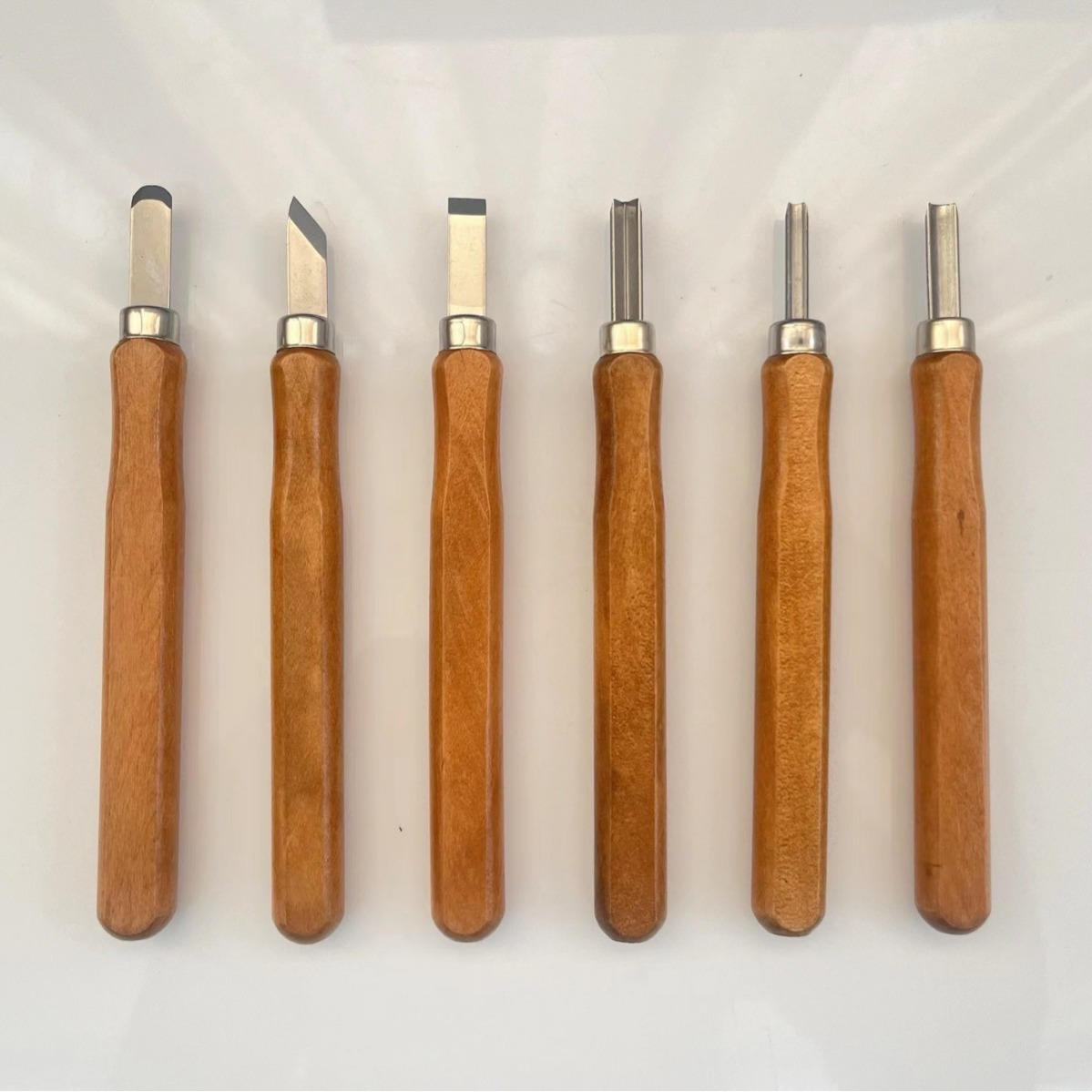
Carving knives are among the most basic yet versatile tools in wood carving. They offer precision for intricate details and fine finishing. A straight carving knife is used for general purposes, while a detail knife is perfect for delicate work. When choosing carving knives, look for those with ergonomic handles that provide a better grip and control. These knives are ideal for whittling small figures, crafting wooden utensils, or creating intricate designs.
Chisels and Gouges
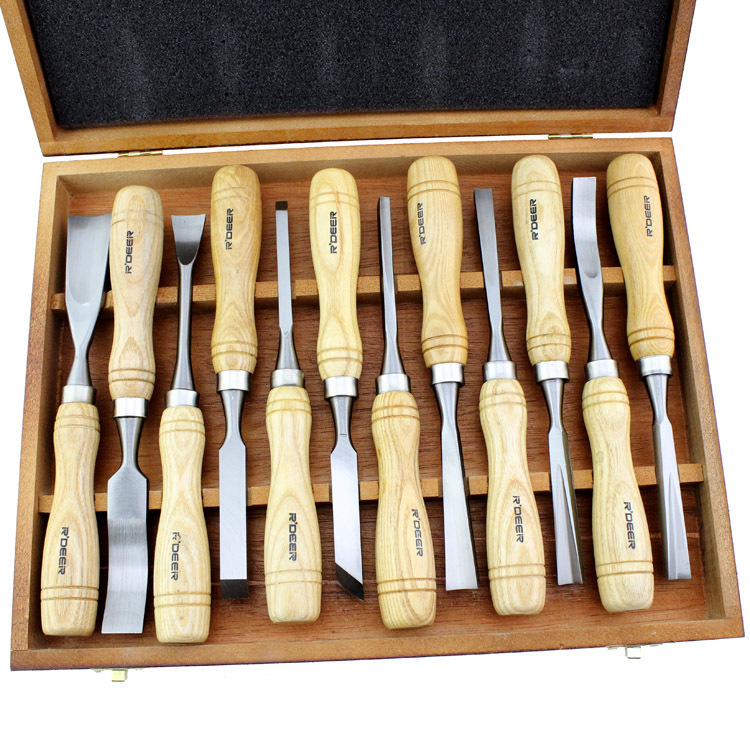
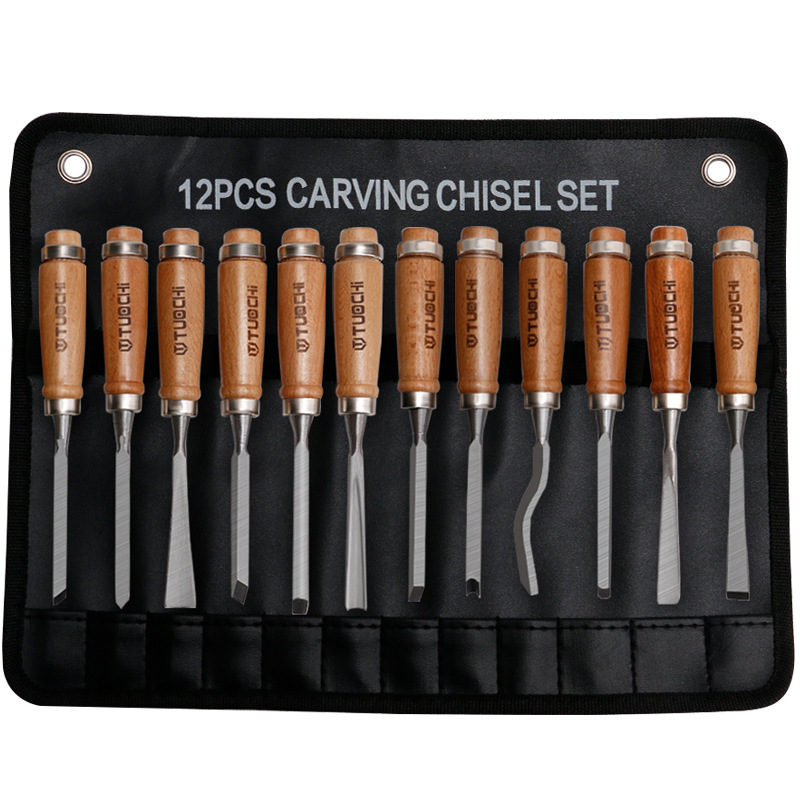
Chisels and gouges are the workhorses of wood carving. Chisels are used to shape larger areas, while gouges create curves and hollows. High-carbon steel chisels are recommended for their durability and sharpness. Common types of chisels include bench chisels for straight cuts, skew chisels for angled work, and spoon gouges for rounded shapes. These tools are essential for removing wood quickly and creating the basic forms in relief carving, sculptural carving, and other styles.
Sharpening Tools
Keeping your carving tools sharp is crucial for achieving clean cuts and ensuring safety. Sharpening stones or honing guides are commonly used to maintain the edge quality of knives and chisels. A bench grinder can also help achieve consistent sharpness for heavier tools. Regular sharpening not only improves the performance of your tools but also reduces the risk of accidents caused by dull blades.
Advanced Wood Carving Tools
Detail Carving Knives
Detail carving knives feature ultra-sharp blades and ergonomic handles, making them perfect for carving intricate details with precision. They are ideal for creating delicate floral patterns, intricate filigree designs, and other complex elements in advanced projects.
Veiners and U-Gouges
Veiners and U-gouges are indispensable for adding depth and texture to your carvings. Their curved or U-shaped edges allow you to create deep undercuts and three-dimensional effects, enhancing the intricacy and visual appeal of your work.
Micro Chisels
When working on miniature or highly detailed carvings, micro chisels are the tools to use. Their ultra-fine tips and slender profiles enable you to carve the tiniest details with exceptional accuracy and finesse, bringing your intricate designs to life.
Power Carving Tools
Power carving tools such as rotary tools and electric chisels offer speed and efficiency in wood removal. They are particularly useful for large or complex projects that require precision and intricacy. These tools provide versatility and control, allowing you to explore innovative carving techniques and complete projects in less time.
Burners and Pyrography Tools
Burners and pyrography tools allow you to add depth and character to your carvings through the art of wood burning. You can create intricate patterns, shading, and detailing by applying heat to the wood. This opens up a new dimension of artistic possibilities, enabling you to enhance your carvings with unique textures and designs.
Choosing the Right Tools for Your Carving Style
Relief Carving
Relief carving involves sculpting images that project from a flat background. To achieve this, you’ll need gouges and chisels of various shapes and sizes. Flat chisels are used for leveling the surface, while curved gouges allow for shaping and creating contours. This technique is perfect for creating decorative panels and intricate wall art.
Chip Carving
Chip carving focuses on removing small chips from a flat surface to create patterns and designs. Detail knives and V-tools are the primary tools for this style. Detail knives are used for making precise cuts and outlining designs, while V-tools create angular and decorative patterns by removing triangular chips from the wood. This technique is ideal for embellishing furniture, boxes, and other functional items.
Whittling
Whittling is the art of carving shapes and figures from small pieces of wood. All you need is a simple whittling knife for precise cuts. This method is accessible for beginners and allows for creativity in detailed, handheld projects like crafting wooden utensils, toys, and decorative items. Whittling kits are a great starting point for those new to this technique.
Sculptural Carving
Sculptural carving requires a combination of tools, including gouges, chisels, and specialty carving tools. Gouges with different sweeps and profiles allow for shaping and creating smooth curves, while specialty tools like mallets and rifflers help in removing larger sections of wood and refining intricate details. This style allows you to create three-dimensional sculptures and expressive figurines.
Wood Selection for Carving
Choosing the right wood is crucial for successful wood carving. Softwoods like basswood, white pine, and butternut are ideal for beginners due to their ease of carving and ability to hold detail. Hardwoods like oak and maple offer finer detail but require more skill and effort. When starting out, ensure the wood is dry and free from knots to simplify the carving process. In 2024, there’s a growing interest in sustainable and locally sourced woods, which add a unique regional touch to your work.
Basic Wood Carving Techniques for Beginners
Push Cut and Pull Cut
The push cut involves holding the knife firmly and pushing the blade forward into the wood, which is great for removing large amounts of wood quickly. The pull cut, on the other hand, involves pulling the blade towards you, offering more control and precision for refining shapes and adding details.
Slice Cut
For rounded objects like spoons, the slice cut is particularly useful. Instead of pushing or pulling straight, you slice the blade through the wood at an angle, creating smooth, curved surfaces.
Carving with the Grain
When using gouges, always carve with the grain of the wood. This ensures smoother cuts and reduces the risk of tearing the wood fibers. It’s similar to petting a cat – go with the fur, not against it.
Advanced Techniques and Tips
Incorporating Texture and Depth
Texture and depth play vital roles in enhancing the visual appeal of your carvings. By using different types of carving tools, such as gouges with varying profiles and sweeps, you can achieve different textures and surface effects. Incised lines made with specialized tools like veiners or liners can add detail and visual interest. Creating a recessed background can also add depth and dimension to your designs.
Utilizing Chip Carving Patterns
Chip carving patterns serve as valuable resources for wood carvers, providing inspiration and guidance for creating intricate designs. These patterns often feature geometric shapes, interlocking motifs, and traditional folk art elements. You can adapt and modify these patterns to suit your creative vision, allowing you to add complexity and visual interest to your carvings.
Conclusion
Wood carving is a timeless art form that offers endless possibilities for creativity and self-expression. With the right tools and techniques, you can transform ordinary pieces of wood into extraordinary works of art. From basic carving knives and chisels to advanced power tools and specialized techniques, there’s a wide range of options to suit every level of expertise. Whether you’re a beginner or an experienced carver, exploring the world of wood carving will allow you to develop your skills and create beautiful, unique pieces that reflect your artistic vision.
How to Purchase:https://looperbuy.com/search?keywords=wood+carving+tools
Related Questions and Answers
Q: What are the most essential tools for wood carving?
A: The most essential tools for wood carving include carving knives, chisels, gouges, and sharpening tools. Carving knives offer precision for intricate details and fine finishing, while chisels and gouges are used for shaping larger areas and creating curves and hollows. Sharpening tools ensure your blades stay sharp for clean cuts and safe operation.
Q: How can I choose the right wood for carving?
A: When choosing wood for carving, consider your skill level and the type of project you’re undertaking. Softwoods like basswood, white pine, and butternut are ideal for beginners due to their ease of carving and ability to hold detail. Hardwoods like oak and maple are better suited for advanced carvers who can handle the increased difficulty. Ensure the wood is dry and free from knots when starting out. In 2024, sustainable and locally sourced woods are also gaining popularity.
Q: What are the main differences between relief carving and chip carving?
A: Relief carving involves sculpting images that project from a flat background, requiring gouges and chisels of various shapes and sizes to create depth and intricate details. Chip carving, on the other hand, focuses on removing small chips from a flat surface to create patterns and designs. It primarily uses detail knives and V-tools. Relief carving is often used for decorative panels and wall art, while chip carving is ideal for embellishing furniture and functional items.
Q: How can I enhance the texture and depth in my carvings?
A: To enhance texture and depth in your carvings, use different types of carving tools such as gouges with varying profiles and sweeps. Create incised lines with specialized tools like veiners or liners to add detail and visual interest. You can also create a recessed background to make your design stand out and add depth. Applying finishes like stains or paints can further accentuate details and emphasize the natural beauty of the wood grain.
Q: What safety precautions should I take when using wood carving tools?
A: Safety is paramount when using wood carving tools. Always use sharp tools, as dull tools are more likely to slip and cause accidents. Wear appropriate personal protective equipment (PPE), such as eye protection and respiratory protection, especially when working with power tools. Organize your workspace for efficiency and safety, and store tools properly when not in use. Follow proper carving techniques and be mindful of your hand placement to avoid injuries.
Hot Tags:Wood Carving Tools; Detail Knives; Veiners; U-Gouges; Micro Chisels; Power Carving Tools; Burners; Sustainable Woods; Carving Patterns; Finishing Techniques