Table of Contents
Introduction
Metal sculpture wall art has long been a captivating form of artistic expression. Whether it’s a minimalist geometric design or a complex figurative sculpture, metal wall art adds depth, texture, and visual interest to any space. In this article, we will delve into the world of metal sculpture wall art, exploring its latest trends, techniques, and how to choose the perfect piece for your home or office.
Trends in Metal Sculpture Wall Art
Minimalist Geometric Designs
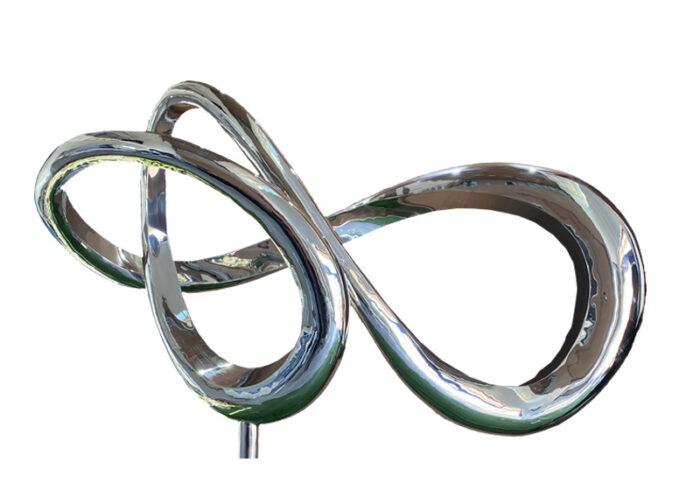
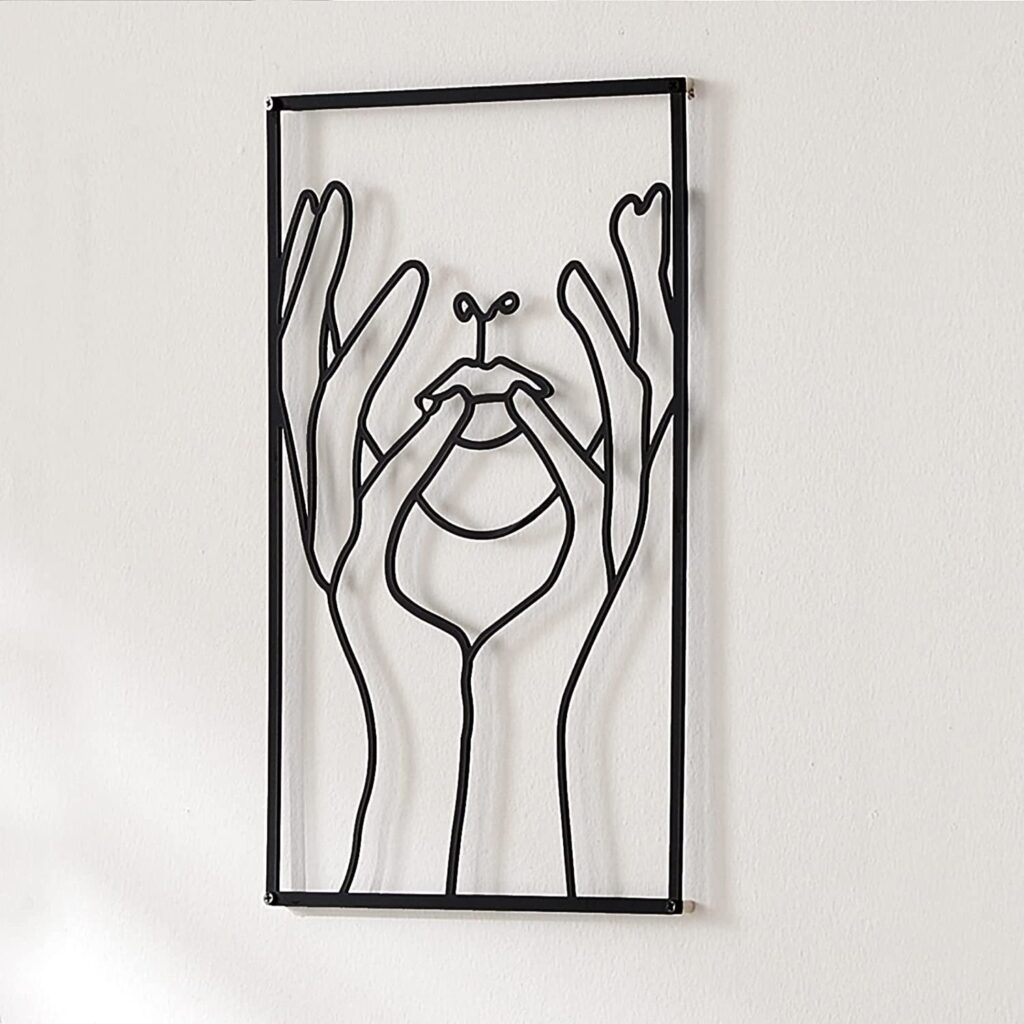
Minimalist geometric metal wall art is characterized by clean lines and simple shapes, creating a sense of order and calm in a space. This trend is ideal for modern and contemporary interiors. Artists use precise cutting techniques to form geometric patterns, which are then finished with metallic coatings like silver or copper, adding a touch of luxury and serving as a focal point in a room. The reflective surfaces of geometric metal sculptures enhance the sense of space and depth in a room.
Nature-Inspired Themes
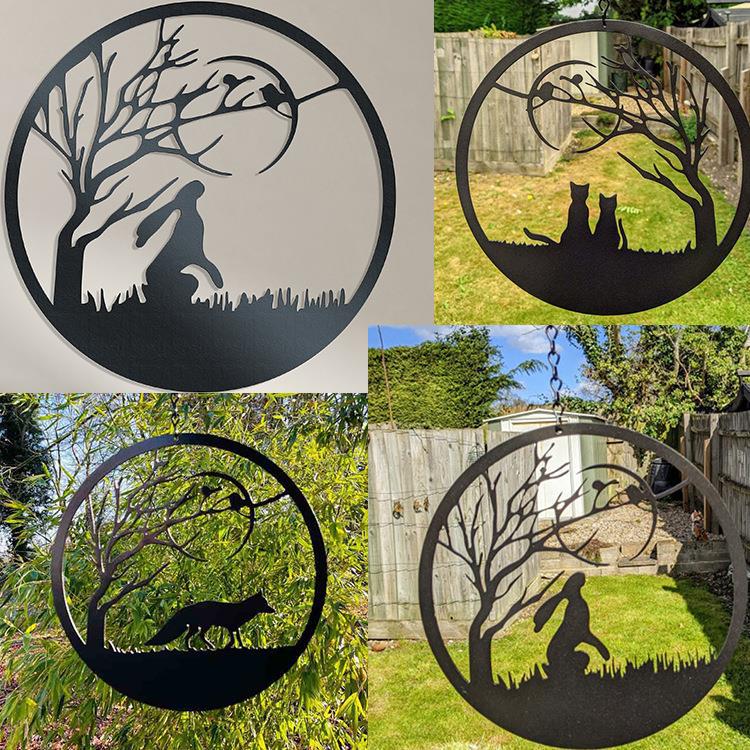
Nature-inspired metal wall art captures the essence of nature through intricate designs that evoke feelings of tranquility and connection to the earth. This trend goes beyond mere representations of flora and fauna, extending to abstract depictions of trees, leaves, animals, and landscapes. The use of organic shapes combined with earthy tones and patinas creates art that feels both timeless and modern. Outdoor metal wall art is particularly popular, designed to withstand the elements while adding elegance to gardens, patios, and outdoor living spaces.
Mixed Media Combinations
In 2024, one of the most exciting trends in metal wall art is the use of mixed media. Artists and designers are experimenting with combining metal with other materials such as wood, glass, and fabric to create multidimensional pieces with depth and texture. For instance, a metal word wall art piece might feature wooden accents to add warmth to the cold, industrial feel of the metal. Glass elements can also be incorporated to reflect light and create a sense of movement. Mixed media combinations not only break the boundaries of traditional metal wall art but also offer new possibilities for personalization, allowing for custom pieces tailored to individual tastes and preferences.
Maximalist Wall Art
Maximalist metal wall art is making a comeback in 2025, contrasting minimalism with the idea of “more is more.” It features a wide range of textures, bold colors, and exact patterns, creating a rich and artistic visual experience. This trend is especially prevalent in cozy cafes and bars, reminiscent of the 1970s aesthetic. Maximalist art isn’t merely about size; it’s about creating a visually dynamic and impactful focal point.
Cozy Cafes and Bars
In 2025, the trend of maximalist metal wall art is gaining popularity in cozy cafes and bars, harking back to the 1970s aesthetic. This trend emphasizes a rich and artistic visual experience, contrasting with minimalism by advocating for “more is more.” Maximalist art is characterized by a variety of textures, bold colors, and precise patterns, creating a striking focal point.
Sustainable and Eco-Responsible
Sustainable and eco-responsible metal wall art is a key trend in 2025. Artists are increasingly using recycled metals to create stunning pieces, reducing the environmental impact of art production while adding unique character to each work. Recycled metal wall art often features distinct textures and colors that tell their own stories, making each piece one-of-a-kind. This trend also influences how metal wall art is produced and purchased, with consumers becoming more discerning and seeking out artists and companies that prioritize ethical practices and environmentally friendly materials.
Textured and Hammered Metal
Textured and hammered metal wall art adds a unique tactile and artisanal touch. Hammered surfaces create intricate patterns, offering depth and character to the metal. Pieces like the Shantou Botanical Elements Metal Wall Art Panel feature a three-dimensional quality that invites viewers to touch and experience the art. This technique provides an artisanal charm that cannot be replicated by machine production.
Laser-Cut Metal Decor
Laser-cut metal decor is known for its intricate and detailed designs, adding elegance and sophistication to any room. Using lasers to precisely cut out patterns, this technique is ideal for creating highly detailed metal decorations. Laser-cut metal decor offers endless design possibilities, such as the Lustrous Metallica Metal Art Wall Decoration, perfect for adding a modern and unique touch to a space.
Minimalist Metal Wall Hangings
Minimalist metal wall hangings are characterized by sleek, uncluttered designs, muted tones, and bare walls. These pieces feature smooth lines, geometric shapes, and abstract designs that blend seamlessly with minimalist spaces. Minimalist designs aim to present ideas and concepts in a subtle yet beautiful way, offering a subdued yet impactful visual aesthetic.
Word Art and Typography
Metal word art and typography are perfect for adding shine and inspiration to a space. From uplifting messages to personal mottos, metal word art can be customized or chosen from a variety of inspiring options. The versatility of metal word art and typography is boundless. You can display your favorite quotes, lyrics, or words that reflect your personal journey.
Coastal and Nautical Themes
Coastal and nautical-inspired metal wall art channels a sense of rustic, rugged coastal living. Metal is versatile and can be shaped into various forms, making it an excellent medium for capturing the look and feel of marine life. Consider incorporating fish or whale designs in cool steel tones or adding brighter colors and nautical accents like ropes, buoys, and ship wheels for an enhanced look.
Rustic Metal Wall Art
Rustic metal wall art exudes an old-school, farmhouse charm. Its aged appearance adds personality and warmth, embracing flaws as part of its appeal. Common themes include horses, deer, and nature-inspired settings like trees or barns.
Statement-Making Metal Wall Sculptures
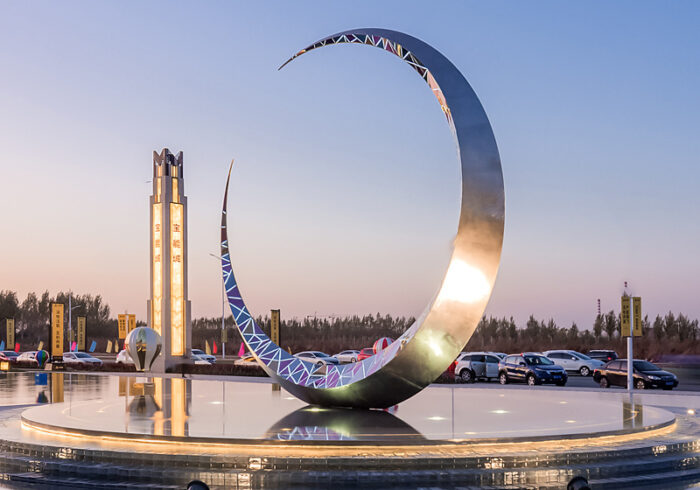
Large-scale metal wall sculptures are ideal for making a bold statement. These sculptural works immediately capture attention and often serve as the centerpiece of a room. Whether it’s a cascading metal sculpture or a textured metal piece, these eye-catching artworks bring flair to any space.
Ceramic-Touched Metal Wall Art
A recent innovative trend combines the durability of metal with delicate ceramic accents. This fusion blends the strength and shine of metal with the patterns and textures found in natural elements. Ceramic-accented metal wall decor brings refinement and grace to any room, balancing the strength of metal with the fragility of ceramics.
Fusion of Materials
The trend of incorporating different materials into metal wall decor is on the rise. Pairing metals with natural elements like wood or glass creates a play of textures and a captivating focal point.
Shimmering Metallic Finishes
Gleaming silver, brushed copper, and other metallic finishes remain popular in metal wall decor. These finishes add sophistication and refinement to walls while interacting with light in a space. Choose a finish that complements your room’s theme.
Multi-Layered Metal Art
Layered metal art is gaining traction as it adds dimension and complexity to walls. This artistic approach involves overlaying metal pieces or integrating layers within a single artwork, creating a striking visual impact.
Personalization
Advancements in technology have made metal customization more accessible and sought after. Many companies offer custom options, allowing you to design exclusive metal wall decorations tailored to your space’s size and style preferences. Having a limited-edition installation as your centerpiece is incredibly cool.
Metal Sculpture Techniques
Welding Techniques
Welding is a fundamental technique in metal sculpture, allowing artists to join metal pieces by applying heat, pressure, or both. TIG welding is suitable for thin metals and offers high precision, while MIG welding is cost-effective and ideal for thicker metals. Arc welding is simple and versatile, fitting for various metals. For example, constructing a large metal angel sculpture often involves welding different sizes of steel rods to create a stable framework. When welding, wearing proper safety gear is crucial due to the intense heat and bright light involved.
Casting Methods
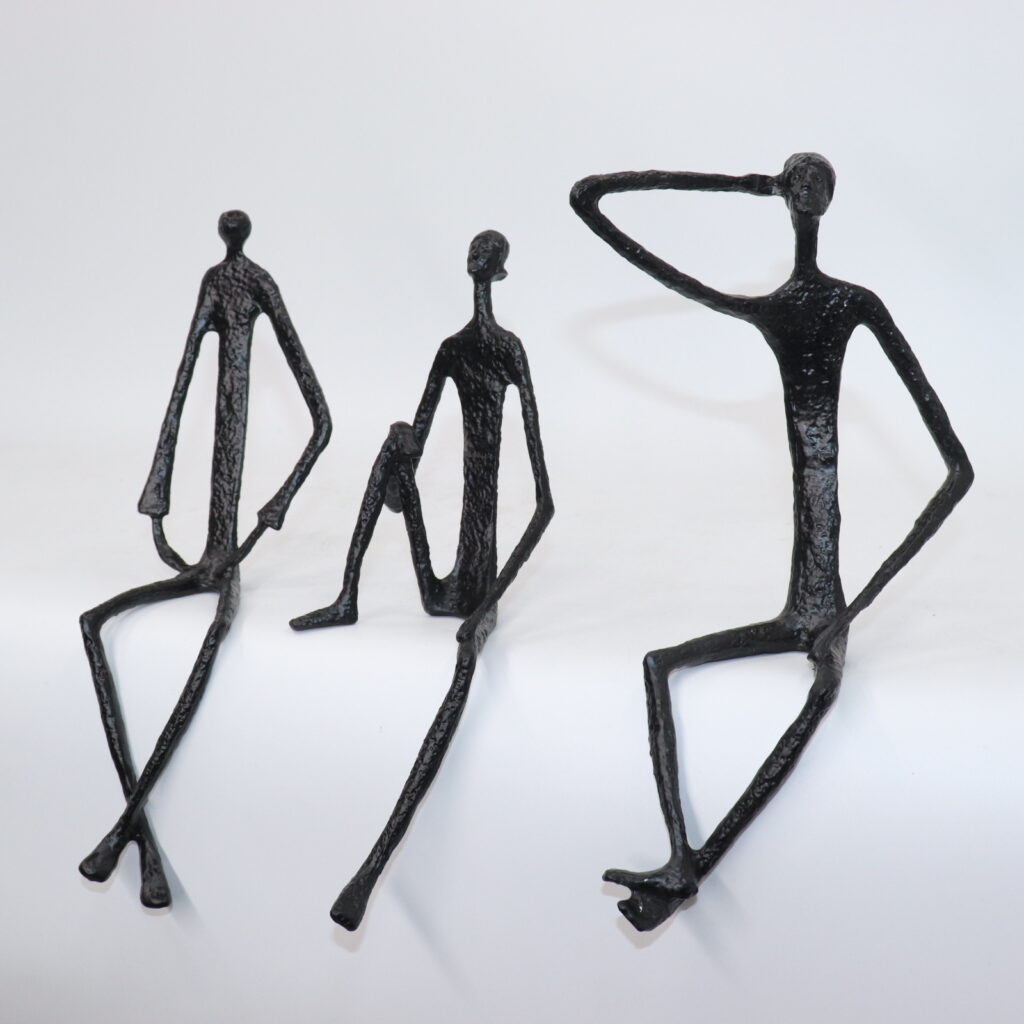
Casting involves shaping metal by pouring it into a mold where it solidifies. Lost-wax casting is an ancient technique ideal for bronze statues, offering fine detail. Sand casting is used for larger sculptures with sand molds. Casting enables the creation of complex shapes, reproduces intricate details, and ensures material consistency.
Forging Techniques
Forging involves shaping metal by hammering or pressing after heating it to a pliable temperature. Open die forging compresses heated metal between two dies that do not fully enclose the material, allowing for larger shapes. Closed die forging, also known as impression die forging, forces metal into a detailed, enclosed mold. Forging creates strong and durable pieces, improves structural integrity, and allows for custom shaping. Forging has been used for centuries, with techniques evolving significantly over time.
Fabrication Techniques
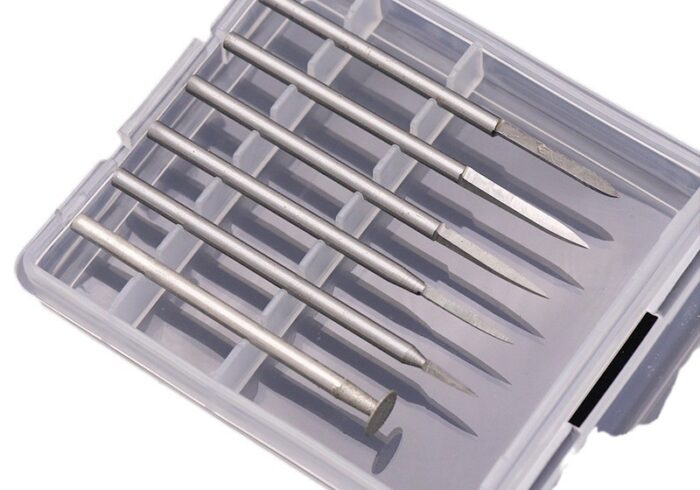
Fabrication is a modern approach involving cutting, bending, and assembling metal into shapes. Artists use industrial tools like plasma cutters and CNC machines to achieve precise cuts and unique designs. This technique opens up endless possibilities for contemporary metal sculptures and metal art installations, from incorporating found objects to creating interactive pieces.
How to Choose Metal Sculpture Wall Art
Consider the Style and Theme
Metal sculpture wall art comes in various styles and themes, from minimalist geometric designs to nature-inspired themes, maximalist art, and nautical motifs. Choose a style that aligns with your interior design and personal taste. For instance, if you prefer a modern and sleek look, minimalist geometric designs or laser-cut metal decor would be suitable; if you lean toward a rustic, cozy vibe, rustic metal wall art or nature-inspired themes would be a better fit.
Assess the Quality and Material
High-quality metal sculpture wall art is made from durable materials like stainless steel, aluminum, bronze, or copper. These metals are resistant to rust, corrosion, and other environmental factors, ensuring the artwork’s longevity. When selecting metal wall art, check the material’s thickness, surface finish, and craftsmanship to ensure it meets your quality expectations. Recycled metal wall art is also a sustainable option worth considering.
Determine the Size and Placement
Consider the size of the metal sculpture wall art and its placement in your space. Large-scale sculptures can serve as focal points in spacious rooms or open areas, while smaller pieces are better suited for narrow hallways or smaller walls. Ensure the artwork’s size is proportional to the wall and surrounding furniture to avoid overwhelming or underwhelming the space.
Think About the Color and Finish
The color and finish of metal sculpture wall art significantly impact its visual effect. Common finishes include polished chrome, brushed nickel, antique brass, and weathered copper. Choose a finish that complements your room’s color scheme and lighting conditions. For example, a polished chrome finish can add a modern and sleek touch, while an antique brass finish can bring warmth and a vintage feel.
Set a Budget
Metal sculpture wall art prices vary widely depending on the material, size, craftsmanship, and brand. Set a budget based on your financial situation and the artwork’s value to you. While it’s possible to find affordable metal wall art, investing in high-quality pieces ensures long-term satisfaction and enjoyment.
Customizing Metal Wall Art
Custom Designs
Many metal wall art manufacturers and artists offer customization services, allowing you to create unique artwork tailored to your preferences. You can specify the design, size, color, and finish to ensure the piece perfectly matches your space and style. Custom metal wall art makes for a one-of-a-kind focal point in your home or office.
Personalized Engravings
Personalized engravings are another way to customize metal wall art. You can have meaningful text, dates, or initials engraved onto the artwork, adding a personal touch. This makes metal wall art an ideal gift for loved ones or a meaningful keepsake for yourself.
Collaborating with Artists
If you have a specific vision for your metal wall art, consider collaborating with artists. By working directly with artists, you can discuss your ideas, concepts, and expectations to create a truly unique piece. Artists can leverage their expertise and creativity to bring your vision to life.
Caring for Metal Sculpture Wall Art
Regular Cleaning
To maintain the appearance of metal sculpture wall art, clean it regularly with a soft, dry cloth or slightly damp cloth to remove dust and dirt. Avoid using abrasive cleaning agents or harsh chemicals, as they may damage the surface of the artwork.
Preventing Rust and Corrosion
If your metal wall art is placed outdoors or in a humid environment, take measures to prevent rust and corrosion. Apply a protective coating or wax to the surface of the artwork periodically to create a barrier against moisture and harmful substances. For metal wall art that has already rusted, promptly remove the rust using appropriate methods and restore its appearance.
Handling with Care
Handle metal sculpture wall art with care during installation, relocation, or cleaning. Avoid excessive force or improper handling to prevent scratches, dents, or other damage to the artwork. If the artwork features sharp edges or delicate components, exercise extra caution to ensure safety.
Professional Maintenance
For valuable or complex metal sculpture wall art, consider hiring professional art maintenance services. Professionals have the expertise and tools to clean, repair, and maintain artworks, ensuring their long-term preservation and display quality.
Conclusion
Metal sculpture wall art is a captivating and versatile form of artistic expression that can enhance any space with its unique charm. From minimalist geometric designs to nature-inspired themes and mixed media combinations, the diverse styles and techniques of metal wall art cater to various interior design needs and personal preferences. When selecting metal sculpture wall art, consider factors such as style, quality, size, color, and budget to find the perfect piece for your space. Additionally, customizing metal wall art and caring for it properly can help you create a unique artistic focal point that reflects your style and personality while ensuring its lasting beauty.
How to Purchase:https://looperbuy.com/search?keywords=metal+sculpture+wall+art
Related Questions and Answers
Q: How can I clean metal sculpture wall art?
A: Regularly clean metal sculpture wall art with a soft, dry cloth or slightly damp cloth to remove dust and dirt. Avoid using abrasive cleaning agents or harsh chemicals. For outdoor or humid environments, apply a protective coating or wax periodically to prevent rust and corrosion. If the artwork has already rusted, remove the rust promptly and restore its appearance.
Q: Can I customize metal sculpture wall art?
A: Yes, many metal wall art manufacturers and artists offer customization services. You can specify the design, size, color, and finish to create a unique piece tailored to your preferences. Additionally, you can collaborate with artists to bring your vision to life.
Q: How do I choose the right size of metal sculpture wall art?
A: Consider the size of the wall and surrounding furniture to ensure the artwork is proportional to the space. Large-scale sculptures can serve as focal points in spacious rooms or open areas, while smaller pieces are better suited for narrow hallways or smaller walls. Avoid artwork that is too large or too small for the space.
Q: What materials are commonly used for metal sculpture wall art?
A: Common materials for metal sculpture wall art include stainless steel, aluminum, bronze, copper, iron, and recycled metals. Each material has unique characteristics and visual effects. Stainless steel offers a modern and sleek look; aluminum is lightweight and corrosion-resistant; bronze and copper provide a warm and rich appearance; iron exudes a rustic and sturdy feel; and recycled metals are environmentally friendly and add unique textures and colors.
Q: How can I hang metal sculpture wall art?
A: Follow the manufacturer’s instructions for hanging metal sculpture wall art. Typically, you can use screws, nails, or wall anchors to secure the artwork to the wall. Ensure the wall is structurally sound and capable of supporting the artwork’s weight. For heavy or large artworks, consider hiring professionals for installation.
Q: What is the difference between welding and casting in metal sculpture techniques?
A: Welding involves joining metal pieces by applying heat, pressure, or both, resulting in a permanent bond and enabling artists to create cohesive structures. Casting, on the other hand, involves pouring molten metal into a mold where it solidifies. Casting allows for the creation of complex shapes and intricate details. Both techniques have their advantages and are used based on the specific requirements of the artwork.
Q: How can I incorporate multiple metal sculpture wall art pieces into my space?
A: When incorporating multiple metal sculpture wall art pieces, consider factors such as style, color, and size to ensure they complement each other and the overall interior design. Arrange the artworks in a cohesive manner, such as creating a gallery wall or grouping complementary pieces together. Avoid overcrowding the space and maintain visual balance.
Q: What are the advantages of purchasing metal sculpture wall art from local artists?
A: Buying metal sculpture wall art from local artists supports the local art community and economy. It allows you to directly communicate with the artist to gain insights into their creative process and the artwork’s background. Local artists often offer customization services and can create pieces tailored to your specific needs. Additionally, locally made artworks may have lower transportation costs and a smaller environmental footprint.
Q: How can I protect metal sculpture wall art from environmental damage?
A: To protect metal sculpture wall art from environmental damage, avoid exposing it to harsh weather conditions, excessive moisture, or direct sunlight for extended periods. If the artwork is placed outdoors, consider adding protective covers or shelters. Regular maintenance and cleaning can also help prevent environmental damage and extend the artwork’s lifespan.
Q: What is the significance of metal sculpture wall art in interior design?
A: Metal sculpture wall art holds significant importance in interior design. It adds depth, texture, and visual interest to walls, transforming plain spaces into artistic focal points. Metal wall art can reflect the homeowner’s personal style and taste, enhancing the space’s aesthetic appeal. Additionally, it can influence the mood and atmosphere of a room, creating a unique ambiance. Whether used for minimalist, modern, rustic, or maximalist designs, metal sculpture wall art serves as a versatile and impactful decorative element.
Hot Tags:
Metal Sculpture Wall Art;Metal Sculpture Trends;Metal Sculpture Techniques;Minimalist Geometric Metal Art;Nature-Inspired Metal Wall Art;Mixed Media Metal Art;Maximalist Metal Wall Art;Sustainable Metal Wall Art;Textured Metal Wall Art;Laser-Cut Metal Wall Art