
Table of Contents
The Rich History of Wood Carving
Wood carving sculpture is an ancient art form that has been practiced across various cultures and time periods. Its origins can be traced back to prehistoric times, where early humans used wood to create tools and ritualistic figures. In ancient Egypt, wood carving reached a highly developed state, with skilled artisans crafting furniture, sarcophagi, and religious figurines.

During the Middle Ages, wood carving saw a surge in religious themes, driven by the Christian Church’s influence. Wooden sculptures of saints, crucifixes, and altarpieces became common in European churches. However, due to the perishable nature of wood, many of these early masterpieces have not survived. Notable exceptions include the “Rottgen Pieta” (1300 CE) and Donatello’s “Mary Magdalene” (1455), both carved from limewood.
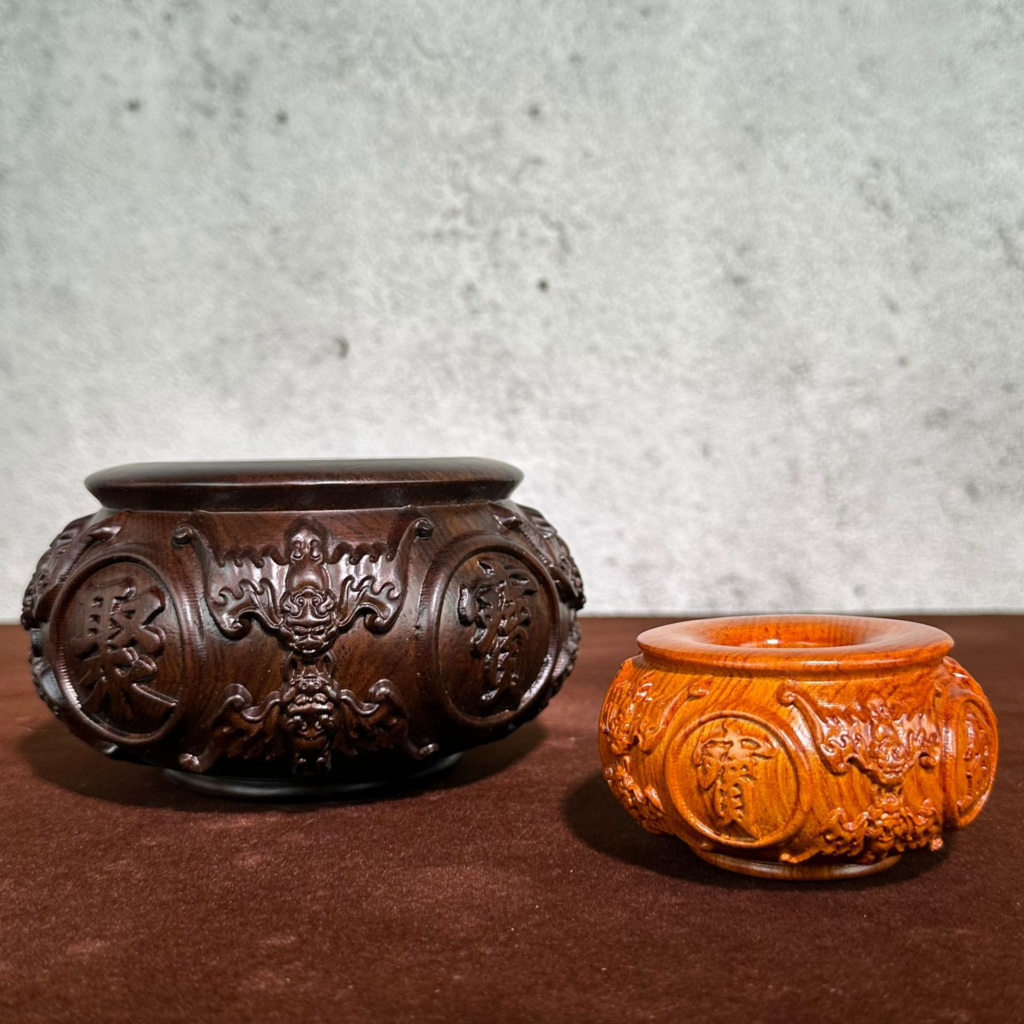
In Asia, wood carving flourished in cultures such as China and Japan. Chinese wood carvers created intricate panels, furniture, and ritual objects, often adorned with symbolic motifs like dragons and phoenixes. Japanese wood carvers focused on masks, sculptures of Buddhist deities, and decorative panels, blending technical precision with artistic expression.
Key Techniques in Wood Carving
Basic Wood Carving Methods
Wood carving techniques vary widely, but they all rely on removing excess wood to reveal the desired form. The most common methods include relief carving, where the design projects from a flat background; chip carving, which creates patterns by removing small chips of wood; and Scandinavian flat-plane carving, known for its geometric patterns.
The process begins with selecting an appropriate piece of wood. Hardwoods like oak and walnut are prized for their durability and fine grain, making them suitable for detailed work. Softwoods like pine and basswood are easier to carve and ideal for beginners. Carvers must also consider the wood’s grain direction, as carving against the grain can lead to splintering.
Tools of the Trade
Wood carvers use a variety of tools to shape and refine their sculptures. Basic tools include gouges with curved blades for removing large sections of wood, chisels for finer lines, and mallets for applying force. Specialized tools like veiners and v-tools are used for intricate details. Sandpaper of different grits helps achieve a smooth finish.
The Carving Process
The process begins with sketching the design onto the wood. The carver then removes excess wood using gouges and chisels, gradually refining the form. Once the basic shape is achieved, finer details are added with smaller tools. The final steps involve sanding the surface and applying finishes like oils, waxes, or varnishes to protect and enhance the wood’s natural beauty.
Cultural and Artistic Significance
Iconic Wood Carving Styles
Different cultures have developed unique wood carving styles. African wood carvings often feature abstract and symbolic forms, used in rituals and ceremonies. In Europe, Gothic wood carvings from the medieval period are renowned for their religious themes and expressive figures. Asian traditions, such as Japanese okimono sculptures, emphasize natural forms and delicate details.
Famous Wood Carving Sculptures
Numerous wood carving masterpieces have left a lasting impact on art history. The Shigir Idol, dating back to 7500 BCE, is the oldest known wooden sculpture. Other notable works include Tilman Riemenschneider’s Saint Barbara, a German Renaissance masterpiece, and the intricate wooden Bodhisattva from China’s Song dynasty.
Modern Wood Carving Practices
The Role of Wood Carving Today
Wood carving continues to thrive as both a traditional and contemporary art form. Modern artists blend classical techniques with innovative designs, creating sculptures that bridge the past and present. The School of Wood Carving offers classes and resources for enthusiasts at all levels, helping preserve and advance this timeless craft.
Tips for Aspiring Wood Carvers
Beginners should start with softwoods and basic tools, focusing on simple projects to build foundational skills. Patience is key, as mastering the art requires time and practice. Safety precautions, such as wearing cut-resistant gloves and keeping tools sharp, are essential. Regular practice and experimentation with different techniques will refine one’s skills and artistic vision.

Conclusion
Wood carving sculpture stands as a testament to human creativity and craftsmanship, with a history spanning thousands of years. From ancient religious icons to modern artistic expressions, this art form continues to evolve while honoring its rich heritage. Whether for practical use, spiritual significance, or pure aesthetics, wood carving offers endless possibilities for those willing to explore its depths.
How to Purchase:https://looperbuy.com/search?keywords=wood+carving+sculpture
Related Questions & Answers
· How do I choose the right wood for my carving project?
Selecting the right wood depends on your skill level and project requirements. Beginners should opt for softer woods like pine or basswood, which are easier to carve. Advanced carvers might prefer hardwoods like oak or walnut for their durability and ability to hold fine details.
· What are the essential tools for wood carving?
Essential tools include gouges, chisels, carving knives, mallets, and rasps. Gouges and chisels are used for shaping and detailing, while rasps help achieve a smooth finish. Specialized tools like veiners and v-tools are useful for intricate work.
· How can I preserve my wood carving for longevity?
After carving, apply a protective finish such as walnut oil, linseed oil, or wax. These finishes protect the wood from moisture and dust while enhancing its natural beauty. Store the sculpture in a dry, temperature-controlled environment to prevent warping or damage.
· What safety precautions should I take when wood carving?
Always wear cut-resistant gloves and eye protection. Keep your tools sharp to prevent accidental slips. Work in a well-lit, organized space to minimize the risk of accidents. Never carve while distracted or fatigued.
· Where can I learn more about wood carving techniques?
The School of Wood Carving offers comprehensive resources, including over 3,000 how-to videos, suitable for beginners and professionals. Additionally, local workshops and online tutorials provide valuable guidance for mastering this art form.
Hot Tags: Wood Carving Techniques; Historical Wood Sculptures; Cultural Wood Art; Modern Wood Carving; Famous Wood Carvers; Wood Sculpture Preservation; Traditional Carving Tools; Creative Woodworking; Artisan Wood Crafts