Table of Contents
Introduction
When the temperature drops and the chill sets in, an electric heater fan becomes an essential appliance for maintaining comfort in your living space. These devices have evolved significantly over the years, offering more efficient heating solutions with advanced features. In this comprehensive guide, we will explore everything you need to know about electric heater fans, from their basic functions to advanced considerations for selection and usage.
What is an Electric Heater Fan?
An electric heater fan is a portable heating appliance designed to warm indoor spaces using electric power. Unlike traditional heaters, these devices combine heating elements with built-in fans to distribute warm air more evenly throughout a room. The integration of a fan not only enhances the heating efficiency but also ensures that the warm air reaches every corner of your space.

How Does It Work?
The operational principle of an electric heater fan involves several key components working together. The heating element, typically made of metal coils, generates heat when an electric current passes through it. The built-in fan then draws in cool air from the surroundings, passes it over the heated coils, and blows out the warmed air into the room. This continuous cycle of air movement creates a comfortable heating effect that can be adjusted based on your specific needs.
Types of Electric Heater Fans
Understanding the different types of electric heater fans available can help you make a more informed purchasing decision. Each type has its unique features and benefits that cater to various heating requirements and preferences.
Ceramic Heater Fans
Ceramic heater fans utilize ceramic plates as heating elements. These plates have excellent heat retention properties, allowing them to maintain consistent temperatures with less energy consumption. Ceramic heaters are known for their quick heating capabilities and ability to provide a gentle, even heat distribution. They are ideal for medium-sized rooms and are often equipped with safety features such as overheat protection and tip-over switches.
Infrared Heater Fans
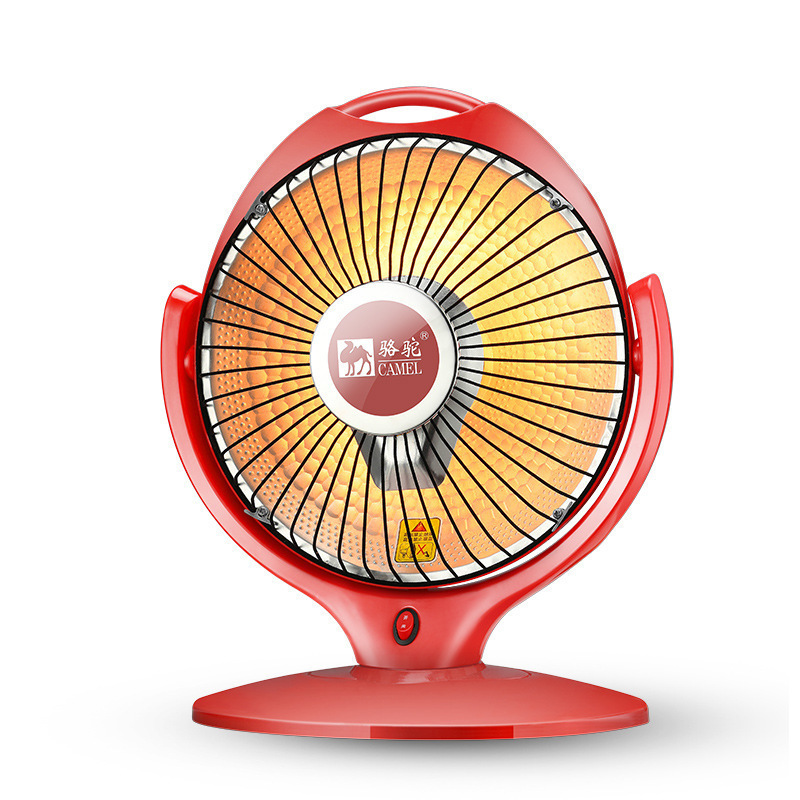
Infrared heater fans operate on a different heating principle compared to ceramic models. They emit infrared radiation that directly heats objects and people in the room rather than warming the air itself. This makes them more energy-efficient as they can provide spot heating without having to warm the entire volume of air in a space. Infrared heaters are perfect for targeted heating needs and can be highly effective in well-insulated areas.
Quartz Heater Fans
Quartz heater fans use quartz tubes filled with gas to produce heat. These heaters are known for their fast heating response and ability to reach desired temperatures quickly. Quartz heaters emit a bright light during operation, which can be both a distinctive feature and a consideration for some users. They are suitable for small to medium-sized spaces and offer efficient heating performance with relatively low energy consumption.
Oil-Filled Radiator Heater Fans
Oil-filled radiator heater fans contain a heat transfer oil that is heated and then circulates within the radiator to distribute heat. These heaters do not require continuous electric power once the oil is heated, making them energy-efficient options for maintaining steady temperatures over extended periods. Oil-filled radiator heaters are ideal for spaces where constant, gentle heat is desired without the need for constant fan operation.
Key Considerations When Choosing an Electric Heater Fan
Selecting the right electric heater fan involves evaluating several important factors to ensure you get a device that meets your specific heating needs and preferences.
Room Size and Heating Capacity
The size of the room you intend to heat is a crucial factor in determining the appropriate electric heater fan. Manufacturers typically provide heating capacity ratings, often measured in square feet, indicating the maximum area the device can effectively heat. As a general guideline, small rooms up to 150 square feet may require a heater with a capacity of around 1,500 watts, while larger spaces may need higher wattage or multiple heaters to achieve sufficient heating.
Safety Features
Safety should always be a top priority when selecting an electric heater fan. Look for models equipped with essential safety features such as overheat protection, which automatically shuts off the heater if it overheats, and tip-over switches that cut power if the device is accidentally knocked over. Additionally, some heaters may have child-proof guards or cool-to-touch exteriors, making them safer for households with children or pets.
Energy Efficiency
Considering the energy efficiency of an electric heater fan can help you save on utility bills while reducing your environmental impact. Energy-efficient models may have features such as programmable thermostats that allow you to set specific temperatures and maintain them without excess energy usage. Some heaters also offer multiple power settings, giving you the flexibility to adjust energy consumption based on your heating needs.
Noise Level
The noise generated by an electric heater fan can affect your comfort, especially if you plan to use it in spaces where quietness is important, such as bedrooms or home offices. Look for heaters with low-noise fan motors and consider models that offer whisper-quiet operation. Some advanced models may have noise-canceling technologies or multiple fan speed settings that allow you to balance between heating performance and noise levels.
Portability and Design
If you intend to move your electric heater fan between different rooms or spaces, portability becomes an important consideration. Look for models with lightweight designs, built-in handles, or wheels that make transportation easier. Additionally, consider the aesthetic design of the heater to ensure it complements your interior decor and fits well within your space.
Top Electric Heater Fan Brands Worth Considering
Several reputable brands offer high-quality electric heater fans that have gained popularity for their performance, reliability, and innovation.
Honeywell
Honeywell is a well-established brand known for producing a wide range of heating appliances, including electric heater fans. Their products are recognized for their energy efficiency, advanced features, and user-friendly designs. Honeywell heater fans often come with programmable thermostats, multiple heat settings, and safety features such as automatic shut-off and tip-over protection.
Lasko
Lasko has been a trusted name in the heating appliance industry for many years. Their electric heater fans are praised for their durability, efficient heating performance, and innovative designs. Lasko offers various types of heater fans, including ceramic and oscillating models, with features like adjustable thermostats, multiple fan speeds, and safety elements to ensure secure usage.
De’Longhi
De’Longhi is a brand synonymous with high-quality home appliances, including electric heater fans. Their products are known for their sleek, modern designs and advanced heating technologies. De’Longhi heater fans often incorporate features such as digital controls, precise temperature regulation, and safety mechanisms like overheat protection and child safety locks.
Dyson
Dyson has made a significant impact in the heating appliance market with their innovative bladeless heater fans. These unique designs not only provide efficient heating but also offer the benefits of reduced noise levels and improved air circulation. Dyson heater fans typically feature advanced technologies for temperature control and air distribution, along with stylish aesthetics that can enhance any interior space.
How to Properly Use and Maintain Your Electric Heater Fan

Proper usage and regular maintenance of your electric heater fan can extend its lifespan, ensure optimal performance, and prevent potential safety issues.
Proper Usage Guidelines
- Always place your electric heater fan on a flat, stable surface away from flammable materials such as curtains, furniture, and bedding.
- Keep the heater at a safe distance from water sources and avoid using it in excessively humid environments.
- Ensure that the area around the heater is well-ventilated to allow proper air circulation and prevent the accumulation of heat.
- Never leave the heater unattended while it is in operation, especially in the presence of children or pets.
- Unplug the heater when it is not in use or before performing any maintenance tasks.
Maintenance Tips
- Regularly clean the exterior of the heater using a soft, dry cloth to remove dust and debris that may accumulate on the surface.
- Check and clean the air intake and exhaust vents periodically to ensure unobstructed airflow, which is essential for efficient heating performance.
- Inspect the power cord and plug for any signs of damage or wear. If you notice any issues, discontinue use and have the heater serviced or replaced.
- For models with filters, follow the manufacturer’s instructions for cleaning or replacing the filters to maintain air quality and heating efficiency.
Conclusion
Electric heater fans have become indispensable tools for providing warmth and comfort in our living spaces during colder months. By understanding the different types available, key selection considerations, and proper usage practices, you can make an informed decision that best suits your heating needs. Investing in a quality electric heater fan not only ensures efficient heating but also contributes to a safer and more enjoyable environment in your home or office.
https://looperbuy.com/search?keywords=electric+heater+fanHow to Purchase:
Frequently Asked Questions
Q: What is the difference between an electric heater fan and a traditional heater?
A: An electric heater fan incorporates a built-in fan to distribute warm air generated by heating elements throughout a room. Traditional heaters may rely solely on radiation or convection without the added benefit of air circulation. The fan in an electric heater fan helps achieve more even heating and can improve energy efficiency by preventing heat stratification.
Q: How can I determine the appropriate heating capacity for my room size?
A: To determine the appropriate heating capacity, consider the square footage of your room. As a general guideline, small rooms up to 150 square feet may require a heater with a capacity of around 1,500 watts. For larger spaces, you may need higher wattage heaters or multiple devices to ensure sufficient heating. Manufacturers often provide heating capacity ratings, so check product specifications to find a model that matches your room size.
Q: Are electric heater fans energy-efficient?
A: Electric heater fans can be energy-efficient, especially when used properly. Models with features like programmable thermostats and multiple power settings allow you to customize energy usage based on your heating needs. Some advanced heaters may also utilize technologies that enhance energy efficiency, such as infrared heating elements or optimized airflow systems. To maximize efficiency, ensure your space is well-insulated and use the heater only when necessary.
Q: How long do electric heater fans typically last?
A: The lifespan of an electric heater fan can vary depending on factors such as usage frequency, maintenance practices, and build quality. With proper care and regular maintenance, many electric heater fans can last between 5 to 10 years. Following manufacturer guidelines for usage, cleaning, and storage can help extend the life of your heater and maintain its performance over time.
Q: Can electric heater fans be used in bathrooms?
A: Some electric heater fans are designed for use in bathrooms, but it is crucial to ensure they are specifically rated for bathroom use and meet necessary safety standards. Bathroom heaters should be installed away from water sources and have features such as waterproofing and ground fault circuit interrupters (GFCI) to prevent electrical hazards. Always check the product specifications and safety certifications before using a heater in a bathroom environment.
Hot Tags: Electric Heater Fan; Portable Heating Solutions; Home Heater Safety; Energy-Efficient Heaters; Ceramic Heater Fans; Infrared Heater Technology; Quiet Heater Fans; Space Heater Reviews; Heater Maintenance Tips; Best Electric Heaters for Winter