In the rapidly evolving world of technology, the Type – C charging cable has emerged as a game – changing solution for powering and connecting various devices. As more and more devices adopt this standard, understanding what a Type – C charging cable is and how it works becomes increasingly important for consumers and tech enthusiasts alike. In this comprehensive guide, we’ll explore the ins and outs of Type – C charging cables, their advantages, compatibility, and how they’re reshaping the way we interact with our devices.
Table of Contents
Understanding the Basics of Type – C Charging Cables
What Exactly is a Type – C Charging Cable?
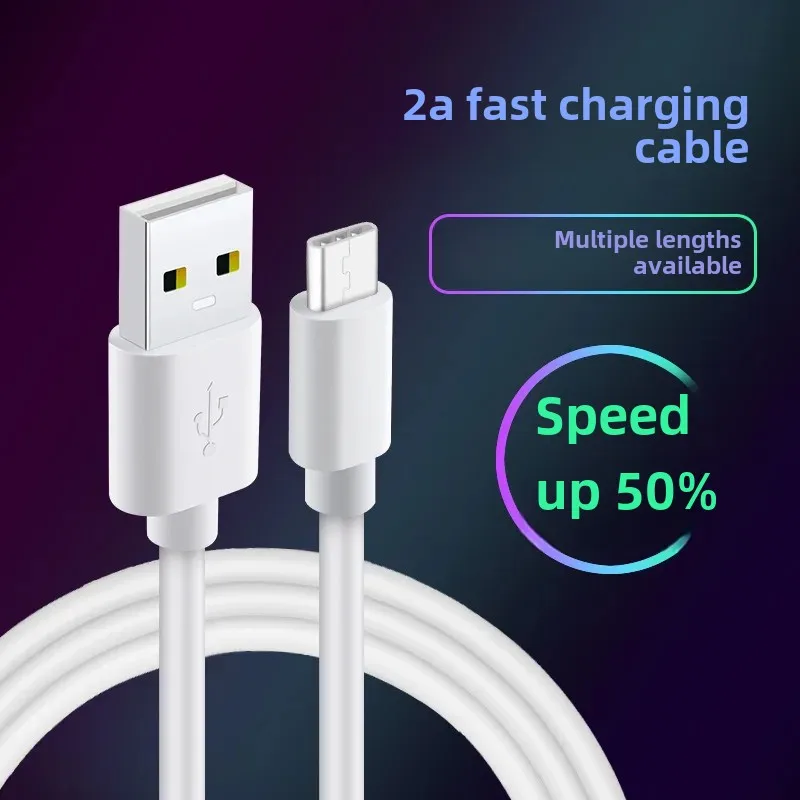
A Type – C charging cable, often referred to simply as USB – C, is a type of universal serial bus (USB) connector. It’s characterized by its distinctive oval – shaped connector that’s slightly thicker and more robust than previous USB standards. The USB – C connector was developed by the USB Implementers Forum (USB – IF), a group of industry leaders aiming to create a more efficient and versatile connectivity solution.

The Evolution of USB Technology
To fully appreciate the significance of Type – C charging cables, it’s helpful to understand the evolution of USB technology. From the earliest USB – A connectors to the more recent USB – B and micro – USB variants, each iteration has brought improvements in speed, power delivery, and functionality. However, none have achieved the level of versatility and widespread adoption as USB – C.
Key Features and Advantages of Type – C Charging Cables
Reversible Connector Design
One of the most user – friendly features of Type – C charging cables is their reversible connector design. Unlike previous USB connectors that could only be inserted in one orientation, the USB – C connector can be plugged in either way. This eliminates the frustration of fumbling with a cable trying to determine the correct orientation, making it much more convenient for users.
Fast Charging Capabilities
Type – C charging cables support advanced fast – charging technologies. With power delivery (PD) standards of up to 100 watts, these cables can charge devices significantly faster than their predecessors. This means less time spent waiting for your phone, tablet, or laptop to charge and more time using your device.
High – Speed Data Transfer
In addition to fast charging, Type – C cables offer blazing – fast data transfer speeds. With USB 3.2 and USB4 standards, these cables can transfer data at rates of up to 40 Gbps, making them ideal for transferring large files like videos, photos, and software updates in a matter of seconds.
Video Output Support
Many Type – C charging cables also support video output, allowing you to connect your device to external displays, monitors, or TVs. This feature is particularly useful for professionals who need to present or extend their workspace, as well as for gamers and content creators who require higher – resolution displays.
Compatibility and Adoption of Type – C Charging Cables
Widespread Device Support
The adoption of Type – C charging cables has been remarkable across various industries. From smartphones and tablets to laptops and digital cameras, numerous devices now come equipped with USB – C ports. Major brands like Apple, Samsung, and Google have integrated USB – C into their latest devices, signaling a shift towards this standard.
Backward Compatibility
While Type – C cables represent the latest in USB technology, they also offer backward compatibility with older USB standards. With the use of adapters, you can connect your Type – C cable to devices with USB – A or micro – USB ports. This ensures that you can continue using your existing accessories while transitioning to USB – C devices.
Choosing the Right Type – C Charging Cable
Quality and Durability
When selecting a Type – C charging cable, it’s important to consider the quality and durability of the product. Look for cables with reinforced connectors and high – quality materials that can withstand frequent bending and unplugging. Reputable brands often offer longer warranties, indicating their confidence in the product’s longevity.
Length and Connector Type
Consider the length of the cable and the type of connectors it offers. If you need to charge your device from a distance, a longer cable may be more practical. Additionally, some cables come with multiple connectors, such as USB – C to USB – A, providing added versatility for different charging scenarios.
Certification and Compliance
Ensure that the Type – C charging cable you choose is certified by the USB – IF or other recognized standards organizations. Certified cables undergo rigorous testing to ensure they meet safety and performance standards, reducing the risk of damage to your devices.
Advanced Applications and Future – Proofing with Type – C
Power Delivery for High – Power Devices
As technology advances, the power requirements of devices continue to grow. Type – C cables, with their high – power delivery capabilities, are well – suited to meet the demands of power – hungry devices like laptops, gaming consoles, and even some desktop accessories. This eliminates the need for multiple chargers and simplifies your charging setup.
Integration with Thunderbolt 3 and 4
Type – C charging cables are often used in conjunction with Thunderbolt 3 and 4 technologies, which allow for ultra – fast data transfer and connectivity to external graphics cards, storage drives, and other high – performance peripherals. This makes USB – C a future – proof solution for those looking to stay ahead of the technological curve.

Conclusion
Type – C charging cables have revolutionized the way we power and connect our devices. With their reversible design, fast – charging capabilities, high – speed data transfer, and widespread compatibility, they offer a versatile and efficient solution for modern tech users. As more devices adopt this standard, understanding the benefits and applications of Type – C cables becomes essential for making the most of your technology.
How to Purchase:https://looperbuy.com/search?keywords=what+is+type+c+charging+cable
Frequently Asked Questions
Q: Can I use a Type – C charging cable with my older devices that have USB – A ports?
A: Yes, you can use a Type – C charging cable with older devices that have USB – A ports by utilizing a USB – C to USB – A adapter. This allows you to take advantage of the Type – C cable’s features while remaining compatible with your existing devices.
Q: Are all Type – C charging cables the same in terms of performance?
A: Not all Type – C charging cables are created equal. Performance can vary based on the cable’s quality, materials, and manufacturer. It’s important to choose cables that support the latest USB standards and have been certified for safety and performance.
Q: How do I know if my device supports fast charging with a Type – C cable?
A: To determine if your device supports fast charging with a Type – C cable, check the device’s specifications or user manual. Most modern devices that include a USB – C port will indicate their fast – charging capabilities, often referring to technologies like USB Power Delivery (PD).
Q: Are there security risks associated with using third – party Type – C charging cables?
A: While reputable third – party Type – C charging cables are generally safe, there is always a risk when using unverified or low – quality products. To minimize security risks, purchase cables from trusted brands and ensure they are certified by recognized standards organizations.
Q: Can Type – C charging cables be used for purposes other than charging and data transfer?
A: Yes, Type – C charging cables can be used for a variety of purposes, including video output, connecting to external displays, and even as a digital audio interface for high – resolution audio devices. Their versatility makes them a valuable tool in many different scenarios.
Hot Tags: What is Type C Charging Cable; USB – C Connectivity; Fast Charging Technology; Type – C Data Transfer; USB – C Compatibility; Type – C Video Output; USB Power Delivery; Type – C Adapters; Universal Charging Solutions; Future – Proof Connectivity