Table of Contents
Understanding the Importance of Small Furniture Casters
In today’s interior design landscape, small furniture casters play a surprisingly significant role in enhancing both the functionality and aesthetics of various spaces. These unassuming yet vital components allow furniture pieces to be easily moved, rearranged, and repositioned, making them incredibly practical for modern living. Whether you’re dealing with space constraints, frequently reorganizing your home or office, or simply want the flexibility to adjust your furniture layout as needed, small furniture casters offer an elegant solution. They provide the necessary mobility without compromising the stability and appearance of your furniture.
Types of Small Furniture Casters

Swivel Casters
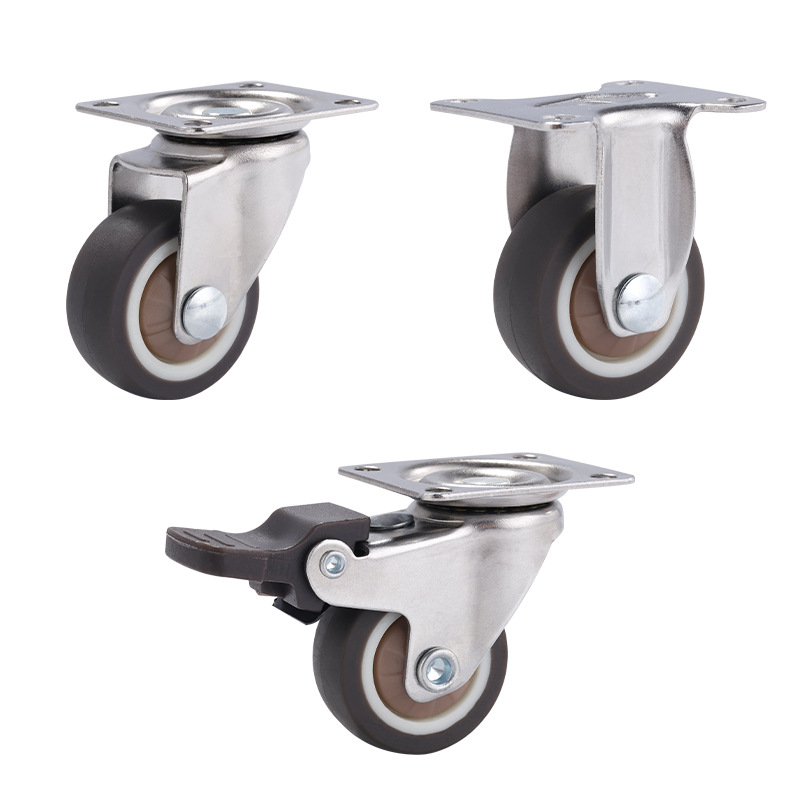
Swivel casters are among the most versatile and popular types of small furniture casters. They feature a rotating mechanism that allows the caster to pivot 360 degrees. This enables smooth and easy movement of furniture in any direction. Swivel casters are particularly useful for furniture that needs to be moved frequently or maneuvered around obstacles. They are commonly found on office chairs, small tables, and various types of storage units. The ability to swivel makes it easier to navigate tight spaces and adjust the position of furniture with minimal effort.
Rigid Casters
Unlike swivel casters, rigid casters do not have a rotating mechanism. They are designed to roll only in a straight line, providing stability and preventing accidental movement. Rigid casters are ideal for furniture that needs to remain in a fixed position once placed. They offer a secure and steady base, making them suitable for heavier furniture pieces or items that require precise placement. Rigid casters are often used on desks, cabinets, and bookshelves where stability is paramount, and frequent movement is not necessary.
Brake Casters
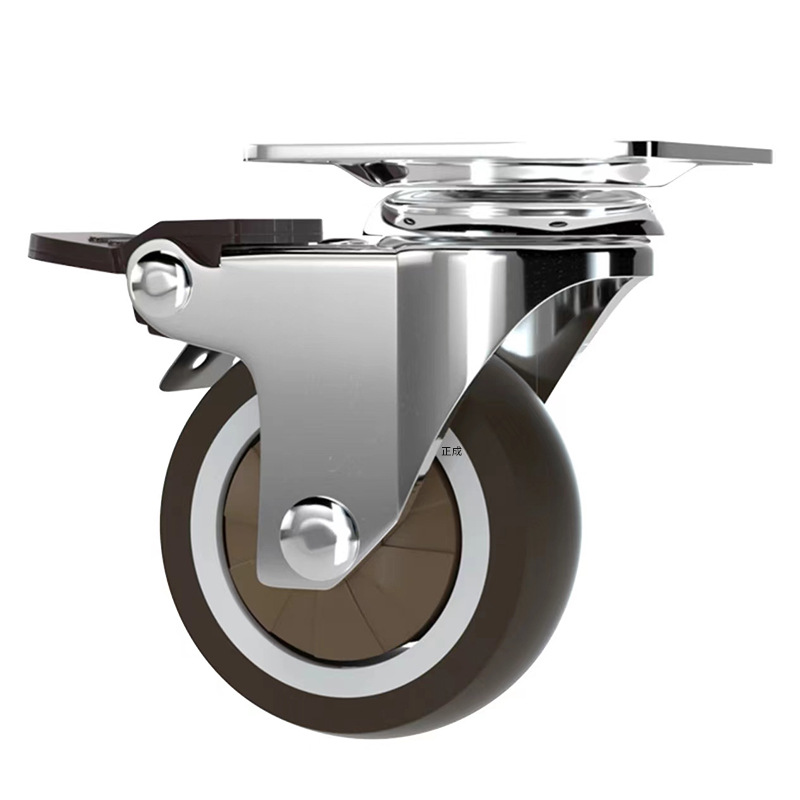
Brake casters combine the functionality of swivel or rigid casters with an added braking mechanism. This feature allows you to lock the caster in place once the furniture is positioned where you want it. The braking system provides an extra level of stability and security, preventing unintended movement. Brake casters are particularly beneficial in environments where furniture may be subject to vibrations, accidental bumps, or where it’s crucial to keep items stationary. They are commonly used in workshops, studios, and areas with high activity levels.
Benefits of Using Small Furniture Casters
Enhanced Mobility and Flexibility
One of the primary advantages of small furniture casters is the enhanced mobility they provide. With casters, you can easily move furniture pieces around your space without the need for heavy lifting or struggling with awkward positions. This is especially useful in small apartments, studio homes, or offices where space is limited, and furniture often needs to be rearranged to accommodate different activities or functions. The flexibility to reconfigure your furniture layout whenever needed allows for greater creativity in interior design and the ability to adapt your space to changing needs.
Reduced Wear and Tear on Floors
Small furniture casters also help protect your floors from damage. When furniture is moved without casters, it can scrape, scratch, or dent the floor surface, leading to costly repairs. Casters distribute the weight of the furniture more evenly and allow it to glide smoothly over the floor, minimizing friction and pressure points. This is particularly important for hardwood, laminate, or delicate flooring surfaces that are more susceptible to damage. By using casters, you can extend the life of your floors and maintain their appearance over time.
Improved Ergonomics and User Experience
Furniture equipped with small casters is generally easier to handle and maneuver, which can significantly improve the user experience. For example, an office chair with swivel casters allows you to move freely around your desk without straining your back or muscles. Similarly, a small side table with casters can be easily rolled to different locations as needed, making it more convenient to use. This enhanced ease of use can lead to greater comfort and efficiency in both home and work environments.
Selecting the Right Small Furniture Casters
Load Capacity
When choosing small furniture casters, it’s essential to consider the weight of the furniture they will be supporting. Casters come in various load capacities, and selecting ones that can handle the weight of your furniture is crucial for both safety and functionality. Overloading casters can lead to instability, increased wear, and even failure of the caster itself. Check the manufacturer’s specifications for load capacity and ensure that the casters you choose are appropriate for the furniture piece in question.
Size and Dimensions
The size of the casters should be in proportion to the furniture they will be attached to. Small furniture typically requires smaller casters to maintain the aesthetic balance and stability of the piece. Casters that are too large may look out of place and could even affect the furniture’s stability. Additionally, consider the dimensions of the caster, including the wheel diameter and the overall height of the caster assembly, to ensure they fit properly with the furniture’s design and structure.
Material and Durability
The material of the casters plays a significant role in their durability and performance. Common materials for small furniture casters include plastic, rubber, metal, and polyurethane. Each material has its own advantages and disadvantages. For example, rubber casters provide good shock absorption and are less likely to damage floors, while metal casters offer greater durability and load – bearing capacity. Consider the environment in which the furniture will be used and select casters made from materials that can withstand the conditions and usage patterns.
Noise Level
In some settings, such as offices, bedrooms, or quiet living spaces, the noise generated by furniture casters can be a concern. Some casters tend to produce noise when rolling over certain floor surfaces, which can be disruptive. Look for casters that are designed to operate quietly, such as those with smooth – rolling wheels or noise – dampening features. This can help maintain a peaceful and comfortable environment.
Installation and Maintenance of Small Furniture Casters
Installation Process
Installing small furniture casters is generally a straightforward process, but it’s important to follow the correct steps to ensure they are securely attached and function properly.
- Gather Tools and Materials: You’ll typically need a screwdriver, the casters themselves, and any necessary hardware such as screws or brackets.
- Prepare the Furniture: Turn the furniture piece upside down or position it so that the legs or points where casters will be attached are easily accessible. Ensure the surface is clean and free of dust or debris.
- Attach the Casters: Follow the manufacturer’s instructions for installing the casters. This may involve screwing them directly into the furniture legs or attaching them using brackets. Make sure each caster is tightened securely and positioned correctly.
- Test the Installation: After attaching all casters, gently roll the furniture to test the mobility and stability. Check that each caster is bearing weight evenly and that there are no wobbles or unstable movements.
Maintenance Tips
Proper maintenance of small furniture casters can extend their lifespan and ensure they continue to function smoothly.
- Regular Cleaning: Periodically clean the caster wheels and surrounding areas to remove dust, dirt, and debris that may accumulate and affect the caster’s performance. Use a soft cloth or brush to clean the wheels and remove any foreign objects that may be lodged in the mechanisms.
- Lubrication: Depending on the type of casters and the environment they’re used in, applying a small amount of lubricant to the wheels and moving parts can help maintain smooth operation. Use a lubricant specifically designed for furniture casters or consult the manufacturer’s recommendations.
- Inspect for Wear and Tear: Regularly inspect the casters for signs of wear, such as cracks in the wheels, loose brackets, or worn – out bearings. Replace any damaged casters promptly to prevent further issues and ensure the safety and functionality of your furniture.
Innovations in Small Furniture Casters for 2025
As technology and design continue to advance, small furniture casters are also evolving to meet the changing needs and preferences of consumers.
Smart Casters with Connectivity Features
In 2025, we can expect to see the emergence of smart casters that incorporate connectivity features. These casters may have built – in sensors that can track the weight distribution of furniture, detect movement patterns, or even connect to smart home systems. For example, smart casters could send notifications to your smartphone if a piece of furniture is moved without authorization or if it detects an imbalance that could potentially damage the furniture or floors.
Eco – Friendly and Sustainable Materials
There is a growing emphasis on sustainability in product manufacturing, and small furniture casters are no exception. More and more casters are being made from eco – friendly materials such as recycled plastics, biodegradable polymers, or sustainably sourced metals. These environmentally conscious options allow consumers to make purchases that align with their values while still benefiting from the functionality of casters.
Customizable and Modular Casters
Consumers are increasingly seeking personalized and customizable products. In response, manufacturers are developing customizable and modular caster systems. These allow users to mix and match different caster components, such as wheels, brackets, and braking mechanisms, to create the perfect casters for their specific furniture pieces and usage requirements. This level of customization ensures a better fit and greater satisfaction with the product.
Conclusion
Small furniture casters are more than just functional accessories; they are essential elements that enhance the mobility, flexibility, and usability of furniture in various settings. By understanding the different types of casters available, their benefits, and how to select and maintain them properly, you can make informed decisions that improve both the functionality and longevity of your furniture. As technology and design continue to advance, the future of small furniture casters looks promising, with innovations that will further enhance their performance and appeal. Whether you’re furnishing a small apartment, a home office, or a commercial space, the right small furniture casters can make a significant difference in how you interact with and enjoy your furniture.
How to Purchase:https://looperbuy.com/search?keywords=small+furniture+casters
Frequently Asked Questions
Q: Can small furniture casters support heavy furniture?
A: Yes, many small furniture casters are designed to support heavy furniture. The key is to select casters with an appropriate load capacity for the weight of your furniture. Check the manufacturer’s specifications and choose casters that can handle the load safely. Overloading casters can lead to instability and potential damage.
Q: How do I prevent small furniture casters from damaging my floors?
A: To prevent floor damage, choose casters made from materials that are less likely to scratch or dent floors, such as rubber or polyurethane. Ensure the casters are the right size for your furniture and distribute the weight evenly. Avoid using casters on uneven surfaces and consider using floor protectors or rugs in high – traffic areas to provide an additional layer of protection.
Q: Are small furniture casters suitable for all types of flooring?
A: Small furniture casters can be used on various types of flooring, but their suitability depends on the caster design and material. For hardwood or delicate floors, opt for soft – wheeled casters that minimize scratching. For carpeted floors, choose casters with larger wheels to prevent them from sinking into the carpet pile. Always test the casters on your specific flooring type to ensure they provide the desired mobility without causing damage.
Q: Can I install small furniture casters on existing furniture?
A: Yes, small furniture casters can typically be installed on existing furniture. Most casters are designed to be attached to furniture legs or bases using screws or brackets. However, the feasibility depends on the furniture’s construction and whether it has suitable attachment points. If you’re unsure, consult a professional or refer to the caster manufacturer’s installation guidelines.
Q: How often should I replace small furniture casters?
A: The lifespan of small furniture casters varies depending on factors like usage frequency, load, and environment. Regular maintenance can extend their life, but signs that it’s time to replace them include worn – out wheels, loose brackets, noisy operation, or reduced mobility. As a general guideline, inspect your casters every 6 – 12 months and replace them if you notice any issues that affect their performance or safety.
Hot Tags: Small Furniture Casters; Furniture Mobility Solutions; Swivel Casters; Rigid Casters; Brake Casters; Load – Bearing Casters; Noiseless Furniture Casters; Eco – Friendly Casters; Smart Casters; Customizable Furniture Casters