Table of Contents
Introduction: The Enduring Appeal of Cashmere Wool Scarves
In the world of fashion accessories, few items combine luxury, comfort, and timeless style quite like the cashmere wool scarf. This exquisite garment has transcended seasons and trends to become a staple in sophisticated wardrobes around the globe. More than just a cold-weather essential, a high-quality cashmere scarf represents an investment in both personal comfort and sartorial excellence. This comprehensive exploration delves into the fascinating world of cashmere wool scarves, examining their history, craftsmanship, styling possibilities, and care requirements.
The Heritage of Cashmere: From Himalayan Goats to Global Luxury
Origins of Cashmere Fiber
The story of cashmere begins in the high-altitude plateaus of the Himalayas, where the rare Cashmere goat thrives in harsh conditions. For centuries, nomadic herders in regions like Mongolia, Nepal, and Kashmir have been collecting the fine undercoat shed by these animals during spring molting season. This precious raw material, combed rather than sheared to preserve the goat’s well-being, represents the foundation of all authentic cashmere products.
Evolution of Cashmere Scarf Production
What began as a local craft has evolved into a global luxury industry. Traditional hand-weaving techniques have been perfected over generations, while modern manufacturing processes have made high-quality cashmere more accessible. Today’s cashmere scarves represent a harmonious blend of ancient craftsmanship and contemporary production methods.
Understanding Cashmere Quality: What Sets Apart the Best
Fiber Characteristics and Grading
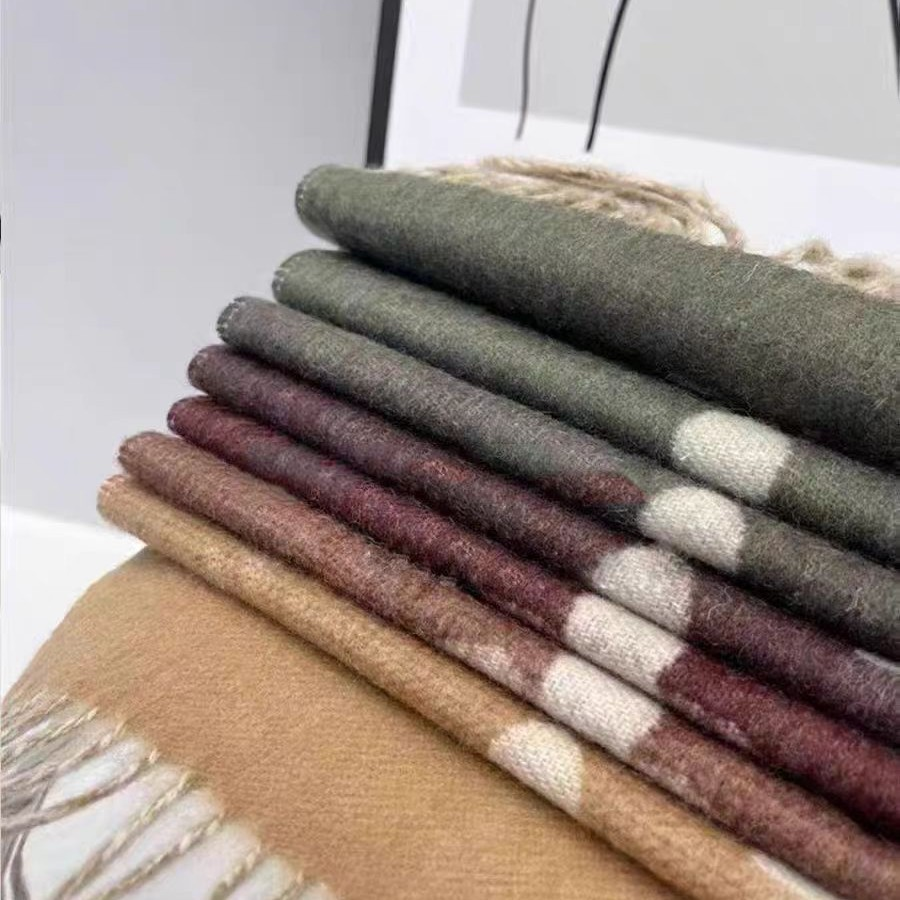
The exceptional qualities of cashmere stem from its unique fiber structure. Finer fibers (measured in microns) create softer, more durable scarves. Premium cashmere typically comes from the undercoat of Cashmere goats and undergoes rigorous sorting to eliminate coarser guard hairs. The length of the fibers also plays a crucial role in determining the scarf’s durability and resistance to pilling.
Purity and Blending Considerations
While 100% cashmere scarves represent the pinnacle of luxury, some manufacturers blend cashmere with other fibers like silk or wool to alter the texture or reduce costs. Understanding these blends helps consumers make informed choices about the balance between quality and price.
Craftsmanship and Manufacturing Processes
The way a cashmere scarf is made significantly impacts its final quality. Hand-woven scarves often feature unique textures and patterns, while machine-made versions offer consistency and precision. The finishing processes, including washing and pressing, also contribute to the scarf’s softness and drape.
Styling Versatility: From Casual to Couture
Seasonal Adaptability
While traditionally associated with winter, lightweight cashmere scarves can transition seamlessly through multiple seasons. Their temperature-regulating properties make them suitable for layering in spring and autumn, while thicker versions provide essential warmth during winter months.
Fashion Pairing Possibilities
A cashmere scarf serves as a versatile accessory that enhances both casual and formal outfits. Draped casually around the neck for a relaxed look or neatly folded for a polished appearance, it complements everything from jeans and sweaters to tailored suits and evening wear.

Cultural and Regional Styling Traditions
Different cultures have developed unique ways of wearing cashmere scarves. From the elegant draping styles of Parisian fashion to the practical wrapping techniques of Himalayan herders, these regional variations offer inspiration for personalizing your scarf-wearing approach.
Selecting the Perfect Cashmere Scarf
Determining the Right Size and Shape
Cashmere scarves come in various dimensions, from compact squares to oversized rectangles. The ideal size depends on your intended use – smaller scarves offer more versatility for styling, while larger ones provide greater warmth and dramatic impact.
Color and Pattern Selection Guidelines
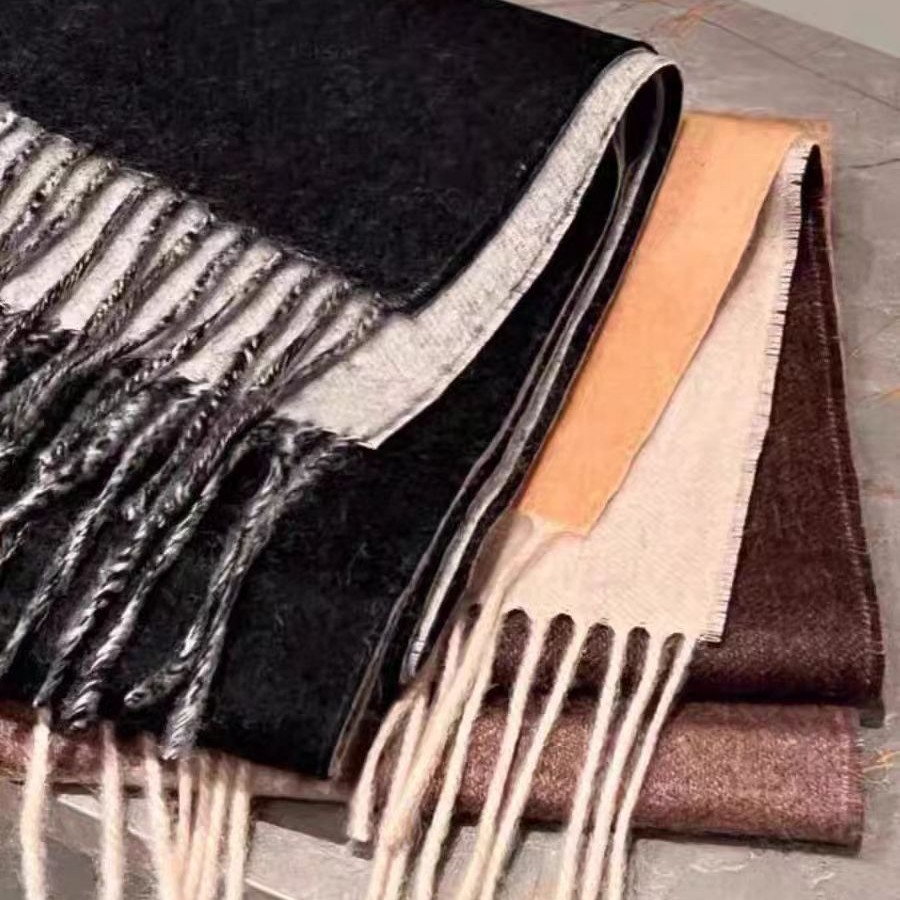
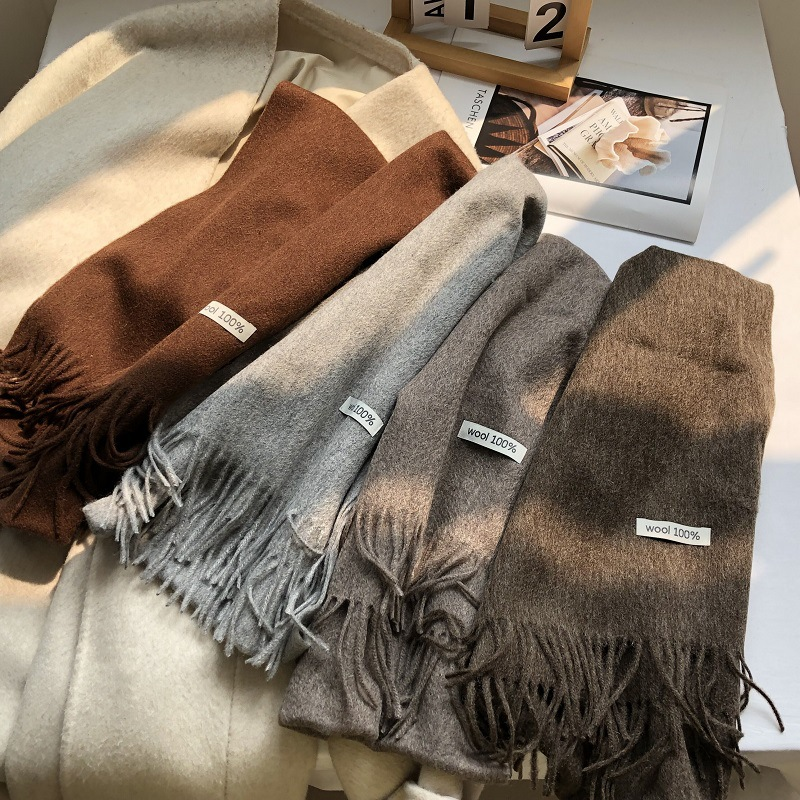
The neutral tones of natural cashmere provide an excellent canvas for both subtle and bold color choices. Solid colors offer timeless appeal and easy coordination, while patterned scarves can serve as statement pieces. Consider your existing wardrobe when selecting hues that will maximize versatility.
Identifying Authentic Cashmere Products
With the market flooded with imitations, discerning genuine cashmere requires attention to detail. Look for proper labeling, examine the fabric’s hand feel, and consider the price point – authentic cashmere rarely comes at bargain basement prices.
Care and Maintenance: Preserving Your Investment
Proper Washing Techniques
While machine washing is possible for some cashmere scarves, hand washing remains the gentlest method. Using cold water and mild detergent specifically formulated for delicate fibers helps maintain the scarf’s softness and color integrity.
Drying and Storage Methods
Air drying flat on a clean towel prevents stretching and maintains the scarf’s shape. Avoid direct heat sources like radiators or sunlight, which can cause shrinkage or fading. When not in use, store your scarf folded in a drawer or hung on a wide, padded hanger to prevent creasing.
Dealing with Pilling and Wear
Over time, even the finest cashmere may develop pills – those tiny balls of fiber that form with friction. Gently removing them with a cashmere comb or sweater stone helps maintain the scarf’s pristine appearance without damaging the fibers.
The Ethical and Sustainable Aspects of Cashmere Production
Responsible Herding Practices
Ethical cashmere production prioritizes animal welfare and sustainable land management. Reputable producers ensure their herds have adequate grazing land and implement rotational grazing systems to prevent overgrazing and desertification.
Fair Trade and Artisan Support
Many cashmere scarf producers work directly with traditional artisans, providing fair wages and preserving cultural heritage crafts. Supporting these producers contributes to the continuation of centuries-old techniques and sustainable livelihoods.
Environmental Impact Considerations
The environmental footprint of cashmere production varies widely depending on farming practices. Consumers can make more sustainable choices by opting for brands that prioritize renewable energy, water conservation, and waste reduction in their manufacturing processes.
The Future of Cashmere Scarves: Trends and Innovations
Technological Advancements in Fiber Processing
Innovations in fiber sorting and processing are improving the consistency and quality of cashmere products while reducing waste. New treatments enhance the natural properties of cashmere, making it more resistant to pilling and wear without compromising its luxurious feel.
Design Fusion and Contemporary Aesthetics
Contemporary designers are pushing the boundaries of traditional cashmere scarf design, experimenting with bold patterns, unconventional shapes, and innovative textures. This fusion of tradition and modernity appeals to a new generation of fashion-conscious consumers.
Circular Economy Initiatives
Some forward-thinking brands are exploring recycling programs that allow customers to return old cashmere garments for repurposing. This approach reduces waste and extends the lifecycle of these valuable textiles.
Conclusion: The Enduring Value of Cashmere Wool Scarves
A cashmere wool scarf represents far more than a simple accessory – it embodies centuries of craftsmanship, a commitment to quality, and the timeless appeal of natural fibers. Whether purchased as an investment piece or a personal indulgence, a well-chosen cashmere scarf offers years of warmth, comfort, and style. By understanding what makes exceptional cashmere and how to care for it properly, consumers can ensure their scarves remain cherished companions for decades to come.
How to purchase: https://looperbuy.com/search?keywords=cashmere+wool+scarf&globalType=1688
Frequently Asked Questions (FAQs)
- How can I tell if my scarf is made from genuine cashmere? Begin by examining the fabric’s hand feel – authentic cashmere should feel incredibly soft against your skin without any scratchiness. Gently stretch a small section; genuine cashmere will spring back to shape rather than staying stretched out. Check for the presence of a genuine cashmere label, though be aware that some counterfeit products may mimic these. For absolute certainty, consult a professional textile expert or consider sending a sample for laboratory analysis.
- What’s the best way to store my cashmere scarf during warmer months? The ideal storage method involves folding your scarf neatly and placing it in a breathable cotton storage bag or drawer. Avoid plastic containers which can trap moisture and lead to mildew. Adding a small sachet of natural lavender or cedar helps deter moths while keeping your scarf smelling fresh. Never hang your cashmere scarf for extended periods as this can cause stretching and distortion of the fabric.
- Why does my cashmere scarf sometimes pill after minimal use? Pilling occurs when short fibers work their way to the surface and tangle together, forming those characteristic small balls. This phenomenon happens more frequently with lower-quality cashmere that contains more shorter fibers. Friction from frequent wearing or improper washing can accelerate pilling. While some pilling is normal, excessive pilling may indicate a lower-grade product or harsh washing methods. Gently removing pills with a cashmere comb helps maintain the scarf’s appearance without damaging the fibers.
- Can I wear my cashmere scarf in rainy or humid weather conditions? While cashmere possesses natural moisture-wicking properties, it’s not designed to withstand prolonged exposure to water or high humidity. Wet cashmere fibers lose their insulating properties and become vulnerable to damage. If your scarf gets slightly damp, allow it to air dry naturally away from direct heat sources. For prolonged wet conditions, consider alternative scarf materials or protect your cashmere with a waterproof outer layer. Never machine dry or iron a wet cashmere scarf.
- How do I revive a cashmere scarf that has become matted or lost its softness? For slightly matted cashmere, lay the scarf flat on a clean towel and gently work through the matted areas with your fingers or a soft-bristled brush. For more severe matting, try the “steam method” – hang the scarf in a steamy bathroom for several minutes to relax the fibers, then carefully brush through while still damp. For significant loss of softness, a professional cashmere cleaning service can often restore the scarf’s original luxurious feel through specialized washing and blocking techniques.
Hot Tags: Cashmere wool scarves; Luxury fashion accessories; Premium scarf guide; Cashmere quality guide; Styling cashmere scarves; Cashmere care tips; Sustainable fashion; Winter accessories; Fashion investment pieces; Elegant layering options